Genesis GV90 Puts Hyundai’s Smart Factory to the Test
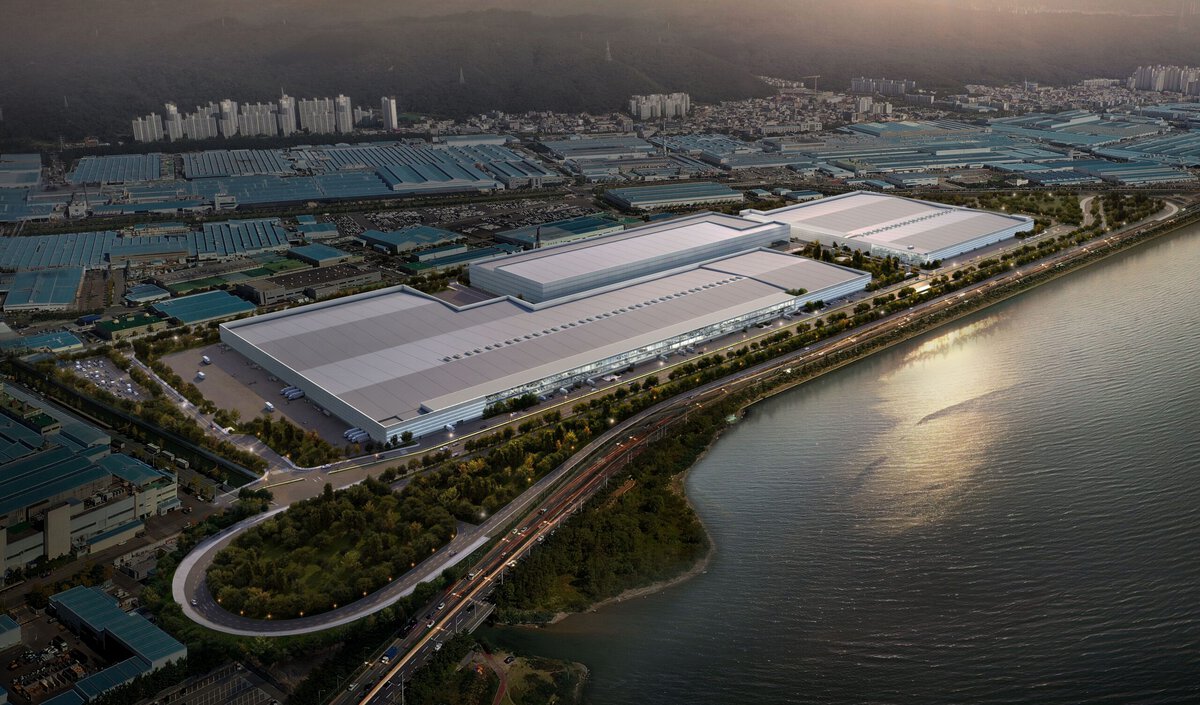
Hyundai says its new Ulsan electric-vehicle plant will begin production with the Genesis GV90. The machinery behind that luxury SUV may matter as much as the vehicle itself.
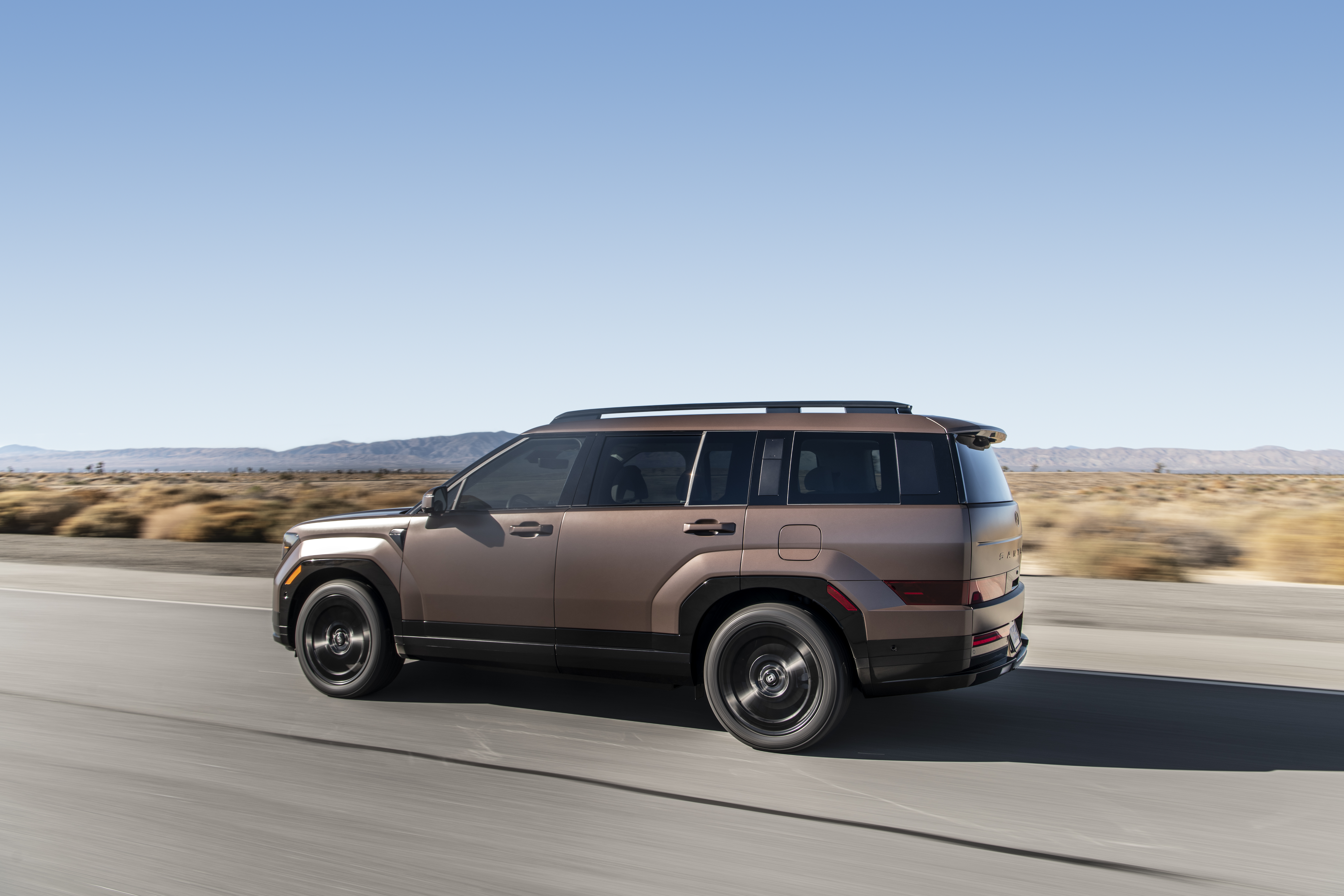
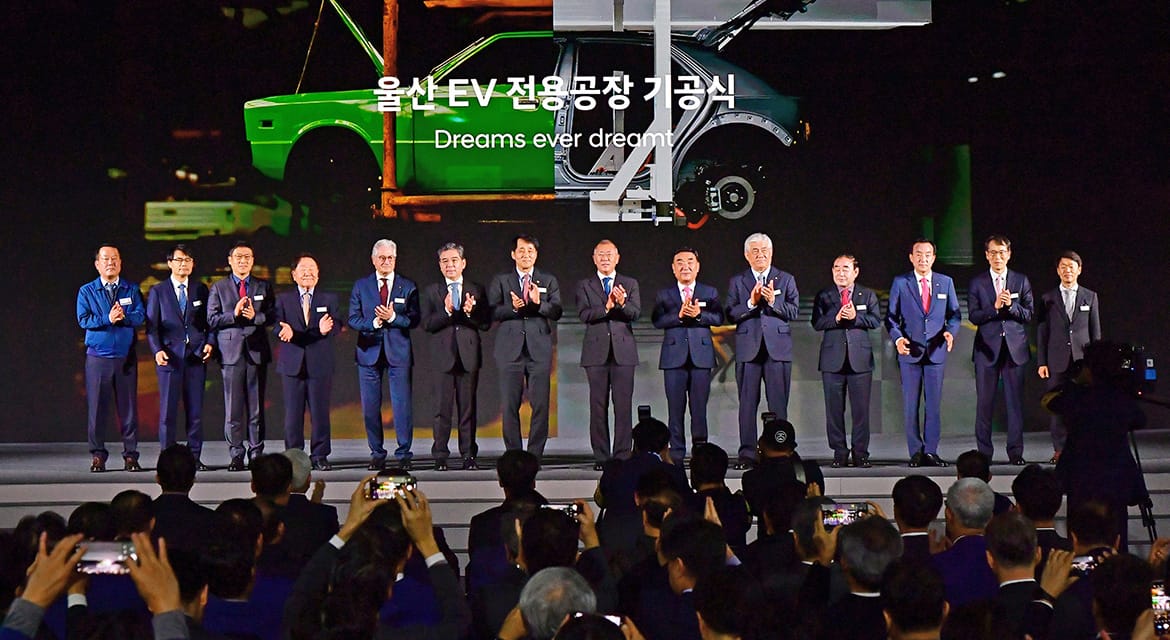
The 2028 Genesis GV90 promises three rows, electric power and, in its upper versions, pillarless doors. At Hyundai Motor Company’s 2026 CEO Investor Day, the less glamorous announcement was where and how it will be built. The EV facility in Ulsan, South Korea, will use 108 advanced manufacturing tools, AI-enabled quality inspection and a manufacturing AI agent, according to Hyundai’s announcement. Those are plans, not independently measured production results.
You may also enjoy this video
Why the GV90 is the first test
A luxury flagship is an unforgiving way to open a factory. Buyers notice uneven panel fit, squeaks, paint flaws and electronic faults more readily than they appreciate the term “software-defined.” Hyundai is choosing a complicated vehicle, with different door designs and cabin layouts across versions, to demonstrate consistency.
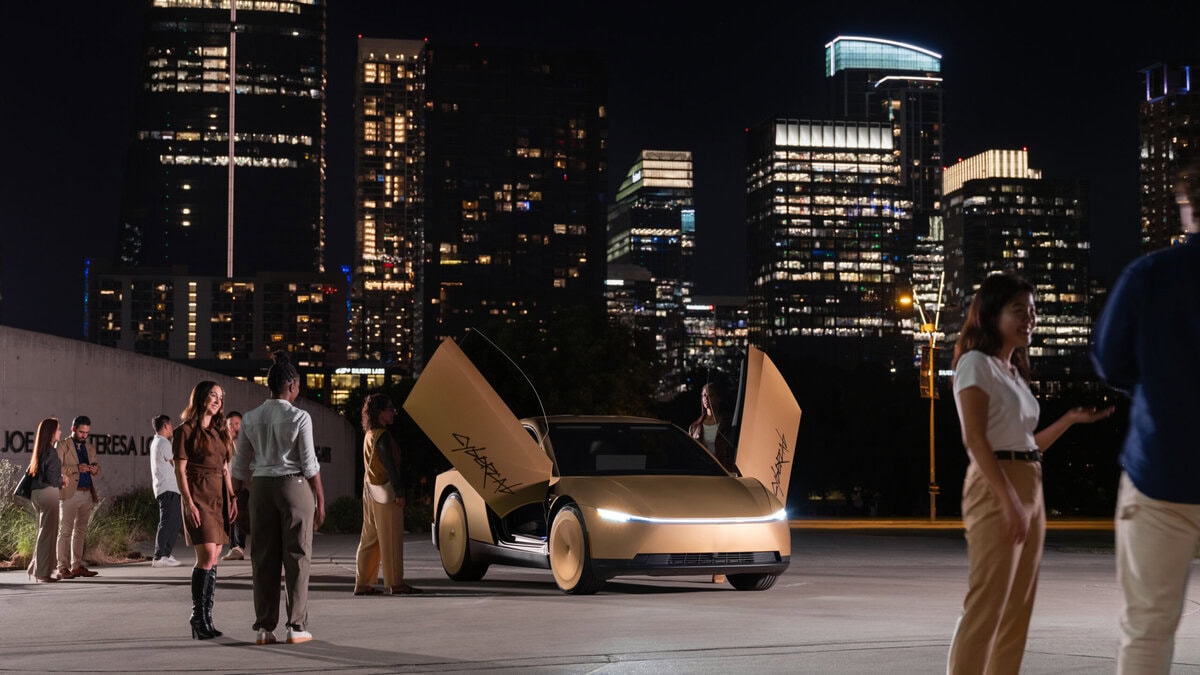
The Genesis U.S. preview describes Neolun versions’ Arch Gate doors, while the standard GV90 uses conventional doors. Variations in structure, trim and wiring must yield the same standard. Genesis says the 2028 GV90 is due in the U.S. in early 2027. U.S. pricing and final certified range remain open questions.
You may also enjoy: Genesis GV90: Separate Luxury From Theater
What does a software-defined factory do?
Hyundai describes software tools that coordinate equipment, inspect vehicles with AI and help people identify problems. The aim is to catch defects earlier, adapt production and learn from line data. Skilled people still need to install parts, verify results and correct errors. An AI inspection claim means little unless defects are found, fixed and prevented from returning.
Hyundai’s earlier Ulsan plant announcement put planned annual capacity at 200,000 EVs and investment at roughly 2 trillion won. That is plant capacity, not a GV90 sales forecast. Its 2025 roadmap said the site could eventually handle as many as 12 EV models. The 2026 announcement identifies the GV90 as the first product without a timetable for every later model.
The group’s Singapore innovation center tests robotics, AI and digital production methods. Its robotics strategy discusses automation at other plants. Neither source proves every demonstration will be installed at Ulsan. The 108 tools and AI inspection are the narrower commitments Hyundai made for this plant.
You may also enjoy: Hyundai Robots Could Turn Dealers Into Tech Stores
What should buyers look for?
From the driveway, a clever factory should reveal itself through ordinary things: clean body fit, quiet trim, dependable electronics, parts availability and prompt repairs. For the GV90, examine door alignment and ease of entry, check the seats and displays, and ask the retailer how specialized parts and software repairs will be handled.
Digital production records may help Hyundai identify which vehicles received a problematic component. That is an inference from the planned tools, not a promise of fewer recalls or faster repairs. Real-world warranty and defect data will take time to emerge.
You may also enjoy: Genesis GV90 Will Debut Hyundai’s Battery Fire Defense
Genesis wants to grow well beyond its current scale, and a consistently built flagship could give buyers confidence in the rest of the range. The Genesis expansion plan still depends on retailers and service after the factory has done its job. A new plant cannot solve a distant service center or an unavailable loan vehicle.
For now, the honest verdict is a watch list, not a factory review. Hyundai has named the opening vehicle and some of the production technology. When U.S. GV90s reach owners, consistent quality and responsive service will tell us whether the sophisticated factory produced a better luxury SUV.
You may also enjoy: Hyundai Driving AI in 2028: What Will Drivers Get?