Hyundai Robots Could Turn Dealers Into Tech Stores
Hyundai robots could reach customers through car dealerships, but pricing, servicing, safety and the intended buyers remain unanswered.
Hyundai Robots Have a Distribution Advantage
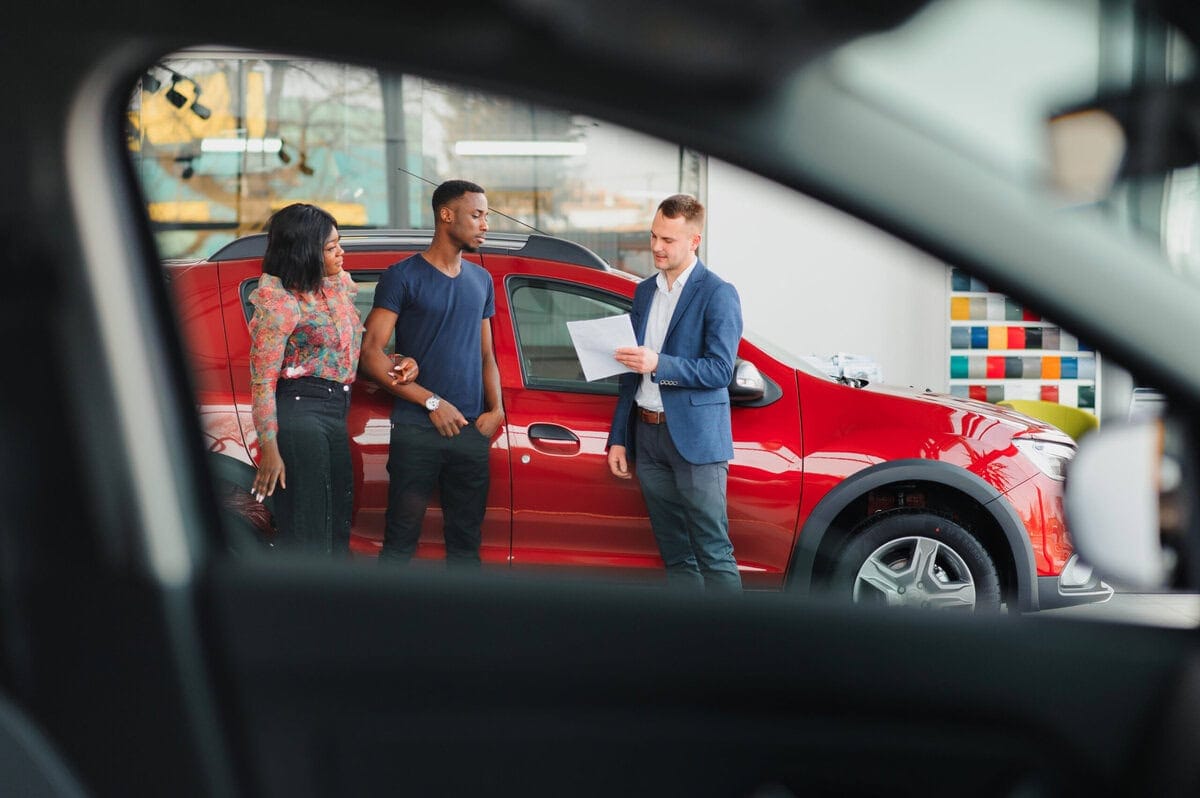
Plenty of companies can build an interesting robot. Far fewer can put one in front of a customer, arrange financing, deliver it, supply replacement parts and provide somewhere local to take it when an elbow stops working. Hyundai believes the same network that sells cars could help solve that problem for robots.
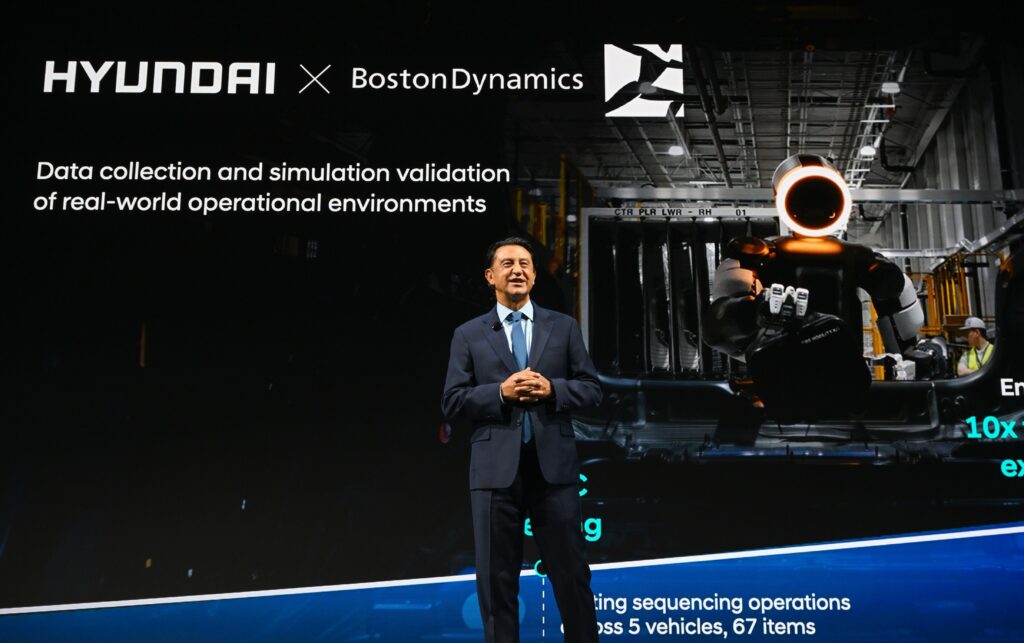
I was inside the room in South Korea when Hyundai presented its 2026 CEO Investor Day strategy. The unexpected consumer story was not simply that Hyundai intends to build robots. It was José Muñoz identifying the company’s automobile retailers as a possible sales channel.
“We have existing potential distribution for selling robots through our dealer partners,” said Muñoz, Hyundai Motor Company’s president and CEO. “And Hyundai Capital is exploring the feasibility to finance sales of robots.”
That is considerably more specific than saying Hyundai is interested in robotics. It connects a physical product with a potential route to customers and a method of paying for it. It does not, however, confirm that consumers will soon find an Atlas robot standing beside an IONIQ 5.
You may also enjoy: Hyundai’s Robot Future May Be Closer Than You Think
Hyundai has not named participating dealers, announced retail prices or said whether the first dealership customers would be households, factories or smaller businesses. “Potential distribution” is the important qualifier. This is a strategy Hyundai is evaluating, not a national robot-sales program with an opening date.
You may also enjoy this video about robots from Auto manufacturers:
The Factory Is the Proving Ground
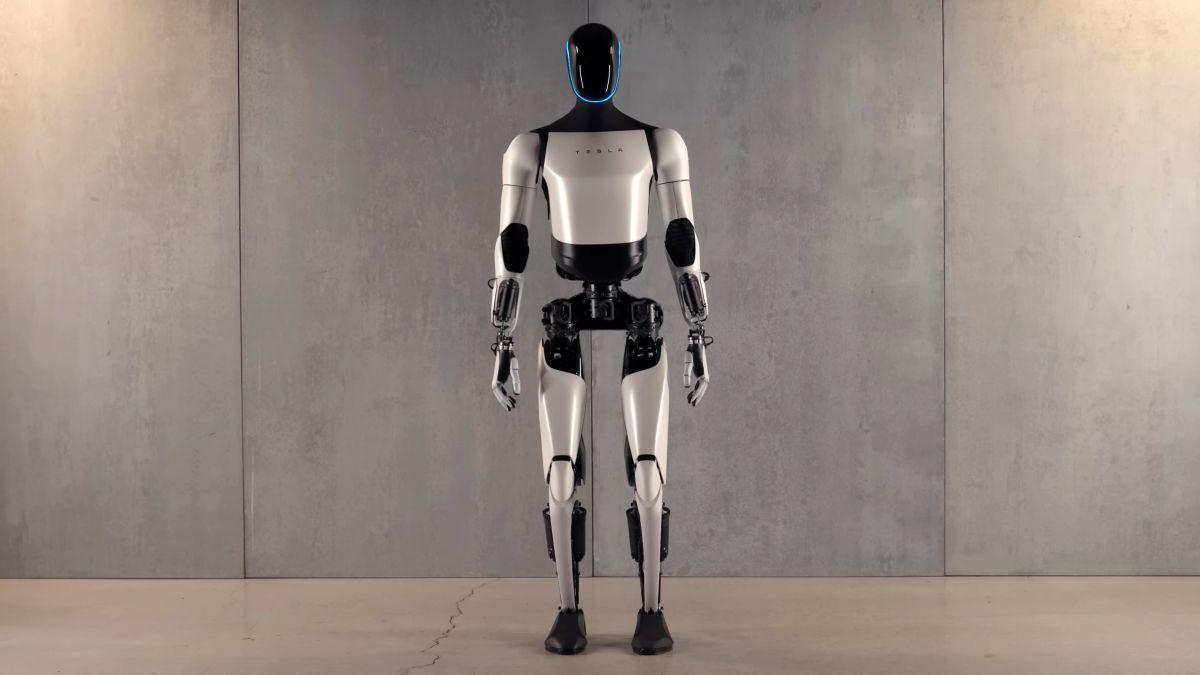
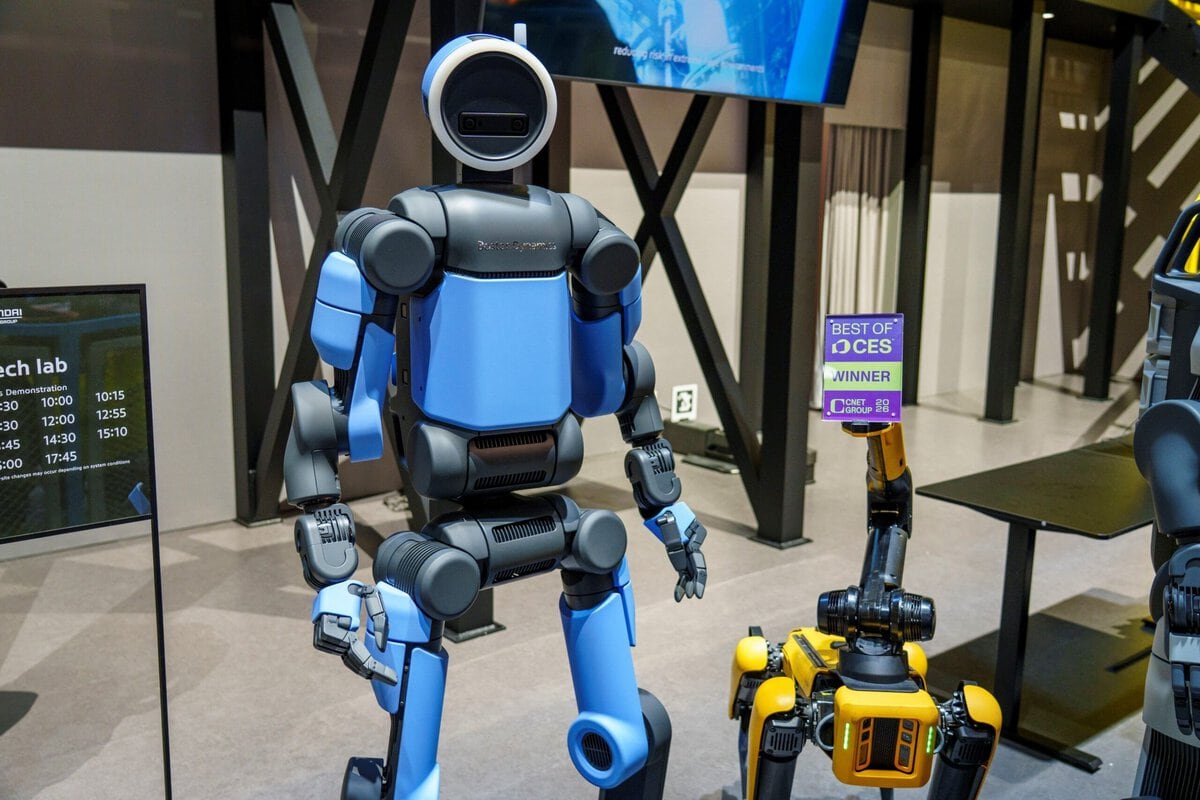
Hyundai’s immediate plan begins inside industry. Boston Dynamics’ Spot is built for mobile inspection and data collection, while Stretch handles warehouse freight. Atlas is the humanoid member of the family and is being prepared for tasks in workplaces designed around the human body.
Muñoz described the planned scale in unusually direct terms: “We’re building Spot and Stretch robots and soon, we’ll be mass producing Atlas humanoid robots.” Hyundai says American robot production will begin in 2028, supported by annual capacity of 30,000 units.
You may also enjoy: Hyundai’s World Cup Play Is Bigger Than Cars
The Robot Metaplant Application Center gives Hyundai a place to train, test and verify robots in simulated manufacturing environments. Hyundai says the center opened in the United States in June and will expand tenfold by the end of 2026. Atlas deployment is expected to begin at Hyundai Motor Group Metaplant America in Georgia.
This matters because artificial intelligence improves when it receives useful real-world data. Hyundai can place robots in its own plants, study where they succeed or fail, update their software and repeat the process without waiting for an outside company to volunteer its factory as a laboratory.
You may also enjoy: Move Over Jeep and Ford: Hyundai Plotting $26B Offensive
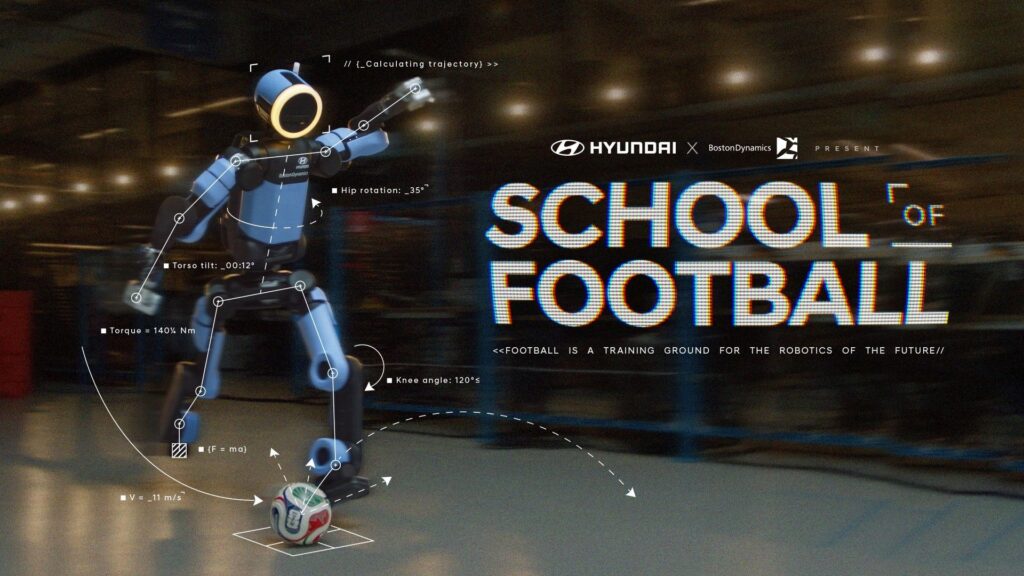
That captive demand is one of Hyundai’s strongest advantages. It also prevents a flashy demonstration from being mistaken for a finished commercial product. Kicking a football, lifting a refrigerator or walking across a stage proves selected capabilities. Operating safely through thousands of shifts is a much tougher test.
What Hyundai Robot Dealers Would Actually Need
A showroom demonstration would be the easy part. Supporting Hyundai robots would require dealers to train technicians in electric actuators, sensors, cameras, batteries, networking and software. A conventional diagnostic bay may not be suitable for a machine designed to move while standing upright.
The safety obligation would extend beyond the repair shop. The National Institute for Occupational Safety and Health studies the well-being of people who use or work near workplace robots. OSHA notes that many robot accidents occur during programming, maintenance, testing, setup or adjustment, precisely the work dealership technicians could be expected to perform.
You may also enjoy: ESOX X2 UGV: The Car Tech Heading to the Battlefield
Dealers would also need clarity on warranties, software support, cybersecurity, product liability and emergency procedures. The relevant robot safety standards are far removed from the familiar questions surrounding oil changes and tire rotations.
None of that makes dealer distribution impossible. Automobile retailers already manage expensive machines, regulated financing, safety recalls, technical training and long-term parts support. The point is that a robot franchise would be a new operation within the dealership, not another trim level added to the order screen.
A Robot Purchase Is Not a Car Purchase
Hyundai Capital’s participation could make robots easier for companies to acquire, but financing introduces a different set of unknowns. Muñoz said the company is “exploring the feasibility to finance sales of robots.” He did not announce loan terms or a program available to customers.
The existing consumer rules around vehicle financing provide a useful comparison, but robots do not yet have established used values, predictable depreciation curves or a broad resale market. Lenders would need to decide what an aging Atlas is worth after years of physical work and several generations of software updates.
You may also enjoy: Tesla Robotaxi Launch, Layoffs, and Probes
The most plausible first dealership customer is therefore not someone looking for a household companion. It is a local business that needs a robot for inspection, materials handling or repetitive physical work but lacks a direct relationship with a robotics manufacturer. A dealer could provide a demonstration, arrange commercial financing and coordinate service.
Hyundai’s published corporate summary describes the larger ambition clearly: “We are leveraging partnerships to scale new technologies and opportunities and becoming a physical AI company which will produce and deploy robots and robotaxis.” The dealership proposal shows how that ambition could reach beyond Hyundai’s own factories.
For now, shoppers should keep the question mark in the headline. Hyundai has confirmed a potential dealer channel, not a robot arriving at every retailer. If the company can turn its automotive distribution system into a credible robotics support network, however, the local Hyundai store could eventually sell machines that walk as well as vehicles that drive.