Genesis Global Growth Plan Faces Its Hardest Test
The Genesis global growth plan targets 350,000 annual sales by 2030, but retail service and resale values will determine whether scale works.
Genesis has already solved the glamorous portion of becoming a luxury brand. It can design a dramatic concept, build a cabin that feels expensive and place a winged badge on an SUV people stop to examine. The less photogenic work begins when that customer needs a software update, collision repair, loan vehicle or fair trade-in offer four years later.
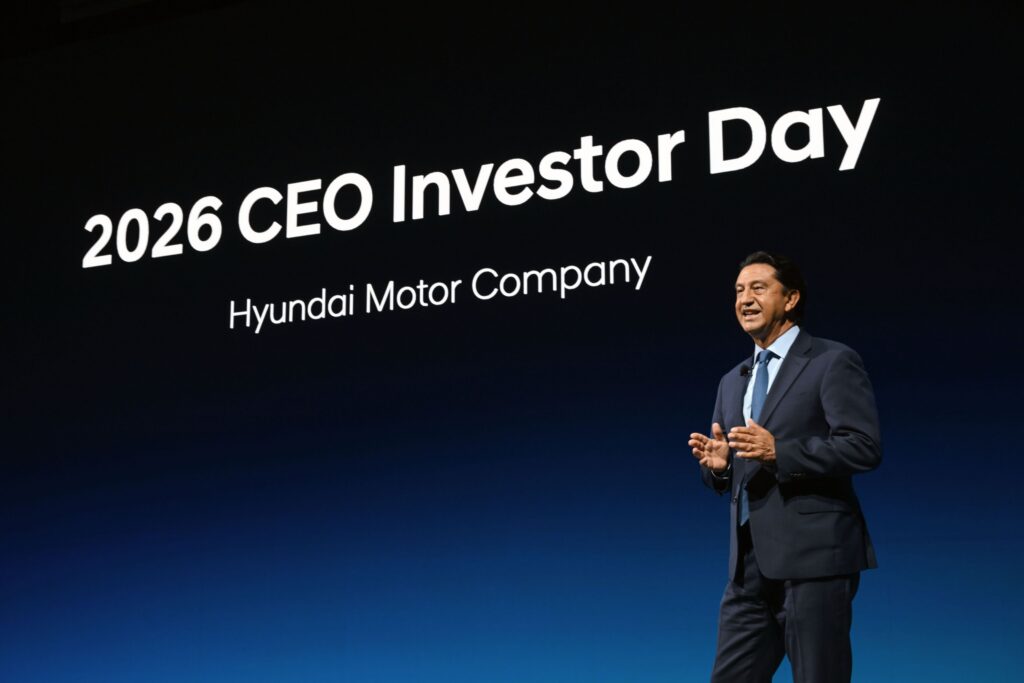
That is why the new Genesis global growth plan deserves more scrutiny than its headline number. Hyundai Motor Company says its luxury division intends to reach 350,000 annual sales, more than 40 markets and over 270 retail locations by 2030. The store count would grow by roughly 50 percent. More access should help sales, but expansion also multiplies the places where the ownership promise must be kept.
The Genesis global growth plan is really a service test
A premium vehicle is partly a transportation product and partly a relationship. Genesis can control much of what leaves the factory; it has less direct control over every conversation at a retailer. As coverage expands, customers should evaluate the local operation as carefully as the car. Ask who performs complex repairs, whether loan vehicles are normally available and how long common parts take to arrive.
The company’s target of more than 270 locations should reduce geographic gaps. That matters because luxury ownership becomes noticeably less luxurious when routine service requires an expedition. Still, quantity is not the same as consistency. Genesis needs new outlets in Italy, France, the Netherlands, Tunisia, Morocco, Spain, India and Asia-Pacific to deliver the same confidence customers expect in Seoul or Los Angeles.
You may also enjoy: Genesis GV90 Takes Aim at Rolls-Royce and Range Rover
Shoppers should also check independent crashworthiness results and government safety ratings for the precise model year they are considering. Brand reputation is useful context; it does not replace vehicle-specific evidence.
Product choice gives Genesis room to grow
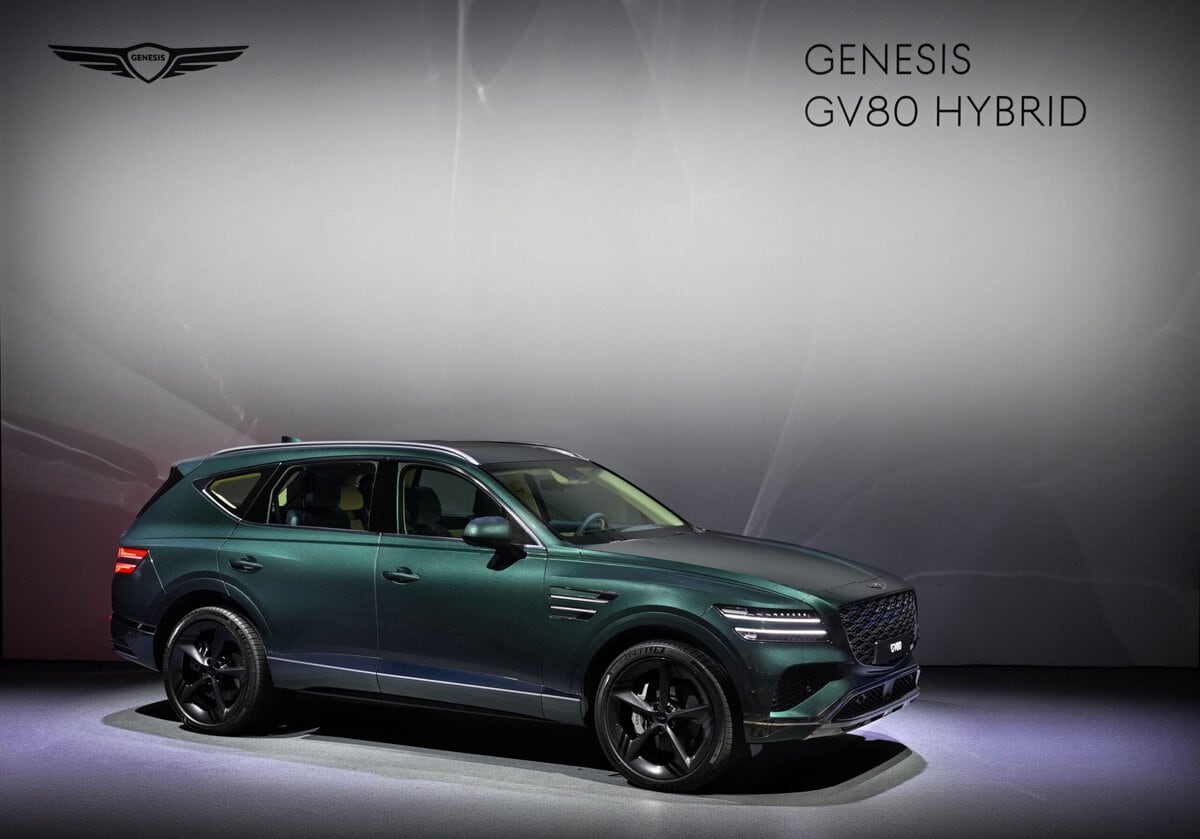
The product strategy is more convincing than a simple promise to sell more cars. Genesis is adding the GV90 flagship, launching its first conventional hybrid in the GV80 and preparing an extended-range electric SUV for early 2027. Hyundai’s North American plan includes 22 new or significantly enhanced Genesis launches through 2030, counting powertrains, derivatives and substantial updates as well as new vehicles.
You may also enjoy: Genesis EREV: What Its 640+ Mile Range Really Means
That breadth gives the company several routes into a customer’s driveway. A household ready for battery-electric ownership can choose accordingly; another may prefer a hybrid with no charging obligation. The EREV could suit drivers who can charge regularly but make enough long journeys to value a gasoline-backed travel range. Choice is sensible. It also places a training burden on retailers expected to explain and service several very different systems.
Scale can punish existing owners
The most important unanswered question is what rapid growth does to used Genesis values. Luxury vehicles are frequently leased, traded and financed. A customer may love the purchase price yet discover later that aggressive incentives or fleet growth weakened the vehicle’s residual value. Before signing, compare the complete auto loan, expected depreciation and insurance cost rather than concentrating on the monthly payment.
You may also enjoy: Genesis Wants to Scare BMW With 22 New Vehicles
Genesis has a narrow path to follow. More stores and models can improve visibility, convenience and bargaining strength. Too much discounting can train buyers to wait for incentives and make current owners feel they paid yesterday’s price for tomorrow’s bargain. BMW, Lexus and Mercedes-Benz have made their own mistakes here; entering the club does not require copying all its bad habits.
What Genesis buyers should verify locally
Start with the retailer rather than the brochure. Call the service department and ask how quickly it can schedule a normal appointment. Ask whether certified technicians work on the powertrain you are considering, especially a hybrid or EV. Search the exact VIN through the federal recall database before delivery, then obtain written details about included maintenance, roadside assistance and courtesy transportation.
You may also enjoy: 2026 Genesis GV70 3.5T AWD: The Best Luxury Crossover?
Next, compare the Genesis with a real rival at a similar transaction price. The badge should not receive a discount in your evaluation merely because the equipment list is long. Seat comfort, interface logic, driver-assistance behavior, tire prices and service access will remain after the showroom lighting has finished its work.
You may also enjoy: Genesis Just Got Sexy: Magma Performance Is Here
The company says it reached one million cumulative sales faster than any other luxury automotive brand. That achievement gives the 350,000-a-year goal credibility, but not certainty. Hyundai Motor Group supplies scale, engineering and investment. Genesis must add repeatable hospitality, disciplined pricing and an ownership network capable of supporting the cars long after launch day.
The vehicles are no longer the central doubt. The harder question is whether Genesis can make every new customer feel like an honored guest while adding stores, markets and sales at remarkable speed. If it can, 350,000 vehicles will look like growth. If it cannot, the same number will simply describe how widely the cracks have spread.