
Flying Cars by 2030? The Fare Could Surprise You
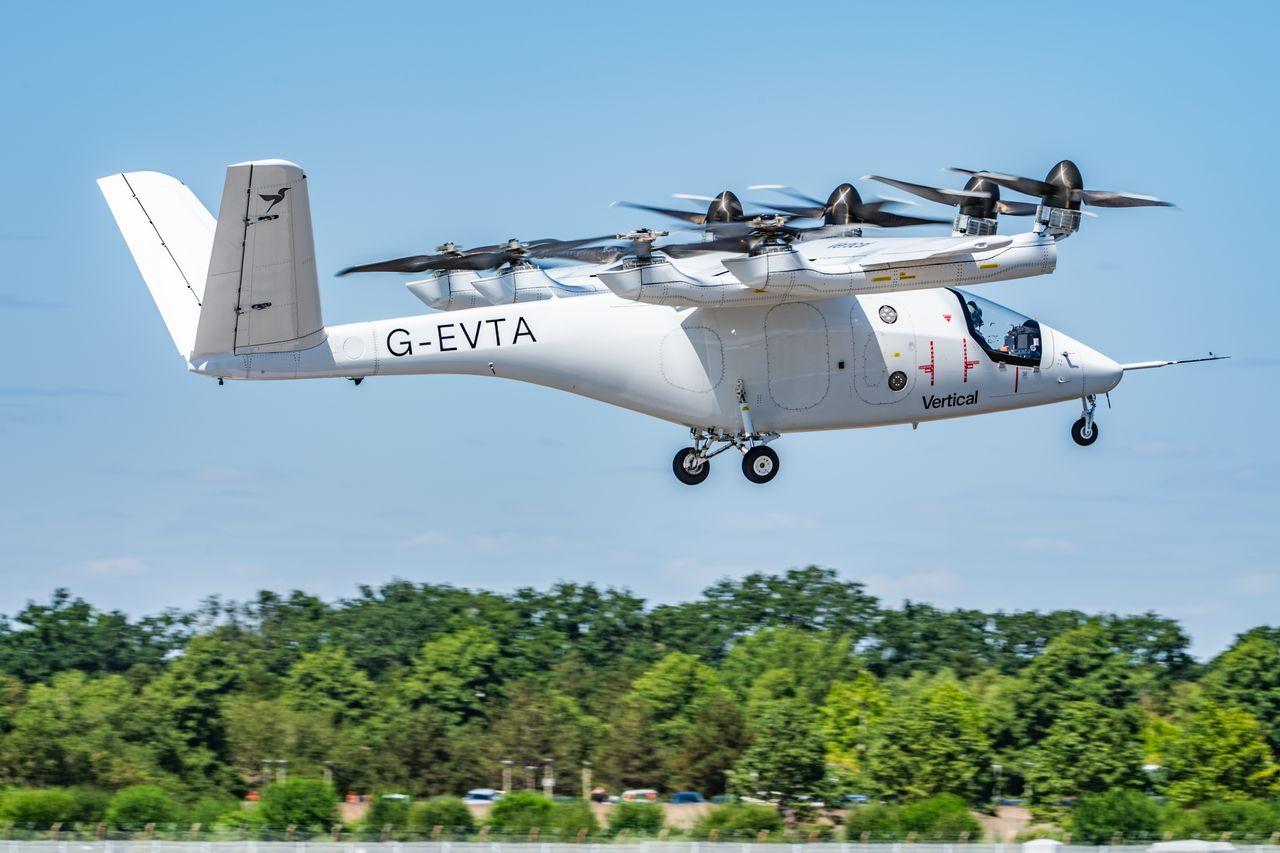
Flying cars by 2030 could become reality as Vertical Aerospace prepares its Valo electric air taxi, with a bold promise about passenger costs.
I’m driving a luxury Lexus through Los Angeles, surrounded by thousands of people who would probably rather be somewhere else. Traffic is crawling, the destination is approaching at the speed of a particularly relaxed garden snail, and I find myself wondering why we are still doing this.
What if the next vehicle you booked didn’t need a road?
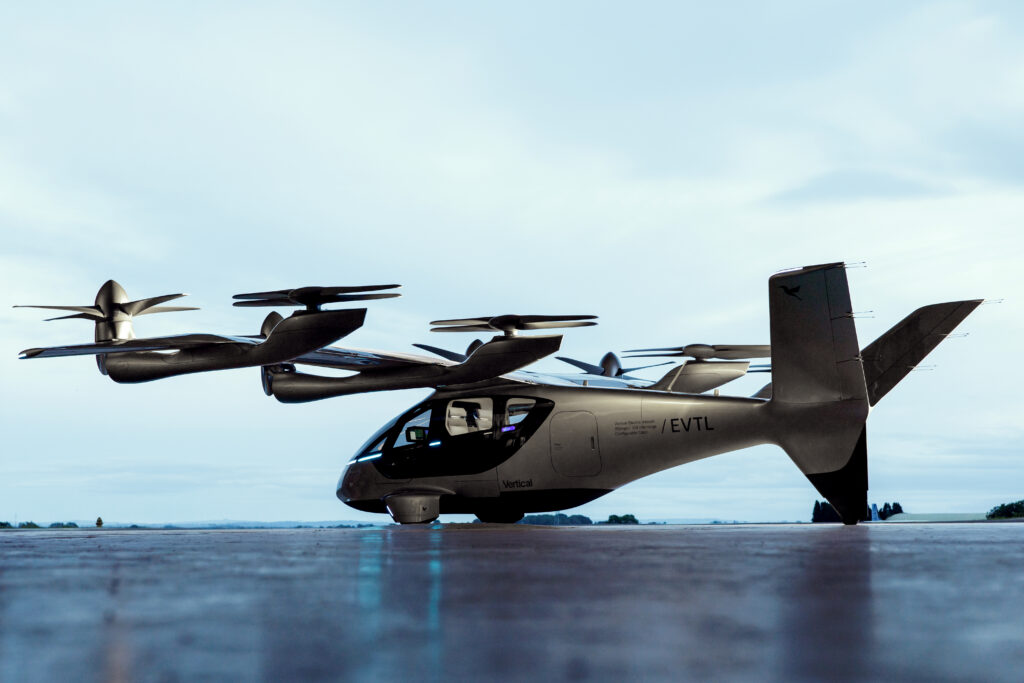
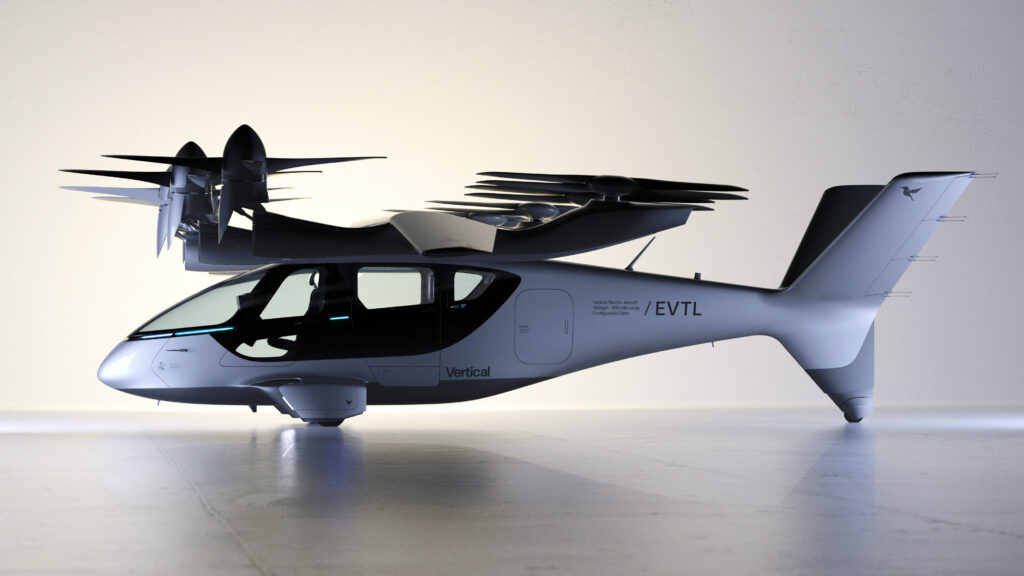
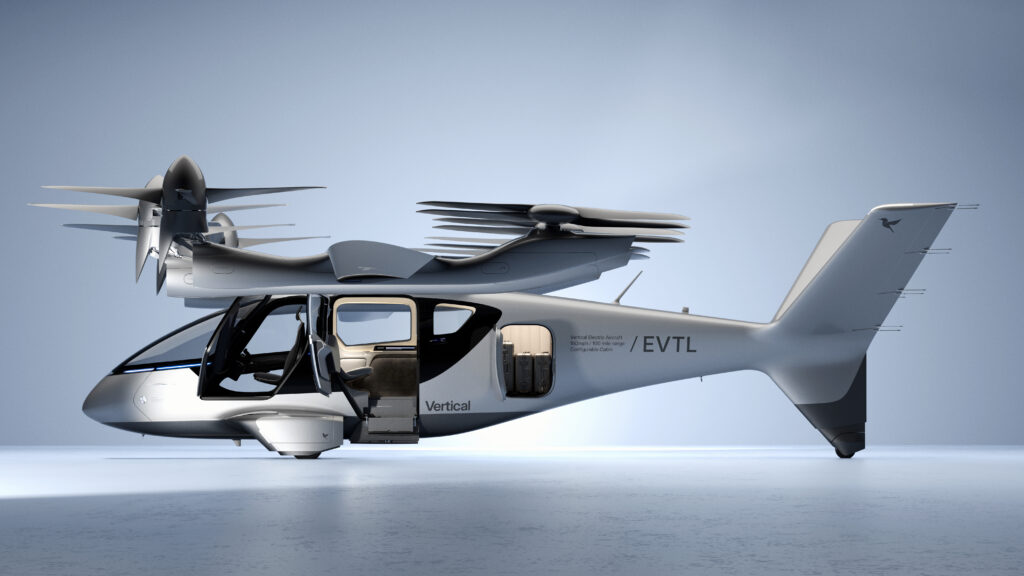
That’s the proposition behind Vertical Aerospace’s Valo, an electric aircraft designed to move passengers between airports, city centres, and other destinations without spending most of the journey stuck in traffic.
I spoke with Vertical Aerospace chief executive Stuart Simpson about the aircraft, its development, and the economics of commercial flight. His answers suggest the technology is getting closer. They also reveal why the business model matters as much as the engineering.
You may also like this video:
Flying Cars by 2030: What Has Actually Been Proven?
The first distinction is that Valo isn’t a car. It is an electric vertical takeoff and landing aircraft, usually shortened to eVTOL. It is designed to climb vertically using powered rotors before transitioning to efficient wing-supported forward flight.
That makes its operating characteristics different from those of an ordinary helicopter, although both can operate without conventional runways.
At Britain’s Farnborough International Airshow, Vertical demonstrated piloted flight technology underlying the Valo programme. The company has also completed two-way transitions between vertical and wing-supported flight during its testing.
That’s a genuine engineering achievement. It establishes important elements of aircraft control and aerodynamic performance, but it does not demonstrate that the finished passenger aircraft is already approved for airline-style operations.
The Federal Aviation Administration’s advanced air mobility guidance explains how regulators distinguish these new powered-lift aircraft from conventional airplanes and helicopters.
For passengers, the distinction is simple. This is real aircraft technology undergoing development, not a flying taxi service already accepting ordinary bookings.
You may also enjoy: Hyundai vs Tesla: Who Can Make Robots Useful?
The Most Interesting Number Isn’t Its Speed
Vehicle manufacturers love discussing maximum performance. Aviation companies can be just as enthusiastic about range, speed, and spectacular demonstrations.
What caught my attention during the interview was Simpson’s argument about cost.
“The cost per seat per mile is the same as an Uber Black or a London black cab. So this is designed to be mass transport in and around the cities of the world.”
That statement changes the conversation. It suggests Vertical wants to build a transportation business with the economics of premium ground travel, rather than another exclusive aviation experience.
But there is a significant qualification: cost per seat-mile is not the same as the fare on your ticket.
An operator must pay for pilots, maintenance, insurance, charging, ground staff, facilities, and aircraft financing. There will also be questions about how frequently each aircraft flies and how many seats are occupied.
A vehicle with attractive operating economics can still be expensive for its customers, particularly when a service is new and capacity is limited.
My advice is to treat the Uber Black comparison as a commercial ambition until an operator publishes actual routes and passenger fares. Vertical has not established that every customer will pay the same amount as a premium car journey.
Why 100 Miles of Range Might Be Enough
Valo is targeting approximately 100 miles on a full battery, but Simpson described more typical operations of around 60 to 70 miles.
That sounds modest if you’re accustomed to comparing electric SUVs promising 300 miles or more. The important difference is the mission.
A flying taxi is not designed to replace a family car on a cross-country holiday. Its strongest potential application is a journey where the direct aerial route avoids a disproportionate amount of road congestion.
The FAA’s vertiport guidance identifies the specialized facilities that may support these operations. Early services could also use modified existing aviation infrastructure.
Range claims also require careful interpretation. Weather, reserves, payload, route restrictions, and charging requirements can influence practical operations.
Electric vehicle shoppers already understand the difference between advertised battery range and real-world convenience. Our BMW EV survey analysis found that drivers frequently want more range than their everyday journeys require.
Aviation adds another level of scrutiny because aircraft must meet regulated operating and safety requirements.
Vertical is developing a hybrid-electric variant for longer-range applications, but it should be considered a separate development proposition rather than evidence that the current all-electric aircraft can fly farther than its stated target.
When Will You Actually Be Able to Book One?
Simpson laid out a schedule during our interview that anticipates certification aircraft flying in early 2028, aircraft certification in 2029, and passenger operations in 2030.
That schedule is ambitious, and there are good reasons not to treat it as a guaranteed launch date.
Aircraft certification involves much more than proving that something can fly. Regulators must examine the underlying design, systems, performance, reliability, and compliance with applicable safety criteria.
The FAA has published specific powered-lift certification guidance, addressing how novel aircraft designs can demonstrate airworthiness.
Likewise, the agency’s powered-lift operating rules explain the qualifications required of professional pilots. A Valo passenger wouldn’t need to obtain a pilot’s licence, but the aircraft’s pilot certainly would.
Even with approved aircraft, operators will need suitable routes, staff, landing facilities, and regulatory permission to conduct services.
You may also enjoy: VW ID. Tiguan: Has Volkswagen Finally Listened?
The Real Obstacle Could Be on the Ground
Imagine booking a flight from an airport to downtown Los Angeles. The aircraft covers its route efficiently, but you spend considerable time reaching its departure point, waiting to board, and arranging transportation after landing.
That could still represent a major improvement over driving. It depends on the complete journey, not merely the time spent airborne.
The FAA’s airspace blueprint for air taxis anticipates early operations using existing aviation routes and facilities before larger networks develop.
Noise is another consideration. Quieter than a helicopter doesn’t necessarily mean quiet enough for every neighbourhood.
NASA has been studying advanced air mobility noise, including how people perceive aircraft sounds in different operating environments.
Those issues matter because a transport system cannot deliver broad benefits if its landing locations are too inconvenient or communities refuse to accommodate them.
For consumers, the most valuable service may not be the one with the most advanced aircraft. It may be the operator that gets passengers reliably from one useful location to another.
You may also enjoy: 2027 BMW iX3 M60: Is 603 HP Worth the Upgrade?

What the Airline Orders Really Mean
Vertical reports approximately 1,500 conditional pre-orders, including arrangements associated with American Airlines.
American’s agreement concerns up to 250 aircraft with options for another 100, rather than 350 completed purchases.
That’s a meaningful indication of commercial interest, but it isn’t the same as an established fleet delivering passenger service.
Production and certification still have to succeed, agreements must reach their required contractual stages, and aircraft must enter service with operators.
This is where Vertical’s approach becomes especially interesting. The company is pursuing the development of a new aircraft alongside the larger infrastructure and commercial ecosystem needed to operate it.
We’ve seen similar questions in the electric car market. Hardware can arrive before the supporting network is sufficiently convenient. Our coverage of electric vehicle buyer expectations explains why convenience can be as important as an impressive technical specification.
OEDRO Floor Mat Offer
For the journeys you still make on the ground: If you’re looking for all-weather floor mats for your vehicle, Shop OEDRO directly or Shop OEDRO on Amazon. Use code NIKM20 at the OEDRO official store. Check vehicle fitment and applicable offer terms before purchasing. Disclosure: Test Miles may earn a commission from purchases made through these affiliate links.
Would I Trade My Lexus for a Flying Taxi?
Not completely. A car remains useful because it leaves when I want, takes me directly to my destination, and carries the things I need for the day.
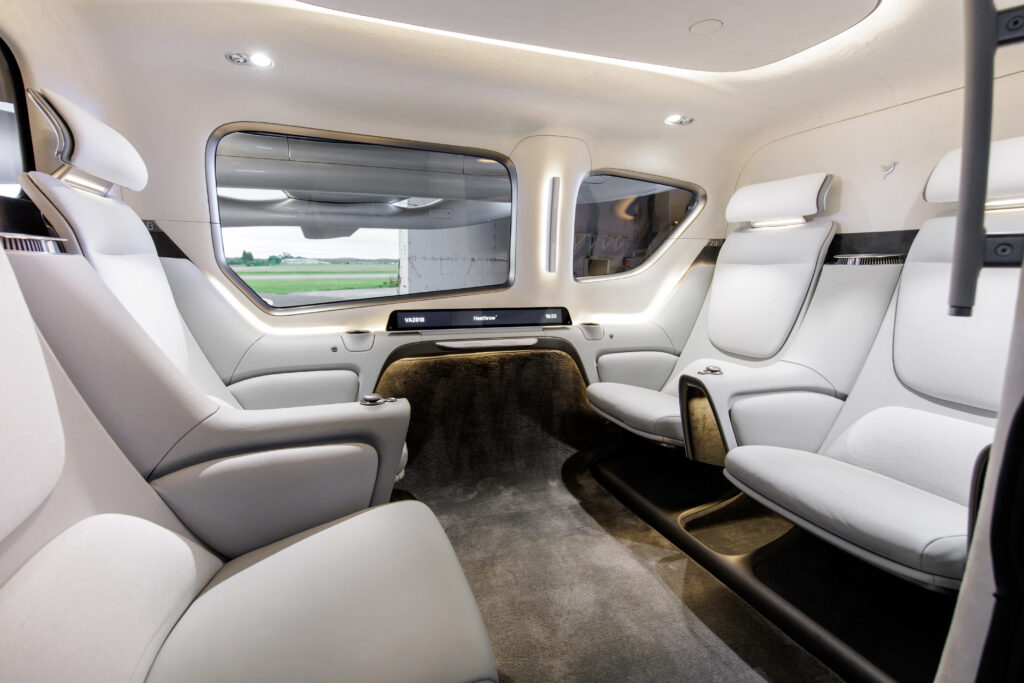
However, I can see the appeal of an electric aircraft that takes four passengers across a congested metropolitan area without making them sit on a freeway.
Vertical has shown that its approach to flight deserves serious attention. Simpson has also made an unusually interesting claim about the potential economics.
The deciding factors now are certification, the full door-to-door experience, and what customers will actually pay.
For now, I’m keeping the Lexus. But if a future trip to Los Angeles gives me the choice between another long drive through traffic and an affordable flight over it, I’ll certainly be looking at the timetable.