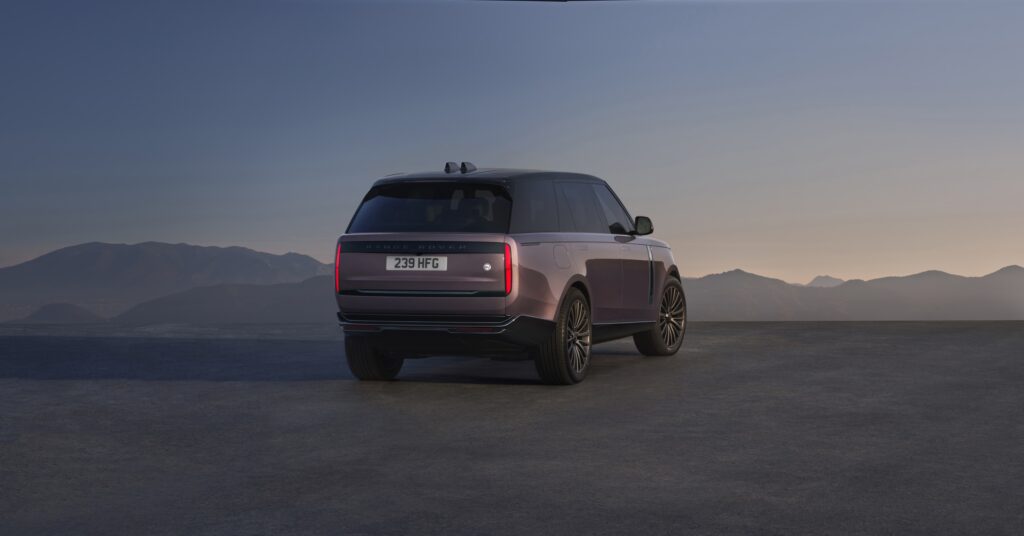
Range Rover Electric On-Road: The Luxury of Doing Less
Range Rover Electric on-road driving delivers an interesting reversal of priorities. This enormous luxury SUV can reach 60 mph in a claimed 4.3 seconds.
We’re in the Scottish Highlands, where the roads twist between magnificent scenery and weather that appears to operate without adult supervision. It is an appropriate place to examine whether the first fully electric Range Rover can preserve the brand’s character while changing almost everything about its propulsion.
Our earlier Scottish story explored what happens when the pavement disappears. This drive concerns the journeys owners will make far more frequently: commuting, collecting passengers, negotiating traffic and heading away for a weekend with rather more luggage than anyone originally admitted bringing.
The engineering matters because electric power alone does not make a vehicle luxurious. It makes it electric. The luxury comes from how successfully everything works together.
You may also enjoy: Range Rover Electric Off-Road: Scotland’s Ultimate Test
You may also Enjoy this Video:
Range Rover Electric On-Road: Power Without the Performance
Range Rover’s U.S. launch specifications list up to 542 horsepower from two electric motors, with one serving each axle. The company claims acceleration from 50 to 75 mph in as little as 2.7 seconds, alongside that 4.3-second run to 60 mph. These are manufacturer figures for the relevant performance specification, rather than times I independently measured in Scotland.
There is clearly enough performance available. What interests me more is how electric propulsion changes the process of accessing it.
A conventional automatic transmission may need to select a lower gear before an engine delivers its strongest response. Here, there is no comparable sequence of gear changes. The motors can respond promptly, giving the driver a substantial reserve for joining traffic or passing where conditions and speed limits allow.
The Department of Energy’s explanation of how electric vehicles work describes the basic arrangement: a traction battery supplies electricity to the motor that moves the vehicle. In a luxury SUV, that technology offers a particularly useful opportunity to make acceleration feel smooth and uncomplicated.
Passengers do not necessarily want a demonstration every time the road becomes straight. Sometimes they simply want to arrive with their coffee still inside the cup.
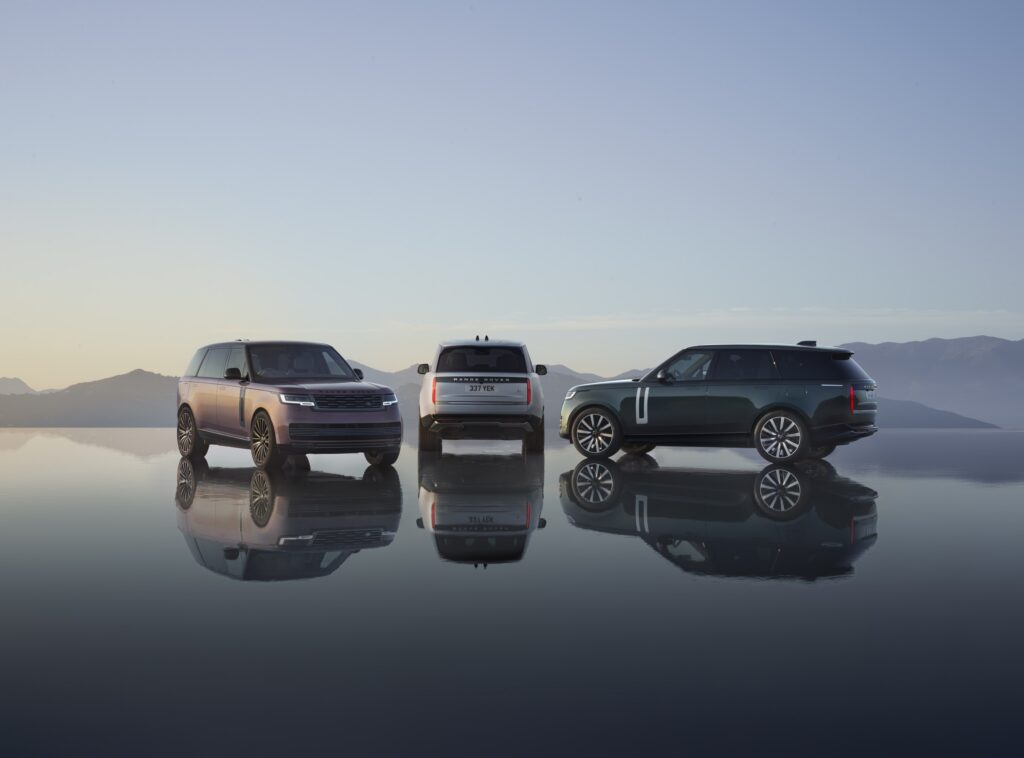
Quietness Changes What You Notice
Removing the combustion engine takes away a familiar source of noise and vibration. It also removes something that previously helped disguise everything else.
Wind around the body, tire noise and the impact of a damaged road surface become easier to notice when an engine is no longer contributing to the conversation. That makes the work of the suspension engineers and the people responsible for cabin insulation more important.
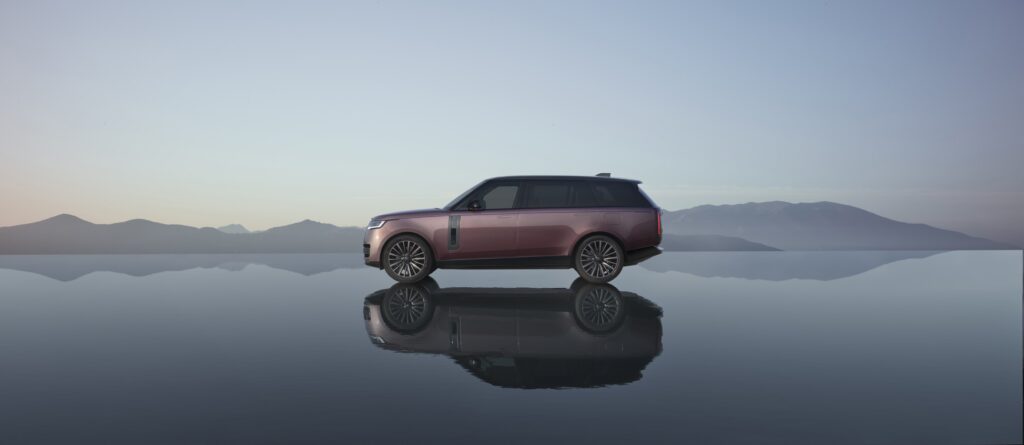
The Range Rover Electric combines a low-mounted battery with switchable twin-chamber air suspension. The battery’s position lowers the center of gravity, while the suspension is designed to manage body movement without sacrificing the comfortable ride buyers expect.
Scotland’s narrow, winding roads give those priorities a useful setting. The revealing questions concern how a vehicle settles after a bump, how naturally it changes direction and whether passengers are continually reminded of what the road is doing underneath them.
Those qualities matter throughout a journey. An acceleration figure describes only a few seconds of it.
For families carrying sleeping children, or anyone travelling with a nervous dog, reducing unnecessary noise and movement has value beyond luxury-car marketing. I spend enough time transporting dogs to care considerably more about a settled passenger compartment than an animated dashboard greeting.
You may also enjoy: Range Rover Sport Electric Puts Handling Before Hype
The Clever Part Happens When You Lift Off
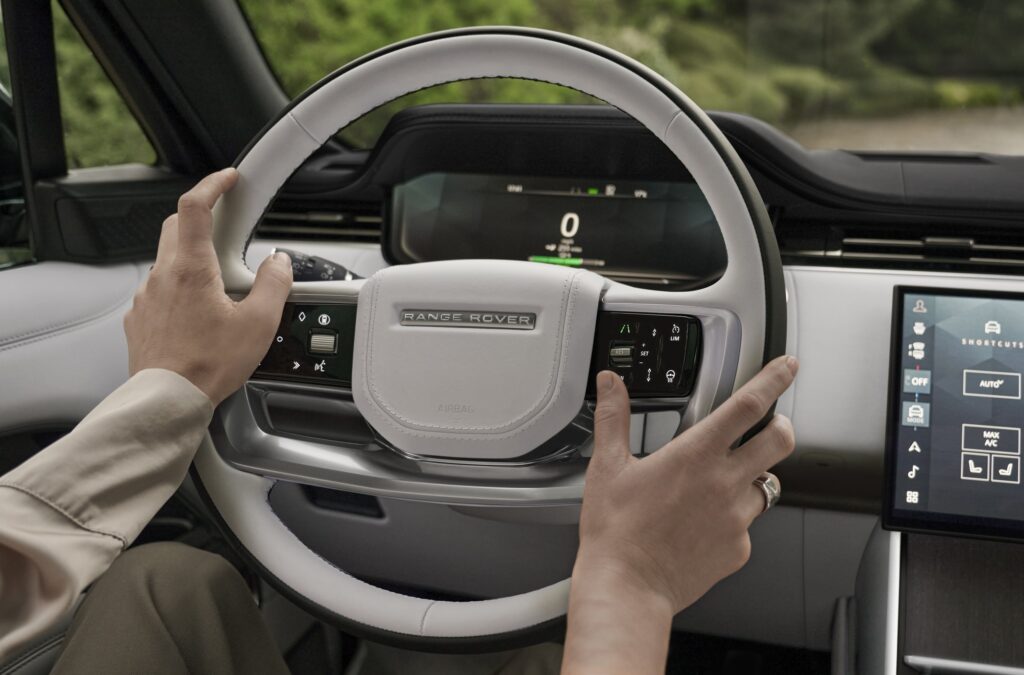
Single-pedal driving is one of the most meaningful changes to the Range Rover Electric on-road experience. Lift off the accelerator and the motors help slow the SUV while recovering some energy for the battery.
This is regenerative braking. The federal guide to electric propulsion and energy recovery explains how it captures some of the energy that would otherwise be lost during slowing.
Range Rover says its system can bring the vehicle to a complete stop and engage its holding function. In slow traffic, that can reduce the repeated movement between accelerator and brake that makes a crowded journey feel like a particularly dull exercise class.
The brake pedal remains essential whenever circumstances require it. Drivers also need time to become familiar with the response. Single-pedal operation changes how deceleration is requested; it does not take over the job of judging traffic or stopping safely.
NHTSA’s explanation of driver assistance technologies makes the broader distinction clear: systems that support driving do not automatically make a vehicle self-driving.
Scotland Provides the Weather, America Provides the Questions
For American buyers, the next question is how comfortably this electric Range Rover fits around real distances and unpredictable weather.
JLR publishes up to 333 miles for the U.S. model. Its U.S. launch announcement labels that EPA range and explains that the figures come from JLR testing under U.S. legislation. It is a manufacturer-published estimate, rather than a promise for every route, temperature or vehicle configuration.
The battery has 118.5 kilowatt-hours of usable capacity. Think of that as the amount of stored electrical energy available, rather than the speed at which it charges. The Department of Energy’s battery technology guide explains the distinction.
Highway speed, hills, passengers and heating all influence consumption. A useful range display needs to account for changing conditions and present the result clearly. Owners should not need to excavate three menus to discover whether they can reach their destination.
Winter deserves particular attention. Federal guidance on cold-weather efficiency explains how low temperatures and cabin heating can reduce electric driving range.
Range Rover’s answer includes ThermAssist, a system designed to manage and recover heat. The manufacturer claims up to a 40 percent reduction in heating energy consumption and up to 25 miles of preserved range under suitable conditions. That concerns heating demands, not a universal 40 percent improvement in the vehicle’s overall efficiency.
For someone driving through a Michigan winter, that distinction is more useful than a photograph of the vehicle parked beside an attractive glacier.
The Best Charging Stop May Be the One at Home
The Range Rover Electric uses an 800-volt electrical architecture. At a suitable 350-kilowatt DC charger, the company estimates a charge from 10 to 80 percent in approximately 22 minutes. It also claims up to 125 miles of estimated range added in 10 minutes under ideal conditions.
Those figures describe favorable charging circumstances. Battery temperature, starting charge level and the capabilities of the equipment all affect the result. The number printed on a charging station does not guarantee that a vehicle will accept that much power throughout its visit.
The Department of Energy explains the differences between charging equipment and power levels, while its station locator can help identify locations along a route.
North American models have built-in NACS compatibility and access to compatible Tesla Superchargers, according to Range Rover. That broadens the charging options, although owners still need to confirm a particular station’s compatibility, availability and pricing.
For ordinary daily use, the quieter achievement may happen while the owner is asleep. The Range Rover App lets drivers check charge and predicted range, schedule plugged-in charging and activate functions including cabin purification or steering-wheel heating.
Where a utility offers cheaper overnight electricity, scheduling can help manage costs. The federal guide to home charging explains the installation considerations. The convenience depends on having suitable equipment where the vehicle normally parks.
You may also enjoy: The Real Key to EV Adoption Is Home Charging
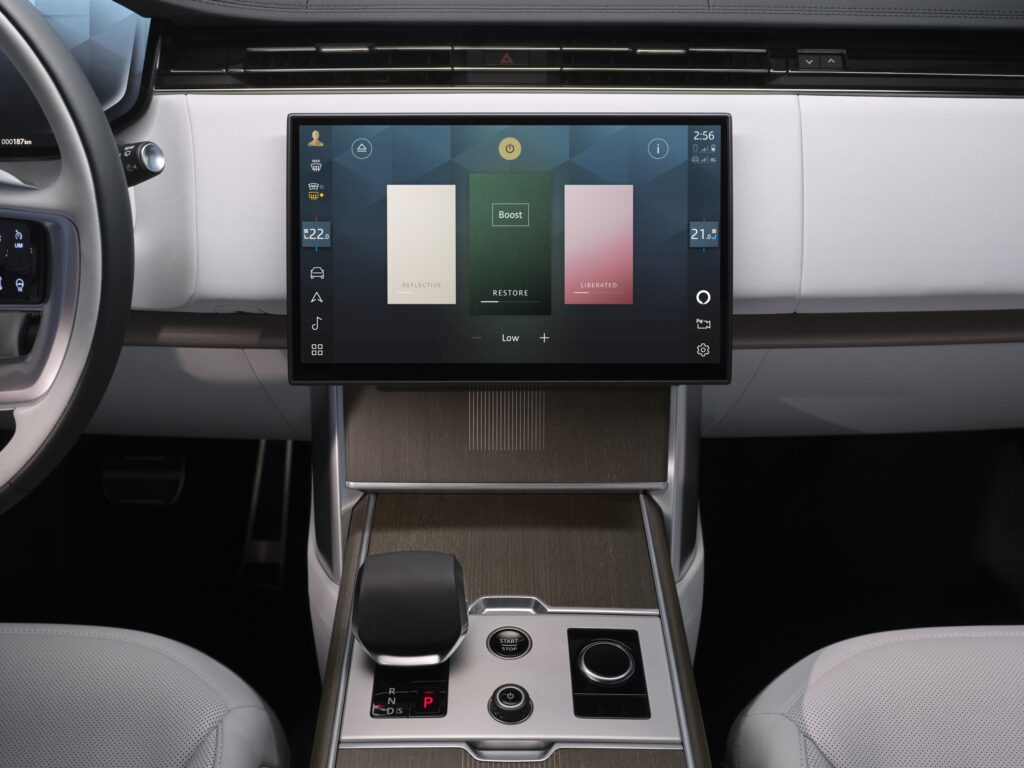
A Labrador Remains an Excellent Reality Check
Eventually, every impressive luxury vehicle meets a less glamorous assessment: whether it accommodates the people, luggage and animals that actually travel in it.
I would want to establish how a properly secured dog crate fits, where the charging cables live and what remains visible through the rear window once everything is loaded. My Labrador tends to regard the cargo area as his personal property, but even he cannot negotiate extra space into existence.
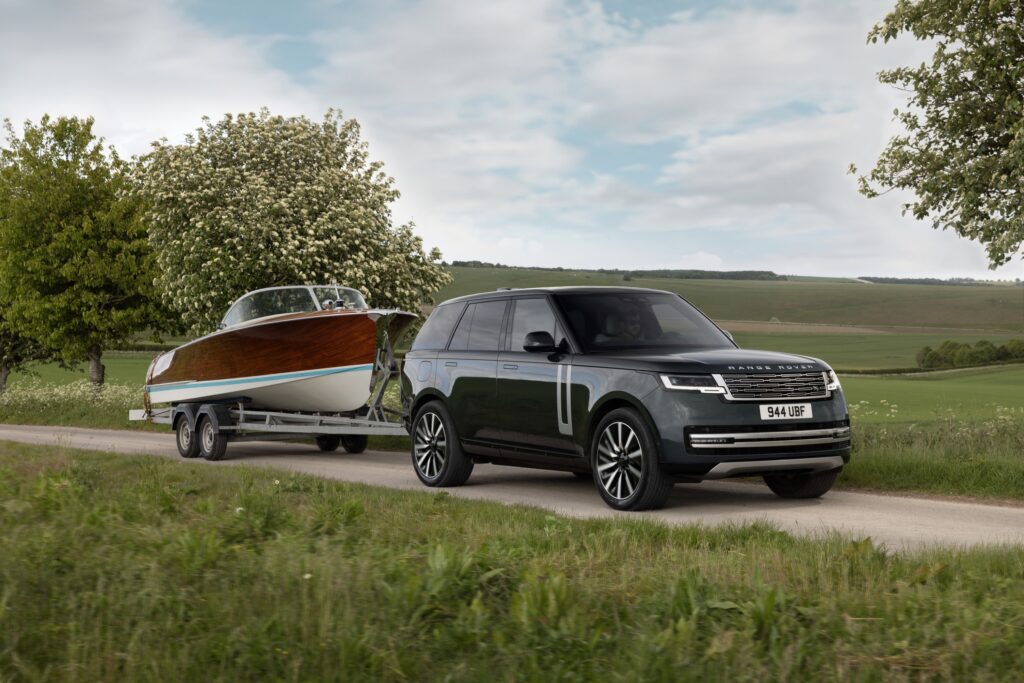
Range Rover’s U.S. electric-model information lists towing of up to 5,511 pounds, subject to configuration and its stated conditions. Anyone planning to tow should confirm the exact vehicle’s limits and account for the additional energy demands when planning charging stops.
Rear passengers deserve the same attention. A comfortable seat in a showroom is a useful beginning; comfort with the front seats correctly positioned and the vehicle travelling over ordinary pavement is the more relevant test.
You may also enjoy: Cadillac Vistiq: The Electric Three-Row That Actually Works
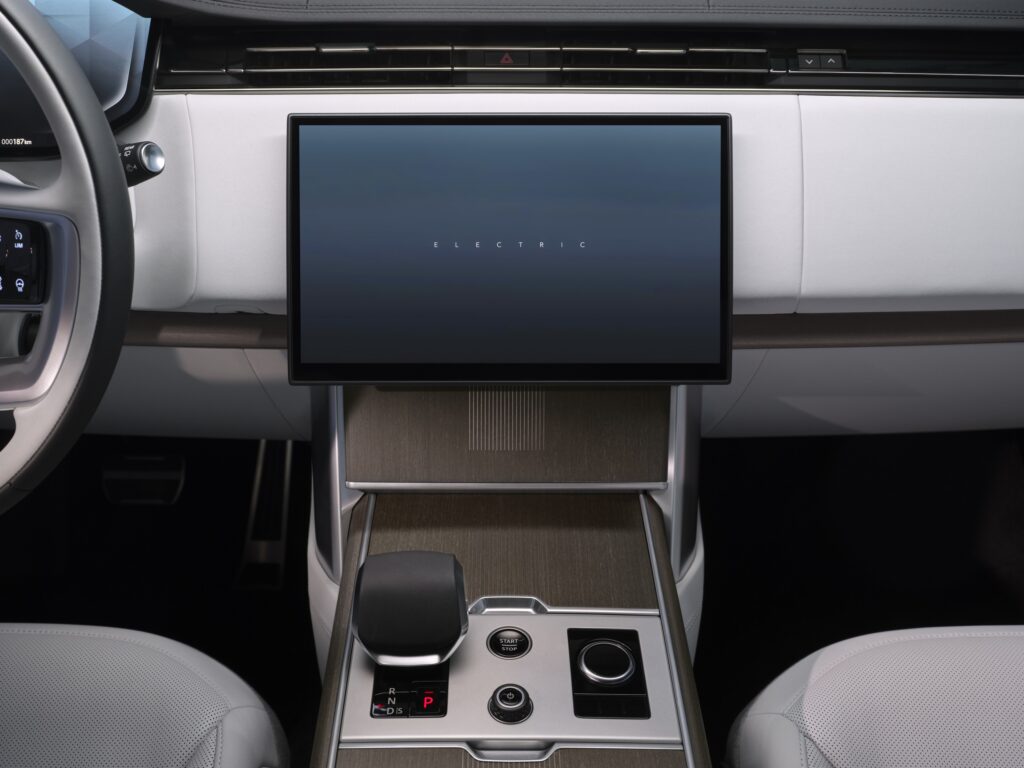
At This Price, Effortless Must Extend Beyond the Drive
The announced U.S. base MSRP is $138,000. Adding the published $2,450 destination charge produces $140,450 before options, taxes and retailer fees. Range Rover announced U.S. orders on September 2, 2026; an individual delivery date still needs to come from the retailer handling the order.
That price demands scrutiny of ownership as well as engineering. The U.S. battery warranty runs for eight years or 100,000 miles, whichever comes first, subject to terms and exclusions. Buyers should obtain the actual booklet to establish the full scope of propulsion coverage.
Range Rover also describes a Battery Digital Twin monitoring more than 900 diagnostic data points to support servicing. Remote software updates provide another tool, subject to applicable requirements. These systems may help identify or address issues, but they do not establish long-term reliability on their own.
The Department of Energy explains the broader differences in electric-vehicle maintenance, and NHTSA provides guidance on battery and charging safety. Tires, insurance and repair support remain part of the ownership calculation.
NHTSA’s tire guidance and the federal vehicle cost calculator offer useful background. Electric propulsion also eliminates tailpipe emissions, although the EPA explains that electricity generation and battery manufacturing remain part of the environmental picture.
You may also enjoy: Cost of Car Ownership: What Your Payment Hides
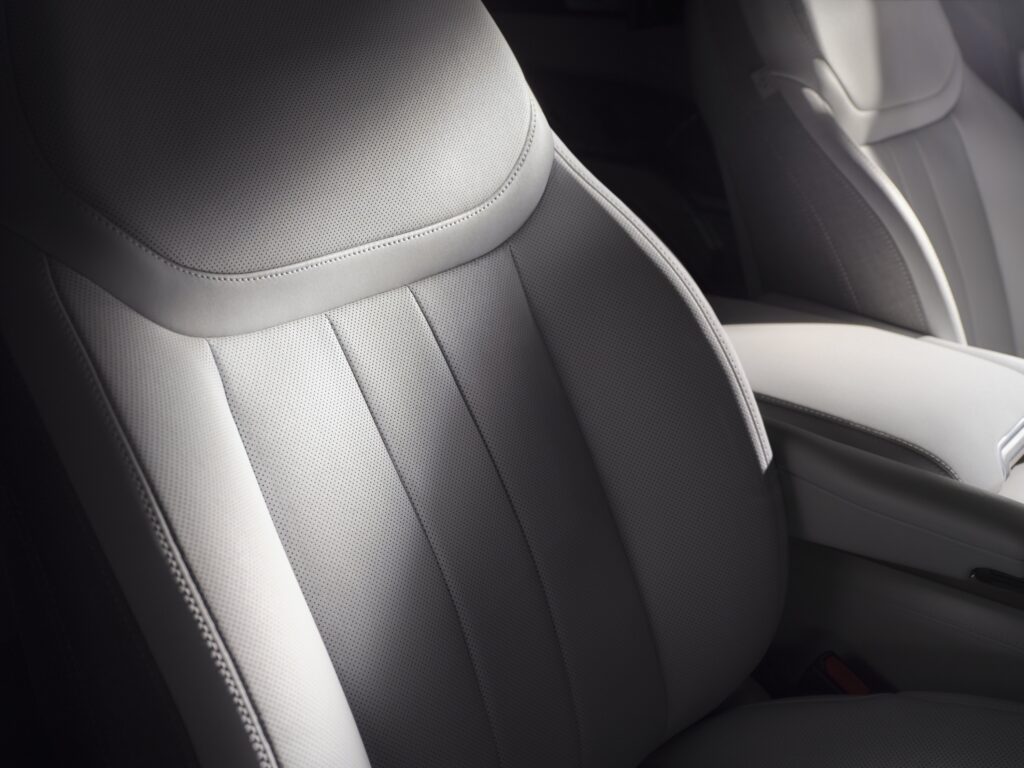
My Range Rover Electric On-Road Verdict
The BMW iX, Tesla Model X and Cadillac Escalade IQ give luxury buyers different approaches to electric travel. Range Rover’s particular attraction is the opportunity to preserve its established character while making propulsion quieter and more immediately responsive.
That is a persuasive direction. The strongest argument for the Range Rover Electric on-road is the combination of available performance, controlled deceleration, sophisticated suspension and technology intended to reduce the owner’s workload.
I would shortlist it for someone who values the Range Rover experience, has dependable charging and can comfortably absorb the price. I would still want an extended assessment of American highway efficiency, charging consistency and long-term ownership before treating the engineering promises as settled conclusions.
What makes the idea compelling is that electric propulsion fits the brief. A luxury vehicle should make a journey easier on its occupants. If the cleverest machinery allows them to think about it less, it has done something rather more valuable than win another traffic-light contest.