The Real Key to EV Adoption Is Home Charging
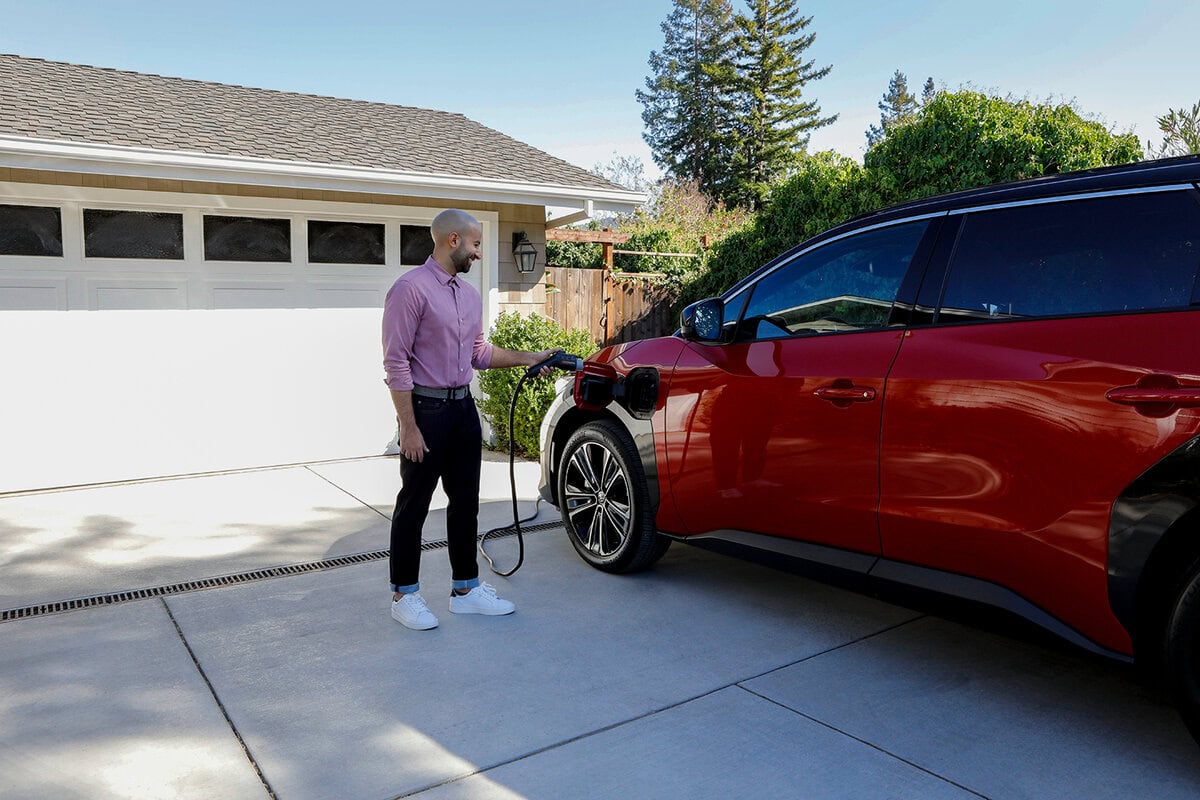
The real key to EV adoption is home charging, making electric cars easier, cheaper and more convenient to own every day.
Electric cars are usually sold with numbers. Range, battery size, charging speed and horsepower dominate the conversation, while the ownership detail that matters most is often treated like an accessory. After spending time with a Volkswagen ID. Buzz and a Ford Mustang Mach-E GT Performance Edition, I came away convinced that the most important EV question is not how quickly the vehicle accelerates or how far it can travel on a perfect day. It is much simpler: can you plug it in where you normally park?
That question changes nearly everything. A driver who can charge overnight may wake up each morning with more than enough energy for the day, without making a separate stop or reorganizing a schedule. A driver who cannot charge at home may need to plan around public stations, availability and pricing. The vehicles may be identical, but the ownership experiences can feel like two different technologies.
For the video that prompted this article, ChargePoint supplied a home charger for installation. The company did not control the editorial conclusions. Those conclusions are less about one charger or one vehicle than about the infrastructure sitting quietly beside the driveway.
The Garage Is the Real Fuel Station
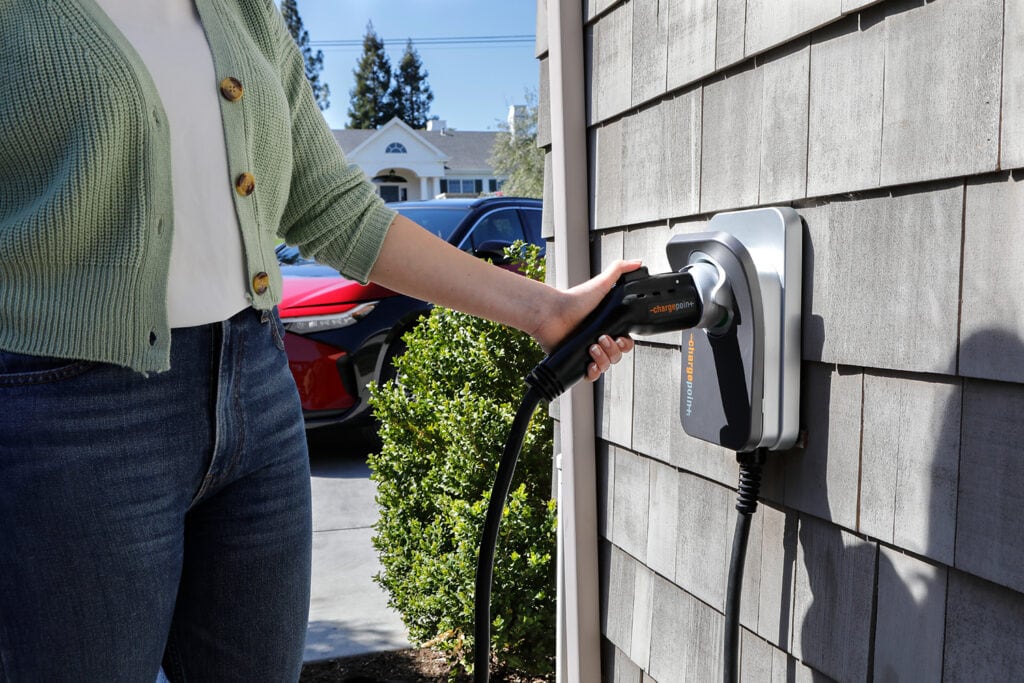
The U.S. Department of Energy says about 80 percent of EV charging happens at home. That figure explains why the public discussion can feel disconnected from the way many electric vehicles are actually used. Public fast chargers are visible, expensive and easy to photograph. Home charging is a cable attached to a wall, usually doing its work while everyone is asleep.
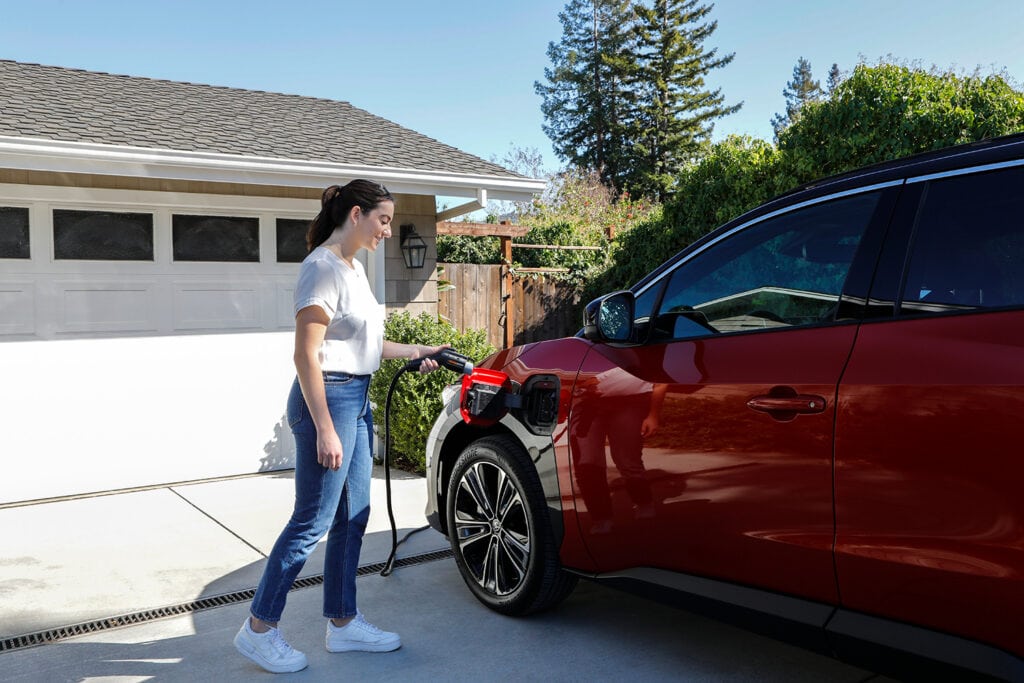
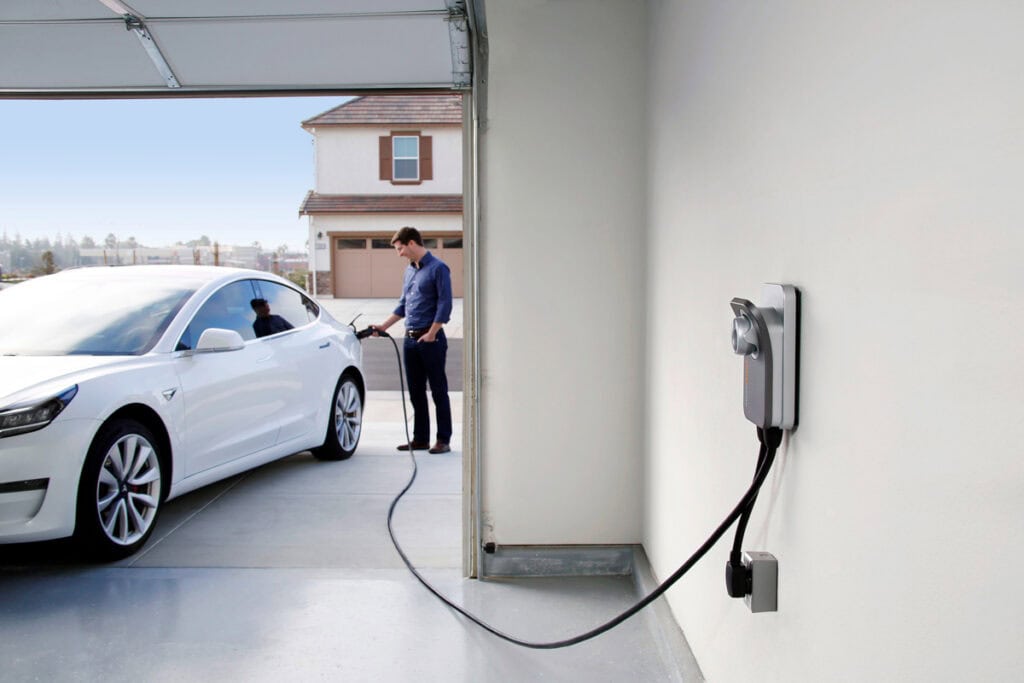
Gasoline ownership trained drivers to think in dedicated fueling trips. You wait until the tank is low, visit a station and buy enough fuel to continue. Home EV charging reverses that routine. The vehicle is already parked for hours, so electricity comes to the car instead of the driver taking the car to its energy source.
The goal is not necessarily to recharge a nearly empty battery every night. Most drivers are simply replacing the miles they used that day. Once that idea clicks, the giant-battery anxiety begins to shrink because daily life rarely requires recovering the vehicle’s entire advertised range.
You may also enjoy: EV Discounts Are Getting Hard To Ignore
Most Drivers Need Less Charging Than They Think
Federal Highway Administration data for 2024 shows the average light-duty vehicle traveled 10,787 miles during the year. Spread across 365 days, that is about 30 miles a day. Individual driving patterns vary enormously, but the national average is a useful reminder that most vehicles spend far more time parked than moving.
The Department of Energy estimates that a typical Level 2 charger can add about 25 miles of range in an hour, although the actual rate depends on the vehicle, charger, electrical circuit and conditions. At that general pace, a little more than an hour can replace an average day’s driving. Even Level 1 charging from a standard household outlet can add roughly five miles an hour, enough to recover around 40 miles during an eight-hour night in the right circumstances.
This does not mean every household can rely on a basic outlet. Larger batteries, long commutes, cold weather and irregular schedules can make Level 2 equipment far more useful. The point is that many shoppers imagine they must refill hundreds of miles every night when their real requirement may be a fraction of that.
Performance Does Not Change the Routine
The Mustang Mach-E GT Performance Edition makes roughly 480 horsepower, which is an excellent way to turn a practical transportation discussion into a conversation about acceleration. The Volkswagen ID. Buzz approaches electric driving from the opposite direction, wrapping the technology in a spacious, nostalgic family van. One makes speed entertaining; the other makes the school run look considerably more cheerful.
Yet both vehicles depend on the same mundane question. Where will they charge while parked? Horsepower does not require a special public station, and a large family vehicle does not automatically need to spend every evening attached to a fast charger. If the car can replenish its normal daily use overnight, performance and packaging become separate buying decisions rather than charging problems.
That is why home charging may matter more to adoption than another small increase in battery range. Range is reassuring, particularly for road trips, but convenience determines whether the technology feels easy on an ordinary Tuesday. Mainstream buyers do not want transportation to become a hobby unless they have specifically chosen a hobby car.
You may also enjoy: 2026 Mustang Mach-E Frunk Becomes $495 Option – Should You Pay?
Public Fast Charging Still Matters
None of this makes public charging unimportant. DC fast charging is essential for long-distance travel, commercial use, drivers without residential charging and anyone who needs to recover substantial range quickly. The Department of Energy says a fast charger can add roughly 100 to more than 200 miles in 30 minutes, depending on the vehicle and equipment.
The problem comes when public fast charging is treated as the entire EV experience. For a driver with dependable home charging, a fast charger may function more like an airport than a neighborhood gas station: essential for certain journeys, but not part of the daily routine. For a driver without home charging, that same network becomes the primary energy system, and every failure, queue or pricing surprise matters much more.
Public infrastructure therefore has two jobs. It must support road trips and provide a credible alternative for people who cannot charge where they live. A charger near an apartment, workplace, grocery store or curb may be less powerful than a highway fast charger but more useful because it matches the hours a vehicle is already stationary.
You may also enjoy: GMC Sierra EV Proves Utility Beats Hype
The Housing Divide Is Now an EV Divide
The Census Bureau reports that 65.2 percent of U.S. housing units were owner-occupied during the 2020–2024 period. That leaves roughly one-third outside the owner-occupied category. Renting does not automatically prevent EV ownership, and homeownership does not guarantee a private garage, but the difference in control is significant.
A homeowner may be able to call an electrician, add a circuit and install charging equipment. A renter may need approval from a landlord, cooperation from a property manager, an assigned parking space and a method for billing electricity. Older apartment buildings may also face limited electrical capacity, trenching costs and parking layouts designed decades before anyone considered vehicle charging.
This is why electric mobility is becoming a housing and building-policy issue. The easiest EV ownership experience is often available to the person who controls a parking space and the electricity serving it. Without broader access, EV incentives can disproportionately benefit households that already have the simplest path to installation.
You may also enjoy: Volkswagen’s American Reinvention Is Taking Shape
Home Charging Changes Cost and Stress
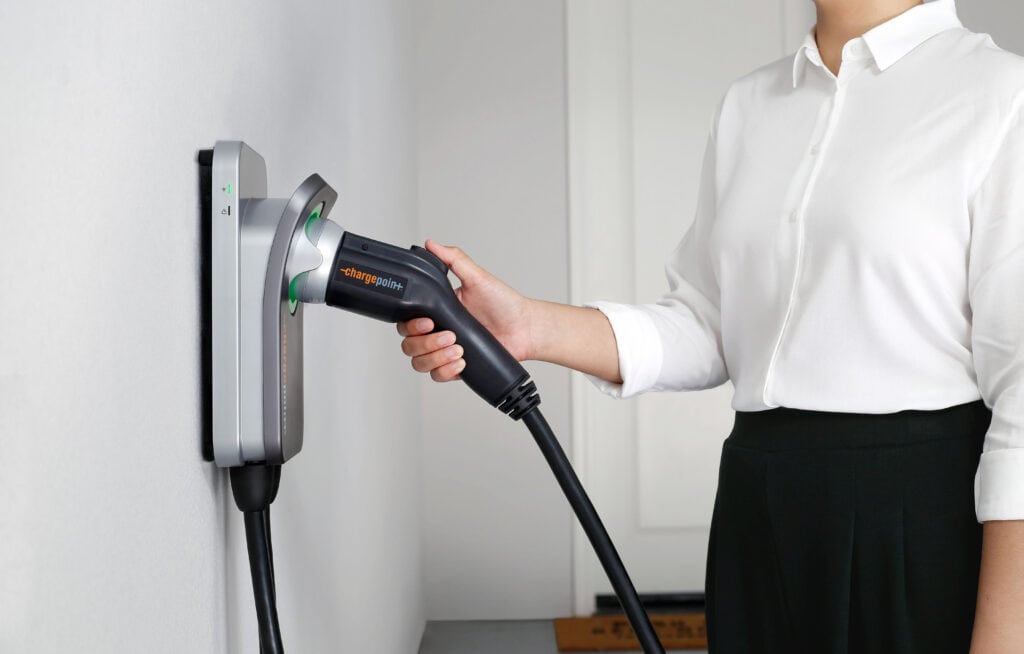
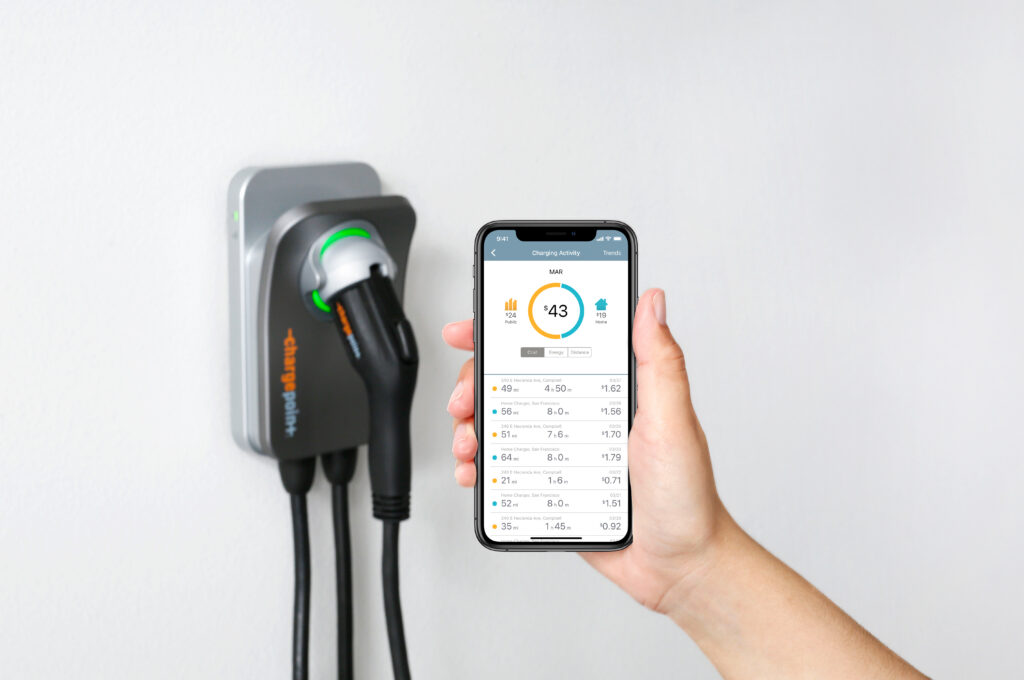
Charging at home can lower operating costs, particularly when a utility offers reduced off-peak rates. The Environmental Protection Agency explains that smart charging equipment can schedule charging for lower off-peak electricity rates, track energy use and manage power alongside other household loads. The driver plugs in, sets a schedule and lets the system handle the unglamorous details. Gas stations may take this personally.
The savings are not automatic. Electricity prices vary, and installation costs can be substantial when a panel upgrade or long cable run is required. A prospective owner should compare local electricity rates, public charging prices, gasoline costs and installation expenses rather than accepting a universal savings claim.
The time benefit is easier to understand. A home-charging driver usually spends a few seconds connecting the cable and then walks away. There is no dedicated fueling trip and no need to search for a functioning charger during an ordinary commute. Convenience is not a technical specification, but it is one of the strongest reasons technology becomes habitual.
You may also enjoy: Why the 2026 Lexus ES Could Make Luxury EVs Normal

EXTERIOR: velvet brown metallic | INTERIOR: nappa leather ivory beige;Mercedes-Benz VLE 300 electric | combined energy consumption: 20.7-18.4 kWh/100 km | combined CO₂ emissions: 0 g/km | CO₂ class: A*
The Next Network Should Follow Parked Cars
The most useful charging strategy begins with dwell time. Cars sit overnight at homes, for hours at workplaces and for meaningful periods at shopping centers, hotels, airports and community facilities. Those locations can often use Level 2 charging rather than relying exclusively on expensive high-power equipment.
Apartment owners can install shared chargers with load management, which distributes available electrical capacity among several vehicles. Cities can add curbside charging where street parking is common. The Department of Energy’s guidance on workplace charging explains how employers can improve the convenience and affordability of driving electric for workers, including those who lack a residential option.
New construction can include conduit, panel capacity and EV-ready parking before later installation becomes far more expensive. Public policy should also distinguish between “charger installed” and “charging experience delivered.” A station that is blocked, broken, difficult to activate or priced unpredictably does not create confidence, regardless of how impressive it looks on an infrastructure map.
You may also enjoy: Operation Frodo EV Is the Quiet Rescue Story America Needs
What Buyers Should Ask Before Buying
The first question should be where the vehicle will sleep. Is there a dedicated outlet or space for Level 2 equipment? Does the electrical panel have capacity? Will a landlord or homeowners association approve the installation? What utility rate is available, and can charging be scheduled overnight?
The second question is how the vehicle is actually used. A 25-mile commute, school trips and weekend errands create a different requirement from daily long-distance travel or frequent towing. Buyers should examine a normal week rather than planning around the longest trip they have taken in the past three years.
The third question is the backup plan. Where is the nearest dependable public charger? Does the vehicle support the connector and network most useful in the region? How often will road trips require fast charging, and what does charging cost along those routes? An EV purchase becomes easier to evaluate when charging is treated as part of the ownership plan rather than an afterthought.
Normal Is the Real Breakthrough
The electric-vehicle industry celebrates breakthroughs in battery chemistry, motor efficiency and charging power. Those advances matter, but the decisive breakthrough for many consumers may be less glamorous: electricity reaching the place where the car is already parked.
When that happens, an EV stops asking for regular attention. It charges while the owner sleeps, replaces the miles used the day before and begins the morning ready for another routine. The technology becomes less visible because it works in the background, which is usually what people want from household infrastructure.
The real key to EV adoption is not convincing every driver to become fascinated by kilowatts. It is making home EV charging simple, affordable and available to homeowners, renters, apartment residents and people who park on the street. When energy meets drivers where they live, electric cars stop feeling experimental. They start feeling normal, and normal is powerful.