The EV market has reached the part of the story where the slogans stop, and the spreadsheet comes out.
For years, EV shopping was built around big promises: zero tailpipe emissions, instant torque, futuristic cabins, and, for many buyers, a federal tax credit that helped soften the price. That last piece has changed. The federal clean vehicle credit is no longer available for vehicles acquired after September 30, 2025, unless a buyer meets the earlier contract and payment rules. So the discount did not disappear as much as move.
Now automakers and dealers are doing the work Washington used to do. They are cutting prices, subsidizing leases, offering low-interest loans, and putting real money into electric vehicles that still need help finding mainstream buyers.
You may also like: EV Sales Slow Down, Hybrids Surge: What that means for you
EV Prices Are Finally Moving Down
Kelley Blue Book data from Cox Automotive shows the average transaction price for a new EV fell to $54,532 in May 2026. That was down 4.0 percent from a year earlier, and May marked the 11th straight month of year-over-year EV price declines.
That matters because EVs are still not cheap. The average new vehicle in America was $49,220 in May, so electric cars still carry a premium. But the gap is getting easier to explain, especially when the incentives are this large.
EV incentives in May ran at about 14 percent of average transaction price, equal to roughly $7,600 per vehicle. The overall new-vehicle market was at 7.1 percent. In other words, EV incentives are nearly twice the industry average, which tells you exactly where automakers are feeling pressure.
You may also like: Why Hybrids Are Suddenly the Smarter Choice Over EVs in 2026
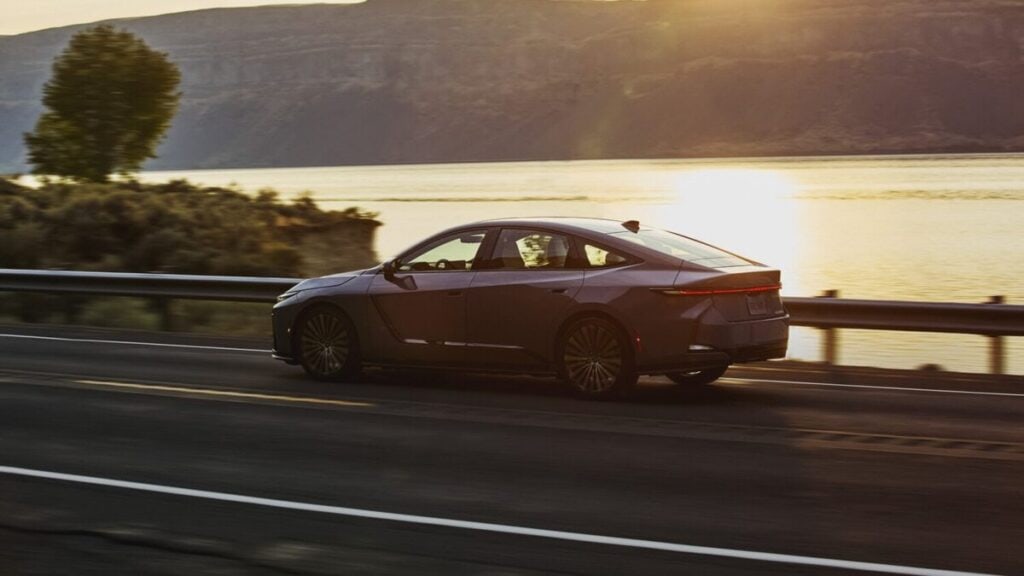
Sales Are Down, But Interest Is Not Dead
This is not an EV boom story. It is a reset story.
Cox Automotive says U.S. EV sales fell 27 percent year over year in the first quarter of 2026, to 216,399 vehicles. EVs held 5.8 percent of the new-vehicle market, well below the 10.6 percent peak from the third quarter of 2025.
That sounds brutal until you remember what happened right before it. Buyers rushed ahead of the federal credit deadline, then the market had to digest the hangover. Automakers also pulled back production plans, shifted money toward hybrids, and started looking more carefully at what shoppers would actually pay.
By May, EV sales topped 85,000 units, the best monthly result since federal credits were revoked at the end of the third quarter of 2025. That is not a full recovery, but it is proof that price still moves metal.
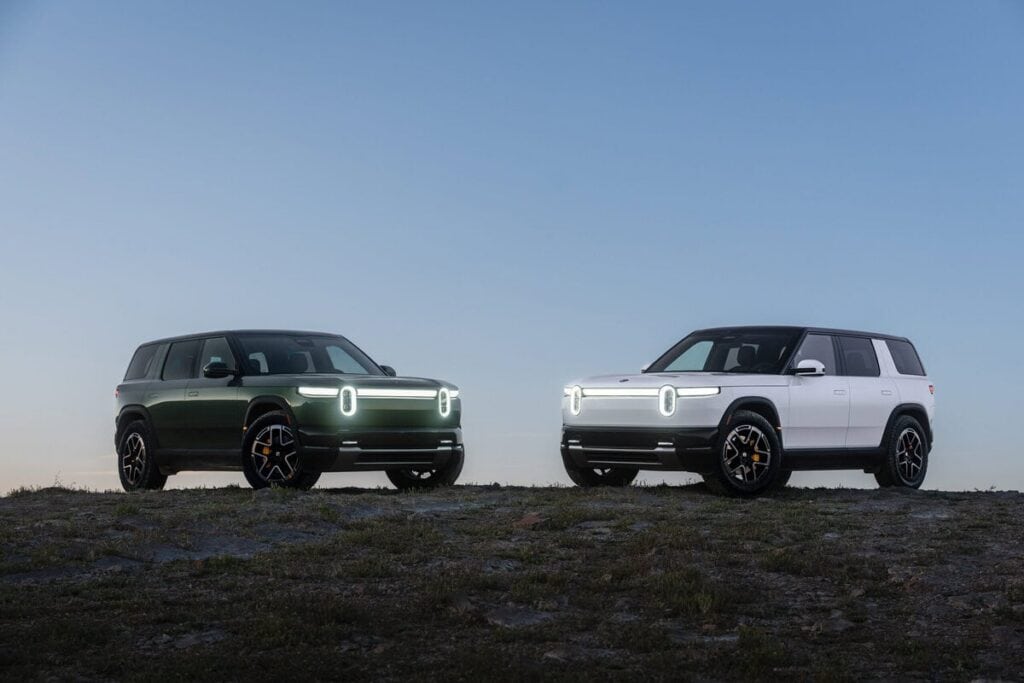
You may also like: Why the Rivian R2 Could Be America’s Next Big EV SUV
The Best EV Deal May Not Be A Rebate
The biggest mistake shoppers can make is looking only for cash on the hood. Some of the best EV deals right now are hidden inside financing and lease structures.
Current June deal trackers show 0 percent financing on several electric models, including the Hyundai IONIQ 5, Kia EV9, Toyota bZ, Hyundai IONIQ 9, Ford F-150 Lightning, and Subaru Solterra. Lease specials are also doing serious work, with some mainstream EVs landing closer to gas-car money than many buyers expect.
That does not mean every deal is a good one. A low payment can hide a short mileage allowance, a high residual, or a large due-at-signing amount. EV shoppers also need to know whether they can charge at home, how often they road-trip, and whether a local utility or state incentive changes the math.
You may also like: BYD’s Five-Minute EV Battery Charge Is Detroit’s Problem
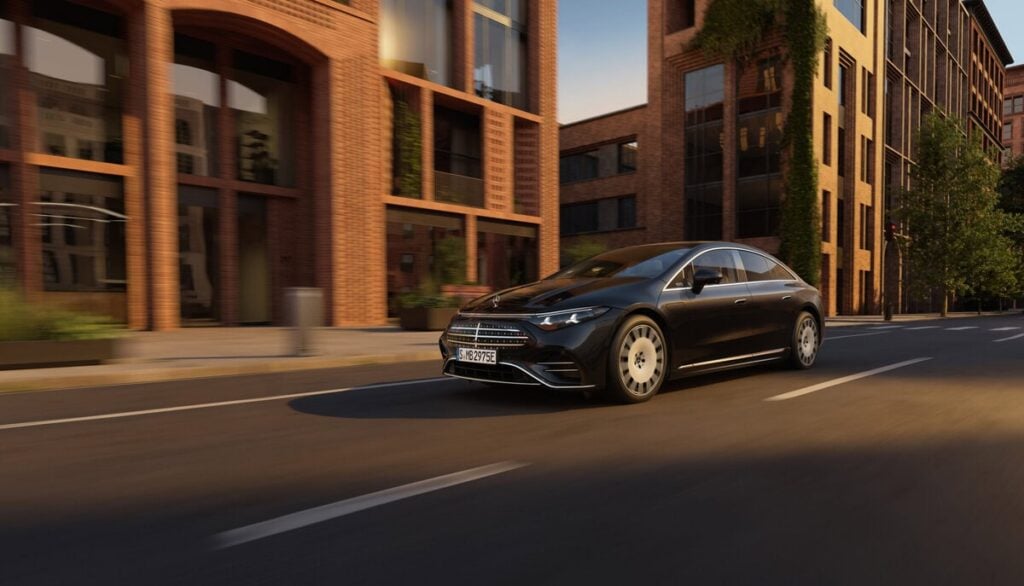
Lack: MANUFAKTUR black sparkling
Innen: Exclusiv Nappa macchiatobeige / spacegrey
The Used EV Market Is Getting Interesting
Used EVs may be the quieter opportunity. As lease returns grow and battery anxiety cools, shoppers are finding electric cars that have already taken the biggest depreciation hit. That can make a used EV more compelling than a new one with a flashy lease ad.
The smart play is not to buy an EV because it is electric. It is to buy one because the numbers work. If the discount covers the missing tax credit, the monthly payment beats the gas or hybrid alternative, and home charging fits your life, this may be the first moment in years when going electric feels less like a statement and more like a deal.