BYD’s Five-Minute EV Battery Charge Is Detroit’s Problem
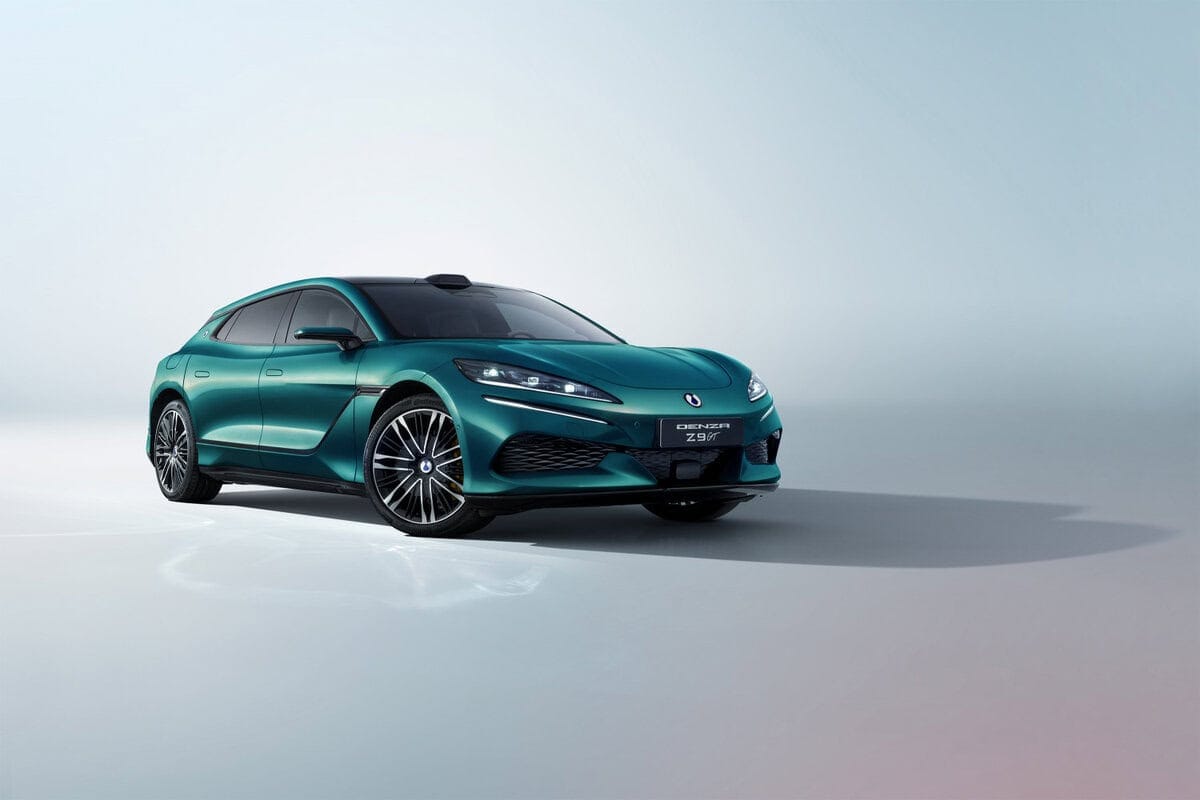
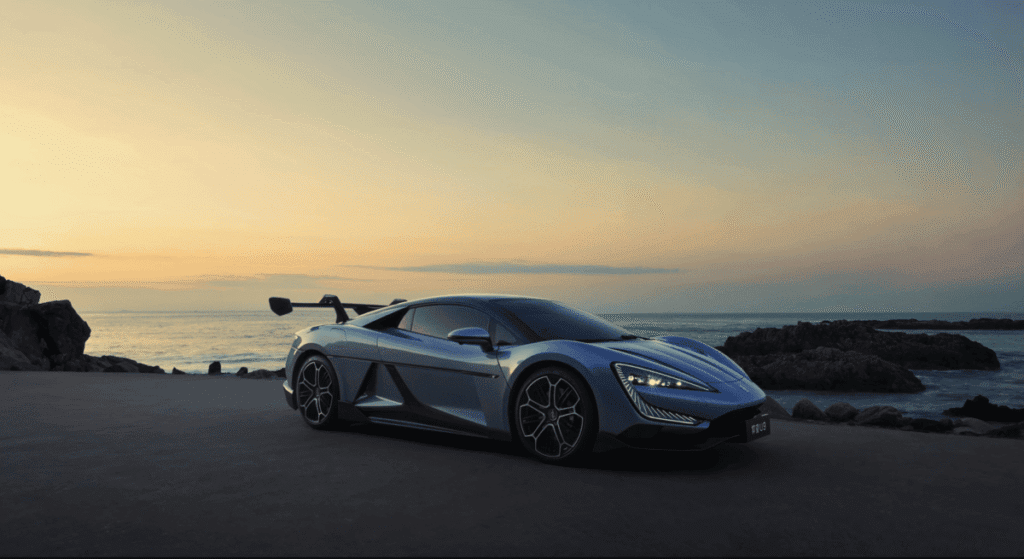
It sounds untrue: an EV that can charge 10% to 70% in 5 minutes. That is what BYD says its second-generation Blade Battery and FLASH Charging system can do.
But charging speed is only the easy part of this story. The bigger issue is what BYD is doing underneath the vehicle. This is not just a better battery dropped into a familiar car. It is a different way of thinking about the car itself.
For legacy automakers, that is the uncomfortable part. BYD is not merely trying to build cheaper EVs. It is trying to remove cost, weight, complexity, and hesitation from the entire electric vehicle equation. That is a much larger threat than one impressive charging number.
You may also like: Why the Rivian R2 Could Be America’s Next Big EV SUV
BYD’s Battery Changes the Shape of the Car
The Blade Battery has always been BYD’s safety and efficiency story. The second-generation version moves that conversation further into vehicle architecture. BYD says the new battery improves energy density by 5%, reduces internal resistance, and lowers degradation by 2.5%. It also says the battery passed extreme nail-penetration and thermal-runaway testing without smoke, fire, or explosion.
That matters because battery safety is no longer just a laboratory talking point. In BYD’s Cell-to-Body approach, the battery can become part of the vehicle’s structure. Instead of treating the pack as a heavy box protected by extra framework, the battery helps form the floor and support the vehicle.
That can change the physics of the car. Less duplicated structure can mean less weight, a lower center of gravity, better packaging, and lower energy demand per mile. The vehicle does not have to drag around as much dead weight, which can reduce the torque needed to move it, especially under load or climbing steep grades. It is not magic. It is engineering, and it attacks efficiency before the motor even gets involved.
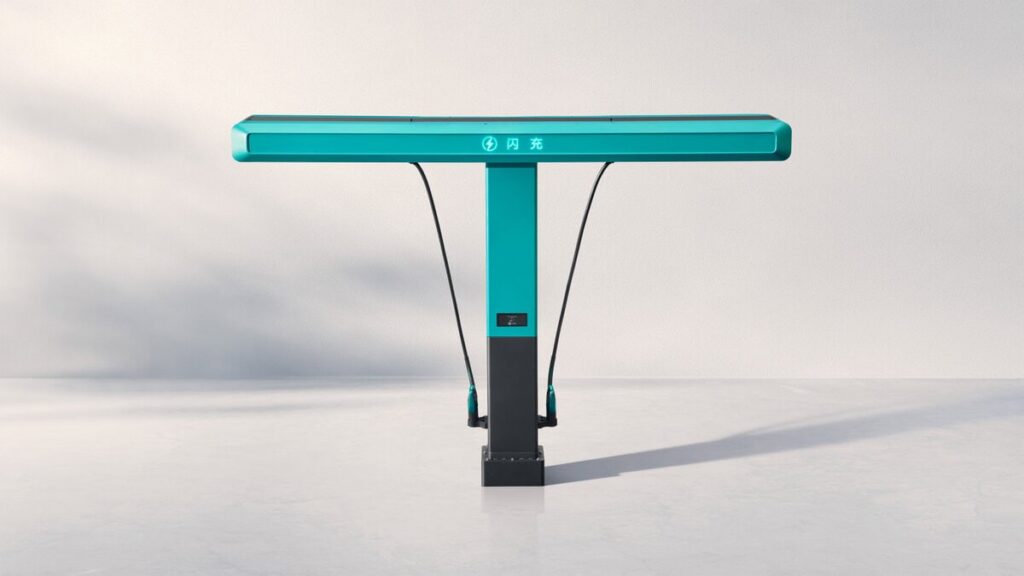
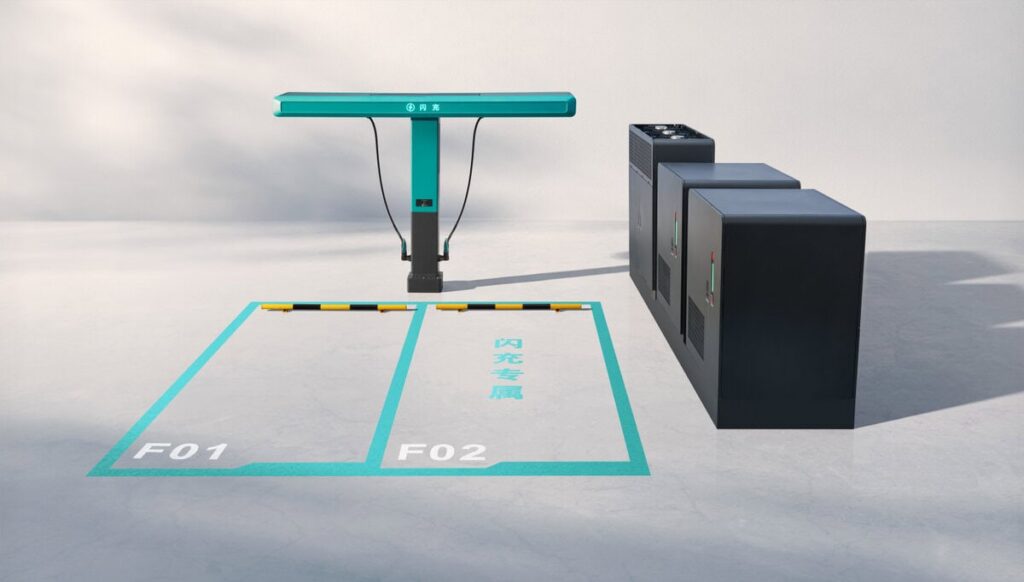
BYD says FLASH Charging can take the Blade Battery 2.0 from 10% to 70% in five minutes, from 10% to 97% in nine minutes, and from 20% to 97% in 12 minutes at minus 30 degrees Celsius. Those figures depend on the right vehicle, charger, and conditions. Even so, they change the conversation from range anxiety to refill confidence.
You may also like: Mercedes-Benz Unleashes Ultra-Fast Charging for AMG EVs
The Next Battery War May Not Be Lithium
BYD is not the only company putting pressure on the old auto business. CATL and Changan have already introduced what they describe as the world’s first mass-production passenger vehicle using sodium-ion batteries. CATL says the Naxtra sodium-ion battery can reach up to 175 Wh/kg, support more than 400 km of range, and perform strongly in severe cold.
That is important because sodium-ion does not need to beat lithium-ion everywhere to matter. It only has to be cheap, durable, cold-weather capable, and good enough for millions of mainstream vehicles. Sodium is far more abundant than lithium, and CATL says its sodium-ion batteries were put through crushing, drilling, and sawing tests without smoke or fire.
This is where the map starts changing quickly. Lithium iron phosphate, sodium-ion, and solid-state development are all pushing in different directions at the same time. Some batteries will chase range. Some will chase cost. Some will chase safety. The winner may not be one chemistry. It may be the automaker that can use the right battery in the right vehicle at the right price.
You may also like: GMC Sierra EV Proves Utility Beats Hype
Why Legacy Automakers Should Be Worried
The real threat is not that China has one fast-charging EV. The real threat is vertical integration. BYD controls far more of the electric vehicle stack than most legacy automakers, from battery production and power electronics to software and final assembly. That gives it the ability to move faster, squeeze cost, and build around its own technology instead of waiting for suppliers to catch up.
Detroit, Germany, Japan, and Korea are not helpless. They still have dealer networks, loyal customers, strong safety reputations, financing power, and decades of engineering knowledge. But they are also carrying business models built around engines, transmissions, suppliers, and long product cycles. BYD is playing a different game.
American buyers are partly insulated from that game because of trade rules. The U.S. has moved to a 100% tariff on Chinese electric vehicles, which means the full force of Chinese EV competition is not showing up in local showrooms.
That protection may buy time, but time is not the same as a strategy. BYD’s five-minute battery is not just a charging story. It is a signal that the next generation of EVs may be lighter, cheaper, faster to recharge, and engineered around batteries from the beginning. Legacy automakers are not just losing control of the pace. They are being forced to prove they can still compete with the platform itself.