Sanrivatti One: 800-HP Target, Motorcycle Riding Position
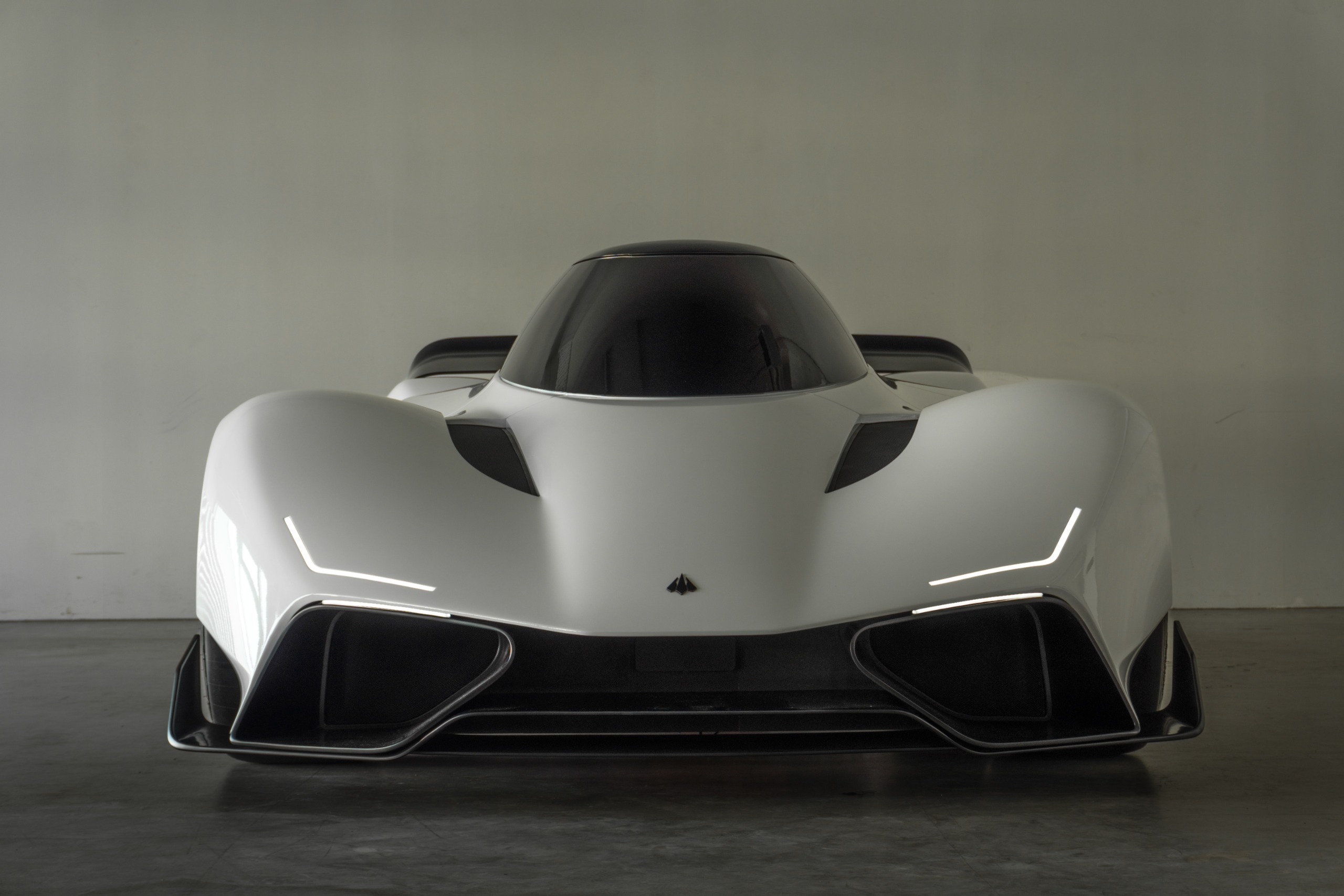
The Sanrivatti One targets 800 horsepower with a motorcycle-inspired driving position. Its unusual cockpit raises bigger questions than its V10.
By Nik J. Miles
Most hypercar companies ask how quickly they can move the driver. Sanrivatti is asking where to put one. The Dutch startup’s One places its solitary occupant in a forward-leaning, motorcycle-inspired posture, with the legs positioned behind rather than stretched toward the nose. Around that unusual arrangement, the company plans a naturally aspirated V10 producing approximately 800 horsepower.
It is an immediately arresting idea, although the distinction between an unveiled design and a completed car matters here. The One remains a development project. Its power, weight and speed figures are targets, and the motorcycle-style cockpit still has to demonstrate its advantages in a fully developed vehicle. Your chiropractor may already have questions.
You may also like this video:
You may also enjoy: Cadillac V-ONE Concept Packs 830 HP Into One Seat
Why the Sanrivatti One changes the driving position
Sanrivatti calls its arrangement the Apex Position. The driver straddles a central structure inside an enclosed cockpit, adopting a posture closer to a sportbike rider than a conventional sports-car occupant. The intention is to change how the driver perceives and responds to movement, rather than simply make the vehicle look unusual.
According to reporting on the reveal, the company is developing support and control systems that allow some natural body movement while keeping the occupant secured. That is an important qualification. A motorcycle rider can shift position extensively; an enclosed, four-wheel vehicle needs a carefully defined relationship between movement, restraints and controls. Sanrivatti has not yet publicly demonstrated the finished production solution.
You may also enjoy: Hennessey Blackbird: $2.5 Million and Zero Screens
An 800-horsepower V10 provides the soundtrack
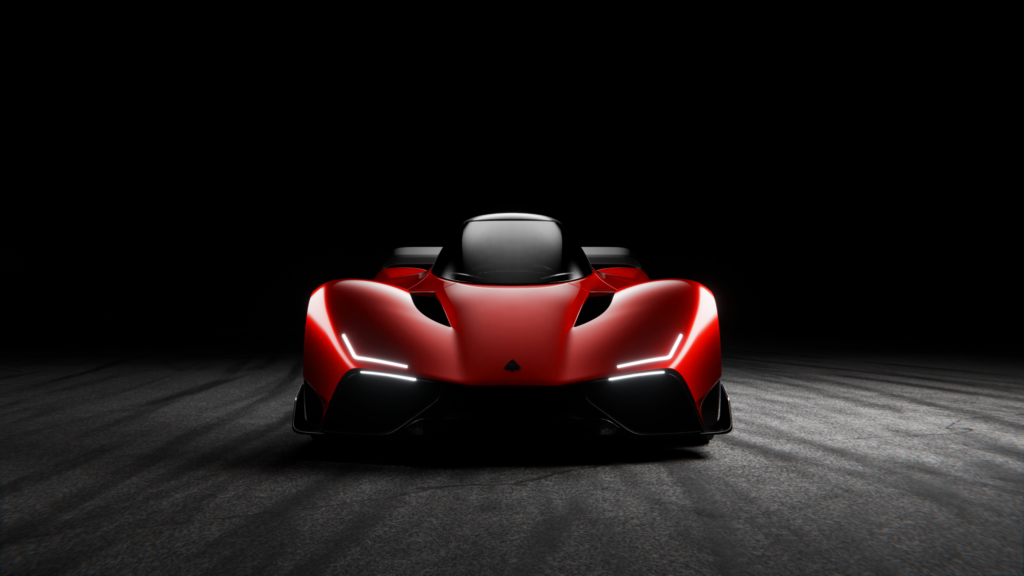
The planned engine is a mid-mounted, naturally aspirated 5.5-liter V10 supplied by racing-engine specialist Judd. Published targets include approximately 800 horsepower at 9,000 rpm. Reports also identify a six-speed sequential transmission from Hewland, although final production specifications remain subject to development.
A naturally aspirated engine draws its intake air without turbocharging or supercharging. Its appeal here is the relationship between engine speed, throttle input and sound. Whether that translates into the response Sanrivatti wants will depend on the complete installation, including its calibration and transmission. A respected supplier gives the project a credible starting point; it does not replace vehicle testing.
The company also targets a dry weight of approximately 2,425 pounds. Dry weight excludes operating fluids according to the manufacturer’s chosen definition, so it should not be compared directly with a competitor’s ready-to-drive curb weight. Earlier coverage described this figure as curb weight, but the founder’s published explanation identifies it as a dry-weight target.
You may also enjoy: Lamborghini Revuelto SV Makes Hybrid History
The difficult part is supporting the person inside
Changing posture changes more than the seating diagram. Braking, acceleration and cornering all place loads on the occupant. NASA’s explanation of inertia and acceleration provides the underlying physics: a body resists changes in motion, and forces are needed to change its velocity. The support system must manage those loads without compromising precise control.
That creates practical questions about neck fatigue, upper-body support, driver fit and emergency exit. These are engineering questions rather than evidence that the design cannot work. Conventional occupant restraints illustrate why holding a person in the intended position matters, but road-car guidance does not validate Sanrivatti’s proposed track-car arrangement. That requires its own testing.
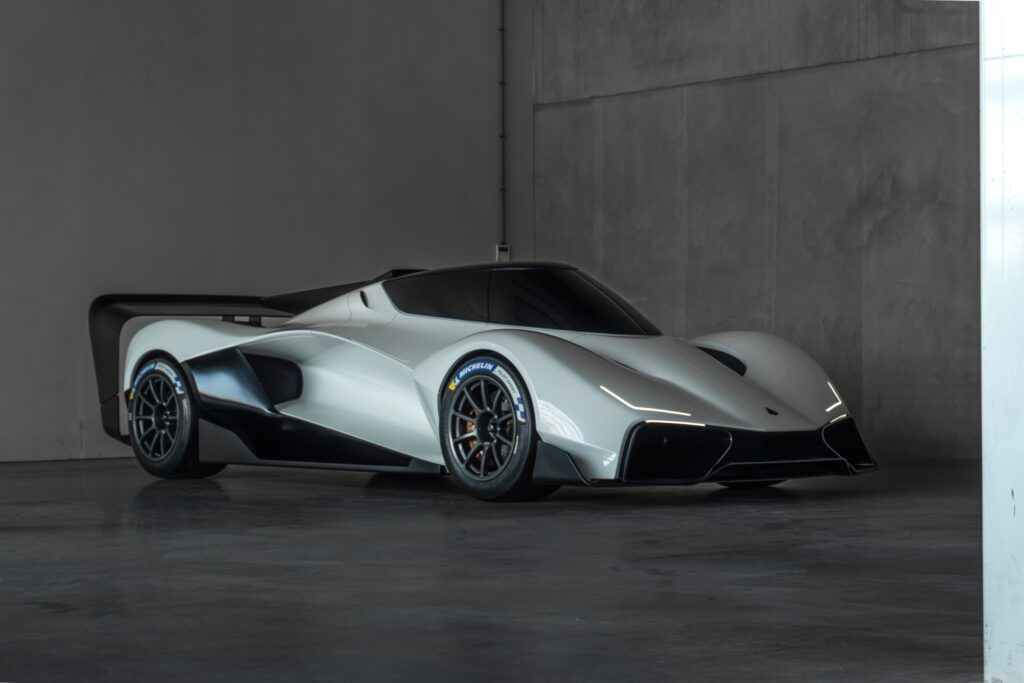
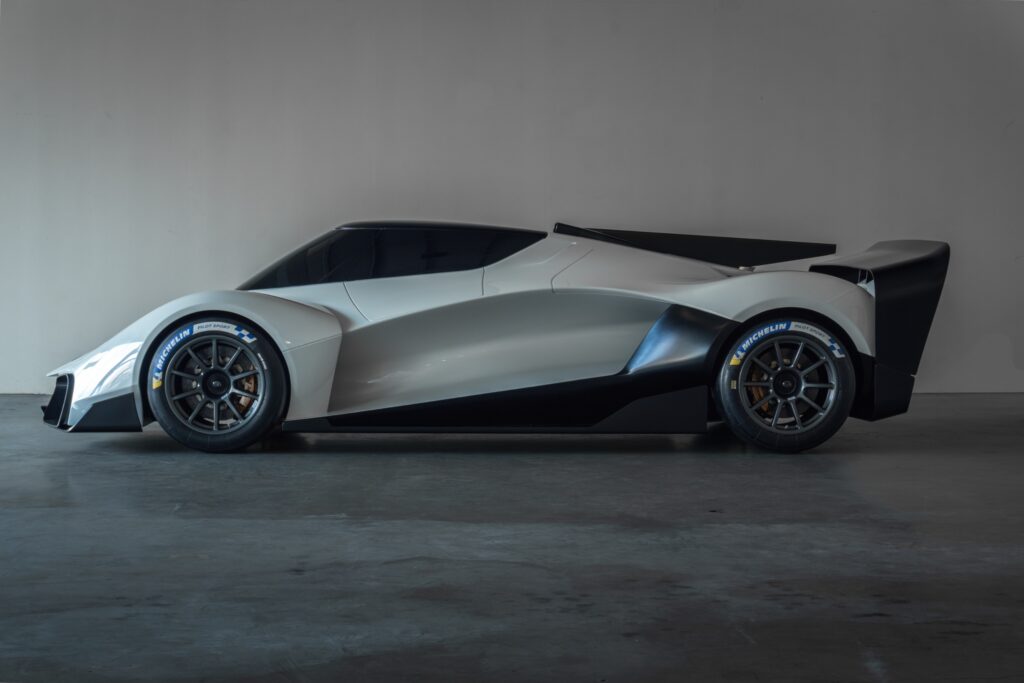
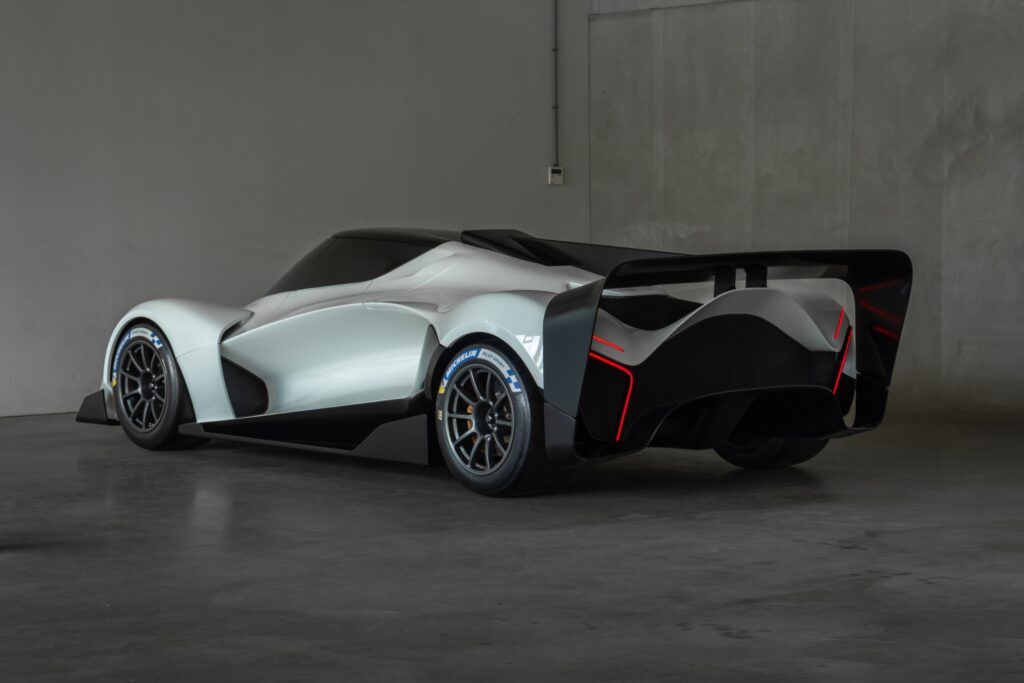
The bodywork needs similar scrutiny. The canopy, large openings and prominent rear wing establish a dramatic appearance, but photographs cannot establish downforce, cooling efficiency or high-speed stability. NASA’s aerodynamic drag explainer describes the resistance created by airflow. Balancing that resistance against cooling and grip will be part of turning the design into a working car.
You may also enjoy: Bugatti’s Berlin Breakthrough: Inside the World’s Most Beautiful Car Design Studio
A circuit machine, with years of development ahead
In an interview published by autoevolution, founder Santiago Sánchez Rivero describes the One as a circuit-only project. He identifies 2028 as the ambition for a fully functional running prototype and 2030 as the production target. Those are company objectives, with substantial engineering and validation still ahead.
That timeline also distinguishes experimental work on the driving position from a completed One operating with its intended V10. The founder discusses a dedicated driver program, which makes sense for a machine asking owners to learn an unfamiliar posture. A demonstration of accessibility and repeatable control would be more persuasive than another projected speed figure.
You may also enjoy: 2026 Lamborghini Temerario vs. Ducati Panigale V4: Italy’s Most Unhinged Family Argument Hits the Drag Strip
What an American buyer should ask
No verified purchase price, U.S. allocation or final customer specification is established here. Interested collectors should ask about the development schedule, driver fitting, service support and the operating budget for a circuit weekend. Tires deserve particular attention: road-oriented tire safety guidance explains load and inflation basics, while a racing application additionally requires supplier-specific operating advice.
American ownership would also require a clear import plan. NHTSA’s vehicle import guidance sets out relevant categories and procedures; calling a vehicle track-only should not be treated as blanket permission to ship it into the country or register it for road use.
The Sanrivatti One deserves attention because moving the driver creates a more substantial experiment than adding another hundred horsepower. Its success will depend on whether people can control it confidently, tolerate the posture and enjoy the experience repeatedly. For now, the sensible response is curiosity backed by scrutiny: watch for the running prototype, then judge what the unusual position actually delivers.