Hyundai Santa Fe EREV Targets 600 Miles, and Keeps Gas
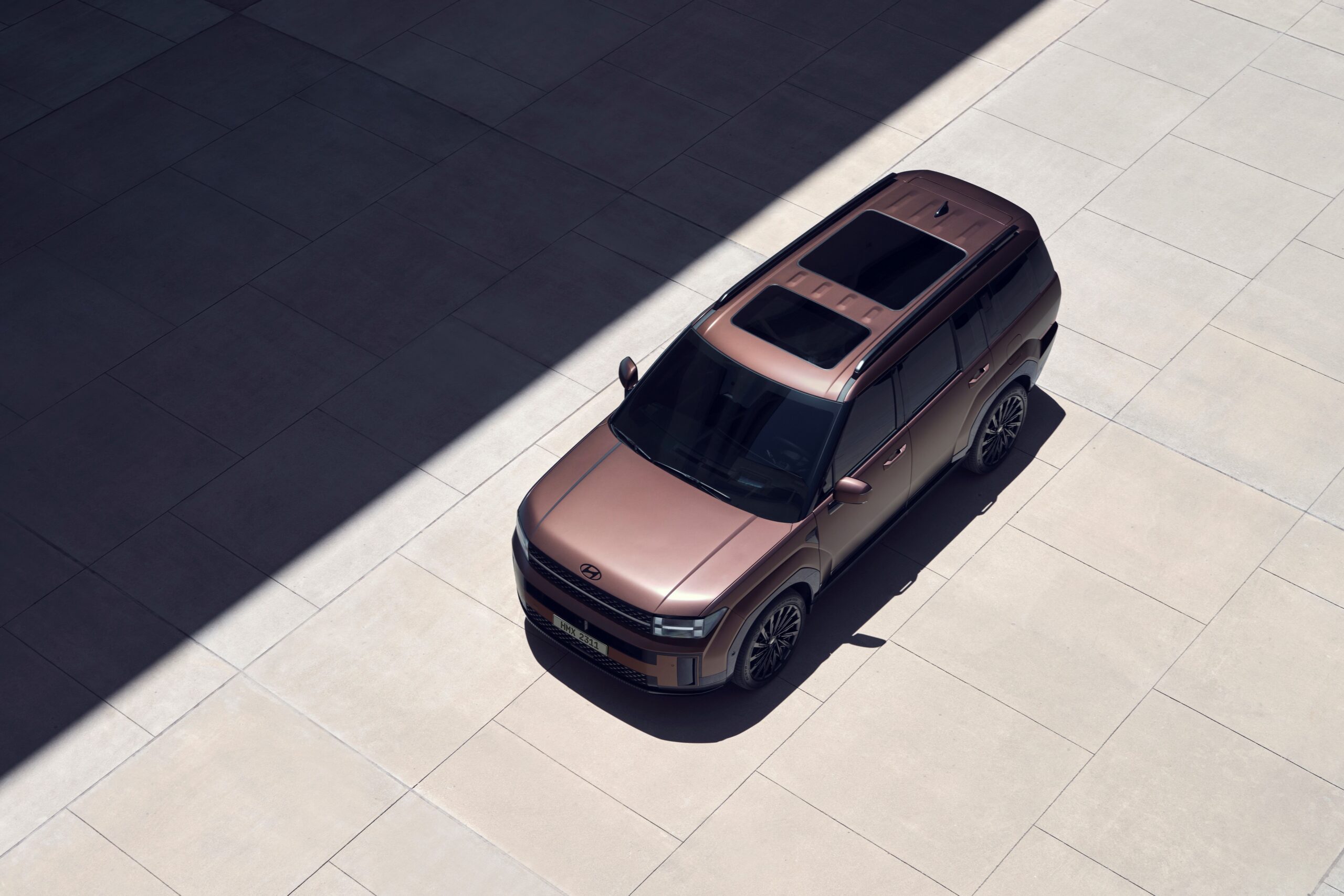
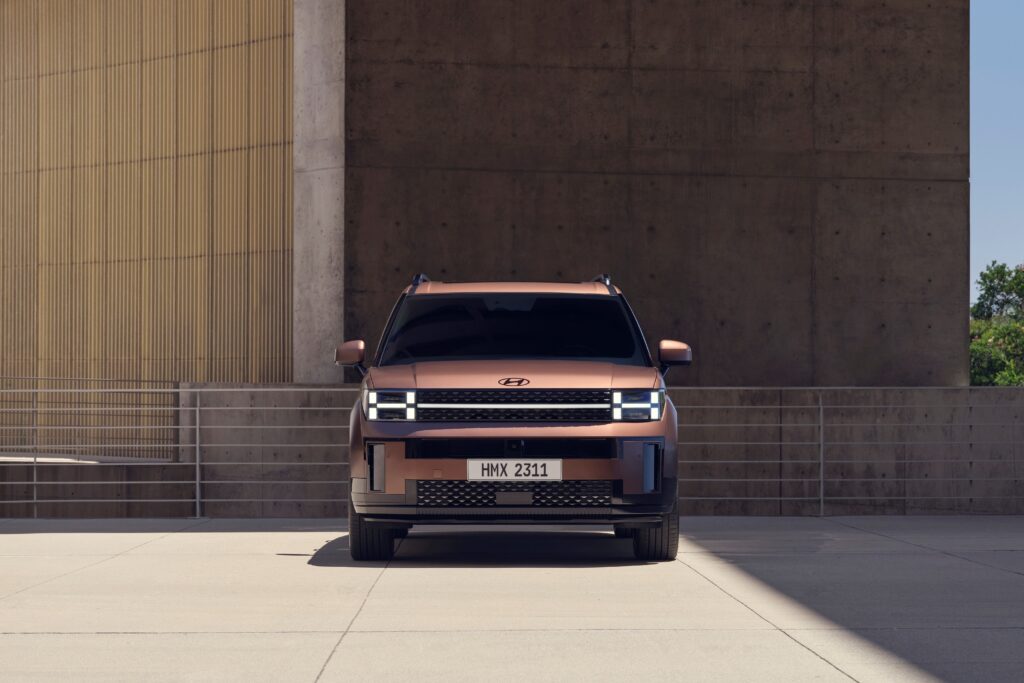
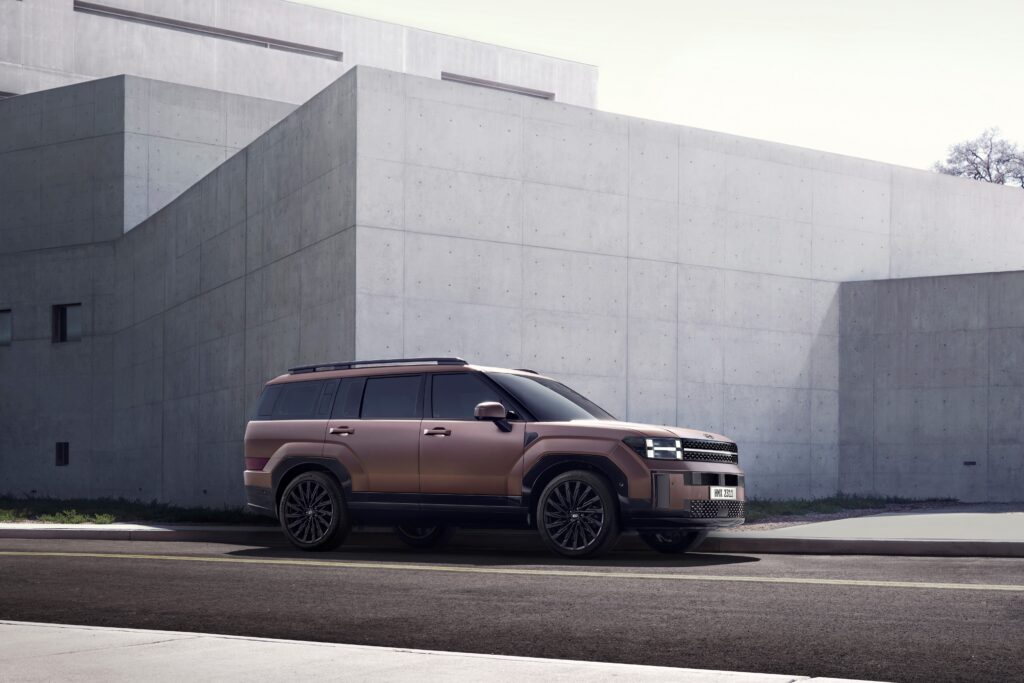
The Hyundai Santa Fe EREV targets more than 600 miles of total range, with Alabama production planned and a gasoline-powered backup for longer trips.
By Nik J. Miles
Hyundai’s next interesting family SUV carries a familiar name and an unfamiliar abbreviation. The Santa Fe EREV promises electric driving with an onboard source of electricity for the journeys that stretch beyond its plug-in battery. For families attracted to electric vehicles but uneasy about planning charging stops, that could be a useful combination.
According to Hyundai’s official product roadmap, the Santa Fe EREV is scheduled to arrive in the first half of 2027, with production at Hyundai Motor Manufacturing Alabama. The company expects more than 600 miles of total driving range. That is a manufacturer target, rather than an independently verified EPA rating, and the distinction matters.
The underlying announcement dates to August 2026. This is an approaching product worth watching, rather than a newly revealed production vehicle with a complete American specification sheet.
You may also enjoy: Hyundai Alabama Plant Investment: $450M SUV Expansion
You may also like this video:
Hyundai Santa Fe EREV: What 600 Miles Actually Means
The headline number combines the battery’s stored energy with the additional distance enabled by gasoline. It does not mean the Santa Fe will travel 600 miles on electricity drawn from a charging cable. An enormous total-range figure can attract attention while leaving the most useful ownership question unanswered: how far can you drive before the engine needs to start?
The Department of Energy describes series plug-in hybrids as vehicles in which electric motors propel the wheels while an engine generates electricity. These are often called extended-range electric vehicles. Some architectures can also connect the engine mechanically under particular conditions, so Hyundai’s final technical documentation will be important before declaring exactly how every Santa Fe operating mode works.
For shoppers, the EPA’s plug-in hybrid label offers the right framework: examine electric range, total range and efficiency separately. A long combined range does not automatically establish low running costs or exceptional gasoline economy.
Why This Could Suit American Family Driving
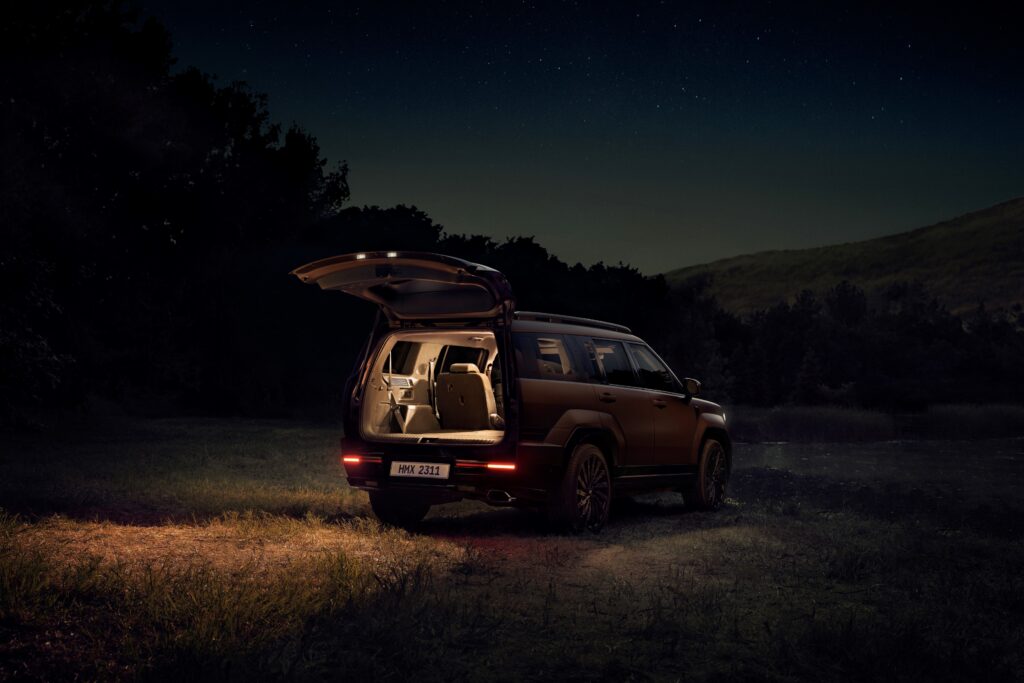
Consider a household with a hypothetical 35-mile daily routine and occasional long highway trips. If the Santa Fe’s eventual battery-only range comfortably covers that routine, regular charging could allow much of the weekly driving to happen without burning gasoline. On longer journeys, the range extender would provide another way to continue traveling.
That example is an ownership scenario, not a prediction of Santa Fe battery range. It illustrates why the electric-only figure deserves as much attention as the 600-mile target. A vehicle that fits your weekday mileage can be more useful than one with a spectacular number you exploit twice a year.
You may also enjoy: 2026 Hyundai Santa Fe Review: The SEL Is the Smart Buy
The strongest case also assumes convenient home charging. Plugging in where the vehicle already spends the night makes electric driving easier to incorporate into normal life. Drivers without dependable charging access should compare the EREV carefully with a conventional hybrid before paying for additional plug-in capability.
The Battery Question Is Bigger Than the Range Headline
Hyundai says its coming EREV technology can use less than half the battery capacity of a comparable battery-electric vehicle while retaining EV-like driving characteristics. That is an engineering claim to evaluate when production specifications and independent tests become available.
A smaller battery could reduce some material requirements and packaging demands. However, an EREV also needs an engine, fuel system and associated hardware. Buyers should not assume that a smaller pack guarantees a lighter vehicle, a lower purchase price or cheaper servicing.
You may also enjoy: 2026 Hyundai Ioniq 5 Review: The Value Is Back
Charging performance needs similar scrutiny. The Department of Energy explains that charging time depends on the vehicle, equipment and battery condition. Until Hyundai publishes the Santa Fe’s charging specifications, shoppers should avoid transferring expectations from another Hyundai model simply because it wears the same badge.
A Gasoline Backup Still Comes With Compromises
The range extender’s behavior could determine whether this feels like a polished family vehicle. How audible is the engine on a quiet road? Does performance remain consistent on a long climb after the plug-in portion of the battery has been used? What happens to fuel consumption during sustained highway driving? Those are questions for testing, rather than answers supplied by a range target.
Weather deserves attention, too. Federal guidance on cold-weather efficiency explains how low temperatures and cabin heating affect energy consumption. Buyers in colder regions should seek winter electric-range results, rather than assuming a favorable-weather figure describes January commuting.
You may also enjoy: Genesis EREV: What Its 640-Mile Range Really Means
Should You Wait for the Santa Fe EREV?
If you need a vehicle immediately, the available Santa Fe and its hybrid alternative deserve evaluation on their existing merits. A conventional hybrid does not require plugging in, making it a straightforward option for households without reliable charging. Waiting makes more sense if electric daily driving is a priority and your current vehicle comfortably covers the gap.
You may also enjoy: Hyundai’s 60% Electrified Goal Is Not an EV Goal
The Santa Fe EREV’s appeal will depend on its price premium, usable electric range, gasoline efficiency and everyday refinement. Six hundred miles gets people through the showroom door. A powertrain that fits their commute, family budget and occasional long journey is what could make them stay.