Hyundai’s 60% Electrified Goal Is Not an EV Goal
Hyundai says electrified vehicles will account for 60 percent of its global sales by 2030. That sounds like a promise that six out of every 10 new Hyundais will be fully electric.
It is not.
In Hyundai’s planning language, “electrified” is an umbrella. It includes conventional hybrids, plug-in hybrids, extended-range electric vehicles and battery-electric vehicles. Several of those still carry an internal-combustion engine, and some may never need to be plugged in.
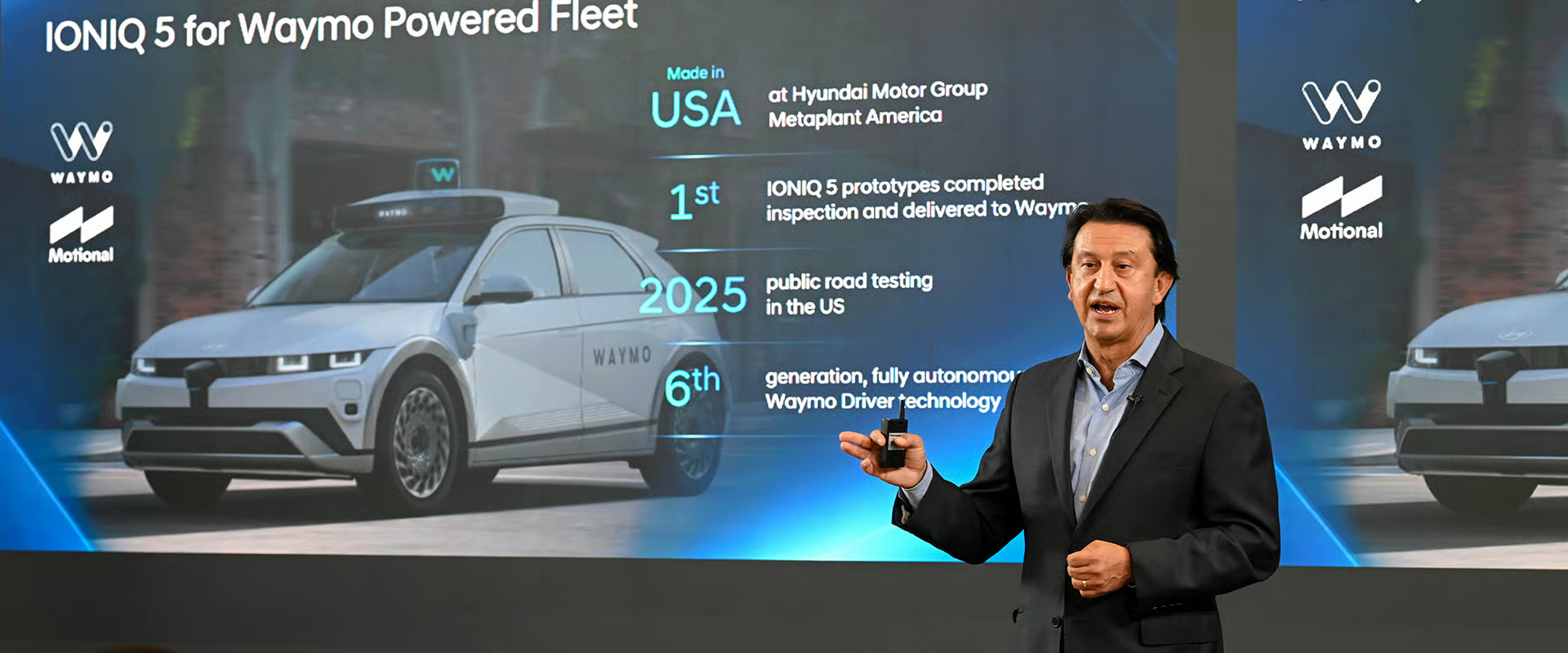
I was in the room in South Korea when Hyundai presented the target at its 2026 CEO Investor Day. The number matters, but the definition matters more. Hyundai is not betting everything on a single powertrain. It is preparing several routes toward lower fuel consumption and more electric driving.
You may also enjoy: Hyundai Wants Hybrids to Be Half Its North American Sales
Electrified Does Not Mean Electric
A battery-electric vehicle uses electric motors for propulsion and carries no gasoline engine. A conventional hybrid combines an engine with one or more electric motors, but the driver does not plug it in. A plug-in hybrid can travel for a limited distance on electricity before operating with its engine. An EREV is intended to deliver an EV-like driving experience while using an onboard engine as a generator when the battery needs help.
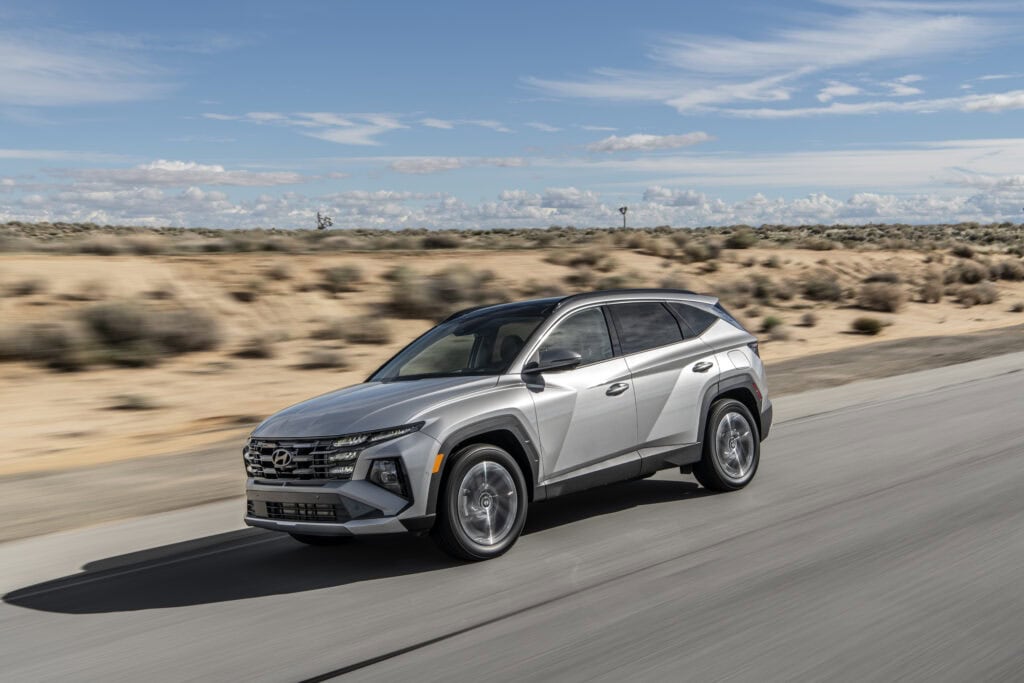
The U.S. Department of Energy explains the distinction plainly: a conventional hybrid charges its battery through regenerative braking and its engine, while a plug-in hybrid can take electricity from an external source. A battery EV relies on a much larger rechargeable battery and has no internal-combustion engine.
All of those vehicles use electric propulsion technology. They do not create the same ownership experience.
The 60 Percent Goal Is Global
Hyundai’s official 2026 Investor Day roadmap sets a target of 5.55 million global vehicle sales in 2030, with electrified models rising from 23 percent of the mix in 2025 to 60 percent by 2030.
If Hyundai reaches both targets, the arithmetic points to roughly 3.3 million electrified vehicles a year. That is a Test Miles calculation based on Hyundai’s two published targets, not a separate company forecast for battery EV sales.
It is also not a prediction that 60 percent of Hyundai’s U.S. sales will be electric. The company is tailoring its mix by region. Europe is expected to lean more heavily toward battery EVs, while North America is being prepared for a far larger hybrid presence.
That regional distinction is easy to lose when a global percentage becomes a headline.
North America Shows How the Mix Could Work
Hyundai says it plans more than 10 hybrid models in North America by 2030 and expects hybrids alone to reach 50 percent of regional sales. Those vehicles are planned for production at Hyundai Motor Manufacturing Alabama and Hyundai Motor Group Metaplant America in Georgia.
That means a large share of Hyundai’s North American “electrified” growth could come from vehicles that buyers fuel exactly as they do today. No home charger is required, and no public charging stop needs to be added to a road trip.
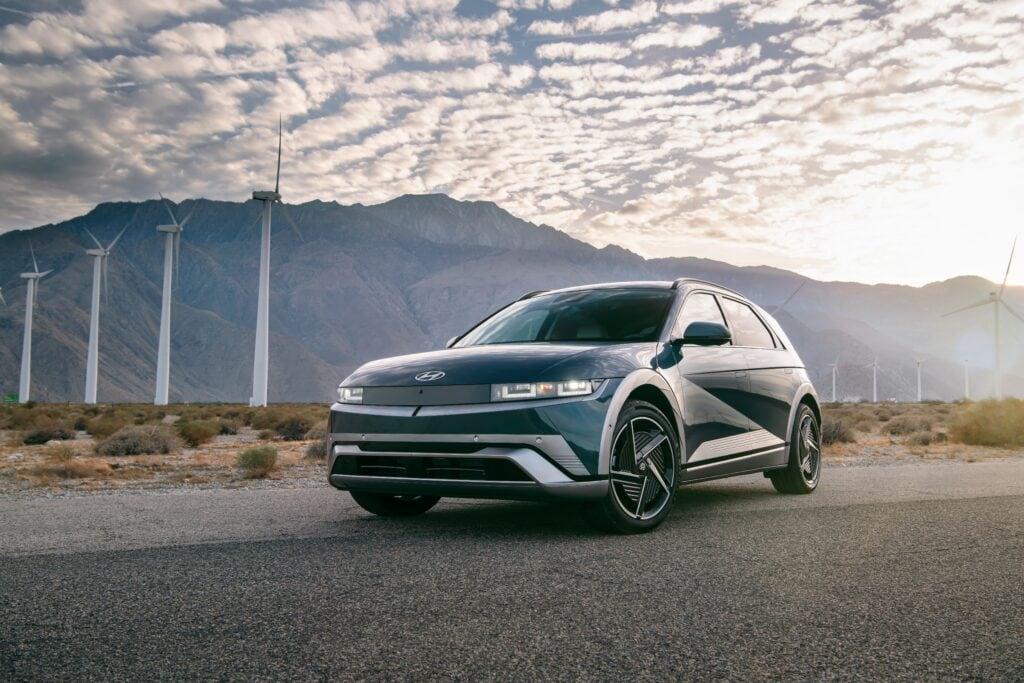
At the same time, Hyundai is continuing to invest in dedicated EVs and charging technology. The strategy is not gasoline versus electricity. It is a range of products that use different amounts of each.
You may also enjoy: Hyundai Santa Fe EREV: What 600 Miles Really Means
EREVs Make the Definition Even Murkier
Hyundai’s first EREVs are due to begin launching in the first half of 2027. The company says the Santa Fe EREV is expected to offer more than 600 miles of total range and will be built in Alabama.
The important words are “total range.” That figure combines energy stored in the battery with the additional driving distance enabled by the onboard generator. It is not 600 miles of battery-only range.
An EREV may feel like an EV in daily use because electric motors propel the vehicle. Yet it still carries an engine and burns fuel when the generator is needed. Calling it electrified is accurate. Calling it a pure EV would not be.
This Is Flexibility, Not an EV Retreat
Hyundai is still developing lower-cost battery cells, new dedicated EVs and software designed to improve battery life. It says Europe will receive the IONIQ 3 and is targeting more than 420,000 annual EV sales there by 2030. The company also says EVs launching in 2027 will use mid-nickel NCM cells intended to reduce battery cost by about 30 percent.
You may also enjoy: Hyundai Battery Cost Drops 30%: Who Gets the Savings?
What changed is the idea that one technology must replace every other technology on the same timetable. Hyundai CEO José Muñoz described a plan for “multiple powertrain options,” and the product roadmap backs that up.
That flexibility can protect Hyundai if charging infrastructure, fuel prices, regulations or consumer demand move differently across markets. It also gives shoppers more choice, although it makes the headline numbers less tidy.
What Buyers Should Watch
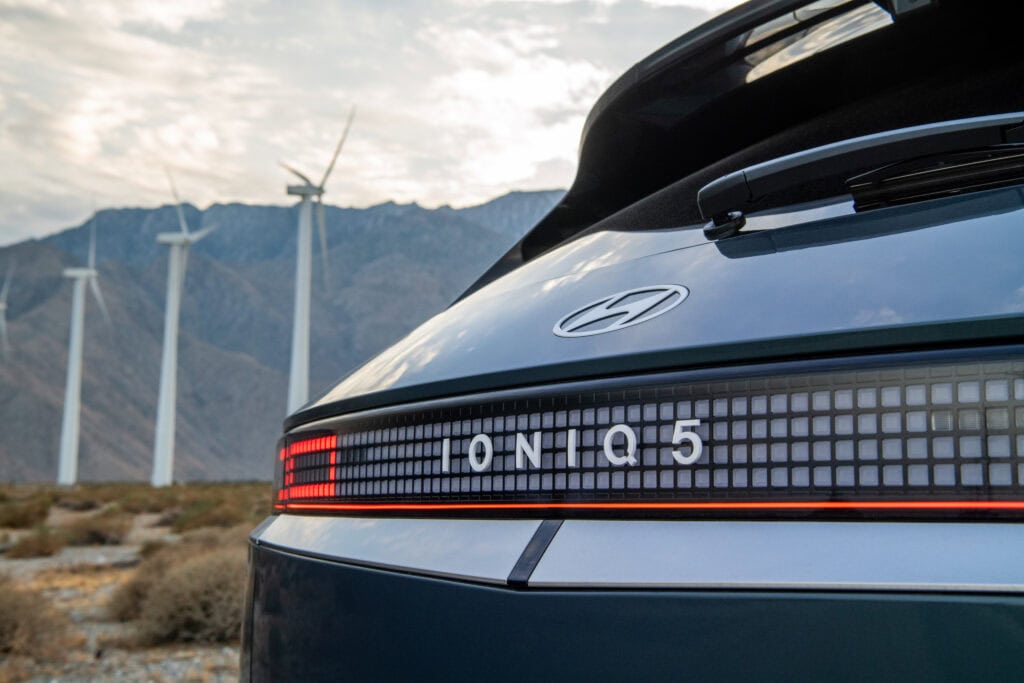
The badge on the tailgate will matter more than the word “electrified” in an investor presentation. Buyers should ask four simple questions: Does the vehicle have an engine? Can it be plugged in? How far can it travel without gasoline? What happens after the battery’s usable charge is depleted?
Those answers determine whether the ownership experience resembles a familiar gasoline vehicle, a short-range electric commuter, a long-distance EV or something in between.
Hyundai’s 60 percent goal is ambitious. It suggests electric motors will become normal across most of the company’s global lineup. But it does not say gasoline engines disappear, and it does not make Hyundai a 60 percent battery-EV company.
The real Investor Day message is more practical: by 2030, Hyundai expects electrification to be mainstream, but it does not expect every customer to use it in the same way.