Hybrid Sales Rise: What Toyota and Hyundai Buyers Should Pay
Hybrid Sales Rise: What Toyota and Hyundai Buyers Should Pay
Hybrid sales are strengthening Toyota and Hyundai, but shoppers should compare purchase premiums, fuel savings and financing before choosing.
You may also like this video:
A sales victory is not your personal savings calculation
A hybrid can win the showroom popularity contest and still be the wrong purchase at the wrong price. That is the buyer question behind the latest U.S. results: how much should you spend to reduce the amount you spend at the pump? A sales chart cannot answer it for you, but it can explain why manufacturers are giving electric assistance more attention.
My recommendation is to start with the job the vehicle must do, then compare the cost of doing it. Passenger room, cargo access, your usual route and the purchase offer belong in that calculation. Choosing a powertrain before choosing the right vehicle can leave you paying for efficiency in something that does not suit your household.
You may also enjoy: 2026 Toyota Corolla Hybrid Review: The Sensible Choice
The U.S. Department of Energy explains that hybrid electric vehicles use an engine and electric motor, with a battery replenished through the vehicle’s operation. Conventional hybrids require no external charging. That convenience is a meaningful advantage for drivers who want electric assistance without adding a charging stop or installing equipment at home.
What the hybrid sales figures actually establish
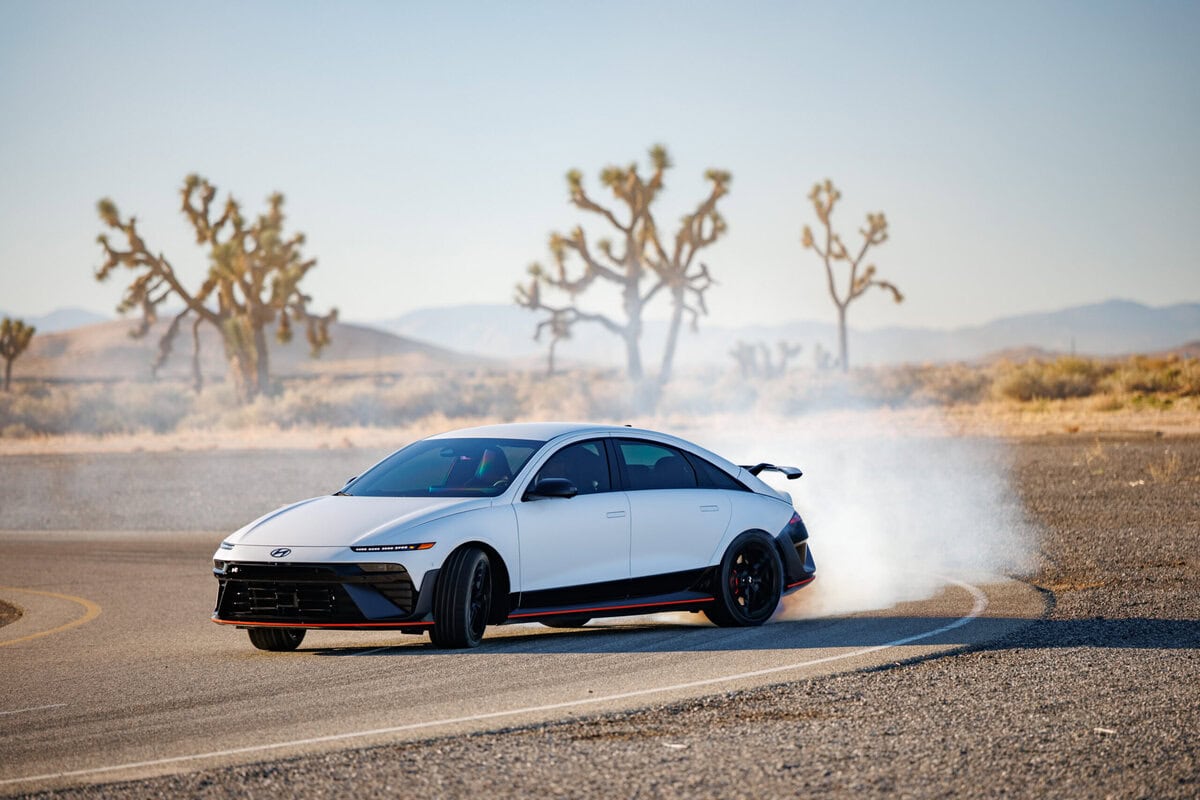
Hyundai Motor America reported record third-quarter sales of 246,896 vehicles, rising 3% from a year earlier, with hybrid volume growing 35%. Toyota Motor North America sold 633,223 vehicles, up 0.6%, compared with GM’s 670,974 deliveries. These are reported results for July through September, released October 1, rather than forecasts.
The arithmetic puts Toyota, including Lexus, 37,751 vehicles behind GM for the quarter. That is a competitive challenge for GM, but it does not justify declaring a new market leader. Hyundai’s figure also covers Hyundai Motor America, rather than adding Kia and Genesis. Corporate rankings need consistent boundaries before they make useful headlines.
You may also enjoy: 2026 Honda CR-V Review: Which Trim Should You Buy?
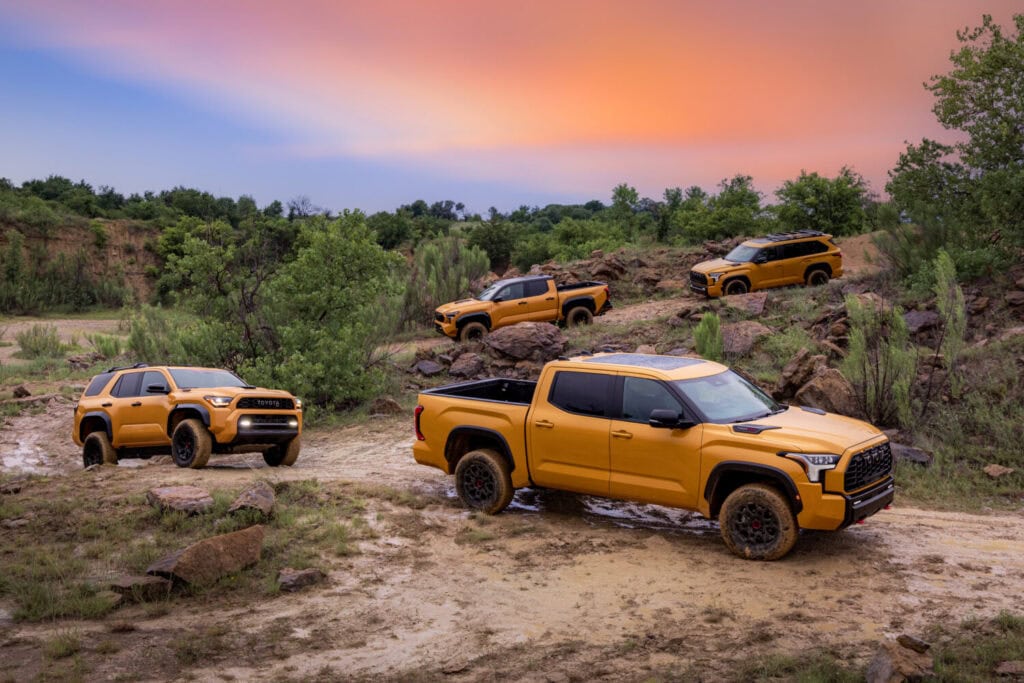
Toyota’s quarterly electrified share reached 57.4%. Crucially, that category includes more than conventional hybrids. Its release separates battery-electric, plug-in hybrid and fuel-cell models too. Calling the whole category “hybrid” would erase distinctions that affect charging, fuel use and how owners operate their vehicles. Shoppers deserve the actual powertrain description, even when a broader label makes the graph look tidier.
Put the premium through a simple ownership test
Consider an illustrative comparison involving 12,000 miles a year, 30 mpg versus 40 mpg and gasoline at an assumed $4 per gallon. Annual consumption falls from 400 gallons to 300, saving $400. A $2,000 purchase premium would take five years to recover through fuel alone. These are hypothetical inputs, not model-specific ratings or a claim about today’s fuel price.
Use the government’s hybrid savings calculator with your own assumptions. Include the actual transaction-price difference, rather than assuming the advertised starting prices reflect the cars available nearby. Discounts, required packages and dealer-added products can change the premium before you have driven a mile.
You may also enjoy: 2027 Kia Sportage Hybrid: FWD Is the Value Play
Then examine auto loan costs. Financing the premium adds interest, while extending the loan to keep the payment comfortable can increase total borrowing costs. Get comparable insurance quotes and read warranty coverage as well. A fuel saving has to survive the rest of the ownership bill before it becomes a convincing reason to spend more.

Your route matters more than the badge
Hybrid systems recover some energy through regenerative braking, while electric assistance and engine shutoff can reduce wasted fuel. Frequent slowing and stopping create different opportunities from a long, steady highway cruise. The appropriate comparison therefore includes how and where you drive, rather than relying exclusively on a combined fuel-economy number.
Check EPA fuel economy for the exact versions you are considering. Wheel sizes, drivetrain choices and trim specifications can produce different ratings within one model range. Compare like equipment and suitable capability, then look separately at city and highway figures to see which better resembles your routine.
You may also enjoy: 2026 Toyota Highlander: Which Trim Deserves Your Drive?
A plug-in hybrid needs an additional question: will you actually plug it in regularly? Its potential value depends partly on charging access and the portion of your journeys covered electrically. Meanwhile, a conventional hybrid may offer a simpler fit for a driver without reliable charging. Neither arrangement makes every price premium sensible.
The competition is about useful choices
GM reported record quarterly sales for its family of affordable small SUVs, with Trax volume up 16%. That provides a useful counterweight to the idea that electric assistance explains every successful product. A competitively priced gasoline vehicle may leave a buyer financially better off than a more expensive hybrid, depending on use and ownership duration.
You may also enjoy: Genesis GV80 Hybrid: The Numbers Buyers Need
The latest sales releases suggest that manufacturers benefit from offering options that match different budgets and routines. They do not establish that every hybrid customer switched brands, or that efficiency alone caused the reported growth. Supply, product changes and commercial deliveries also shape the totals. A popular vehicle still deserves a careful test drive and an itemized quotation.
For Toyota and Hyundai shoppers, the sensible response is to ask for two comparable offers and calculate the difference over the years you expect to keep the car. Buy the space and capability you use, resist unnecessary upgrades, and make the fuel saving earn its place in the budget. The sales race belongs to manufacturers; the ownership bill belongs to you.