Genesis GV80 Hybrid: The Numbers Buyers Need
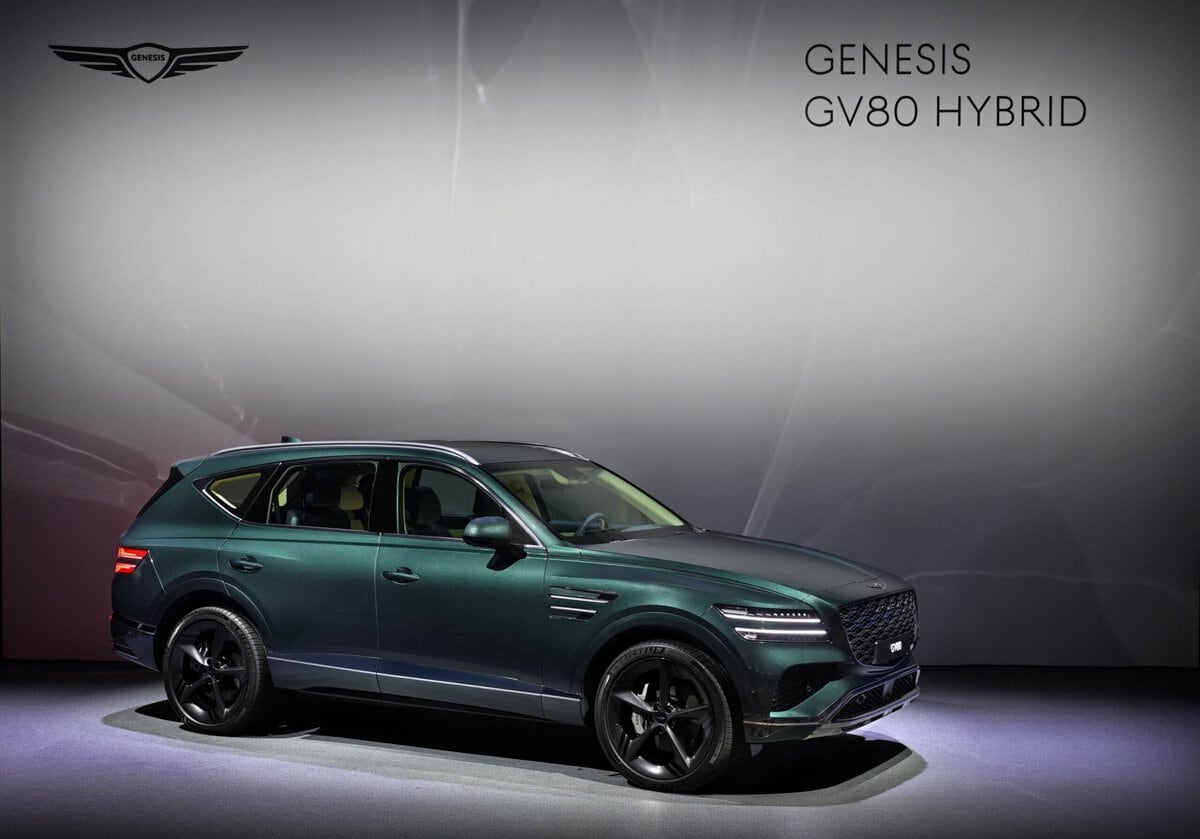
The Genesis GV80 Hybrid promises 347 horsepower and 25% better fuel economy, but its price and certified MPG will determine its real value.
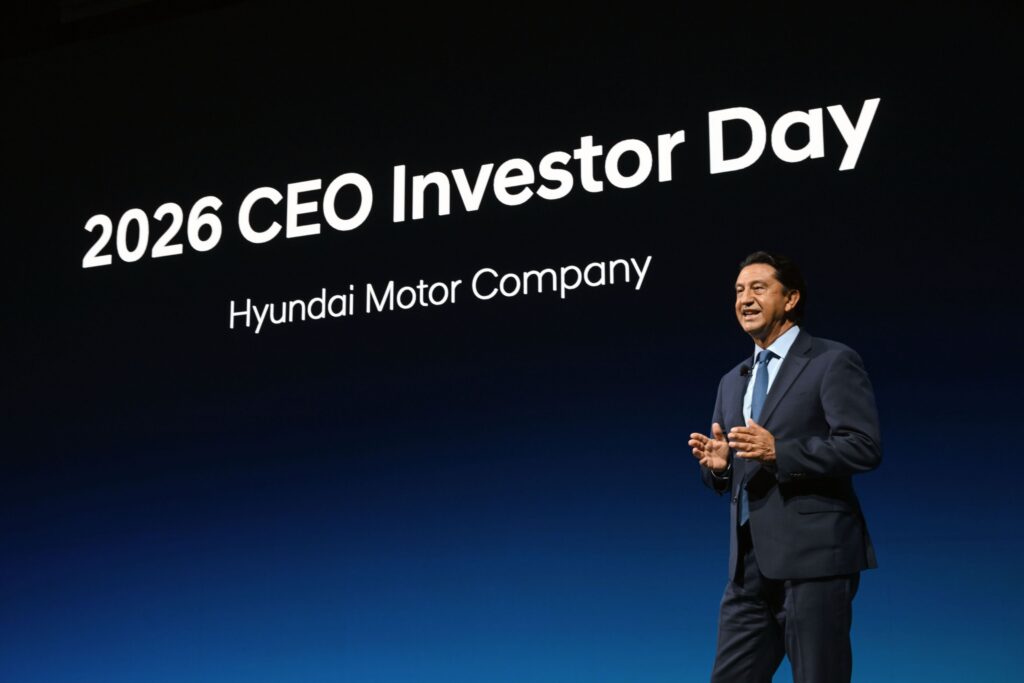
Genesis has finally put a hybrid badge on the GV80, and the headline sounds almost suspiciously tidy: more power, fewer fuel stops and no charging cable. At Hyundai Motor Company’s 2026 CEO Investor Day in Seoul, the company displayed its first Genesis hybrid and described a 2.5-liter turbocharged engine supported by two electric motors.
Total output is listed at 352 PS, which converts to approximately 347 horsepower. Genesis says that is about 16 percent more than the gasoline GV80 2.5T, while fuel efficiency is projected to improve by 25 percent. Those are company claims, not final U.S. certification results, and that distinction is where the useful buyer story begins.
You may also be interested in this Video of the GV80:
Genesis GV80 Hybrid power lands in the middle
The current GV80 gives American buyers a 300-horsepower turbocharged four-cylinder or a 375-horsepower twin-turbo V6. The hybrid’s claimed 347 horsepower splits them neatly. It should offer considerably more muscle than the base engine without carrying the full fuel appetite of the V6.
A conventional hybrid combines an engine, motors and a traction battery, but the owner does not plug it in. The Department of Energy explains that the battery is replenished by the engine and by regenerative braking, which recovers some of the energy normally lost while slowing.
You may also enjoy: 2026 Genesis GV70 3.5T AWD: The Best Luxury Crossover?
Genesis also describes adaptive regeneration that can respond to navigation data and the distance to the vehicle ahead. That could make deceleration more natural while recovering energy, but calibration matters. Luxury customers will notice if the brake pedal changes character or if the engine and motors trade duties with a thump.
A useful feature for families, dogs and long waits
One of the more interesting additions is Stay Mode. Genesis says the battery can power vehicle functions while the GV80 is stationary so the engine does not need to run. For a family waiting at school pickup, someone working from the parked SUV or an owner traveling with dogs, a quieter cabin without unnecessary idling sounds genuinely useful.
It is not a substitute for responsible supervision, and Genesis has not detailed how long the feature can operate in demanding heat or cold. Battery capacity, climate-control load and state of charge will determine its practical limits. The traction battery also has to fit somewhere, so cargo-floor height and usable space deserve scrutiny when production vehicles arrive.
You may also enjoy: Genesis GV90 Takes Aim at Rolls-Royce and Range Rover
The unanswered family questions are ordinary but important: Will the hybrid retain the GV80’s seating and towing abilities? Does the battery change the spare-tire arrangement or cargo floor? Can the air conditioning remain strong in Stay Mode during a hot afternoon? A luxury SUV earns its keep through these details, not through a percentage on a presentation slide.

The fuel-economy claim is not the final MPG
Genesis has not published an EPA-certified rating. A simple calculation suggests why people are talking about roughly 27 mpg combined: improve a 22-mpg gasoline reference vehicle by 25 percent and the result is 27.5 mpg. That is an informed illustration, not an official GV80 Hybrid number.
EPA explains that official fuel-economy testing combines five laboratory cycles, including hot, cold and higher-speed operation. Wheel size and all-wheel drive can affect the certified result. The final window label will also show estimated annual fuel cost, giving shoppers a better comparison than Genesis’s percentage alone.
You may also enjoy: Genesis EREV: What Its 640+ Mile Range Really Means
Price is the missing half of the equation. The federal hybrid savings calculator demonstrates why purchase premium, annual mileage, fuel price and ownership period must be considered together. Saving gasoline does not automatically mean saving money. Until Genesis discloses the MSRP, no responsible analysis can declare the hybrid the value winner.
Who should wait for the Genesis GV80 Hybrid?
The strongest potential buyer is someone who wants a refined midsize luxury SUV, drives enough miles to value efficiency and does not want charging to become part of ownership. Urban and suburban drivers may benefit most because repeated braking gives a hybrid more opportunities to recover energy. Long-distance drivers will appreciate quick gasoline refueling, although their highway mileage gain may be less dramatic.
You may also enjoy: Genesis Wants to Scare BMW With 22 New Vehicles
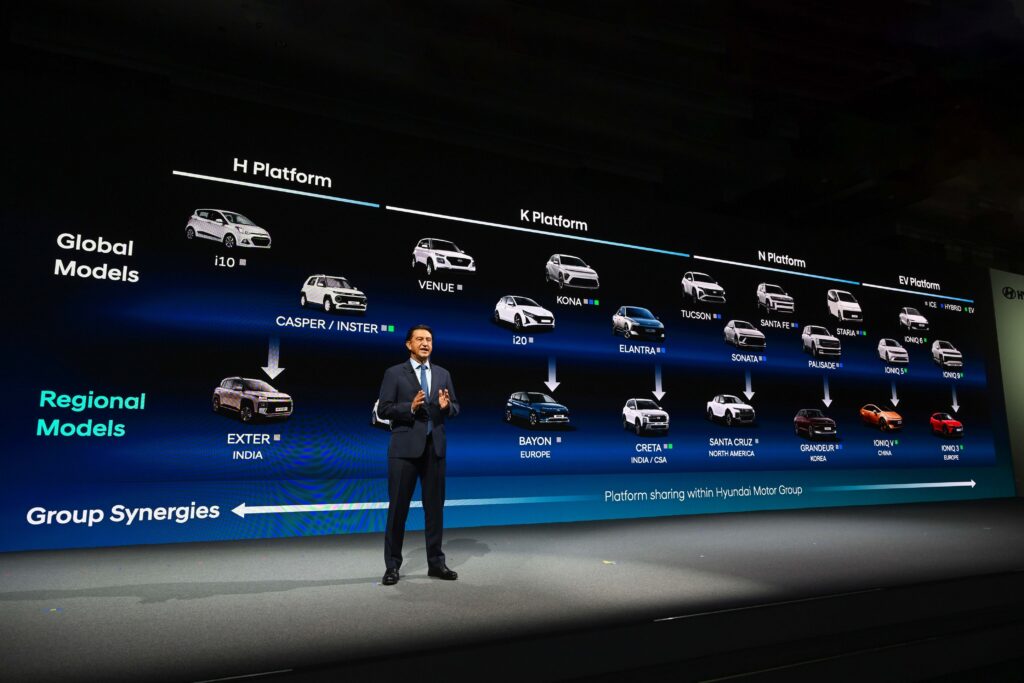
Anyone focused primarily on maximum performance may still prefer the V6. Buyers who can charge at home should also compare the hybrid with Genesis’s electric and coming extended-range models. Hyundai’s strategy is deliberately giving customers several answers rather than pretending one powertrain suits every household.
That flexibility is central to the company’s growth plan. Genesis wants 350,000 annual sales across more than 40 markets by 2030, while Hyundai expects hybrids to become half of its North American mix. José Muñoz, Hyundai Motor Company’s president and CEO, captured the regional shift plainly: “North America is where our hybrid story became a scale story.”
You may also enjoy: Genesis Just Got Sexy: Magma Performance Is Here
Shoppers should resist ordering from the headline alone. Wait for U.S. pricing, EPA mileage, drivetrain choices, towing capacity, cargo measurements and independent driving impressions. They should also check the production vehicle’s safety ratings when available rather than assuming a familiar body delivers an identical result after a powertrain change.
The GV80 Hybrid is compelling because its promise is so sensible. It offers near-V6 power, projected fuel savings and no plug. If Genesis prices it close enough to the 2.5T and preserves the GV80’s space and refinement, this could become the version most buyers should choose. Until those final numbers arrive, it remains the most logical GV80 on paper—and a vehicle with several important lines still blank.