Hyundai IONIQ 3: The Questions American Buyers Should Ask
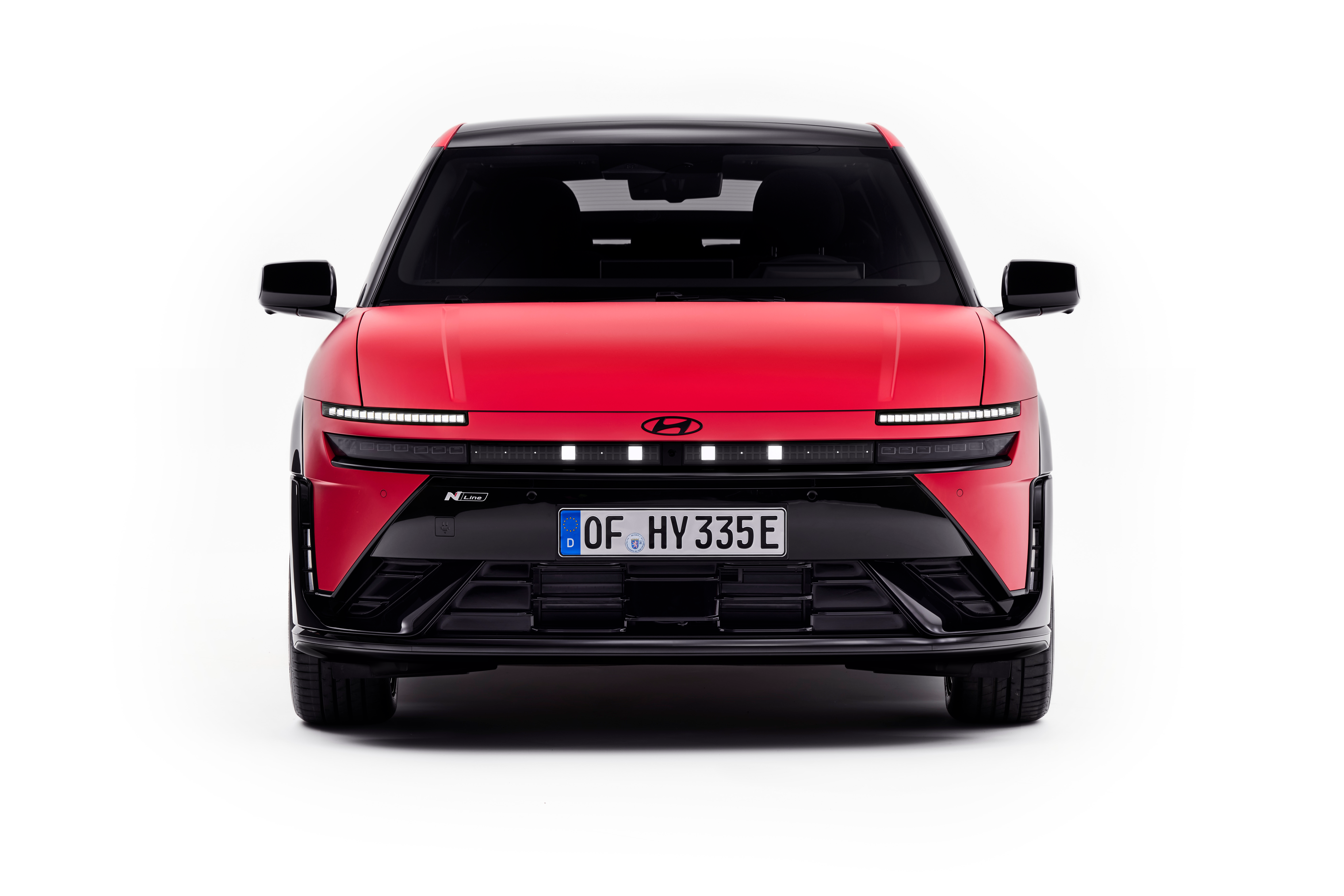
Hyundai IONIQ 3 brings a compact European EV into focus, but American buyers should separate useful ideas from unconfirmed U.S. availability.
A smaller electric car deserves a more demanding question than whether it looks futuristic: does it make ownership simpler? The Hyundai IONIQ 3 offers a useful way to examine that question, even for Americans who cannot presently treat it as a confirmed U.S. shopping option. A compact body, a choice of batteries and a new software platform sound sensible. The value depends on how those decisions work together.
In our continuing look at Hyundai’s South Korean Investor Day announcements, this is the European product story that deserves its own examination. Hyundai’s roadmap identifies the IONIQ 3 as Europe-focused. The official materials reviewed here do not establish an American launch, price or EPA range. That boundary belongs near the beginning, before anyone mistakes a global product announcement for a reason to postpone a local purchase.
You may also enjoy: Hyundai’s 60% Electrified Goal Is Not an EV Goal
A battery-electric vehicle uses an electric drivetrain and an externally charged battery. That ownership arrangement suits some households extremely well. Others need a charging solution before they need another attractive vehicle announcement. The IONIQ 3’s strongest lesson is to evaluate that arrangement before getting carried away with the equipment list.
Hyundai IONIQ 3 Makes Battery Size a Household Decision

Start with the choices Hyundai publishes for Britain: a 42.2-kWh battery and a 61-kWh alternative. The customer page gives projected European range up to 213 and 308 miles, respectively, with a qualification that technical data and range remain pending final homologation. The larger pack carries about 45 percent more stated capacity, a Test Miles calculation from those two figures. It deserves a reason beyond wanting the longest number.
For a buyer with dependable home charging, a repeatable commute and occasional longer journeys, the smaller version merits consideration once local prices and final ratings are available. A frequent highway traveler should scrutinize the larger option. Neither recommendation is a verdict on a vehicle we have independently range-tested. It is a way to choose the specification around the owner.
You may also enjoy: 2026 Hyundai Ioniq 5 Review: The Value Is Back
The range headline needs similar discipline. European figures cannot be dropped beside an American EPA range as though both came from the same test. Changing kilometers into miles changes the units, not the underlying certification method. Compare vehicles using the same rating framework and leave room for the conditions in which you actually drive.
Hyundai’s launch specifications put the 10-to-80-percent charging interval at approximately half an hour under suitable conditions. That describes one part of a charging session, rather than an empty-to-full stop. The Department of Energy explains that DC fast charging performance depends on the vehicle, equipment and battery state. A headline time is a useful benchmark; a dependable route needs suitable stations as well.
You may also enjoy: Hyundai Battery Cost Drops 30%: Who Gets the Savings?
The purchase calculation should therefore include the battery premium, charging arrangements and likely travel pattern. For someone relying heavily on public charging, location and pricing may outweigh a clever storage compartment. For another household, overnight replenishment could make daily use straightforward. Accessible electric transport has to be accessible in practice, not simply smaller in photographs.
The Cabin and the Regional Strategy Need the Same Scrutiny
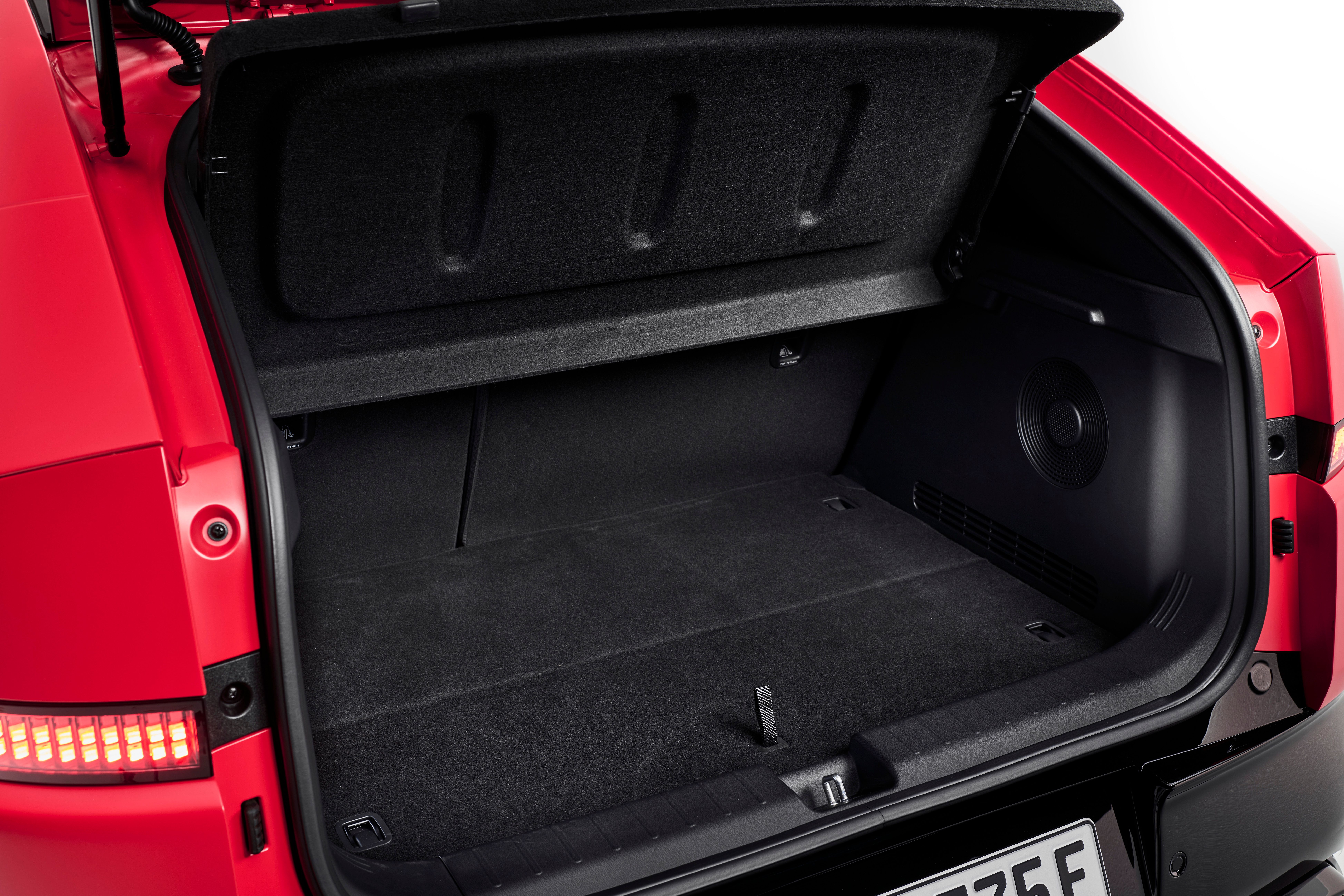
Packaging is the next test. Hyundai advertises 441 liters of luggage capacity, including a 119-liter underfloor compartment. That combined total needs interpreting: concealed storage is useful, but it cannot necessarily accept the same objects as the main load space. Buyers should check their stroller, bags or properly secured dog carrier against the usable shape, rather than assume a volume figure describes one uninterrupted box.
The cabin brings Pleos Connect to a European Hyundai. Google’s documentation distinguishes Android Automotive OS, which runs in the car, from the phone-based Android Auto experience. That provides a technical foundation for applications and vehicle integration. It does not answer the ownership questions about subscriptions, support or how easily someone can perform a routine task.
You may also enjoy: Pleos Connect: What Hyundai’s New Software Gets Right
The sensible demonstration is ordinary: find a destination, change a frequently used setting and recover when something fails. Shoppers should also establish which advertised features belong to their chosen trim. Screens can look impressive while the vehicle is stationary. What matters is whether the driver can use the necessary functions with little attention once the journey begins.
Similar care applies to driver assistance. Hyundai lists assistance equipment in its European launch material, but a list of available systems establishes neither autonomous driving nor independently proven superiority. Ask what each feature does, when it works and what the driver must continue doing. The distinction matters more than how many branded names fit on the brochure.
You may also enjoy: Hyundai Profit Plan: Will Buyers Share the Savings?
Finally, consider why this product exists in this market. Hyundai announced production in Türkiye after investment in its existing İzmit facility. Its Investor Day roadmap emphasizes European EV expansion alongside North American hybrid growth. My reading is that regional fit matters more to the strategy than giving every country the same showroom. That is analysis of the announced plans, not a claim about an undisclosed U.S. product decision.
Americans can use the IONIQ 3 as a useful checklist for the compact EVs they can buy: adequate battery capacity, manageable charging, genuinely usable cargo space and software that earns its place. Keep shopping against confirmed local vehicles and prices. The European hatchback offers ideas worth watching; the stronger buying decision comes from proving those ideas fit your own household.