Tesla Cybercab: Would You Buy a Car You Can’t Drive?
The Tesla Cybercab could reach private buyers before 2027, but its missing steering wheel creates serious questions about safety, ownership and freedom.
By Nik J. Miles | Test Miles
Imagine spending thousands of dollars on a brand-new car, having it delivered to your house, climbing inside and discovering you cannot drive it. Not because you’ve misplaced the keys, forgotten your glasses or had an unusually enthusiastic lunch. Because the manufacturer has deliberately removed the steering wheel.
Welcome to the Tesla Cybercab, where the traditional relationship between a driver and an automobile is being quietly dismantled.
During Tesla’s October 21 financial-results discussion, engineering executive Lars Moravy said the company is targeting customer deliveries before 2026 ends. Tesla already operates Cybercabs within its own robotaxi service in Austin, Texas.
There is one rather important complication: federal regulators are investigating how the vehicle complies with American safety standards.
You may also like this video:
Tesla Cybercab: The Car You Cannot Take Over
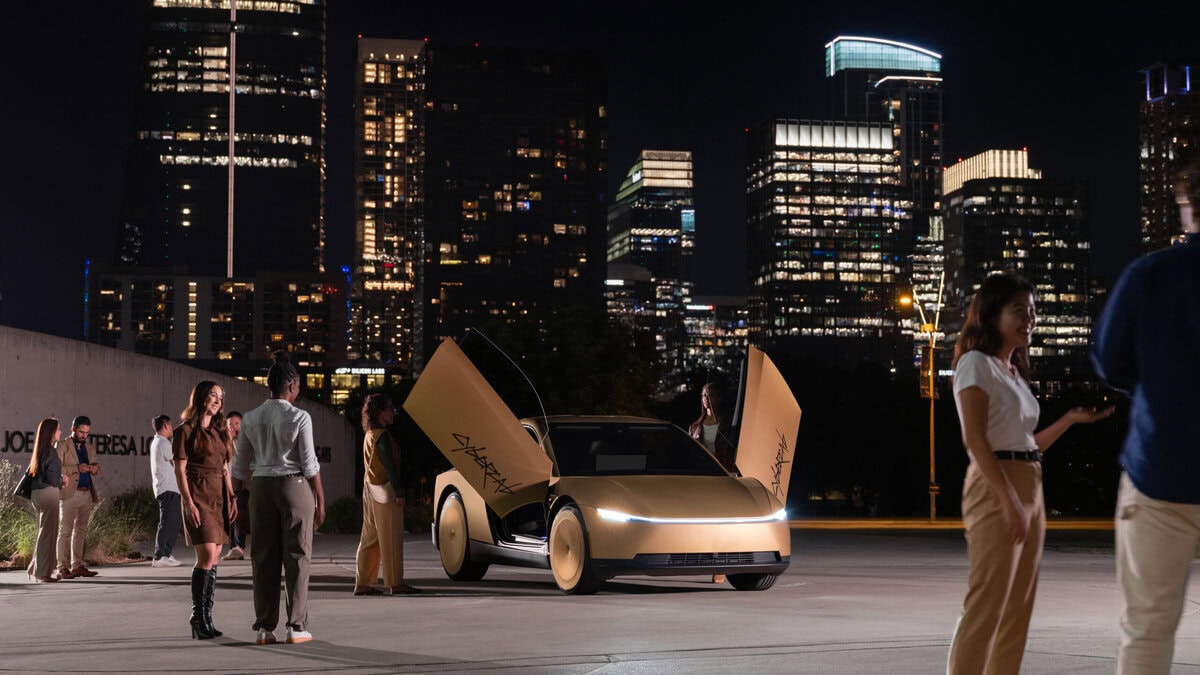
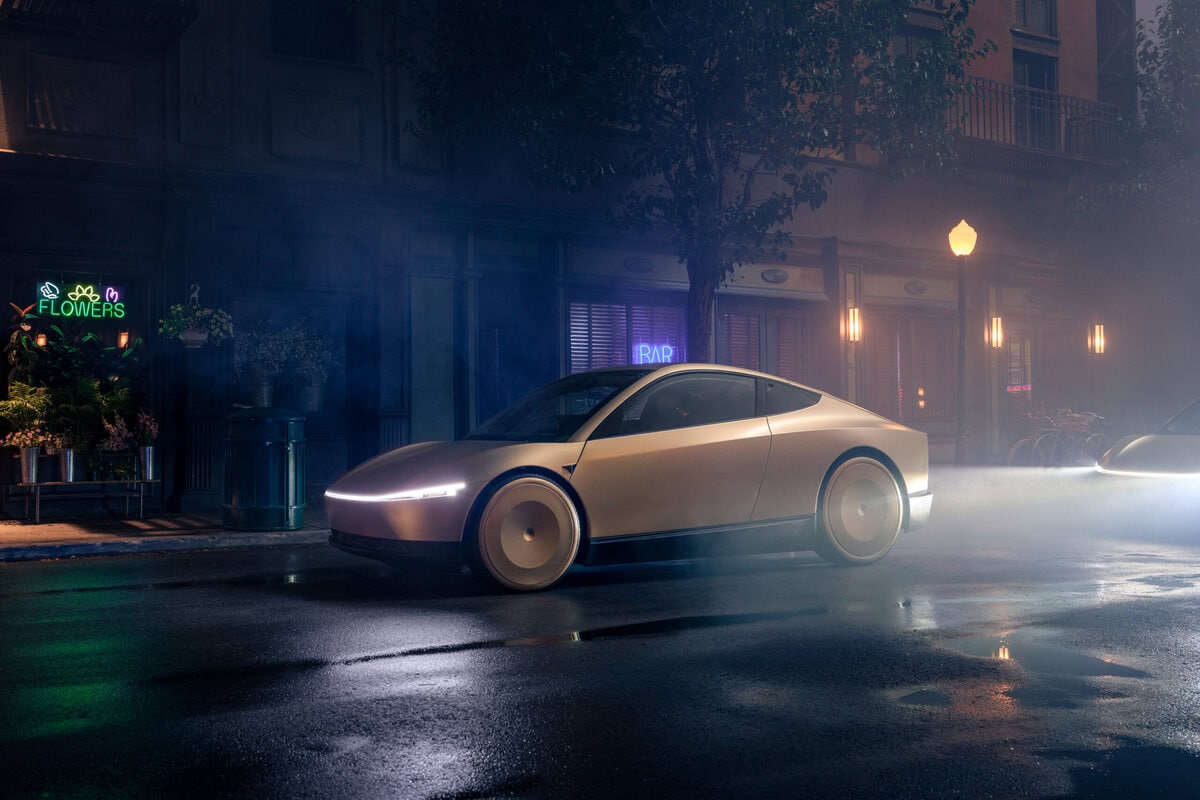
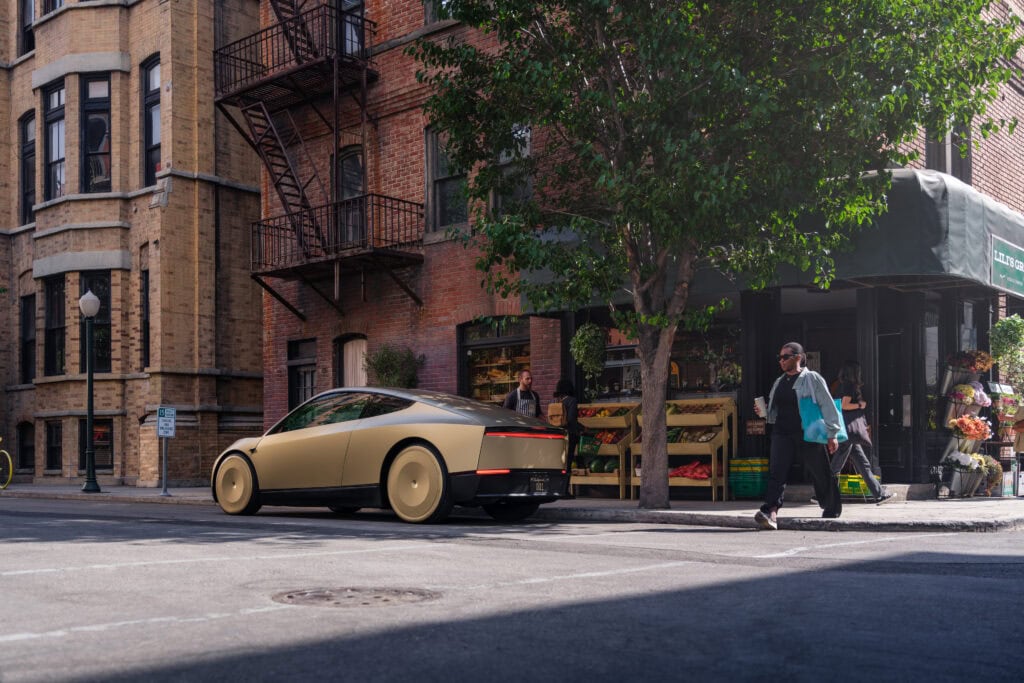
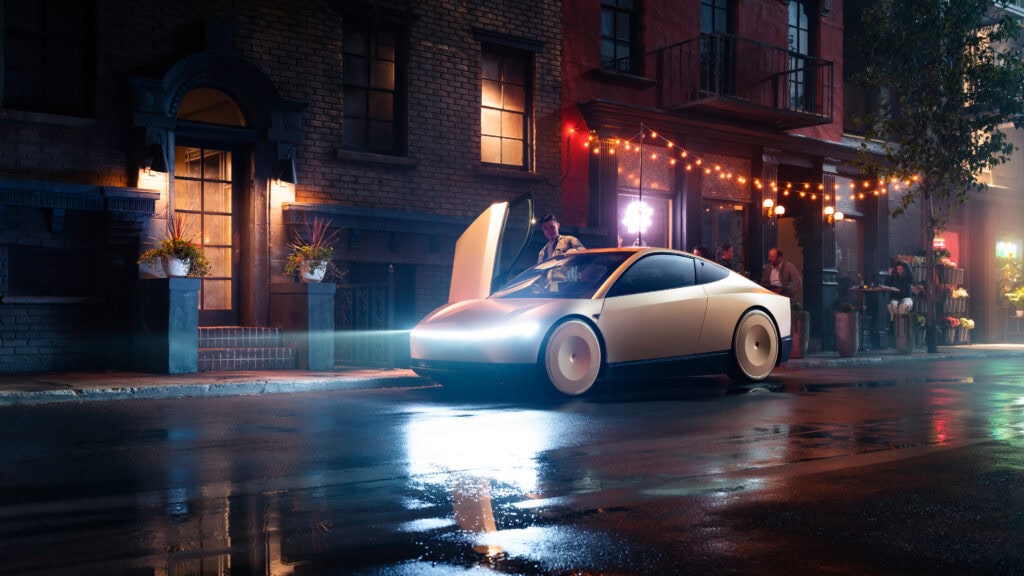
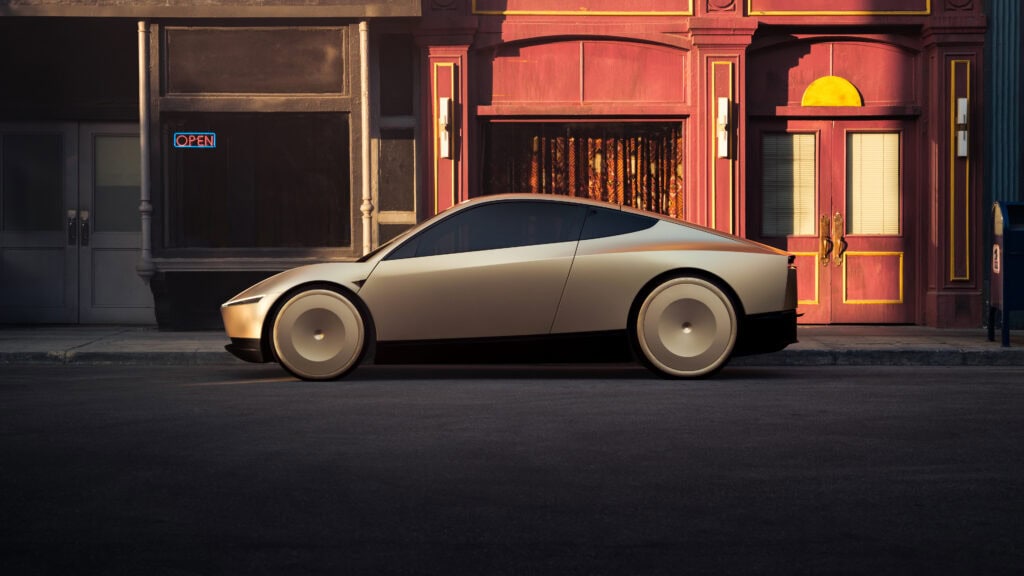
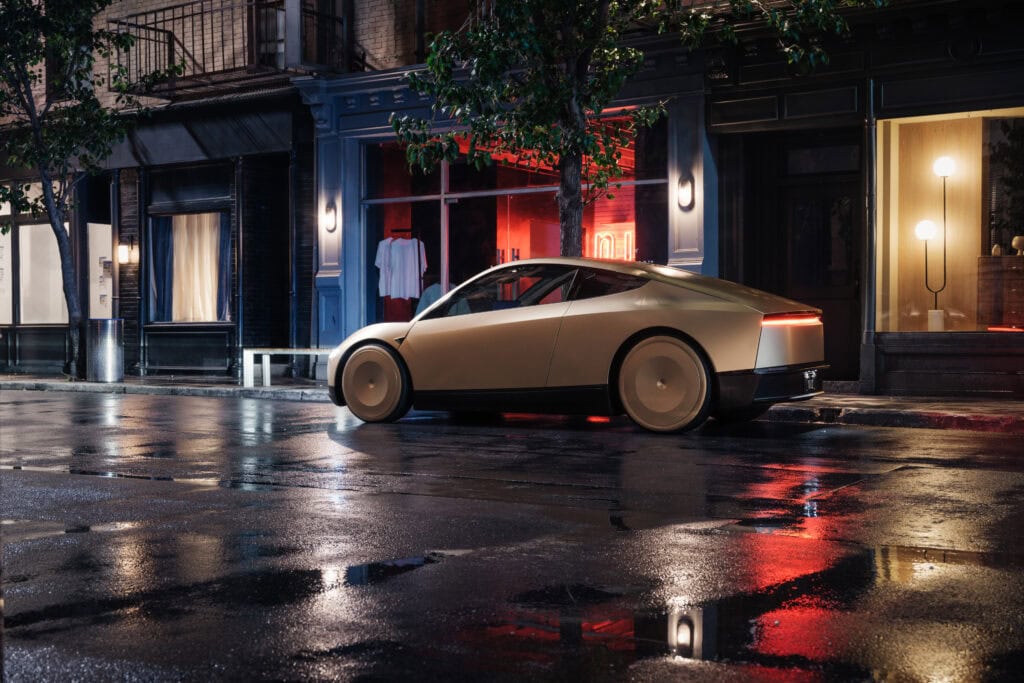
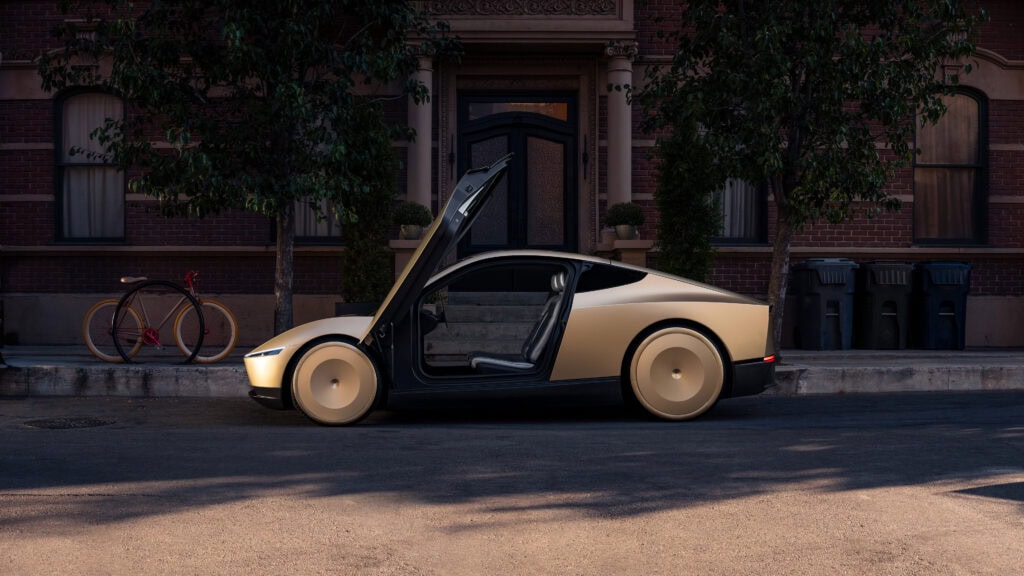
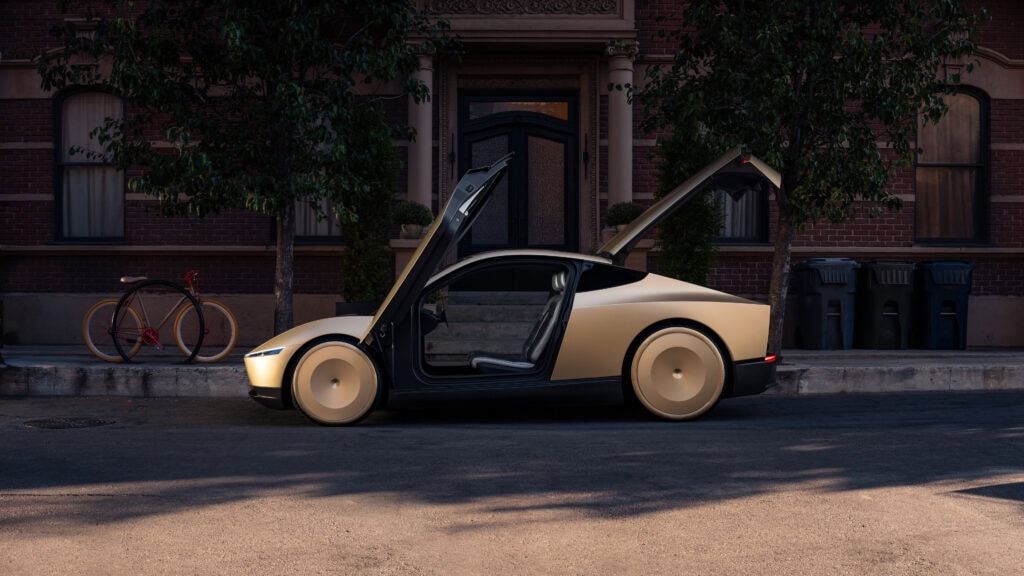
Cybercab looks more like an expensive concept vehicle than a practical commuter car. Its gold-colored exterior, upward-opening doors and minimalist interior certainly attract attention. But the absence of driving controls is what fundamentally changes the ownership proposition.
There are two passenger seats, a touchscreen and luggage accommodation for two checked suitcases plus two carry-on bags. No steering wheel. No accelerator. No conventional brake pedal. If the computer decides to stop, you cannot simply take over and drive around the problem.
Tesla’s own passenger instructions describe an emergency stop control and options for requesting help. Those are useful safeguards, but they are not substitutes for independent control of the vehicle.
The distinction between Level 4 automation and unrestricted Level 5 capability is especially important. A vehicle capable of operating without a driver within designated conditions is not necessarily capable of traveling everywhere a conventional car can go.
Buyers should ask Tesla for the precise operational limits rather than assuming that autonomous means universally autonomous.
You may also enjoy: Tesla Robotaxi School Zone Speeding: Can AI Be Trusted?
Can You Legally Own a Car Without a Steering Wheel?
Technically, the removal of a steering wheel is not automatically illegal under every federal vehicle standard. The complicated part is proving that the complete vehicle satisfies all applicable safety requirements.
On September 4, 2026, the National Highway Traffic Safety Administration opened an inquiry into Tesla’s certification of Cybercab following its deployment in Austin.
Regulators are examining how Tesla applied existing federal requirements to a vehicle without conventional human controls. This is an active compliance inquiry, not a final government finding that Cybercab is unsafe.
Federal officials have already begun proposing changes to regulations written around human-driven vehicles, including manual brake requirements.
There is also an existing vehicle exemption process that can allow limited sales of qualifying automated vehicles that do not fully comply with certain standards. These exemptions require specific safety demonstrations and are not unlimited permission for mass-market sales.
The important question is which regulatory pathway Tesla intends to use for privately owned Cybercabs, and whether that pathway supports the production and sales volumes the company ultimately wants.
You may also enjoy: Waymo’s Chinese Cars Reveal a US Import Loophole
Owning a Robotaxi Is Not Like Owning a Model 3
A Tesla Model 3 equipped with Full Self-Driving (Supervised) still has a licensed driver responsible for monitoring the road. The Cybercab depends on its automated system to perform the journey.
That creates a very different ownership experience. Suppose you want to visit friends outside the vehicle’s supported operating area. Or a winter storm closes a familiar highway. Perhaps an unexpected construction crew redirects traffic along an unsuitable road.
Can Cybercab complete the trip? Will its software refuse certain destinations? How will it recover when it cannot proceed? Tesla needs to provide clear consumer answers before private ownership becomes a sensible proposition.
There’s another important difference between running a commercial fleet and supporting privately owned vehicles.
Fleet operators can organize maintenance, dispatch assistance and arrange recovery around their service areas. Someone who buys a Cybercab may reasonably expect access to similar support without the administrative complexity of operating a taxi company.
Tesla has yet to establish complete public details of the private-ownership support arrangements, warranty provisions and geographic operating limitations.
You may also enjoy: Mercedes-Benz NVIDIA Deal: What Drivers Should Know
The Price of Giving Up Control
The most interesting number associated with Cybercab is also one that buyers should treat carefully: its eventual retail price.
Tesla has previously promoted ambitious affordability targets for automated transportation, but a final, confirmed consumer purchase price has not been established for the proposed 2026 private-customer rollout.
Nor should prospective owners assume the economics of a commercial robotaxi automatically translate into an inexpensive privately owned car.
Insurance deserves particular scrutiny. Who carries responsibility following a collision when the occupant has no ability to steer or brake? What happens if a software update changes the locations where the vehicle can operate?
Financing, depreciation, repair availability and the cost of maintaining the automated-driving system also belong in any realistic ownership calculation.
Consumers should evaluate the complete financial commitment rather than concentrating on a manufacturer’s anticipated purchase price.
You may also enjoy: Cost of Car Ownership: What Your Payment Hides
What Tesla Must Prove About Safety
Eliminating the human driver could eventually eliminate many errors associated with distraction, fatigue and impaired driving. That is an important potential benefit, but a potential benefit is not proof of a safer vehicle.
Automated systems introduce different challenges involving perception, unusual situations, degraded equipment and the software’s ability to make appropriate decisions.
Federal automated-vehicle crash reporting provides information that can help identify safety problems. However, raw crash totals should not be used as simplistic rankings between companies because operating conditions, mileage and reporting practices differ.
For Cybercab, the persuasive evidence will be consistent performance across its intended operating conditions, independently examinable safety data and effective procedures when something fails.
That is a more useful standard than a spectacular product demonstration.
You may also enjoy: Tesla Flying Roadster: Real Car or Elaborate Stunt?
Could You Make Money With Your Cybercab?
Tesla’s broader vision involves autonomous vehicles transporting passengers for payment. That makes the Cybercab potentially more interesting than a conventional commuter vehicle that spends much of its life parked.
But buying a robotaxi does not automatically create a profitable taxi business.
An owner would need to understand eligibility to operate within Tesla’s network, commercial insurance arrangements, cleaning and maintenance responsibilities, service charges, permitted locations and how revenue is distributed.
There is also the uncomfortable possibility of purchasing an expensive vehicle that can work only within a smaller geographic area than expected.
The national automated-vehicle strategy outlines federal priorities, but local operating rules and practical market conditions still matter.
Until Tesla publishes a complete customer ownership agreement, potential returns should be regarded as speculative rather than dependable income.
Shopping note: For conventional vehicles that still need protecting from muddy shoes and everyday use, Shop OEDRO directly or Shop OEDRO on Amazon. Use code NIKM20 at the OEDRO official store. Check fitment and applicable offers before purchasing. Test Miles may earn a commission from purchases made through these affiliate links.
Would I Recommend Buying a Tesla Cybercab?
Not yet. Not because autonomous vehicles are inherently a bad idea, but because buying a car you cannot drive requires a rather greater degree of trust than buying one you can.
I would want a confirmed price, clear operating boundaries, validated safety performance, transparent insurance arrangements and a realistic explanation of what happens when the technology cannot complete a journey.
Most importantly, I would want evidence that the model available to private customers provides dependable transportation outside a carefully controlled demonstration.
Tesla deserves credit for challenging the design assumptions of the automobile. The Cybercab could eventually make independent mobility more accessible to people who cannot drive, and potentially reduce the cost of certain journeys.
But until those practical questions are answered, there is a significant difference between wanting a future without steering wheels and spending your own money to become part of the experiment.
For the moment, I’ll keep the steering wheel. I’ve grown rather fond of deciding where the car goes.