Tesla Robotaxi School Zone Speeding: Can AI Be Trusted?
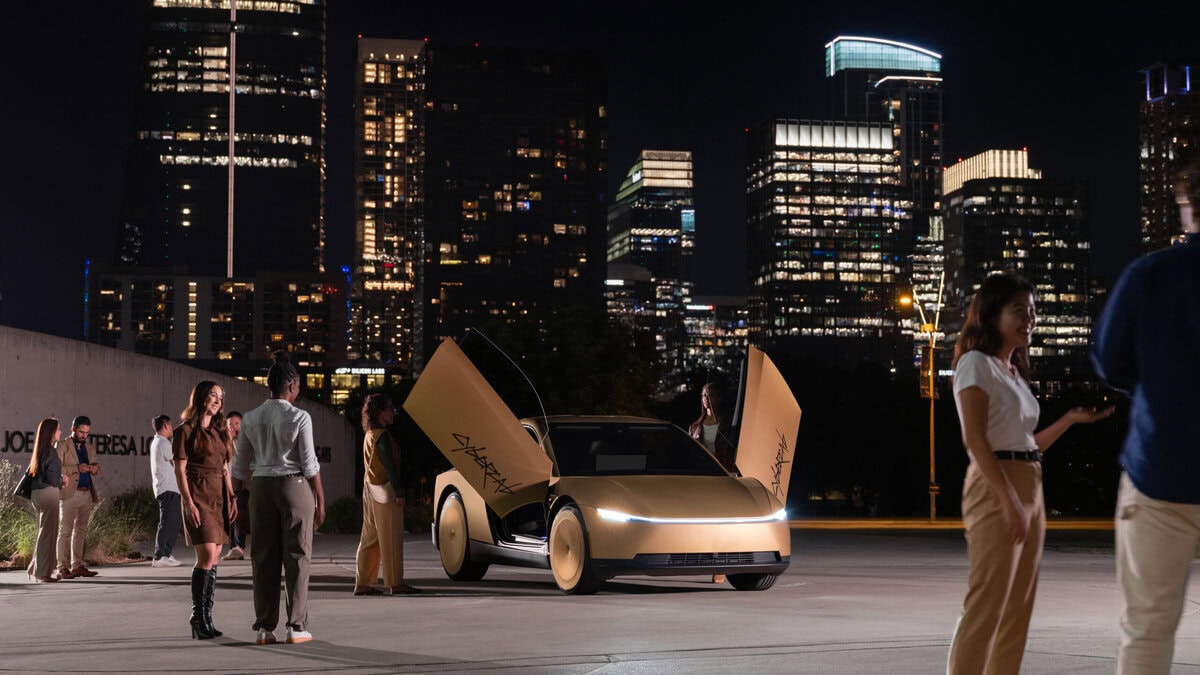
Tesla robotaxi school zone speeding allegations have prompted a federal review of Model Y and Cybercab vehicles, testing confidence in autonomous driving.
By Nik J. Miles | Test Miles
A Tesla can identify traffic lights, follow winding roads and make decisions about the vehicles surrounding it. But apparently, federal safety officials now have to examine whether its robotaxi technology understands something most teenagers learn before receiving a driver’s license: slow down when driving past a school.
The National Highway Traffic Safety Administration has opened a defect-petition review involving model-year 2026 Tesla Model Y and Cybercab robotaxis. The complaint alleges that vehicles operating under Tesla’s Automated Driving System exceed posted speed limits in active school zones.
It’s a particularly revealing test of autonomous technology because school-zone restrictions are not always simple numerical limits. Some depend on flashing lights, specified hours or the presence of children.
For a human driver, that’s an ordinary part of paying attention. For a computer, the challenge involves recognizing signs, interpreting context and applying the appropriate rule at precisely the right moment.
You may also like this video:
Tesla Robotaxi School Zone Speeding: What NHTSA Found
First, let’s distinguish the allegation from an established safety defect.
On September 23, 2026, NHTSA received a petition asking it to investigate Tesla robotaxis. The agency opened case DP26010 on October 9.
The petition included three links to video footage. The agency’s opening record identifies four reports associated with the complaint, including three social-media reports.
According to the official investigation record, there were no crashes, injuries or deaths among those reports.
The document identifies approximately 1,000 vehicles as the estimated population potentially involved. That is a regulatory scope estimate, not a count of vehicles proven to have violated speed limits.
NHTSA is deciding whether the petition warrants a formal defect investigation. No defect determination or recall has resulted from this review.
That makes the question important without making the allegations conclusive.
You may also enjoy: Tesla’s Bad Week: Robotaxis, Lawsuits, and Sliding Sales
The Technology Problem Nobody Notices Until It Goes Wrong
Consider a vehicle approaching a school with a flashing sign announcing a reduced speed limit.
The computer needs to recognize the sign, determine whether the warning lights are active, understand the applicable local rule and adjust its speed in time.
If the restriction operates only during specified hours, the vehicle must distinguish between a school zone and an active reduced-speed-limit period.
Some school districts change schedules for holidays or early dismissal. Signs can be obscured by vegetation, weather or parked vehicles. Temporary construction signs add another complication.
A human driver can make mistakes in these circumstances too. That is precisely why the ability to follow traffic rules reliably is so important.
Tesla’s camera-based approach to automated driving makes visual interpretation central to how its vehicles operate. But identifying a sign and understanding when its instructions apply are separate technical challenges.
NHTSA’s automated-vehicle safety guidance explains the distinction between driver-assistance technology and systems designed to perform the complete driving task.
There is also a practical limit to what the current petition tells us. Its public summary does not establish the specific technical cause, if any, behind the alleged events.
It would be premature to blame a particular camera, mapping system or software function without the underlying engineering evidence.
You may also enjoy: Robotaxis in 2026: Are We Ready for Driverless Cities?
Why a Driverless Taxi Is Different From Your Tesla
Here’s an important distinction that often disappears in conversations about Tesla.
Full Self-Driving (Supervised), available to consumers, is a driver-assistance feature. Tesla requires the person behind the wheel to monitor the vehicle and remain ready to intervene.
The company’s driverless robotaxi ambitions involve an Automated Driving System that performs the driving task within its intended operating conditions.
Those are different levels of responsibility.
Tesla’s own vehicle safety reporting discusses its supervised technology, including accumulated driving mileage and collision comparisons.
Those figures should not automatically be treated as proof of safety performance for an unsupervised robotaxi service.
Different technologies, operating conditions and reporting methods can produce different results.
The distinction matters to consumers because a car that assists a vigilant driver and a taxi that operates without one require different kinds of safety assurance.
You may also enjoy: Cars Are Now on Faster Networks Than Their Drivers
How Does Tesla Compare With Other Robotaxis?
Autonomous-driving developers are taking different technical approaches to the same enormous challenge.
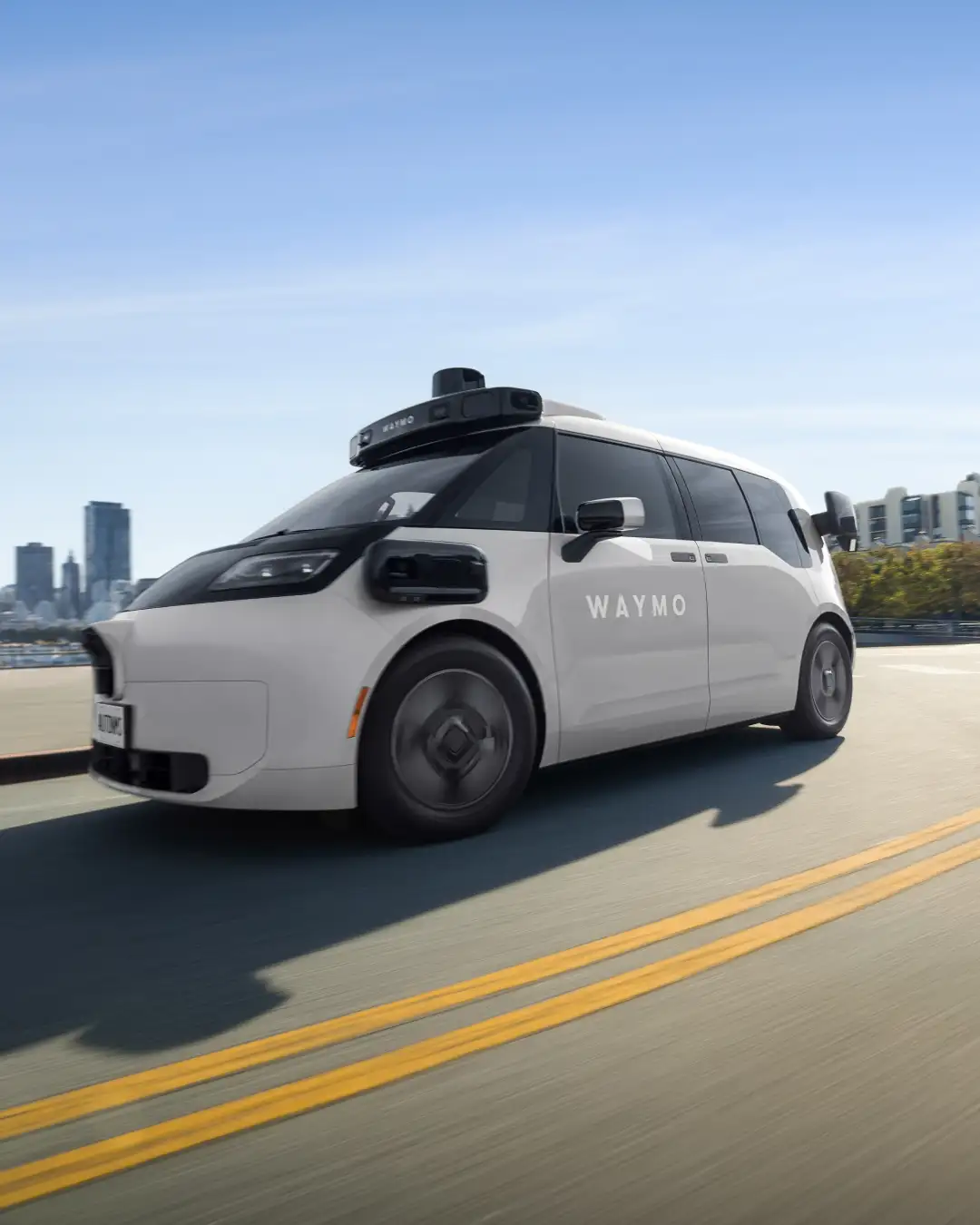
Waymo uses cameras, radar and lidar as part of its vehicle-perception system, while Tesla has emphasized camera-based driving technology.
Additional sensor types can provide different kinds of environmental information, but sensor choice alone does not establish that one vehicle will obey every traffic law more reliably than another.
Safe performance depends on the integration of perception, decision-making, vehicle control and the operating environment.
Both approaches must handle pedestrian crossings, emergency vehicles, temporary road restrictions and unexpected behavior by human road users.
The public should therefore be cautious about declaring any automated-driving company safest from a handful of incidents or promotional statistics.
NHTSA’s crash reporting program gathers information about certain incidents involving automated vehicles and advanced driver-assistance systems.
The agency cautions that reporting differences and exposure levels complicate comparisons between companies.
That is a much more useful starting point than deciding the winner from a collection of alarming social-media clips.
You may also enjoy: Robotaxi Privacy: What Waymo and Tesla Record
What Parents and Passengers Should Watch
For the families living near a school, the manufacturer of an autonomous car is less important than what it actually does when approaching a crossing.
Does it reduce speed when required? Does it anticipate people stepping into the road? Can it distinguish a school crossing guard’s instructions from ordinary pedestrian movement?
These are measurable behaviors, although evaluating them properly requires more than a short video.
Investigators would benefit from verified vehicle speed, the legal limit applicable at the exact location and time, and available system logs showing how the vehicle responded.
Anyone who witnesses potentially unsafe behavior by an automated vehicle can submit information through NHTSA’s vehicle safety complaint system.
A useful report should identify the time, location, vehicle and observed behavior as accurately as possible. Supporting original footage may help investigators evaluate the concern.
For Tesla owners, the school-zone petition does not establish that their privately owned Model Y has the same alleged problem. The filing specifically concerns identified robotaxi configurations and automated operation.
You may also enjoy: Toyota and Waymo Team Up to Test Self-Driving Taxis in Japan
Could This Slow Tesla’s Robotaxi Expansion?
Tesla has positioned autonomous ride-hailing as a major part of its future business. Growing that service requires vehicles, software, maintenance facilities, regulatory compliance and public confidence.
An unresolved safety question can complicate that expansion, particularly if investigators identify behavior requiring software changes or further validation.
But the opening of a defect-petition review does not automatically prevent additional deployments.
NHTSA can grant or deny the petition. A formal investigation, if authorized, would be another stage in determining whether a safety-related defect exists.
Any potential recall or remedy would depend on subsequent evidence and regulatory findings.
And it is possible for regulators to conclude that the current evidence does not establish the alleged defect.
Shopping note: For readers looking after their own vehicles, all-weather floor mats are a practical accessory to consider. Shop OEDRO directly or Shop OEDRO on Amazon. Use code NIKM20 at the OEDRO official store. Check vehicle compatibility and offer terms before ordering. Test Miles may earn a commission from purchases made through these affiliate links.
The Real Test of Driverless Technology
There is a certain irony in an industry spending billions to teach vehicles how to drive themselves while regulators examine whether those vehicles understand when to slow down outside a school.
But solving ordinary situations is the foundation of a trustworthy autonomous service.
A robotaxi doesn’t need to impress passengers with complicated maneuvers. It needs to get them to their destinations safely, obey traffic laws and respond predictably when circumstances change.
Tesla has not been found responsible for the school-zone violations alleged in this petition. Federal investigators are still evaluating whether there is sufficient evidence to proceed.
What this case illustrates is the standard that autonomous transportation must meet.
Drivers will make mistakes. Computers will encounter situations their developers did not anticipate. The task for autonomous-vehicle companies is to demonstrate that their systems can handle those challenges with an acceptably high level of safety.
Before we celebrate a car capable of driving itself through an entire city, it seems reasonable to ask whether it can reliably obey the signs outside the local elementary school.