Hyundai Santa Fe EREV: What 600 Miles Really Means
The Hyundai Santa Fe EREV promises 600-plus miles, but battery range, charging speed, price and generator behavior will decide its value.
I was inside the hall in South Korea when Hyundai Motor Company put an extraordinary number on the screen: 58 North American vehicle launches and major updates by 2030. That figure is going to create plenty of headlines, but the vehicle shoppers are most likely to remember is the Hyundai Santa Fe EREV.
Hyundai says this extended-range electric SUV will arrive in the first half of 2027, travel more than 600 miles using its battery and onboard range extender, and be built in Alabama. That could make electric-motor driving far easier for families who regularly cross long distances or live beyond the most reliable fast-charging corridors.
It could also produce a very expensive, very complicated SUV if the battery-only range is too short, the generator is intrusive or the price lands too close to premium territory. Hyundai has announced the solution before publishing the numbers that prove the solution works. The useful response is not cynicism or applause. It is a precise shopping list of what still needs to be answered.
You may enjou this video:
Hyundai Santa Fe EREV needs its 600-mile claim translated
The first distinction is simple and essential: Hyundai is targeting more than 600 miles of total range, not 600 miles on battery power alone. The vehicle is intended to drive through electric motors, while an internal-combustion engine acts as an onboard source of electricity once the plug-in battery reaches its lower operating limit.
The U.S. Department of Energy explains series plug-in hybrids as vehicles in which the electric motor drives the wheels and the engine generates electricity. DOE notes that these vehicles are often called extended-range electric vehicles, although some designs can use a mechanical connection under particular conditions. Hyundai has described its system as electric propulsion with an onboard charger, but final U.S. technical documentation will determine the exact operating modes.
That makes the eventual EPA label far more useful than a presentation slide. The EPA separates electric operation from gasoline operation when explaining plug-in hybrids, using MPGe for electric driving and MPG for gasoline use. The agency also warns that weather, speed and climate-control demand can change real-world range. Hyundai’s 600-plus-mile target is meaningful, but it is not yet an EPA-certified result.
You may also enjoy: Genesis EREV: What Its 640+ Mile Range Really Means
Hyundai says the EREV can deliver battery performance comparable to a full EV while using less than half as much battery capacity. If validated, that is arguably more important than the range headline. Smaller packs can reduce cost, vehicle mass and exposure to battery-material prices. They also leave room for an engine, fuel tank and emissions hardware, which is the less glamorous half of the bargain.
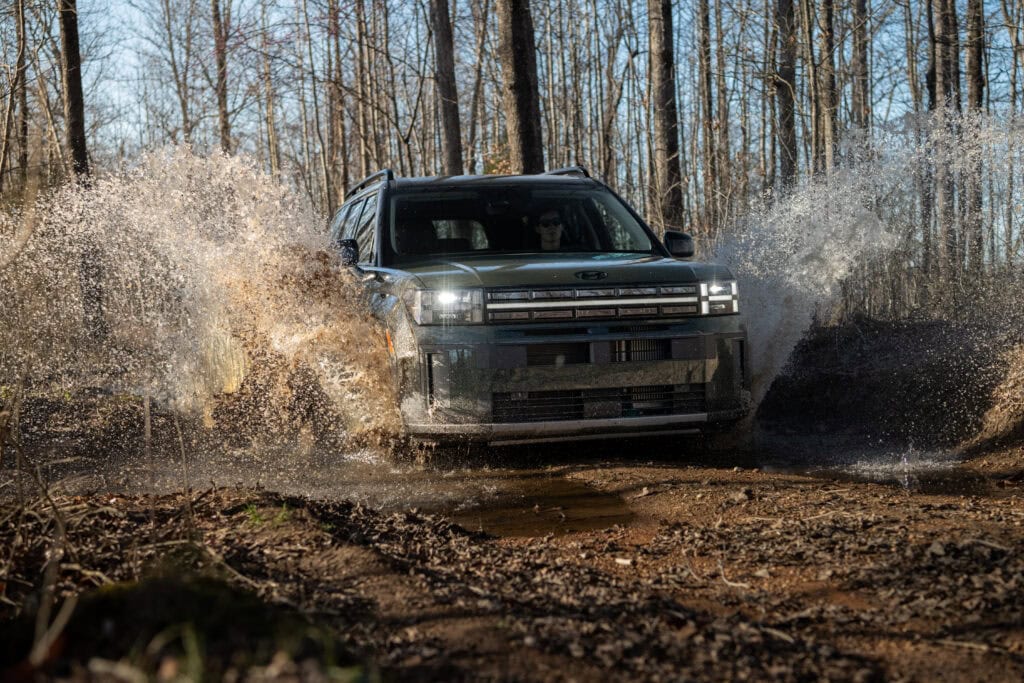
Who should actually consider an extended-range SUV?
The strongest customer is not someone who refuses to plug in. It is a driver who can charge regularly but occasionally needs far more range than a battery EV provides conveniently. Picture a household with a garage, a weekday commute of 30 or 40 miles and repeated weekend journeys through rural areas. If the Santa Fe covers routine driving from the grid, the engine becomes backup rather than the primary energy source.
Home charging changes that calculation. DOE’s guidance to residential EV owners explains the choice between Level 1 charging from a 120-volt outlet and faster Level 2 equipment. Hyundai has not said how quickly the Santa Fe EREV will accept AC power, but an overnight refill should be the basic ownership expectation. A plug-in vehicle that is inconvenient to plug in can quickly become a gasoline vehicle carrying an underused battery.
A different buyer may be better served by Hyundai’s conventional hybrids. They do not need external charging and can improve city efficiency without asking the owner to change routines. The latest Palisade Hybrid already demonstrates Hyundai’s ability to combine family space, useful power and long total driving range. An EREV makes sense only if its larger battery and electric propulsion create a distinctly better daily experience.
You may also enjoy: SUV Showdown: Palisade vs Telluride vs Grand Highlander
Apartment dwellers without dependable charging should wait for the final fuel-economy data before assuming the EREV is automatically the efficient choice. So should high-mileage highway drivers who would spend much of every day operating beyond the plug-in range. The right customer will use electricity often enough to justify carrying both systems.
The missing specifications will determine whether it works
Battery-only range is the first number Hyundai owes shoppers. Forty miles would create one ownership pattern, while 100 or 150 miles would create another. Pack capacity matters because it affects curb weight, charging time, cargo packaging and replacement cost. DC fast-charging capability matters because a family may still prefer a quick electrical stop when it is convenient instead of starting the engine.
The EPA’s range-testing explanation shows why a combined laboratory figure is useful for comparison but cannot reproduce every trip. The Santa Fe will need separate, certified information for electric range, energy consumption and gasoline operation. A giant total can hide mediocre efficiency after the battery reaches its lower limit.
Then comes generator behavior. Hyundai has not disclosed the engine, fuel-tank capacity, generator output or operating strategy for the U.S. Santa Fe EREV. Shoppers should ask whether the system can maintain performance on a long interstate grade with a full cabin, luggage, heat or air conditioning in use. Towing creates an even tougher demand. A range extender that sounds calm in a demonstration can become rather more conversational when it must support a heavy SUV at highway speed.
Maintenance and warranty details will also matter. DOE’s electric-vehicle maintenance guide notes that liquid-cooled battery systems may require periodic checks. An EREV adds conventional engine service to its electrical hardware. Hyundai can justify that complexity if the result is easier to live with, but the owner should know which maintenance schedule and battery protections apply.
You may also enjoy: Genesis GV80 Review: Quiet Luxury With Teeth
Finally, there is price. The technology contains much of an EV and much of a combustion vehicle. Savings from the smaller battery may offset some duplication, but Hyundai has not announced a base figure or trim strategy. A sensible premium over a comparable hybrid could make the EREV persuasive. A luxury-level price would place the Santa Fe against very different expectations for materials, refinement and dealer service.
Hyundai is hedging its powertrains with purpose
The Santa Fe is only one part of a deliberately broad electrification plan. Hyundai wants more than 10 hybrid models in North America by 2030 and expects hybrids to reach half of its regional sales mix. Battery EVs continue, while EREVs are intended to bridge the buyers who want electric response without organizing every long journey around chargers.
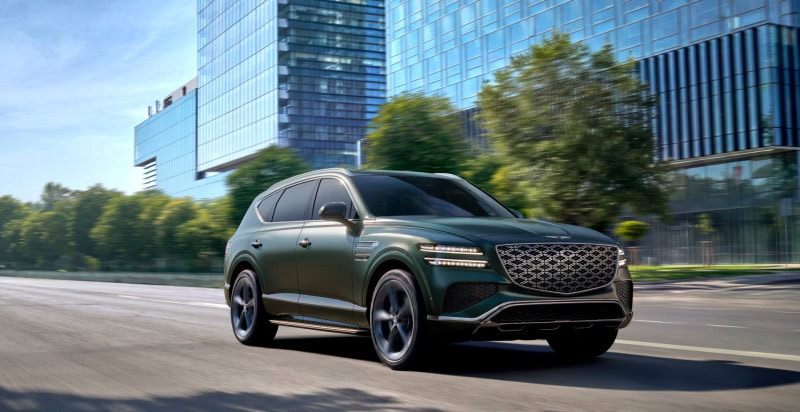
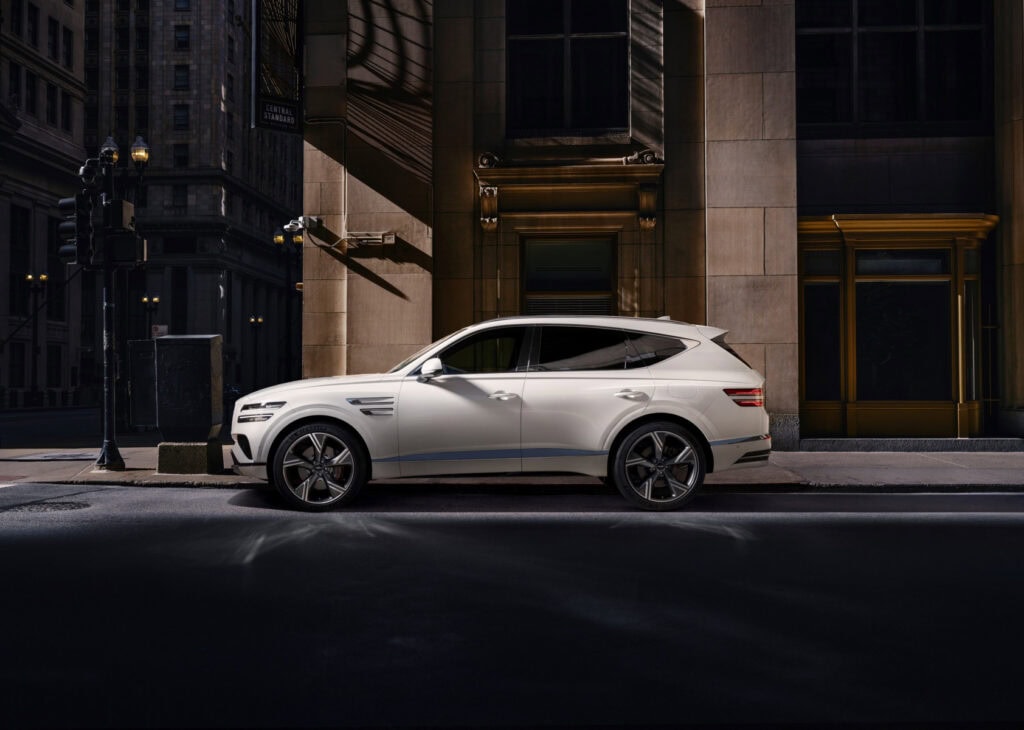
Genesis supplies a useful comparison. Its first conventional hybrid will be the GV80 Hybrid, using a turbocharged 2.5-liter engine, two electric motors and Hyundai Motor Group’s first liquid-cooled hybrid battery. The system produces 352 metric horsepower, which converts to about 347 U.S. horsepower. Genesis says that is approximately 16 percent more than the gasoline GV80 2.5 Turbo.
Genesis also reports at least a 25 percent fuel-efficiency improvement in internal testing of a rear-wheel-drive GV80 Hybrid on 19-inch wheels. That is a claim for a specific Korean-market test configuration, not a final EPA rating. The model launches first in Korea, while U.S. configuration, pricing and arrival timing remain to be announced.
You may also enjoy: Genesis GV90 Takes Aim at Rolls-Royce and Range Rover
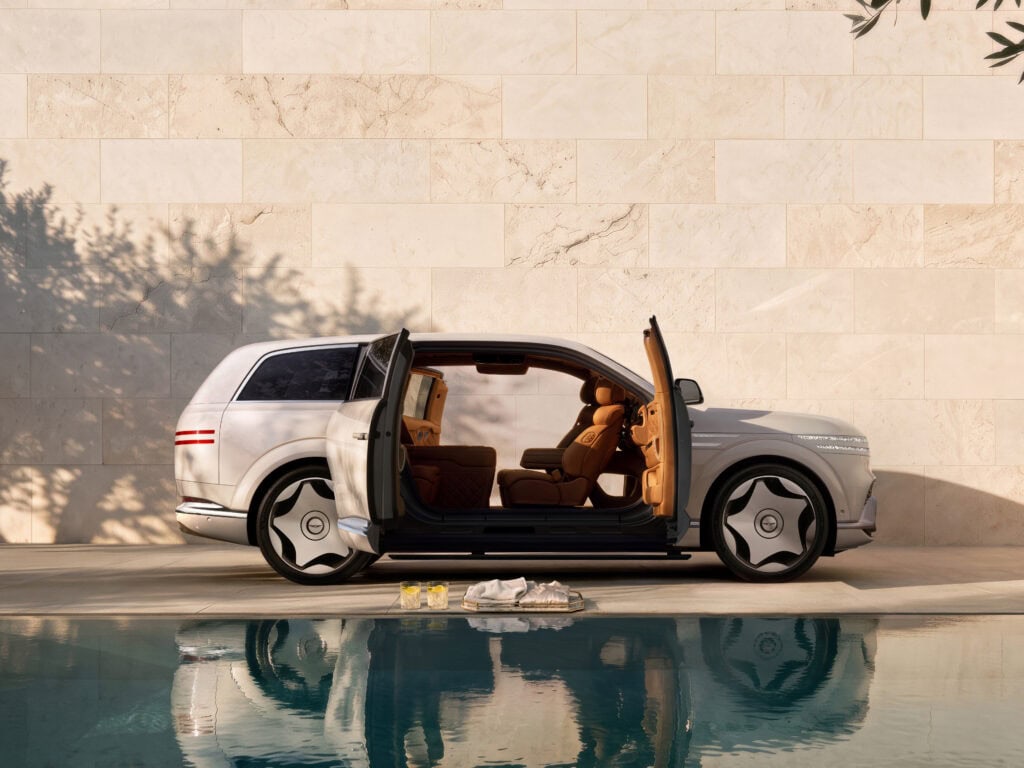
The Genesis EREV raises the total-range target beyond 640 miles, and the GV90 adds a battery-electric flagship above it. This is not a company replacing one drivetrain with another on a tidy schedule. It is building parallel answers for buyers with different homes, journeys, budgets and appetites for new technology.
That flexibility is commercially sensible, but it can become confusing. Hyundai and Genesis will need to explain hybrid, plug-in hybrid, EREV and battery EV choices without turning the dealership visit into an electrical-engineering oral examination. Clear labels, honest efficiency estimates and well-trained retailers will matter nearly as much as the underlying hardware.
You may also enjoy: Genesis Wants to Scare BMW With 22 New Vehicles
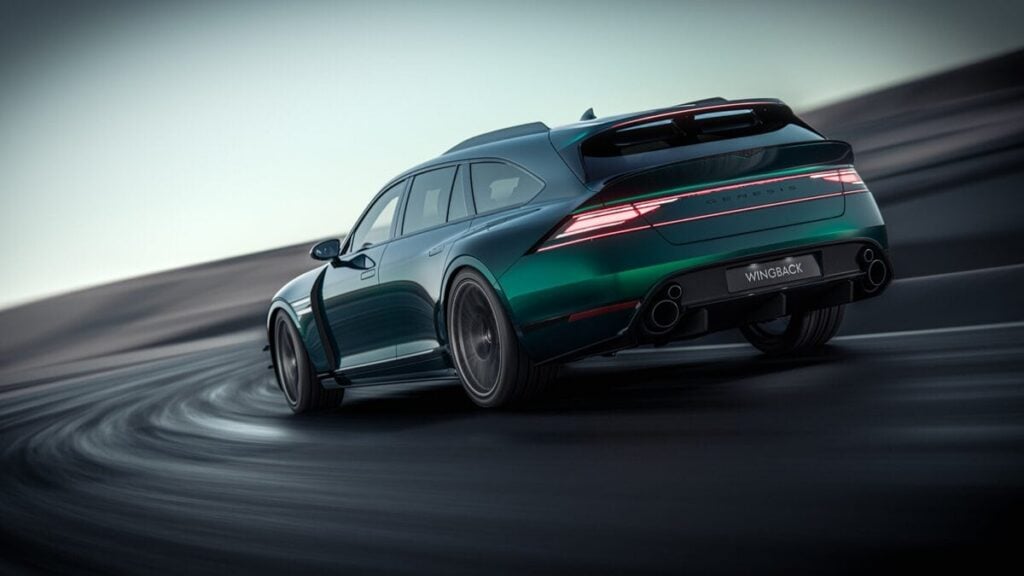
The 58-launch headline conceals a larger market move
Hyundai’s count covers new vehicles, redesigns, powertrains and significant derivatives, so nobody should expect 58 unrelated nameplates to appear. The important part is where the company is going. Its roadmap adds traditional framed products, led by a midsize pickup, plus commercial vans. It is also growing Hyundai N toward 100,000 yearly sales and giving Genesis a larger Magma performance portfolio.
Those additions spread Hyundai into categories with strong margins and loyal buyers. The pickup will need credible payload, towing, durability and dealer support rather than clever styling alone. Genesis Magma must deliver more than orange paint. A large commercial van needs the service network and uptime discipline that fleet operators treat as non-negotiable.
You may also enjoy: Genesis GT3 Concept Puts Luxury on the Grid
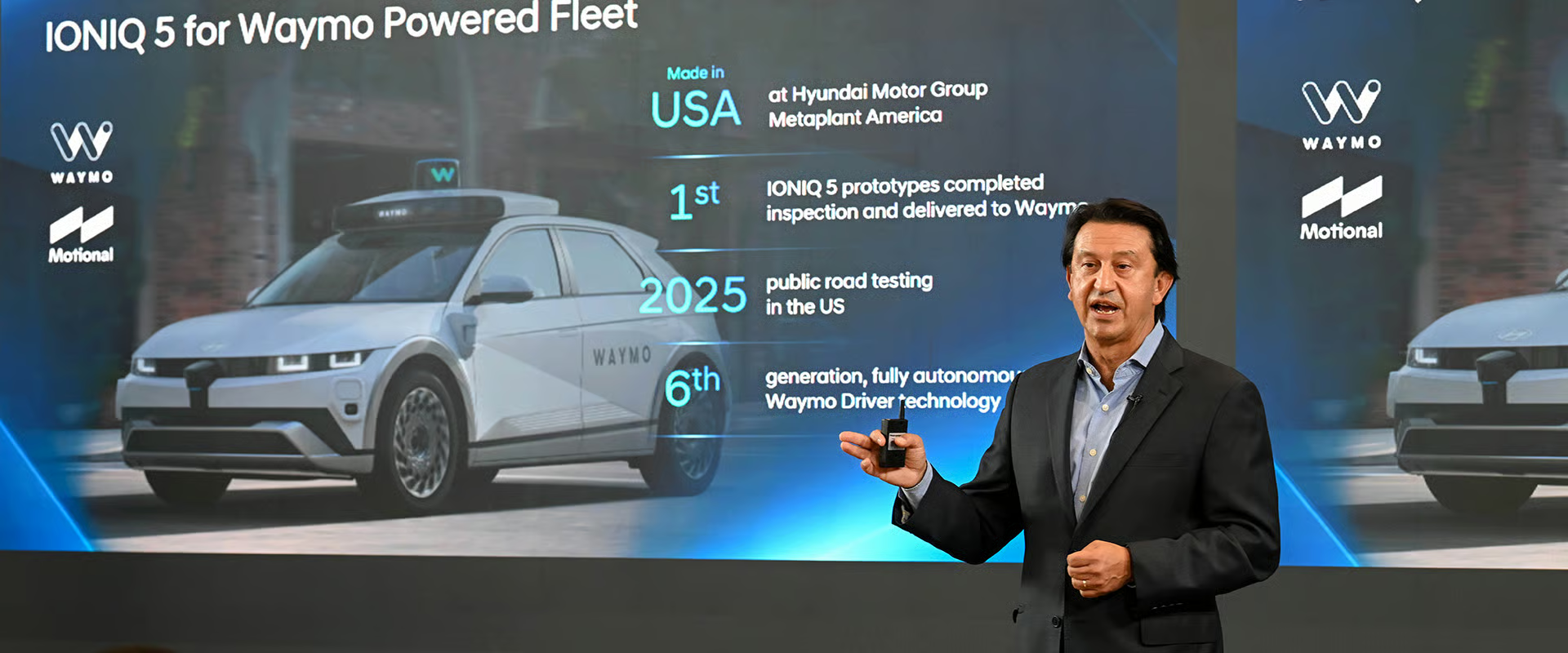
The same expansion reaches software and autonomous vehicles. Hyundai plans to deliver Georgia-built IONIQ 5 vehicles to Waymo and provide robotaxi-ready vehicles to Motional. Its own Atria AI roadmap starts with data collection and advances toward Level 2+ driver assistance before pursuing Level 4 capability. The National Highway Traffic Safety Administration’s automation guide makes the distinction clear: Level 2 still requires an engaged driver, while Level 4 can perform the driving task without a human only inside defined operating conditions.
Hyundai’s plan also raises ownership questions that do not fit on a range slide. Over-the-air updates can improve features, but shoppers deserve clarity about support periods, data collection, subscription charges and what happens to resale value when connected services change. NHTSA’s crash-reporting order for automated systems and Level 2 assistance is a useful reminder that software capability comes with continuing safety oversight.
The company is investing in U.S. vehicle capacity, a Louisiana steel mill and a robotics plant capable of 30,000 units annually. It expects about 25,000 direct jobs from its $26 billion American investment program. That gives the product plan industrial weight, but customers should still judge the finished objects rather than the size of the factory announcement.
The Hyundai Santa Fe EREV may become the clearest test of the entire strategy. It combines American production, Hyundai’s new battery work, software controls, hybrid-era caution and EV-era driving ambitions in one family SUV. If it provides substantial electric range, quiet generator operation, competitive efficiency and a rational price, the 600-mile target will feel like freedom rather than marketing arithmetic.
Until those specifications arrive, put five questions at the top of the shopping list: How far will it travel before the engine starts? How quickly can it charge? What fuel economy will it deliver after the battery is depleted? How does it behave under sustained load? What will it cost against the Santa Fe Hybrid and comparable battery EVs?
Hyundai has shown the scale of its ambition. The next step is showing the window sticker, EPA label and engineering detail that allow a family to decide whether this bridge to electrification leads anywhere useful.