Lamborghini Revuelto SV Makes Hybrid History
By Robert R Guio
Lamborghini Revuelto SV turns 55 years of Super Veloce history into a hybrid V12 test of whether electrification can still feel special.
Lamborghini Revuelto SV Is the First Hybrid SV
There is a wonderfully stubborn idea at the center of the Lamborghini Revuelto SV. The company has electrified its flagship, filled it with sensors and given it three electric motors, yet it still expects the letters SV to mean what they meant when the Miura wore them in 1971: less excess weight, more performance and a stronger connection between the driver and the car.
That is a harder assignment than adding another 50 horsepower. The standard Revuelto was already a 1,000-plus-CV V12 plug-in hybrid. Lamborghini therefore had to prove that Super Veloce could still describe a different character rather than a different line on a specification sheet.
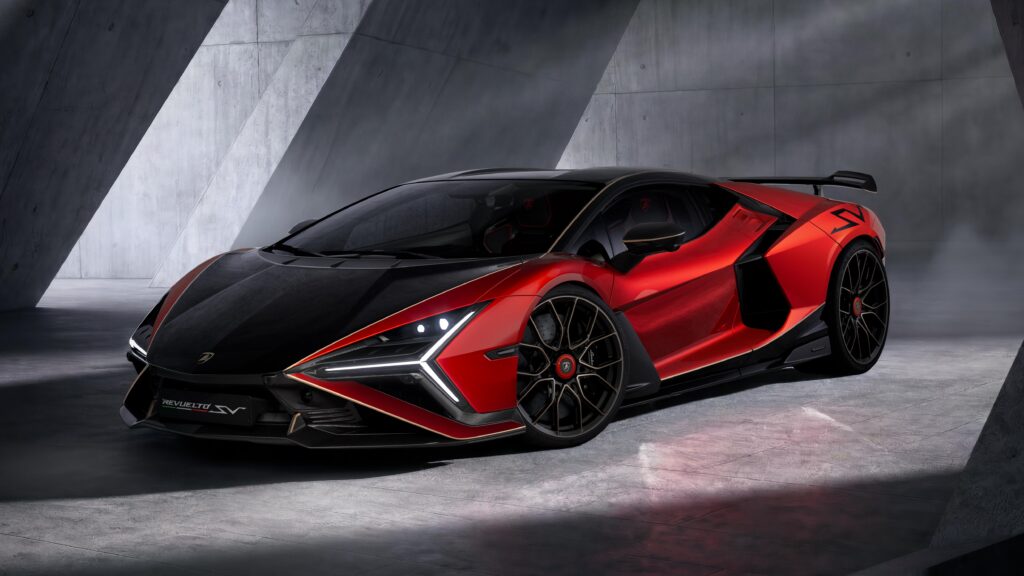
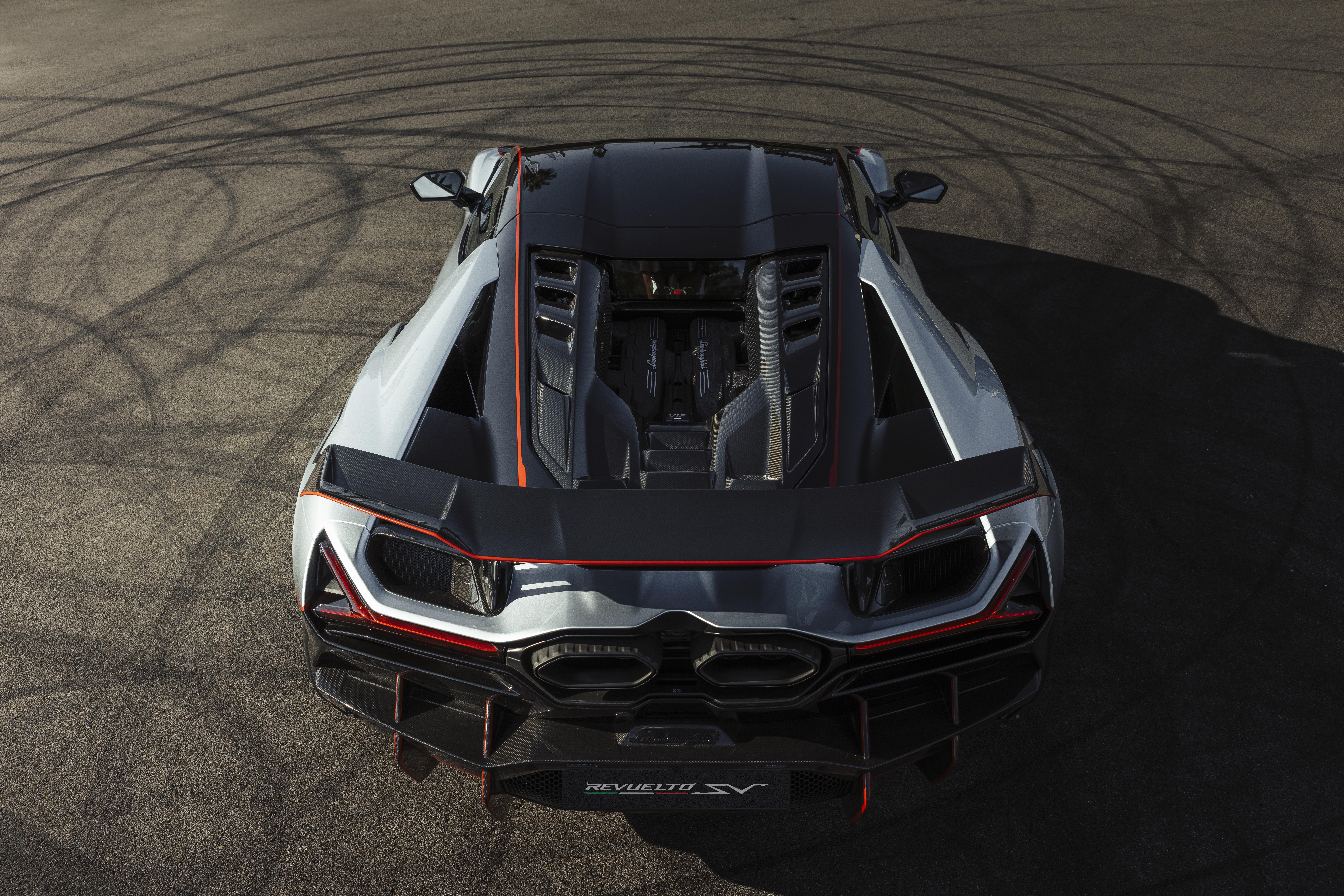
The result is the first hybrid Super Veloce in the company’s history. Lamborghini says total output rises to 1,065 CV, system torque reaches 1,425 Nm and the car accelerates from zero to 100 km/h in 2.4 seconds. It can reach 200 km/h in 6.7 seconds and exceed 345 km/h. Those numbers are outrageous, but the more interesting story is what Lamborghini changed around the powertrain.
The 6.5-liter naturally aspirated V12 remains the emotional center. It produces 825 CV at 9,250 rpm and can spin to 9,500 rpm. Two axial-flux motors drive the front wheels, while the third motor is integrated with the eight-speed dual-clutch gearbox. The battery has been upgraded to 7.3 kWh and Lamborghini says it can deliver up to four times greater performance consistency than the standard Revuelto under repeated hard use.
For a clear explanation of how a plug-in hybrid combines an internal-combustion engine, battery and electric motors, the U.S. Department of Energy’s Alternative Fuels Data Center is useful background. SAE International also maintains standard terminology for hybrid and electric vehicle architectures. Those references matter here because Lamborghini’s own HPEV label is a brand term; mechanically, the Revuelto remains a plug-in hybrid built primarily around performance.
Lamborghini Chief Marketing and Sales Officer Federico Foschini puts the customer expectation more plainly: “For our customers, an SV has always been much more than a high-performance variant.” That is the standard the Revuelto SV has to meet, because rarity alone does not make a Super Veloce convincing.
You may also enjoy: How Lamborghini Conquered Monterey Car Week
The Numbers Matter Less Than the Engineering
Super Veloce has never worked when it is treated as a horsepower badge. The best SV cars were changed in ways a driver could feel. That is why the Revuelto SV’s most important developments are the ones dealing with aero balance, braking, suspension and torque distribution.
Lamborghini says total downforce rises by 80 percent compared with the regular Revuelto, while downforce-to-drag efficiency improves by 60 percent. Brake cooling is also improved. The suspension uses manually adjustable dampers derived from GT3 racing practice, and the company claims a 17 percent improvement in agility and 10 percent more lateral grip.
The braking system is equally serious. Lamborghini uses its new CCM-R Plus carbon-ceramic hardware and integrates braking with a six-axis sensor and predictive vehicle-dynamics logic. The sensor measures acceleration and rotational movement around the car’s three axes, allowing the control software to estimate speed, slip angle and available grip. That does not make the Revuelto SV autonomous or detached. It gives the chassis systems more information before they decide how much intervention is required.
Pilota mode then gives the driver a five-stage traction-control adjustment aimed at track use. That is a revealing choice. Modern supercars are so powerful that completely removing electronic assistance can be less useful than allowing a skilled driver to choose how much assistance remains. The system is not an admission that the car is too complicated. It is an attempt to make the complication adjustable.
Tires are part of that equation as well. Bridgestone developed Potenza Race R semi-slicks specifically for the car, alongside road-focused Potenza Sport and winter Blizzak options. At this level of performance, tires are not accessories. They are part of the suspension, braking and traction system. NHTSA’s tire-safety guidance is much less glamorous than a 1,000-horsepower Lamborghini, but it is a useful reminder that pressure, condition and correct fitment directly affect how any high-performance tire performs.
The best evidence that the engineering package works is not Lamborghini’s adjectives. It is a number: 1 minute, 41.6 seconds around Hockenheimring with factory driver Marco Mapelli. Lamborghini says that was the fastest production-car lap recorded at the circuit. A single lap does not tell us how the car behaves on a broken public road or after several hours in traffic, but it does demonstrate that the SV modifications produce measurable track performance.
You may also enjoy: Lamborghini Monterey Car Week: Miura Meets 801-HP Urus
What 55 Years of SV Actually Means
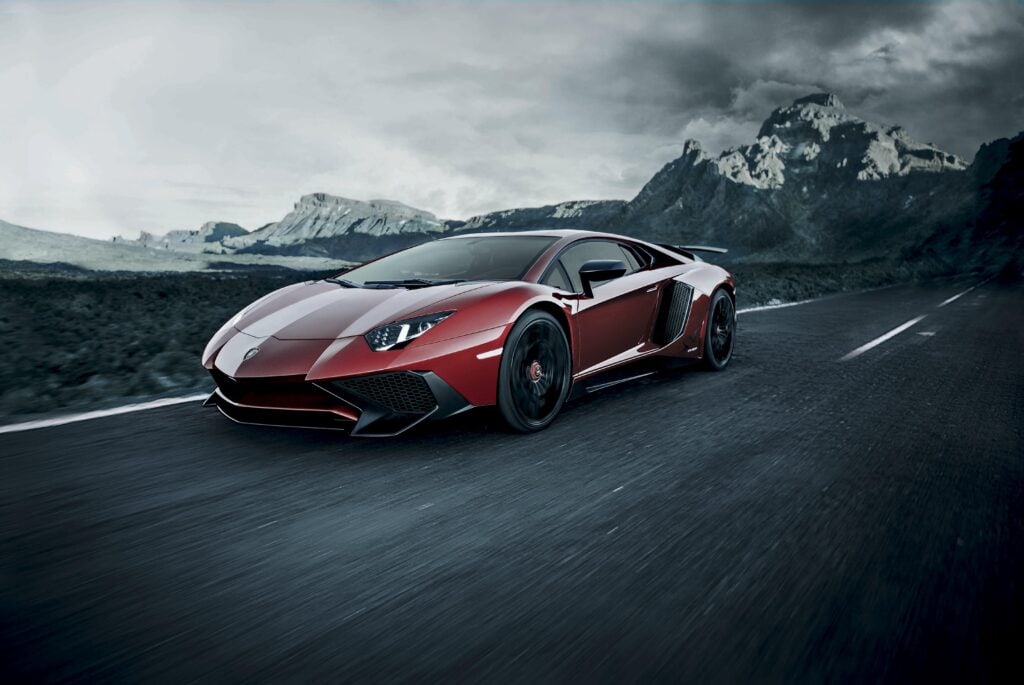
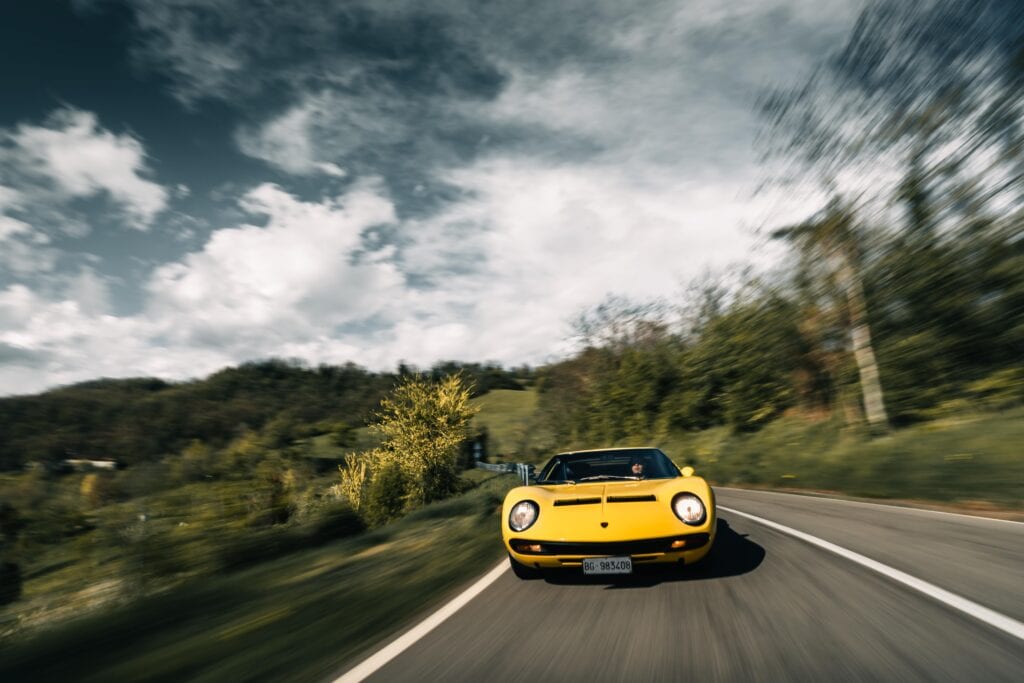
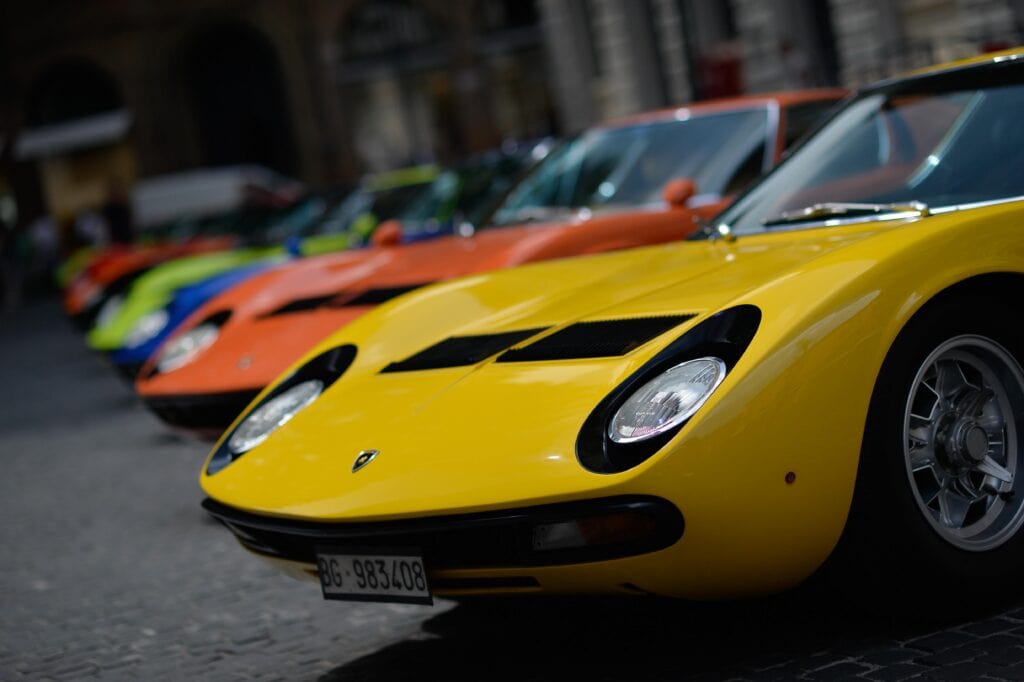
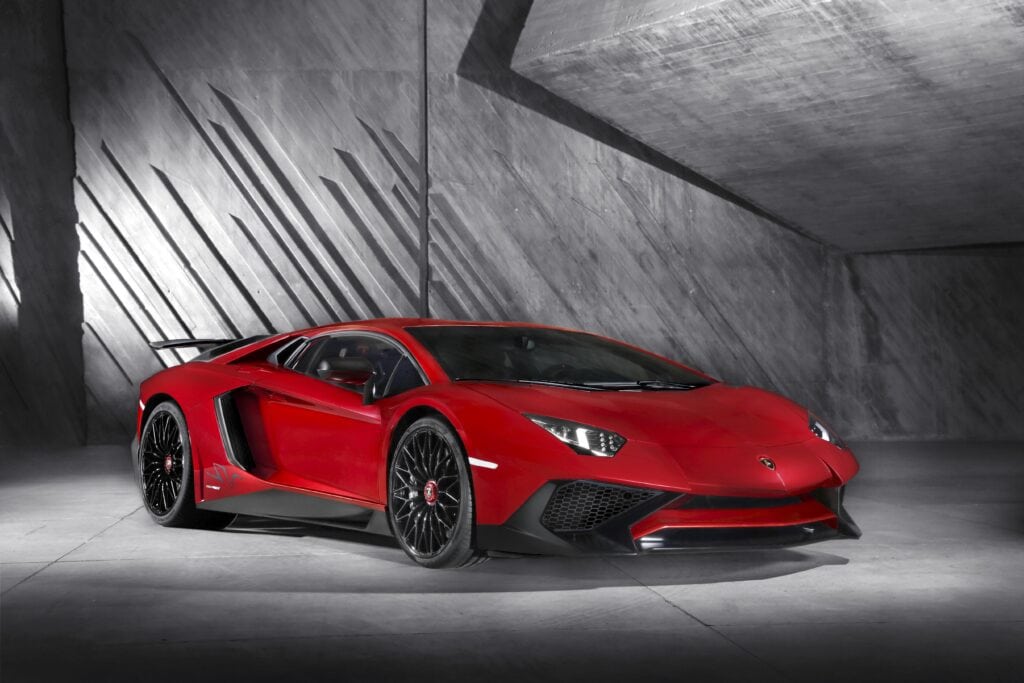
The historical line is short enough to remember without a spreadsheet: Miura SV in 1971, Diablo SV in 1995, Murciélago LP 670-4 SV in 2009, Aventador SV in 2015 and Revuelto SV in 2026. Five cars over 55 years is precisely why the badge still matters. Lamborghini has not used it on every generation, every body style or every marketing opportunity.
The Miura SV set the template. Its 4.0-liter V12 produced 385 horsepower, and Lamborghini says only 150 were delivered. The Diablo SV revived the name with 510 horsepower, rear-wheel drive and a reduction of roughly 40 kilograms. The Murciélago LP 670-4 SV brought all-wheel drive into the family, while the Aventador SV paired 750 horsepower with carbon-fiber weight reduction and more developed aerodynamic work.
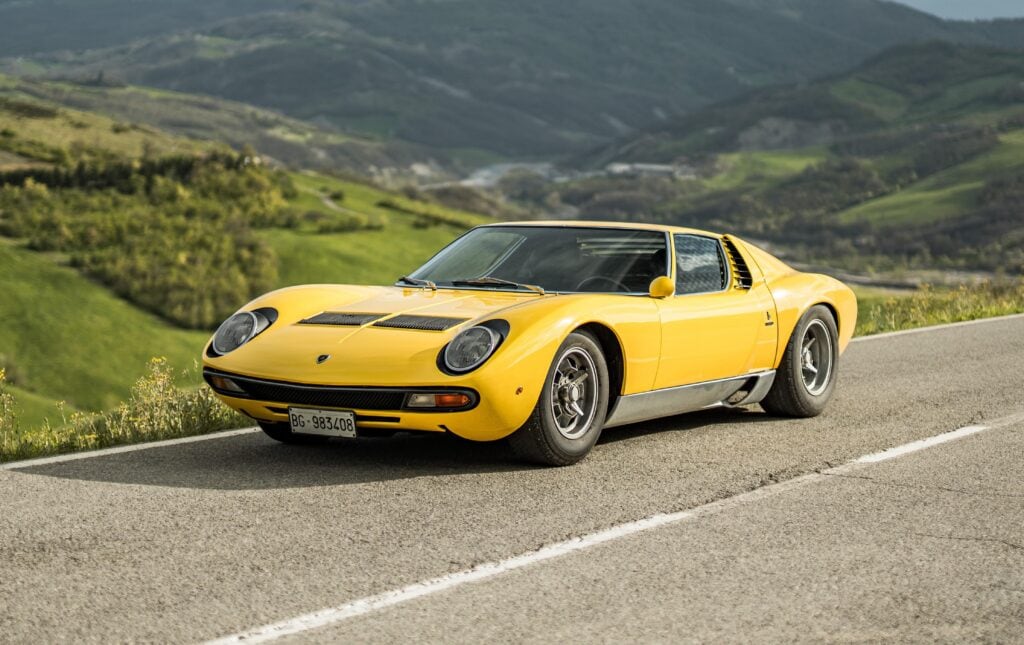
The technical progression is obvious, but the cultural progression is more interesting. Early SV cars asked the driver to manage the machine largely through mechanical feel. Later generations added all-wheel drive, carbon composites, sophisticated stability systems and now electric torque vectoring. “Purity” has therefore never meant freezing the technology at a particular date. It has meant using the available technology to make the flagship feel more immediate.
That is why the Revuelto SV should not be judged by whether it is as simple as a Miura. It obviously is not. The better question is whether the hybrid hardware makes it more precise and more rewarding than the regular Revuelto. Lamborghini’s specification sheet suggests it should, but that remains a driving question rather than a press-release conclusion.
You may also enjoy: Why the Lamborghini Miura SV Still Feels Out of This World
The Collector Question Is More Complicated
Lamborghini will produce 1,963 Revuelto SVs, using the company’s founding year as the production number. That is far more than the 150 Miura SVs delivered, but comparing raw production numbers across 55 years can be misleading. Lamborghini is now a global luxury manufacturer with a far larger customer base, dealer network and annual output.
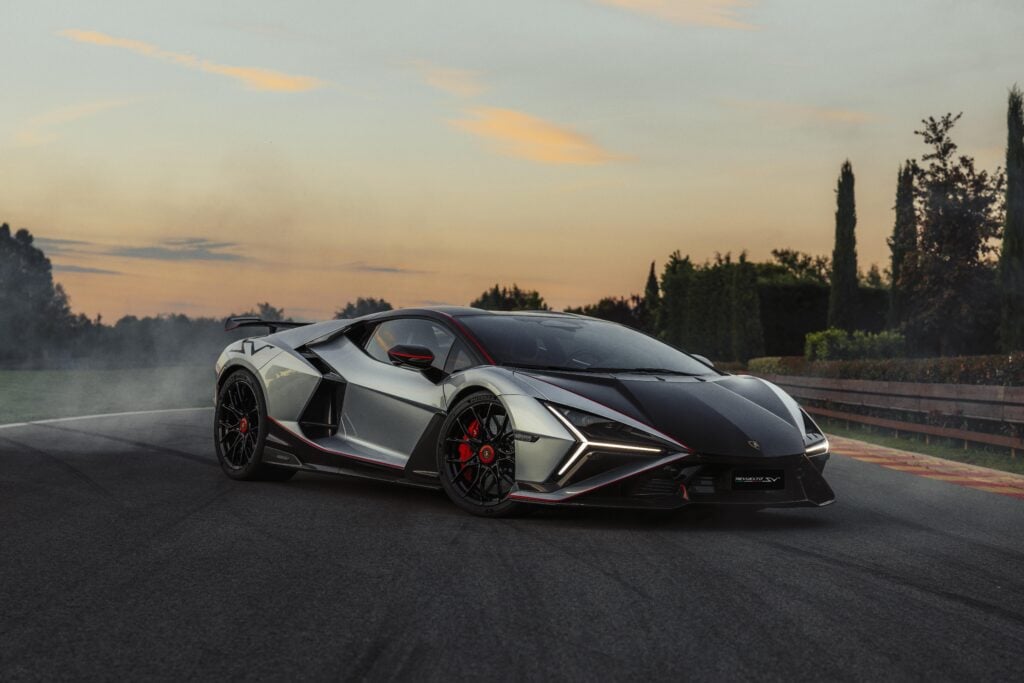
What collectors will care about is whether the Revuelto SV represents a clear technical step, whether individual specifications remain distinctive and whether Lamborghini resists turning SV into a frequent label. The company is already offering multiple SV exterior-logo configurations, dedicated liveries, extensive visible-carbon choices and a broader Ad Personam personalization menu. That means two Revuelto SVs can leave the factory looking very different even before ownership history begins to matter.
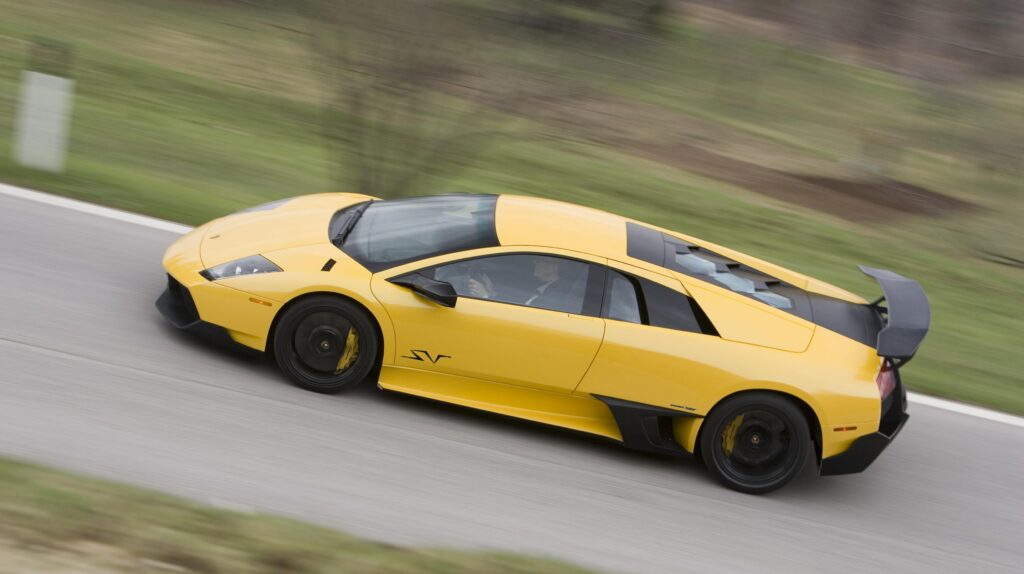
There is one piece of heritage data that deserves caution. Lamborghini’s September 1 release gives Murciélago SV production as 350 coupes plus 50 roadsters. Independent production references instead describe 350 as the planned run, with roughly 186 LP 670-4 SV coupes actually built, and they do not identify a production LP 670-4 SV Roadster. Until Lamborghini clarifies that discrepancy, I would not use the new release’s Murciélago production figure as settled fact.
That may sound like an archival footnote, but accuracy matters especially with collector cars. Production numbers become part of auction catalogs, insurance valuations and provenance claims. When a manufacturer’s own historical material conflicts with established records, the responsible approach is to flag it rather than repeat it because it arrived in a fresh press kit.
You may also enjoy: Lamborghini Miura Tribute: Only 99 Will Ever Exist
Why This Matters Beyond Lamborghini
The Revuelto SV is useful even if you will never own one. Performance-car makers are trying to solve the same problem in different ways: how to electrify without making their most emotional products feel interchangeable. Lamborghini’s solution is to let electricity support the V12 instead of replacing it.
EPA and DOE material on plug-in hybrids is written around efficiency, emissions and energy use, which is how most consumers encounter the technology. The Revuelto SV shows the other side of the architecture. Electric motors can also provide torque fill, independent axle control and near-instant changes in power distribution. None of that makes a 1,065-CV supercar environmentally virtuous, and Lamborghini is not presenting it that way. It does show why hybrid systems may survive in enthusiast cars even as the broader market continues moving toward full electrification.
The power figures also require a little translation for American readers. Lamborghini quotes CV, the metric-horsepower unit used widely in Europe. NIST’s conversion tables distinguish metric horsepower from mechanical horsepower, which is why 1,065 CV works out to roughly 1,050 hp rather than 1,065 American horsepower. It is a small detail, but it keeps a very large number honest.
You may also enjoy: Lamborghini 2025 Deliveries Hit Record 10,747
The final judgment on the Lamborghini Revuelto SV should therefore be held to a higher standard than “fastest Lamborghini yet.” Of course it is fast. The real test is whether the additional aero, braking capacity, suspension control, torque vectoring and driver-adjustable electronics make the car feel meaningfully different from the already extraordinary Revuelto.
That is the promise carried by two letters that first appeared 55 years ago. Super Veloce has survived because Lamborghini used it sparingly and attached it to cars with real mechanical changes. The Revuelto SV now asks the badge to survive electrification as well. If the hybrid system disappears into the driving experience and leaves the driver feeling more involved rather than more managed, then SV has found a credible future.