2026 Toyota RAV4 Shortage: What Buyers Should Do
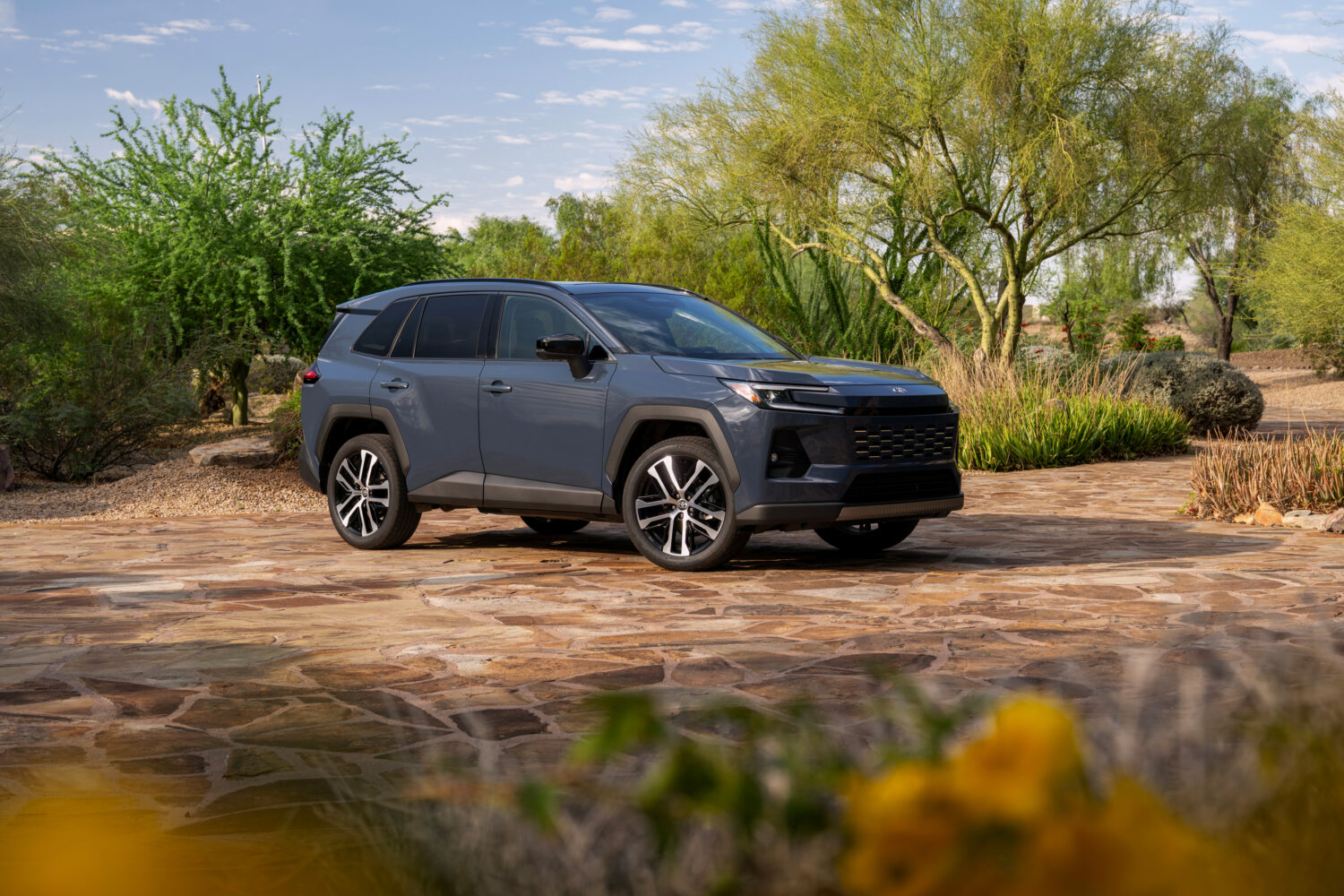
The 2026 Toyota RAV4 shortage is putting shoppers in a familiar bind: wait for the trim they want, widen the search, or walk away.
2026 Toyota RAV4 shortage: a launch bottleneck, not a mystery
Toyota’s April U.S. sales update acknowledged production constraints and limited inventory during the sixth-generation RAV4 ramp-up. The automaker began building the hybrid at its Kentucky plant in June, adding to production already underway in Ontario. That confirms a launch bottleneck and an additional source of supply.
Those facts do not establish a nationwide wait time for every retail buyer. Toyota’s October fleet guide lists 90 to 120 days for a current-month production order when no suitable stock unit or factory match exists. That is fleet guidance, not a guaranteed retail delivery date.
The practical problem is allocation. A lot vehicle may already be sold; another may be inbound with a confirmed status; a third dealer may have a match. A buyer insisting on one trim, color and package has a narrower target than someone flexible. Ask what is physically available, assigned, or merely expected.
You may also enjoy: 2026 Toyota RAV4 Review: Which Trim Should You Buy?
You may also like this Video:
Decide which RAV4 matters to your life
The redesigned U.S. RAV4 is hybrid-only, with conventional hybrid and plug-in hybrid versions. That makes the choice more specific than “wait for a RAV4.” A plug-in hybrid is not a direct substitute for everyone; charging access and driving patterns matter. A regular hybrid charges itself through its engine and braking energy; the hybrid system does not require plugging in.
Before joining a waitlist, match the trim to your daily use. Extra rugged equipment may be worthwhile for some; a less expensive version may handle routine family duties just as well. Our RAV4 Woodland analysis breaks down the equipment and capability tradeoffs without assuming every buyer needs the most adventure-themed version.
Use the waiting period to get a financing preapproval and compare the annual percentage rate, term and total amount financed. The loan comparison should include more than the monthly figure; a longer term can shrink the payment while increasing what you pay overall.
You may also enjoy: The 2026 Toyota RAV4’s New Hybrid-Only Direction
Shop the deal, not the waiting list
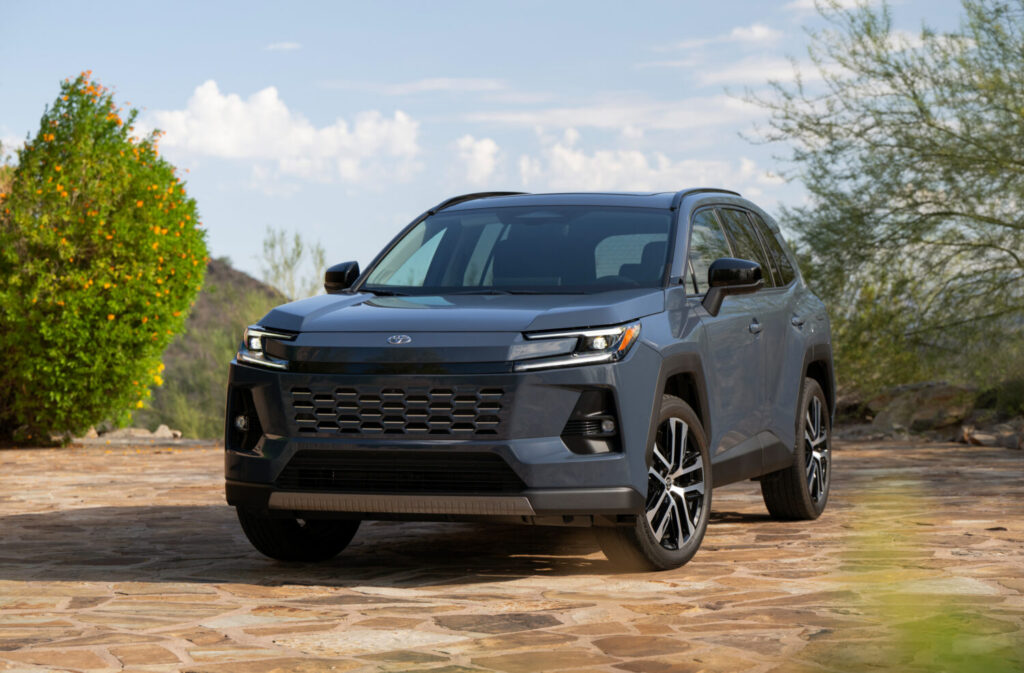
When a salesperson says a vehicle will arrive soon, ask for the status in plain terms: is it allocated to the store, built, in transit, or simply part of a future production estimate? Ask whether the deposit is refundable and whether the dealer will hold the written price. A buyer does not need to turn a reasonable timeline into a loyalty test.
Get an out-the-door quote before you travel. The FTC’s car-financing guidance recommends shopping financing and understanding the total price, while warning buyers to examine add-ons. Scarcity can make extras sound unavoidable. They are not part of the vehicle’s factory allocation, and a buyer should ask for each one’s price and decide separately.
A broader search helps only if the added travel cost still makes sense. Compare dealer fees and total price, not only monthly payment. The budget checklist is a useful reminder to include insurance, taxes, maintenance and optional equipment.
You may also enjoy: 2026 Honda CR-V Review: Which Trim Should You Buy?
Also consider the cost of waiting. If your current car is reliable, waiting may cost less than a markup. If it is failing, compare an available CR-V, Tucson, Forester or CX-5 too. Check the exact model year’s NHTSA safety ratings and confirm which driver-assistance features are standard on the trim being quoted.
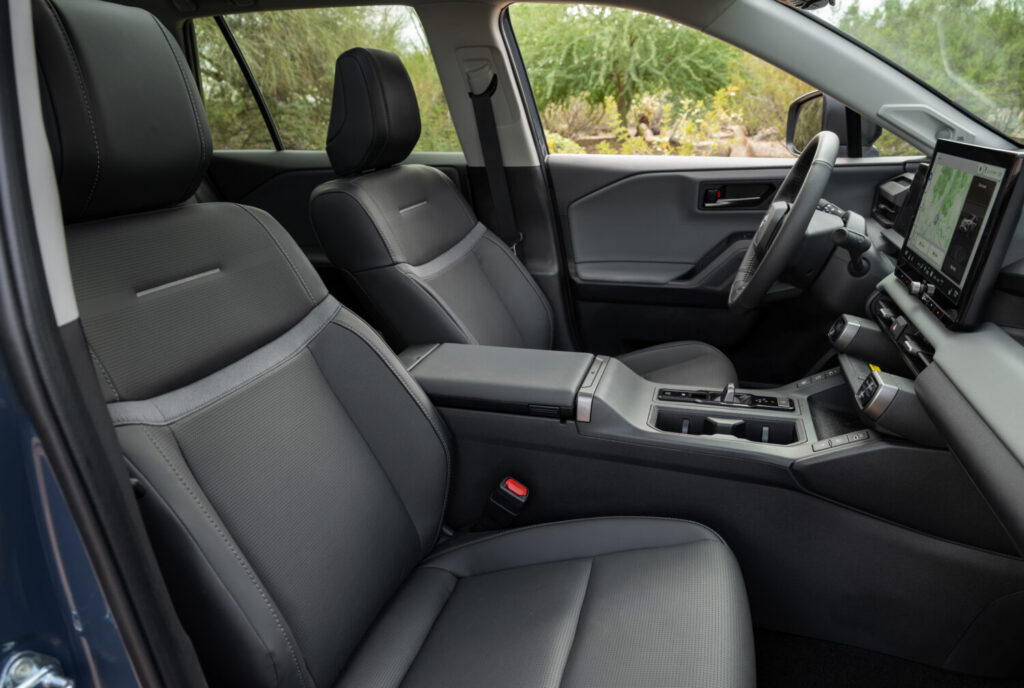
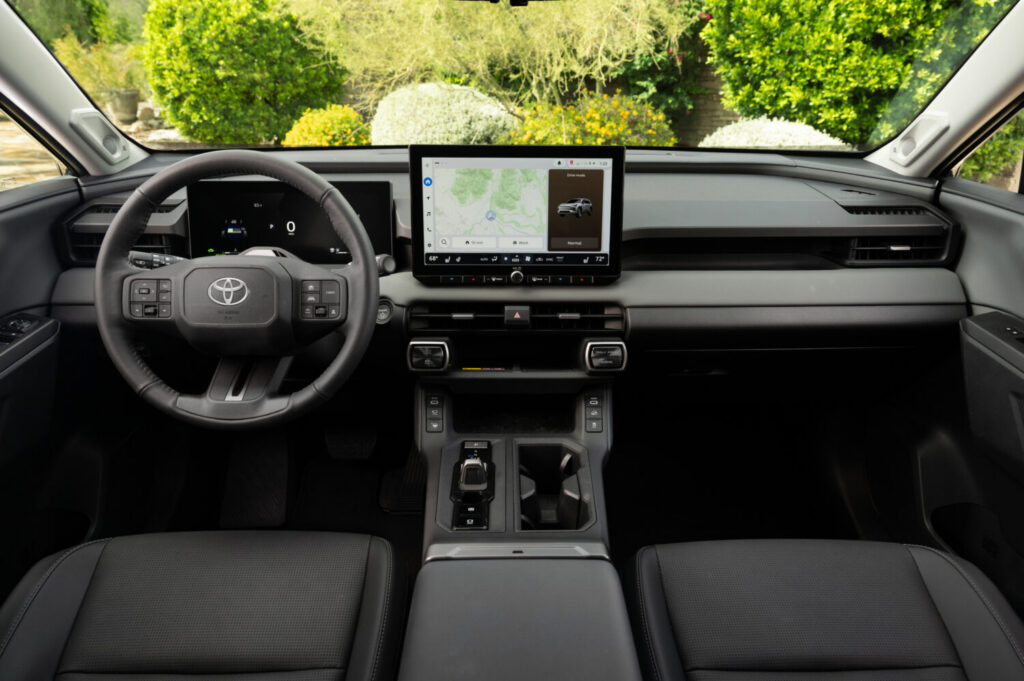
The RAV4’s redesigned technology deserves its own look, too. If the vehicle you want is not on the lot, use the extra time to decide whether updated multimedia and connectivity features actually matter to your household. Our RAV4 technology explainer outlines what changed in the infotainment system.
What the shortage reveals about the new lineup
Toyota’s U.S. lineup now shifts the RAV4 entirely to electrified powertrains, removing a gas-only option and making purchase price a sharper consideration. The EPA’s fuel-economy resources can help compare certified estimates with other vehicles, but a published rating cannot tell you whether the price difference fits your budget.
You may also enjoy: 2026 Toyota RAV4 GR Sport: Power and Plug-In Capability
For a plug-in, ask whether you can charge at home, how often your trips fit its electric range, and whether the premium pencils out. If charging access is inconvenient, the regular hybrid may be simpler.
A little patience can be worth more than a quick delivery
Toyota’s production additions should improve the flow of new RAV4s, but the company’s earlier inventory warning and fleet-order window show why an exact configuration may take time. For buyers, the smart move is simple: confirm the status of the actual vehicle, keep price and financing in writing, and compare nearby alternatives on the same terms. If the RAV4 is still the best fit, wait for a clean deal. If another compact SUV meets the brief sooner and costs less, take the test drive. A queue is not a reason to abandon judgment.
OEDRO all-weather floor mats: Shop OEDRO directly or Shop OEDRO on Amazon. Use code NIKM20 at the OEDRO official store. Test Miles may earn a commission from purchases made through these affiliate links.
Conclusion: buy the right vehicle at the right price
A short supply of popular trims is a frustrating inconvenience, not a verdict that every buyer should wait or pay extra. Keep your must-haves clear, compare the total deal, and make the dealer show what is confirmed. The redesigned RAV4 could still be the right answer, but a strong SUV remains a better purchase when the timing and price work for you.