Hyundai physical buttons: What buyers should test
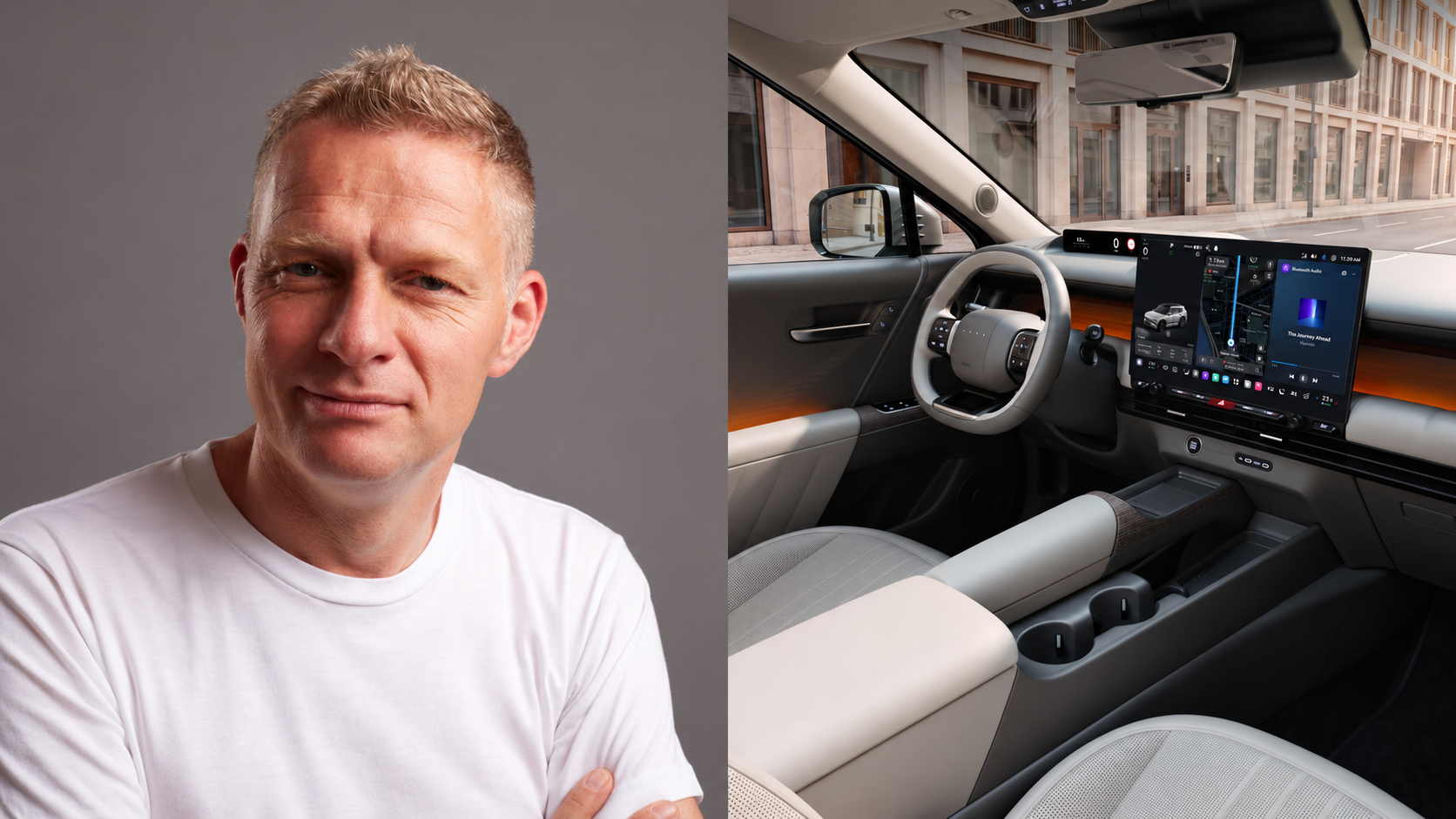
Hyundai physical buttons deserve a closer look as Simon Loasby explains the thinking behind steering-wheel controls and Tucson cabin comfort.
A coin at the bottom of a cupholder is a surprisingly useful test of automotive design. Can you retrieve it easily, or does a simple storage compartment become an excavation project? During my September interview with Simon Loasby, Hyundai’s senior vice president and head of its Design Center, that small frustration helped explain his approach to much bigger decisions inside a car.
“How do we solve that little niggle?” he asked. Loasby was describing work on the new Palisade, where his team changed the cupholder’s internal shape so a coin could tip upward for retrieval. The story offers a practical standard for buyers: examine how a feature behaves during an ordinary task, rather than assuming its presence makes the cabin useful.
You may also like this video:
Begin with the task you repeat
Loasby said the Palisade solution emerged from studying the mechanics of getting a finger and thumb around a trapped coin. A slight change in the bottom’s profile allowed the coin to flip upward when pressed near the edge. According to his account, the team demonstrated the improvement to Hyundai’s leadership.
This was an explanation of development work, not my independent test of the finished cupholder. Nevertheless, the example reveals something important about the design process. A familiar component can frustrate its owner without appearing defective. Improving it requires observing the action people actually perform.
You may also enjoy: Hyundai Design Awards: What Drivers Should Watch
The same principle applies to controls used while driving. NHTSA’s human factors research considers both the demands of a distracting task and how frequently drivers perform it. An apparently modest interaction deserves scrutiny when it happens repeatedly. For shoppers, temperature, audio and other routine adjustments are sensible places to start examining a cabin.
Hyundai physical buttons need to earn their place
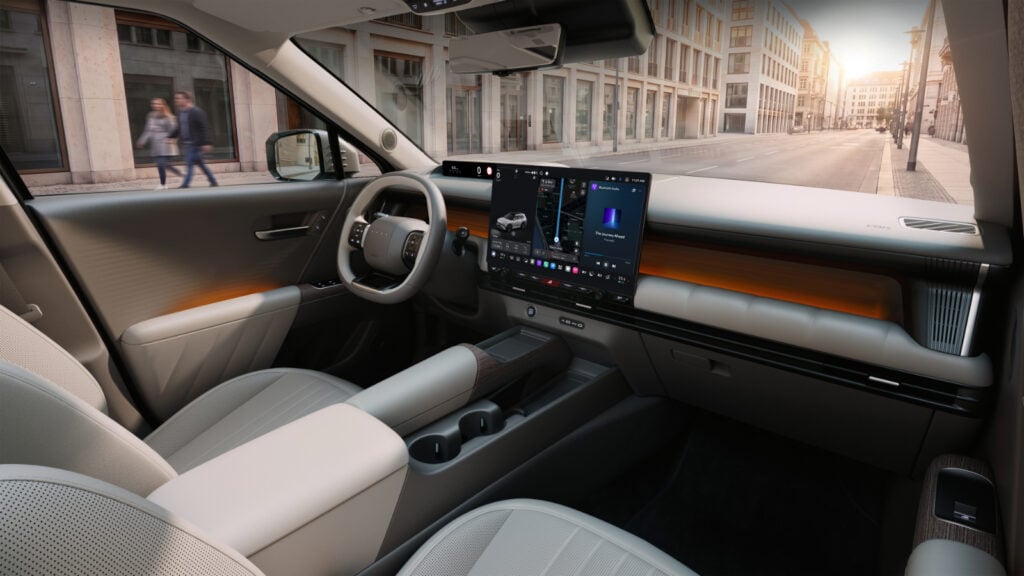
Loasby described an interior presentation in which the team began with the driver’s need to look ahead. That led to physical steering-wheel buttons for frequently used functions and an emphasis on learning controls by location and feel. “That’s why they’re all physical buttons on the steering wheel,” he said, explaining the approach.
The benefit depends on execution. A switch needs a recognizable position, understandable labeling and a clear response. Adding buttons without organizing them can leave the owner with another puzzle. My recommendation is to examine whether the controls make sense from your own driving position, with the seat and steering wheel adjusted properly.
You may also enjoy: Pleos Connect: What Hyundai’s New Software Gets Right
Start while parked. Locate the audio controls, identify the steering-wheel functions and ask which settings can be reached directly. Then move to another screen and check how easily you return to a routine adjustment. This evaluates the interface without deliberately practicing eyes-off-road operation in traffic.
NHTSA’s explanation of distracted driving includes operating entertainment and navigation systems. The relevant question is therefore how much attention a task consumes. A physical button is a promising tool when its location and function are clear; its existence alone does not establish a safety advantage.
Hyundai physical buttons also deserve to be judged on the actual vehicle and trim being purchased. Loasby’s account explains the company’s priorities, but buyers should inspect the delivered arrangement. A development philosophy cannot tell you whether a particular control is comfortable for your reach or understandable at first use.
Give voice control a practical audition
Loasby placed voice interaction alongside tactile controls in his description of the cabin. His goal was to provide ways of operating functions while keeping the driver oriented toward the road. That creates a useful buying question: can the system handle an ordinary request without making the user manage a complicated exchange?
You may also enjoy: Hyundai Alexa Built-in: Useful or One Assistant Too Many?
Try a supported command during a stationary demonstration. Listen for confirmation and notice whether a misunderstanding requires repeating the request or reaching for the screen. Clear completion matters more than a conversational personality. An assistant that sounds agreeable while failing to finish the task has added work.
The CDC’s guidance on hands-free distraction provides necessary context: removing a handheld device does not remove the mental demands of interaction. That warning concerns phone use and should not be treated as a specific test of Hyundai’s assistant. It does explain why keeping both hands available is only part of protecting attention.
In its discussion of cognitive distraction, NHTSA distinguishes attention diverted from driving from the separate demands on eyes and hands. Buyers should consequently assess whether voice operation simplifies a task, while reserving complicated interactions for a safe stop.

Comfort and screen hierarchy complete the test
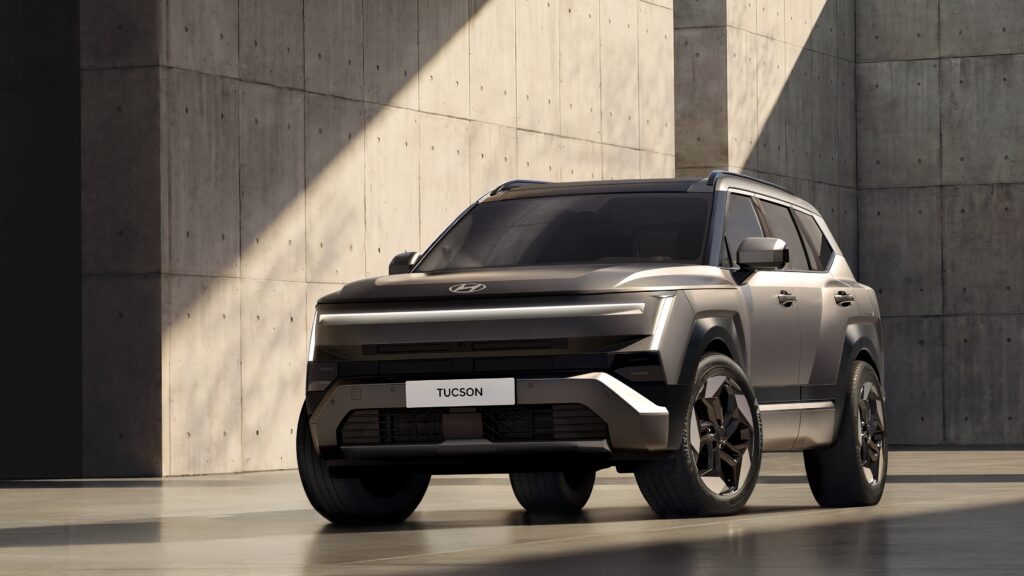
Loasby’s interior discussion also covered the Tucson’s door armrest. He described attention to its radius and the comfort produced by a shape that occupants may never consciously study. That is a useful reminder to spend time sitting normally in a prospective purchase. An attractive cabin photograph cannot establish how an elbow rests during a commute.
You may also enjoy: 2027 Hyundai Tucson Adds Space and Smarter Hybrid Tech
His team also established priorities for the cabin’s digital elements. “Okay, we need to entertain the passengers,” Loasby said, while explaining why entertainment sits below the driving task in the hierarchy. I read that as a design intention buyers can scrutinize, rather than a declaration that the central screen has become unnecessary.
Federal driver distraction guidelines evaluate visual-manual secondary tasks through eye-glance criteria. These are voluntary guidelines, not a certification of Hyundai’s interior. They reinforce the value of examining how an interface is used instead of judging it solely by display size.
You may also enjoy: 2026 Hyundai Tucson PHEV Review: Smart Buy Before Redesign?
My buying advice is to give cabin operation the same attention as space and seat comfort. Try the controls, check their reach, rest your arm and investigate the tasks you expect to repeat. Loasby’s cupholder anecdote supplies the right measure of progress: a thoughtful change should make ownership easier. Hyundai’s finished cabins earn that judgment through the small actions buyers can actually verify.