Waymo in Snow: When Driverless Rides May Stop
Waymo in snow means more than clean sensors. The company explains when winter weather can suspend rides and what passengers should plan for.
By Nik J. Miles | Test Miles
A driverless car can remove the chore of driving. It cannot remove the weather. For Americans considering a robotaxi for a winter commute, the important question is whether a vehicle will be available when conditions deteriorate and they most need a ride.
In its November 5 winter update, Waymo says it can reduce coverage or suspend service when forecast or observed conditions exceed its operating limits. Those interruptions could last hours or days. That qualification belongs beside every promise of convenient autonomous transportation.
You may also enjoy: Tesla Robotaxi Goes 24/7: What Riders Need to Know
You may also like this video:
Waymo in Snow Has Limits Riders Need to Understand
Waymo also says conditions elsewhere in a service area can affect availability even if the weather looks fine at your pickup point. A clear sidewalk outside your office does not establish that the entire journey is suitable.
The distinction is useful when interpreting driving automation. A system can perform the driving task within specified conditions without being capable of handling every road and every storm. For a passenger, the relevant product is the supported journey, including the route between two addresses.
Think about a hypothetical hospital employee finishing a late shift. A robotaxi might make that commute easier on an ordinary evening. During a major storm, that employee needs to know whether the service remains available, how to check and what alternative exists. The sophistication of the computer provides little comfort while waiting outside.
Heaters and Tiny Wipers Have an Important Job
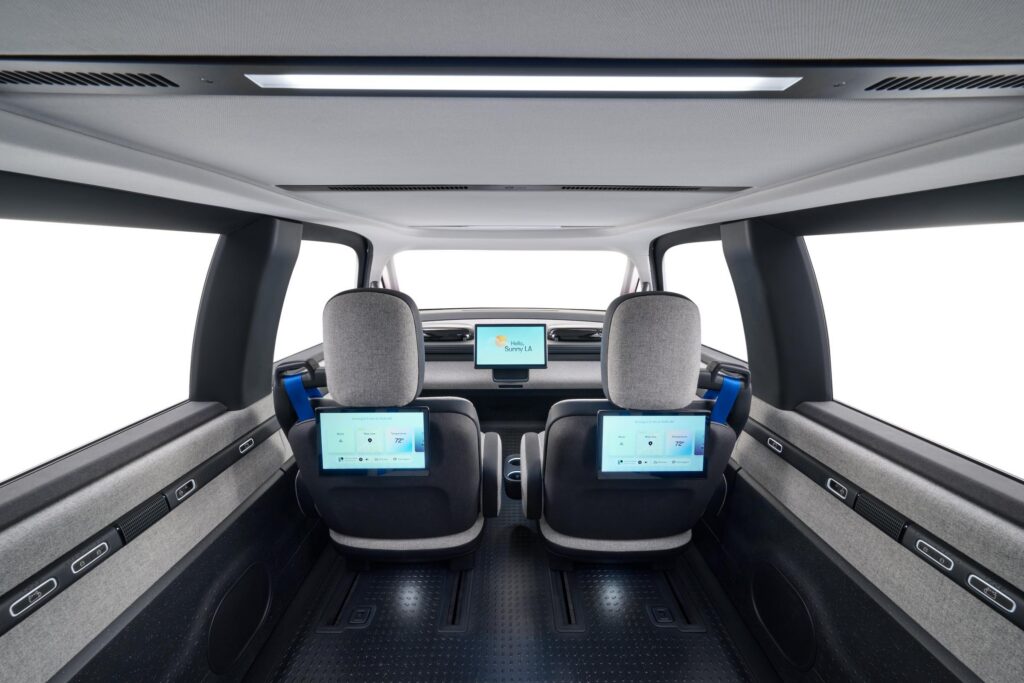
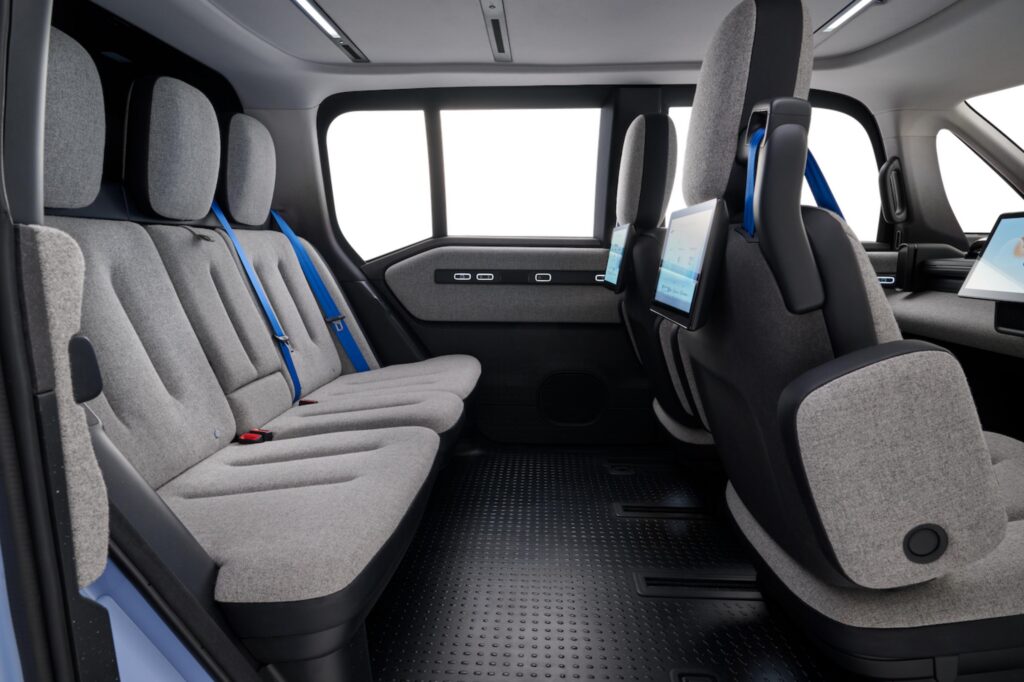
Waymo says its sixth-generation system combines cameras, radar and lidar with sensor heaters and micro-wipers. Its winter fleet receives snow tires, and the system monitors changes in traction to adjust vehicle control. These are company descriptions of its equipment and operation, rather than independent measurements of winter performance.
The engineering addresses separate problems. Keeping a sensor clean helps the vehicle interpret its surroundings; maintaining tire grip helps it respond. A clearer picture of an icy intersection does not make the pavement less slippery. NHTSA’s winter driving guidance explains why snow and ice require additional care regardless of the technology aboard.
Waymo’s broader technology explanation describes lidar using reflected laser pulses to build a three-dimensional view, while radar supplies information about distance and speed. Combining different inputs gives engineers more information to work with. It does not establish unlimited capability in poor visibility.
You may also enjoy: Hyundai Waymo Robotaxi: The Factory Is the Advantage
A Winter Test Is Different From a Passenger Service
The winter update describes testing in snowy regions and planned Alaska evaluations. It also discusses simulations and validation with trained human drivers. None of those activities, by itself, establishes unrestricted driverless passenger service in the same conditions.
That distinction matters whenever impressive footage circulates. A development vehicle completing a snowy route demonstrates what happened during that run. Evaluating a commercial service requires a broader picture: repeated performance, operating restrictions, interventions and the circumstances in which rides are unavailable. An attractive demonstration is a starting point for questions.
Waymo’s earlier weather research explains how reflections, contamination and reduced road friction create different challenges. It also describes using fleet observations to map localized weather. That helps explain why a citywide forecast alone cannot settle whether a particular trip is appropriate.
You may also enjoy: Waymo Airport Rides: Las Vegas Goes Driverless
Your Own Car May Have Different Responsibilities
Passengers should also separate a driverless ride from the assistance features in a privately owned vehicle. NHTSA’s guide to driver assistance describes technologies that support a person who remains responsible for driving. Steering assistance and automated braking do not automatically make a car autonomous.
The EPA’s explanation of automation levels provides further background on that distinction. Owners should follow their vehicle’s instructions and operating restrictions. A robotaxi company’s winter announcement changes nothing about the attention their personal vehicle requires.
You may also enjoy: Cadillac Eyes-Off Driving Is Coming in 2028
What Riders Should Check Before a Winter Trip
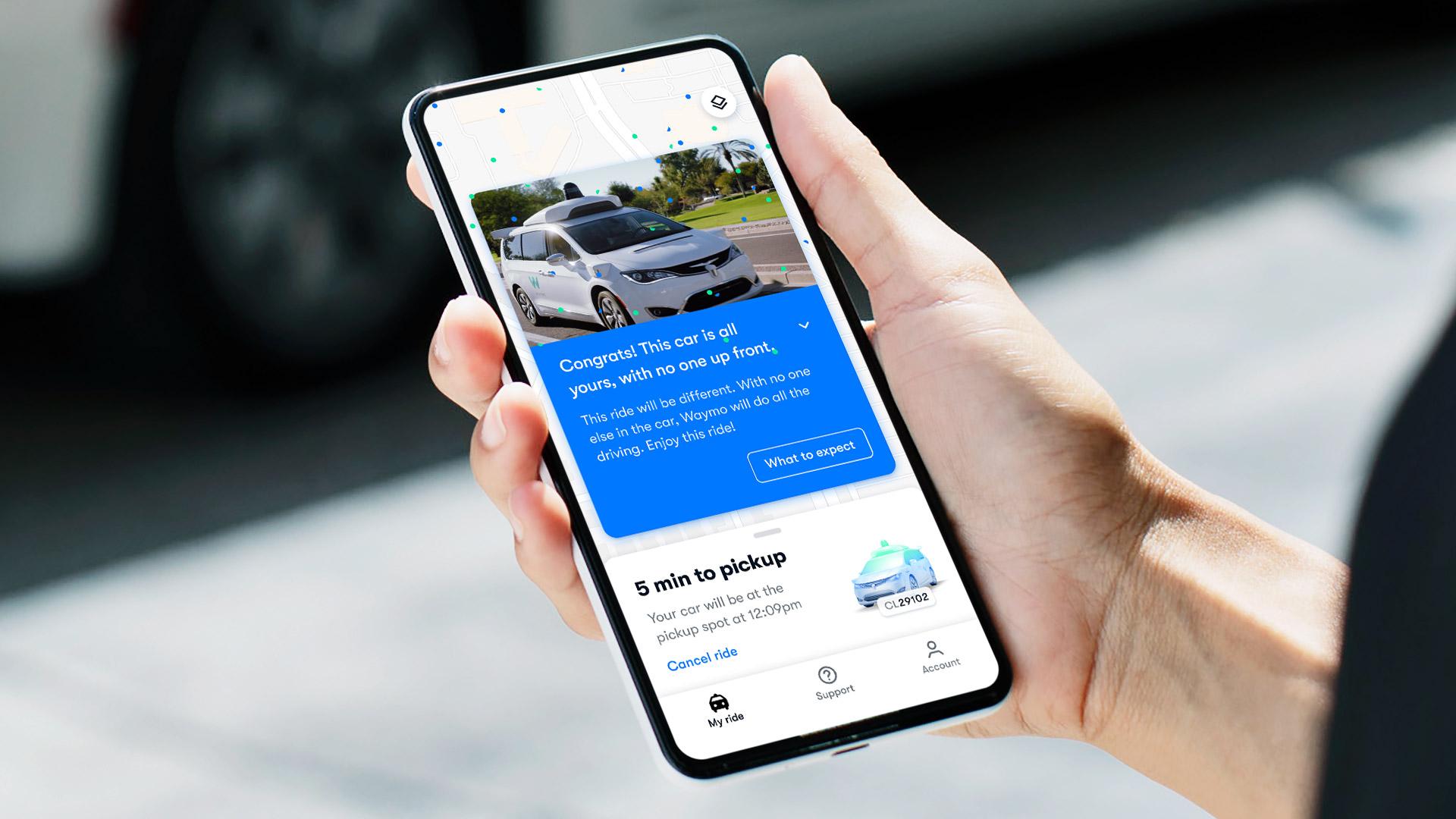
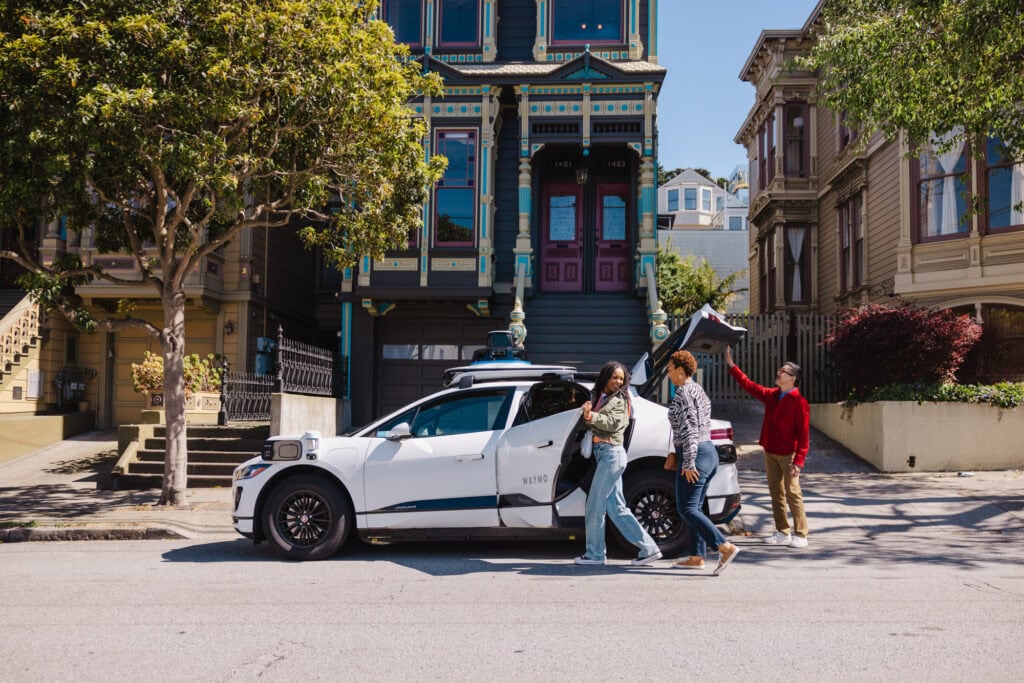
For a time-critical journey, check current availability in the Waymo app before committing to the service. Check again before the return trip, particularly if conditions have changed. Keep another transportation option available and follow local advice about whether travel should take place at all.
Safety claims deserve similar care. NHTSA’s automated-vehicle crash reporting program collects certain incidents for oversight. Raw crash counts alone do not provide a fair comparison without considering mileage, reporting requirements and operating conditions. Winter-specific conclusions need winter-specific evidence.
You may also enjoy: Robotaxi Privacy: What Waymo and Tesla Record
For riders, the sensible measure of winter readiness is dependable transportation within clearly explained limits. Choosing to suspend service can be responsible, while still creating a practical problem for someone who needs to get home. Before relying on a robotaxi through winter, understand both its capabilities and its availability. Even a car with no driver needs to know when to call it a day.