2027 Honda Passport TrailSport: The Other Six Days
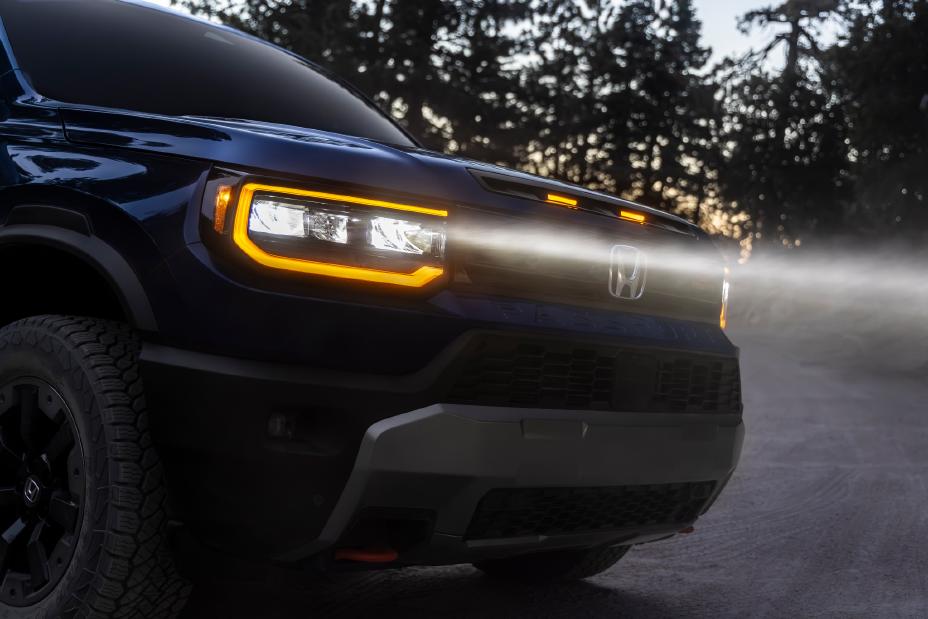
The 2027 Honda Passport TrailSport brings useful space and comfort equipment, but its size, tires and fuel costs deserve a closer look.
By Nik J. Miles
The campsite photographs are persuasive. So are the rocks, the muddy tires and the suggestion that your next grocery trip might require an expedition leader. But an adventure SUV earns its place in a household during the ordinary journeys: commuting, collecting passengers, finding a parking space and spending several hours on the interstate.
That makes the Passport TrailSport’s everyday usefulness worth examining separately from its trail credentials. Honda has increased its capability for 2027, but buyers should pay just as much attention to cabin equipment, passenger accommodation and running costs. This assessment uses published U.S. specifications; it does not include original road-noise measurements or a first-hand evaluation of the revised suspension.
You may also like this video:
2027 Honda Passport TrailSport: Comfort Beyond the Campsite
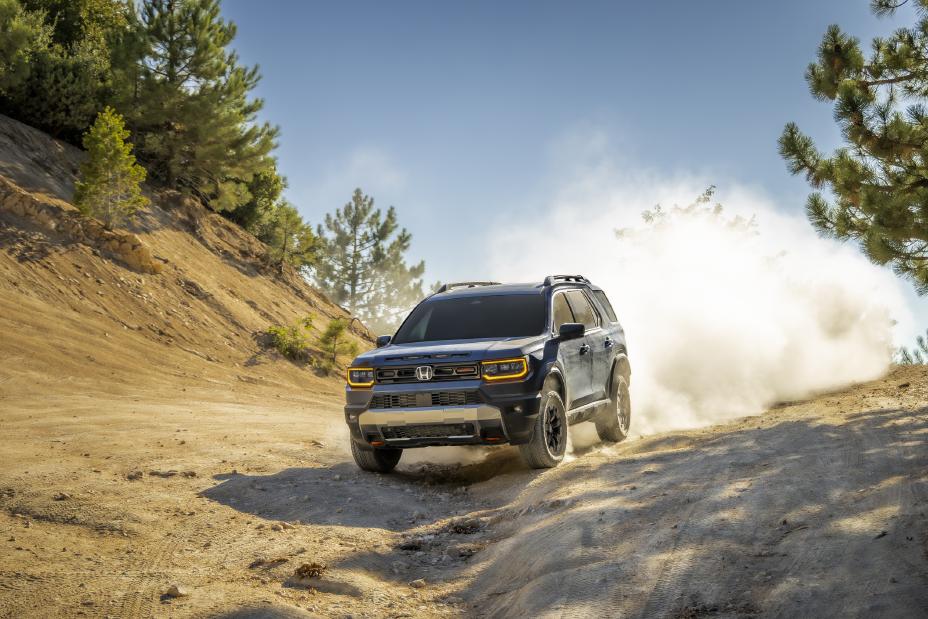
Honda’s headline change is a reengineered TrailSport suspension, with ground clearance increasing by 1.38 inches to 9.65 inches, according to its launch announcement. Honda says the changes improve off-road ride quality and articulation. Those claims do not establish how comfortably it handles freeway expansion joints or broken urban pavement.
More clearance helps keep the underside away from obstacles, but it also deserves consideration when getting children, older passengers or a dog into the vehicle. Try those movements before buying. An SUV can clear a difficult trail and still make a perfectly ordinary school pickup unnecessarily awkward.
You may also enjoy: 2026 Toyota 4Runner Review: Which Trim Makes Sense?
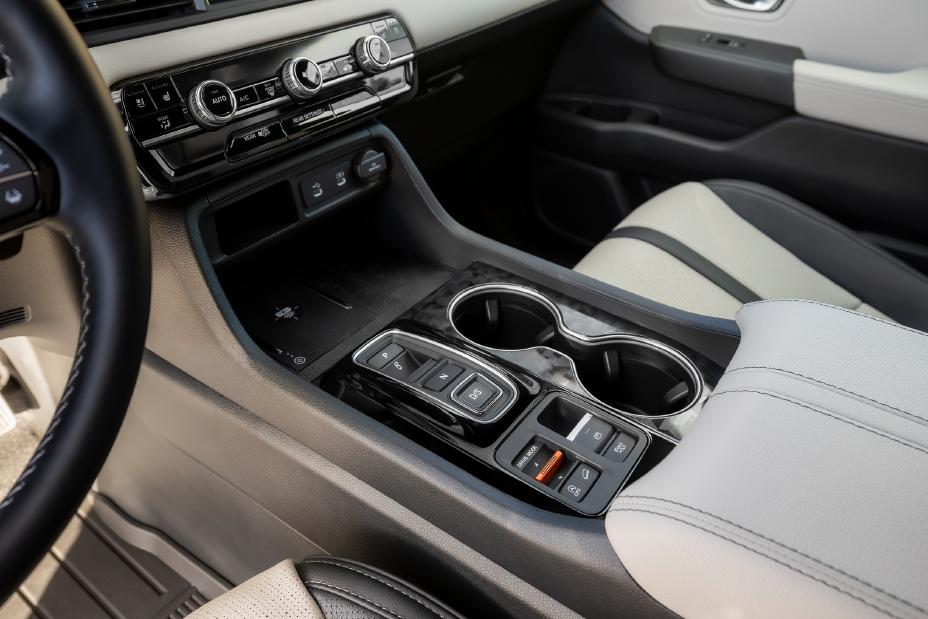
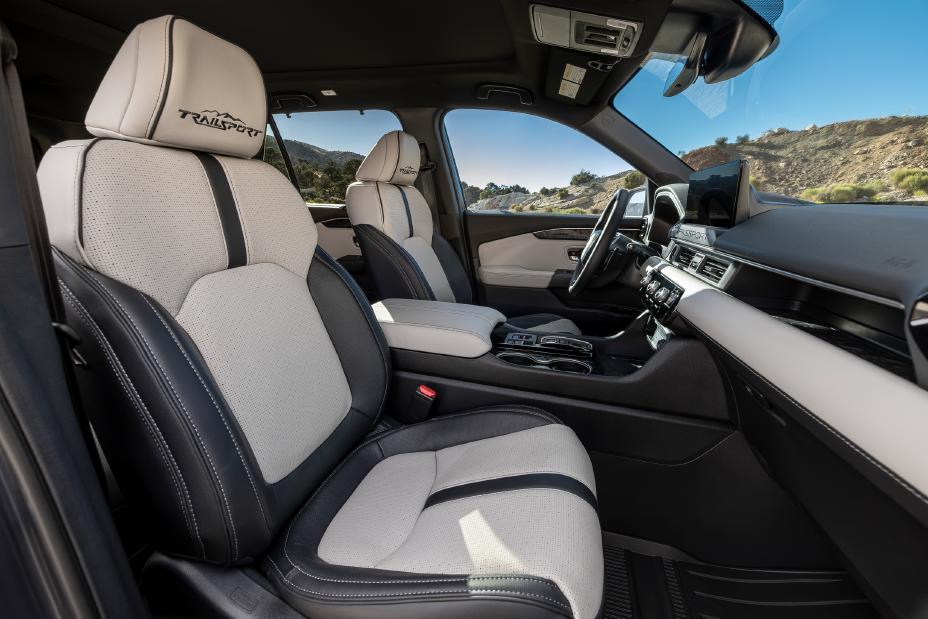
The everyday comfort equipment is more straightforward. Heated front seats, a power-adjustable driver’s seat with lumbar support, tri-zone automatic climate control and a heated steering wheel give the regular TrailSport a useful foundation. Seat adjustment matters more than showroom softness: spend enough time behind the wheel to establish whether the cushion, steering-wheel position and pedal relationship suit your body.
The Quietness Detail That Changes the Trim Decision
The TrailSport has all-terrain tires, an acoustic laminated windshield and active noise cancellation. Those are specifications, rather than proof of a quiet cabin. Tire sound varies with pavement, speed and wear, while wind and engine noise introduce different problems. Buyers should resist treating a noise-control feature as a measured result.
There is also an easily overlooked distinction in Honda’s equipment table: acoustic laminated front side glass is reserved for the TrailSport Elite versions. That gives frequent highway travelers a reason to compare the regular TrailSport and Elite on the same route. It does not establish how much quieter the Elite actually is.
You may also enjoy: 2026 Subaru Outback Review: The Smart SUV Alternative
During that comparison, turn the stereo down and include coarse pavement, an uphill acceleration and steady highway cruising. Ask a rear passenger whether normal conversation remains easy. Keep tire pressures at the vehicle manufacturer’s recommended settings; changing them to soften a demonstration drive undermines a useful comparison.
Parking Requires More Than a Camera
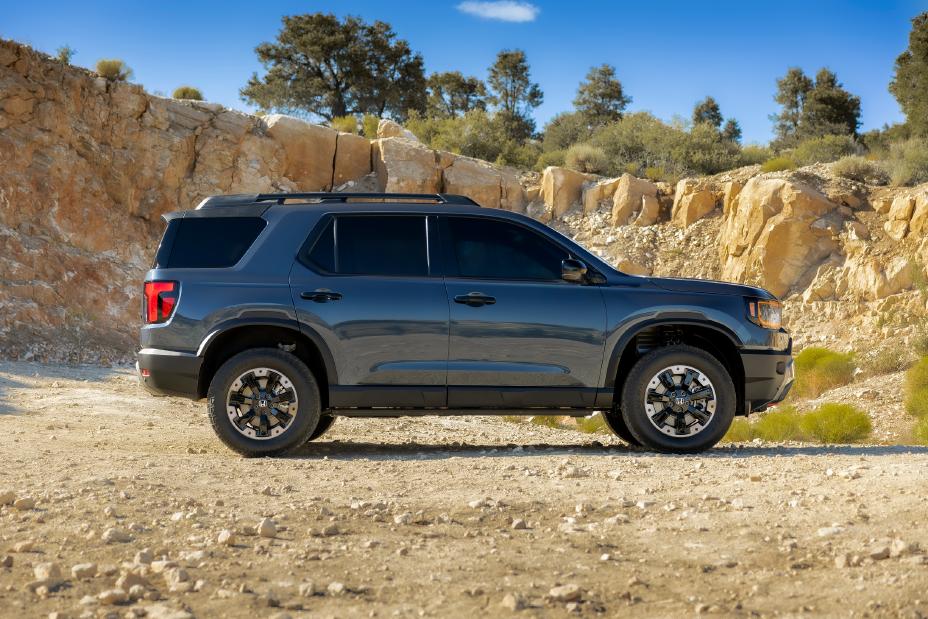
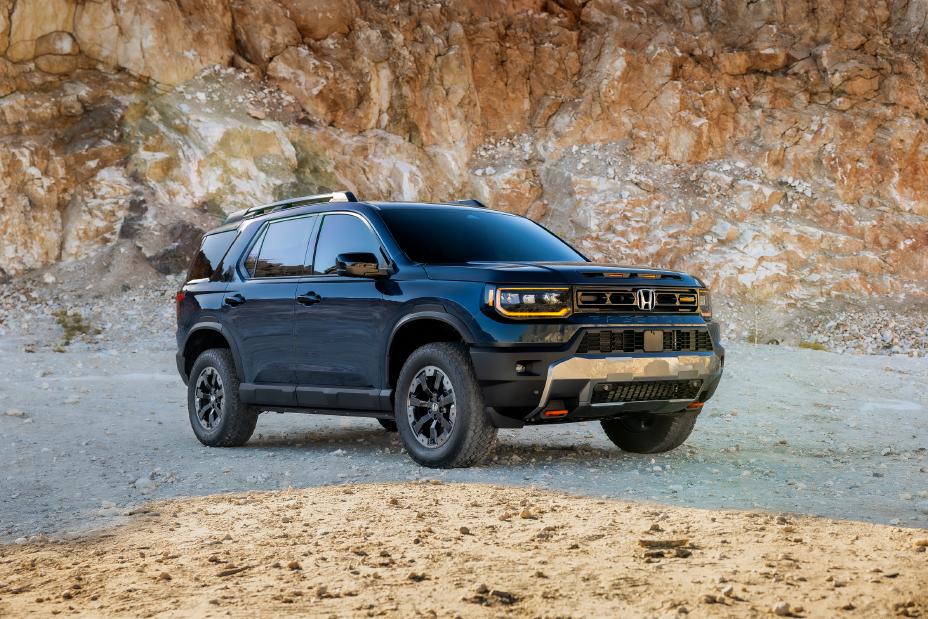
Honda lists the Passport at 191.5 inches long and 79.4 inches wide. That is a substantial vehicle to accommodate in a garage or between closely parked cars. Measure your space, including room to open the doors and reach the cargo area. Check mirror clearance separately rather than assuming the published width represents every part of the vehicle.
For 2027, the regular TrailSport gains the TrailWatch camera system previously reserved for Elite. Honda also lists a multiview camera system and power-folding mirrors across TrailSport trims. The cameras can help reveal nearby obstacles, while folding mirrors can ease a narrow squeeze. Neither creates additional space for a passenger to climb out.
You may also enjoy: 2026 Honda CR-V Review: Which Trim Should You Buy?
Take the demonstration vehicle into a parking environment you actually use. Check the view over your shoulder, the camera image and how confidently you can judge the corners. As NHTSA explains, driver assistance technologies have specific functions and limitations. Useful assistance still requires an attentive driver.
Passenger Space Is a Stronger Everyday Argument
The Passport seats five, with Honda listing 40.9 inches of rear legroom and 61.7 inches of rear shoulder room. Those measurements make a convincing case for considering it as a passenger vehicle, although actual comfort also depends on seat shape, front-seat position and the people traveling with you.
Bring the family to the test drive. If child seats are involved, install the ones you own and check access to buckles and anchors using NHTSA’s car-seat guidance. A wide rear bench does not automatically guarantee that three particular child seats fit correctly.
You may also enjoy: 2025 Toyota Land Cruiser vs 4Runner: Which Wins?
Honda lists 44 cubic feet of cargo space behind the rear seats. The practical question is whether your stroller, luggage or dog crate fits through the opening and sits securely. Bring a tape measure and check the load height. Capacity figures cannot tell you how easily an older Labrador will get aboard.
The Weekly Compromise Comes at the Fuel Pump
The regular TrailSport starts at $51,590 including Honda’s $1,595 destination charge, before taxes, registration and extras. Its published EPA ratings are 18 mpg city, 22 highway and 20 combined. The less trail-focused RTL is rated at 21 mpg combined and starts at $46,790 including destination.
At 12,000 miles annually, 20 mpg means approximately 600 gallons. At an illustrative $4 per gallon, that is $2,400 a year. Your actual costs depend on fuel prices and real-world driving conditions; driving habits also affect consumption.
You may also enjoy: 2027 Honda CR-V: The $230 Hybrid Decision
Buy for the Week You Actually Drive
The regular TrailSport is the logical starting point for buyers who will use its additional capability and want the newly standard cameras and heated steering wheel. The Elite deserves a comparison if acoustic side glass, ventilated front seats and heated rear outboard seats address specific needs.
For predominantly paved-road use, drive the RTL as well. The TrailSport’s case rests on whether its capability is useful enough to justify the additional purchase cost and everyday compromises. Let a representative highway route, your passengers and your parking space settle that question. The mountain will still be there after the test drive.