2026 Toyota 4Runner Review: Which Trim Makes Sense?
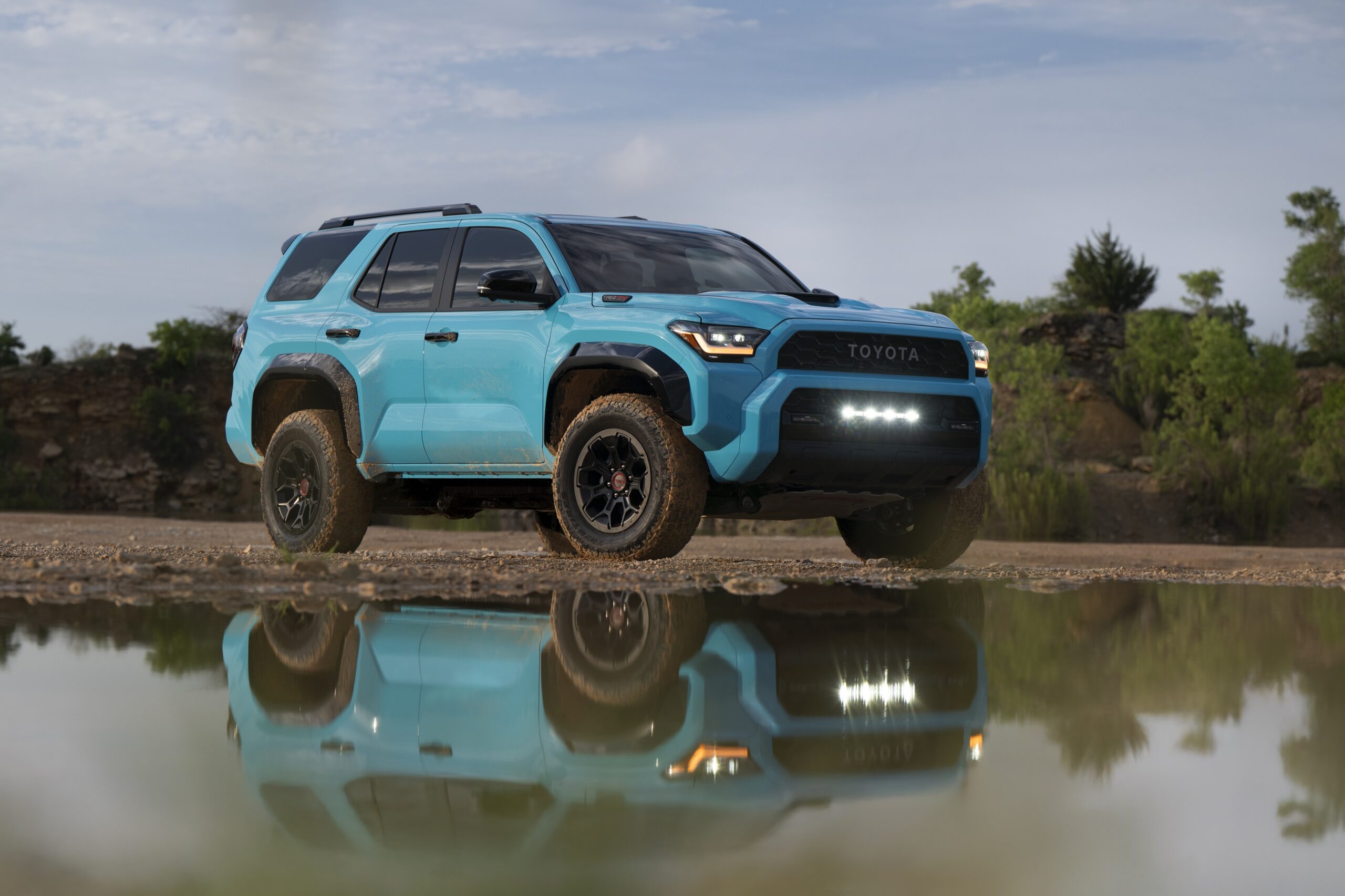
This 2026 Toyota 4Runner review explains trim value, hybrid trade-offs and family compromises, with SR5 and TRD Off-Road the key buys.
By Nik J. Miles
Vehicle analysis: This buying guide uses verified specifications and current U.S. pricing. It includes no claimed 2026 test drive or original performance measurements.
2026 Toyota 4Runner review: start with the job
The 4Runner belongs on your shortlist if you need an SUV with truck-style construction and want the option of substantial trail equipment. The SR5 is my value starting point; the gasoline TRD Off-Road is the more convincing purchase for regular trail use. Buying the top version simply because it is the top version is an expensive navigation error.
Best for: Buyers who can identify a real towing, terrain or utility requirement. Skip if: Your main priorities are commuting economy and frequent third-row family transport.
Pros
- Useful choice of utility, trail and comfort-focused grades.
- Available hybrid power with a meaningful city-economy improvement.
- Power rear window and available seven-seat configurations.
Cons
- Specialty grades carry a substantial price premium.
- Hybrid does not automatically mean better highway mileage.
- Independent crash-test results include a Marginal frontal result.
You may also enjoy: 2025 Toyota Land Cruiser vs 4Runner: Which Wins?
You may also enjoy this video:
The prices that matter before you add accessories
Toyota’s current model page lists the following base MSRPs. These exclude delivery, taxes, registration, dealer charges and optional equipment. Check the actual window sticker before comparing quotations.
| Version | Base MSRP | Buying case |
|---|---|---|
| SR5 | $42,270 | Entry value; price 4WD separately |
| TRD Off-Road, gasoline | $50,690 | Regular trail use |
| TRD Off-Road, i-FORCE MAX | $53,490 | More power and better city economy |
| TRD Off-Road Premium, gasoline | $56,470 | Trail equipment plus cabin upgrades |
| Trailhunter | $68,400 | Specialized expedition equipment |
| TRD Pro | $68,600 | Specialized performance trail equipment |
Toyota’s November 2025 launch release quoted $41,570 for the SR5 and $1,450 delivery, processing and handling. The current advertised base is $700 higher. Do not combine an old base price with a new dealer quote and assume they describe identical pricing. Delivery must also be confirmed on the current sticker.
The gasoline Off-Road is $8,420 above the entry SR5. That comparison is not a like-for-like 4WD upgrade: the entry SR5 is rear-wheel drive. Even so, it helps establish how far apart the starting points sit. Ask for two complete builds with the same drivetrain and the accessories you actually want.
Gas or hybrid: buy the benefit you will use
The gasoline 2.4-liter turbo makes 278 horsepower. The i-FORCE MAX hybrid produces 326 total system horsepower and charges its battery without an external plug. Those are manufacturer specifications, not Test Miles dynamometer results.
For the TRD Off-Road, Toyota advertises 19/25 mpg city/highway with gasoline power and 23/24 with the hybrid. The hybrid’s $2,800 base-price premium therefore buys additional output and better city mileage, rather than a universal economy improvement.
At 12,000 hypothetical city miles and an assumed $4 per gallon, the published figures imply approximately $440 in annual fuel savings. Dividing $2,800 by that saving gives roughly 6.4 years before financing, taxes or other differences. That example is deliberately narrow; it is not a real-world payback guarantee.
Choose i-FORCE MAX because its combination of power and city-use efficiency fits your driving. Highway-heavy buyers should do their own calculation. The hybrid badge cannot negotiate with arithmetic.
Trail hardware is where the grades separate
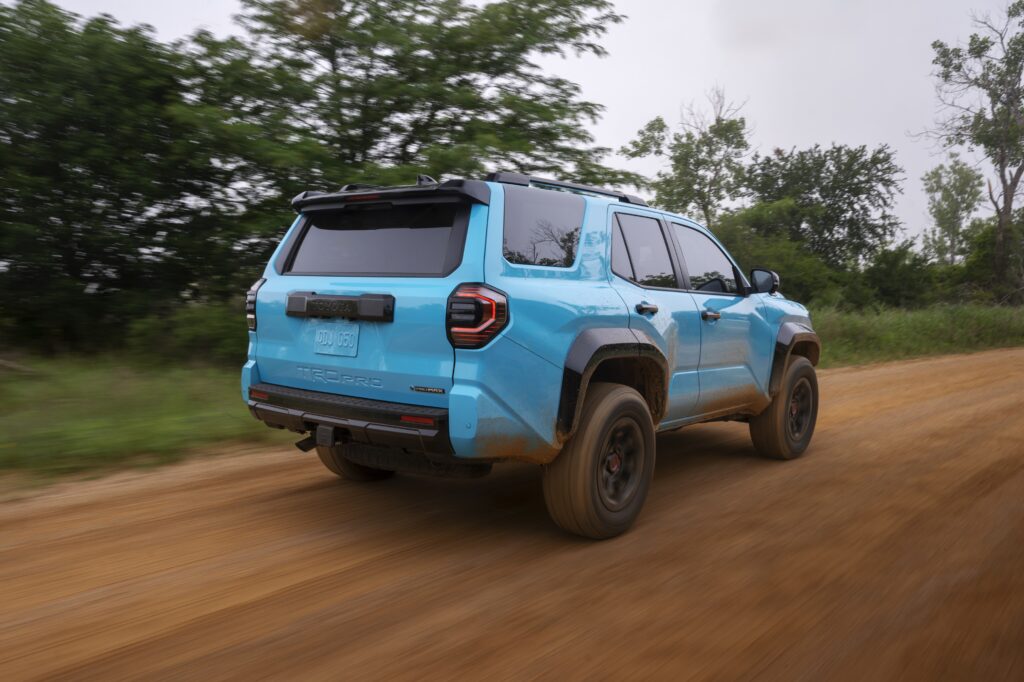
The 2026 vehicle follows the major 2025 redesign. One relevant change is that the stabilizer disconnect is now optional on hybrid TRD Off-Road Premium. It permits more suspension movement over uneven ground; confirm the option on the build sheet.
TRD Off-Road equipment includes a locking rear differential, Bilstein dampers and terrain assistance. A locking differential helps keep both rear wheels contributing in difficult traction conditions. It is hardware with a purpose, not simply an exterior styling package.
Trailhunter and TRD Pro bring different specialist suspension and equipment packages. Price them against the trips you expect to take, including what you would otherwise add afterward. Expensive factory equipment can be sensible if you need it. A roof rack bought chiefly to frighten supermarket parking barriers is less compelling.
There is no 2026 road-test evidence here to establish ride quality, steering feel, braking or cabin noise. Test the exact trim on rough pavement and at highway speed; tires and suspension differ across the range.
You may also enjoy: 2027 Toyota TRD Pro Gets Honeycomb and Hot Honey
Check passengers, dogs and luggage together
The specification to begin with is seating configuration. Toyota lists an available third row on gasoline SR5 and Limited versions. Confirm availability for your exact build instead of assuming every grade accommodates seven.
Bring your child seat or dog crate to the dealership. Check door clearance, rear-seat access and cargo-floor height. For an older dog, the effort required to reach the cargo area may matter more than the vehicle’s maximum storage figure.
The rear window can lower independently of the liftgate, a useful way to reach equipment. It does not establish safe pet transport. Use suitable restraints and check crate fit with the seats in the positions your family will actually use.
With a third row installed, inspect luggage space while that row is occupied. A photograph showing folded seats cannot answer a seven-person holiday question. This guide does not claim original cargo measurements or verified crate fit.
You may also enjoy: 2026 Honda Passport TrailSport Review: Rugged Balance
Towing and technology need a build-sheet check
Toyota rates the range for up to 6,000 pounds of towing. Treat “up to” as a requirement to check the configuration. The loaded trailer, hitch load, people and equipment must all fit the vehicle’s limits. Payload is vehicle-specific; use its labels rather than an assumed number for the entire range.
Available towing cameras and reversing assistance may make positioning easier. They cannot increase payload or compensate for an incorrectly loaded trailer. Ask which assistance features are present and have the dealer demonstrate them.
The SR5 has an 8-inch screen; selected higher grades offer 14 inches. Wireless Apple CarPlay and Android Auto help avoid buying an expensive trim solely for phone integration. Try familiar navigation and audio tasks before deciding the bigger display earns its premium.
Confirm subscription-dependent services separately. Hardware listed on a sticker and a service that needs an active plan are different ownership commitments.
Safety: read the results behind the equipment list
Standard Toyota Safety Sense 3.0 provides driver assistance. These systems require active supervision; the 4Runner does not become self-driving.
IIHS lists a Marginal updated moderate-overlap frontal result and a Good updated side result. Its Good driver-side small-overlap result is part of an incomplete combined evaluation because only one side has been tested. Headlight performance varies by equipment. These findings should enter a family purchase decision alongside capability and comfort.
Use NHTSA’s recall lookup to check the actual VIN before delivery. A model name alone cannot establish whether that specific vehicle has an unrepaired recall.
The shortlist verdict
Start with SR5 if you want the 4Runner’s format at the lowest entry price. Move to gasoline TRD Off-Road when its equipment solves a recurring need. Evaluate the hybrid with your driving mix and budget rather than assuming the upgrade pays for itself quickly.
Compare Toyota’s Land Cruiser when your 4Runner build climbs into premium territory. Honda’s Passport belongs on a five-seat adventure-family shortlist. For regular third-row use and commuting economy, also examine Highlander Hybrid. Each comparison should begin with the job, not the badge.
You may also enjoy: 2026 Toyota Land Cruiser Vehicle Analysis: $70K Test
The 4Runner deserves consideration from buyers who will use what makes it distinctive. My recommendation is to buy the least expensive configuration that meets your actual requirements and spend the remaining money on the journey.
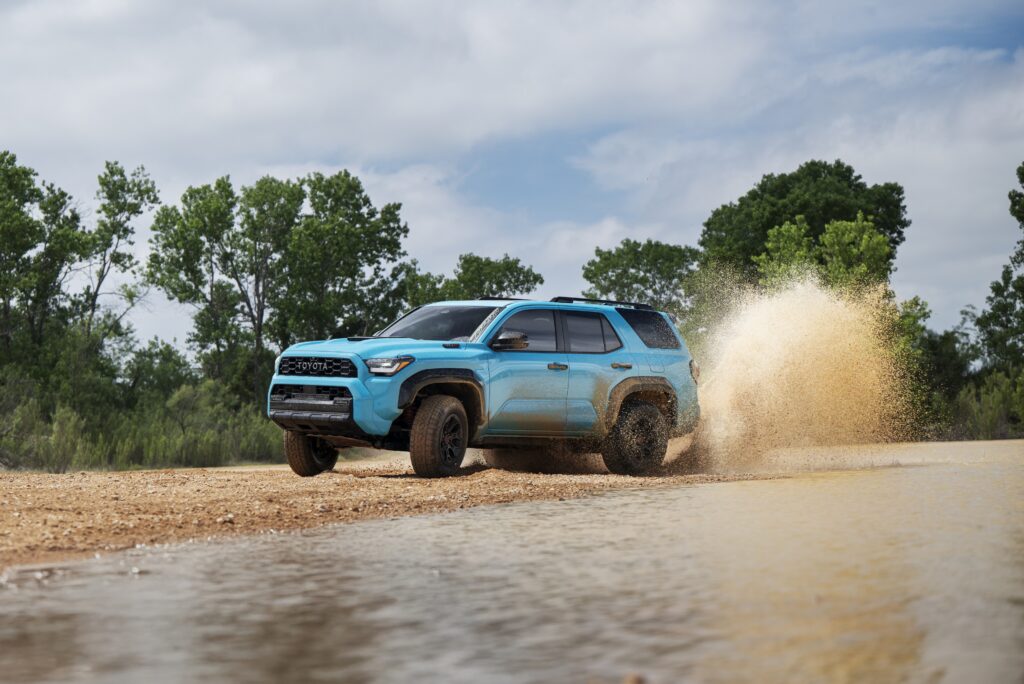
Toyota 4Runner buyer questions
Which 2026 4Runner trim is the best value?
SR5 is the starting point for entry value, while gasoline TRD Off-Road is the stronger recommendation for regular trail use. Compare complete configurations with the same drivetrain. The base SR5 price is for rear-wheel drive, so subtracting it from a four-wheel-drive trim does not isolate the cost of extra equipment.
Is the hybrid worth the extra money?
It can be, especially for buyers who value additional power and spend substantial time in city traffic. Toyota’s TRD Off-Road figures show better city mileage but slightly lower highway mileage for the hybrid. Calculate the premium against your expected driving mix; do not assume all hybrid upgrades have the same financial purpose.
Can it carry seven people?
Selected gasoline configurations offer a third row. Confirm the exact build and try the seating with the people or child seats that will use it. Check luggage capacity with all needed seats occupied. Available seating does not prove that the vehicle is the best choice for frequent full-household travel.
Can every 4Runner tow 6,000 pounds?
Toyota advertises towing of up to 6,000 pounds, so verify the rating and instructions for the specific configuration. Trailer weight must be assessed fully loaded. Hitch load, passengers and cargo also affect the tow vehicle’s carrying capacity. Cameras and reversing assistance do not change the physical or published weight limits.