Waymo Airport Rides: Las Vegas Goes Driverless

Waymo airport rides have arrived at Harry Reid International Airport in Las Vegas, giving eligible travelers another way to reach the city without a driver.
There are few experiences more entertaining than arriving in Las Vegas. The lights, the excitement, the hotels and the rather optimistic belief that your luck is about to improve.
Getting from the airport to your destination is usually considerably less glamorous.
Now there’s another option, and this one comes without a driver.
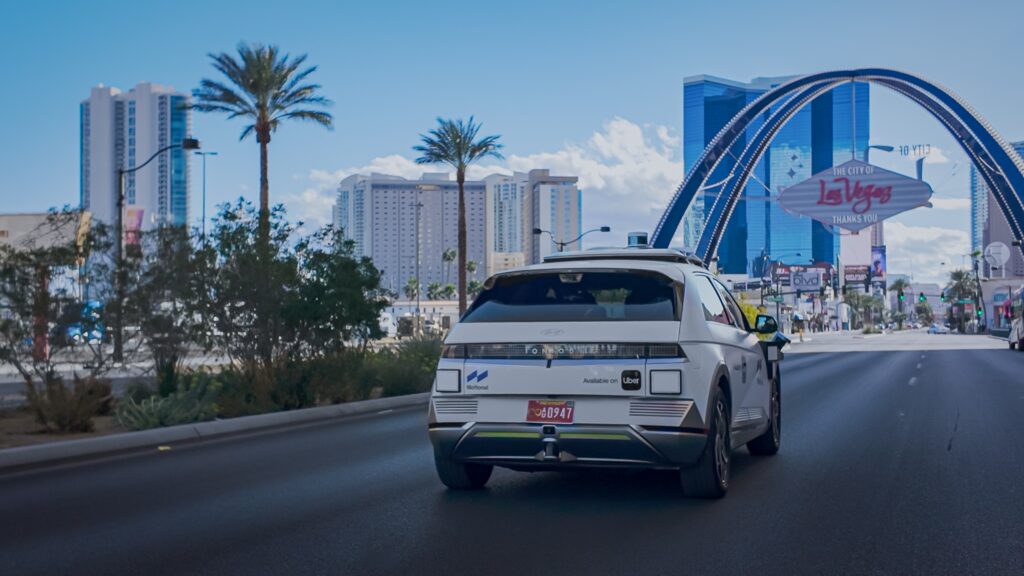
Waymo announced on October 21, 2026, that its fully autonomous ride-hailing service has expanded to Harry Reid International Airport. Existing Waymo riders in Las Vegas can now book trips between the airport and destinations inside the company’s supported service area.
The company plans to welcome additional passengers gradually.
It’s a fascinating development because airport transportation presents challenges that go well beyond teaching a computer to steer through traffic.
And for those of us who spend an extraordinary amount of time traveling, the question is obvious: Could a driverless car genuinely make getting to the airport easier?
How Waymo Airport Rides Work in Las Vegas
Passengers request a trip through Waymo’s smartphone app, just as they would arrange other app-based transportation.
The difference arrives when the vehicle pulls up. There’s nobody behind the wheel.
Waymo’s automated driving system handles the journey, while passengers occupy the vehicle as riders rather than drivers.
At Harry Reid International Airport, designated autonomous-vehicle pickup and drop-off locations are situated on Level Zero at Terminal 1 and Terminal 3.
Those details are confirmed by the airport’s official ground transportation announcement.
I’d strongly recommend checking the app’s instructions rather than simply following the signs for conventional taxis or expecting to be collected outside the nearest terminal door.
Anyone who has arrived at a busy airport with two suitcases, a camera bag and a rapidly declining sense of humor will understand why pickup arrangements matter.
The smartest autonomous-driving software in the world isn’t especially helpful if you cannot find the car.
You may also enjoy: Waymo Gets the Green Light Across California
Where Can a Las Vegas Waymo Actually Take You?
This is the first thing I’d check before booking.
Waymo says its Las Vegas operating area covers approximately 24 square miles. That includes selected destinations around the city’s established service territory, but it does not provide unrestricted transportation throughout southern Nevada.
The airport’s dedicated Waymo passenger information confirms that additional customers will gain access progressively.
For travelers, that means two checks are essential: whether the service is available to your account and whether your destination falls within the supported area.
It’s also worth examining the airport’s ground transportation alternatives before relying on a robotaxi for a time-sensitive journey.
A conventional human-driven vehicle has considerable flexibility when dealing with unexpected road closures or destinations beyond a defined service territory.
Driverless services operate within conditions their technology and operators are prepared to support.
Those boundaries are part of the product, and passengers should understand them.
You may also enjoy: Robotaxi Privacy: What Waymo and Tesla Record

Why Airports Are a Difficult Test for Robotaxis
I’ve spent enough time in airports to appreciate that the complicated part of a journey isn’t always the flight.
It’s finding the right terminal entrance, dealing with confusing signs, navigating unfamiliar roads and locating a pickup point while hundreds of other people are attempting precisely the same thing.
An autonomous vehicle must manage its driving environment safely, but a successful airport service also requires good communication between the passenger, vehicle and airport operator.
That makes dedicated pickup areas important.
The arrangement gives passengers a defined place to meet their vehicle and helps airport authorities organize autonomous operations alongside established ground transportation.
There are also important accessibility considerations. Travelers using mobility equipment, people with visual impairments and passengers unfamiliar with smartphone-based services may need different types of assistance.
The airport publishes information about alternative transportation options, which remains useful when a particular service cannot accommodate a journey.
Waymo’s airport expansion is meaningful, but the passenger experience will ultimately be judged by what happens outside the vehicle as much as what happens inside it.
You may also enjoy: Hyundai Robotaxis: Why Waymo and Motional Both Matter
The Technology Making Driverless Airport Trips Possible
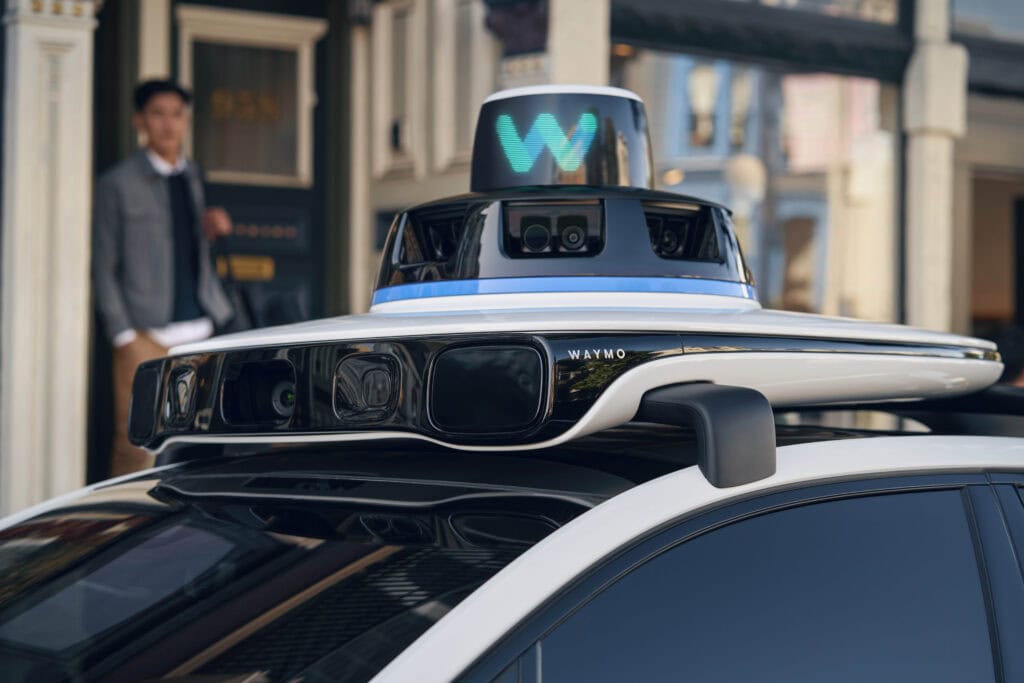
Waymo uses an automated driving system combining cameras, radar, lidar and software designed to interpret surrounding traffic.
The different sensors provide complementary information about vehicles, pedestrians, road markings and objects near the car.
Its newer Ojai electric robotaxi incorporates sixth-generation Waymo driving technology, and Las Vegas is among the markets where the company plans to deploy a substantial number of these vehicles.
That is an interesting contrast with conventional automobiles equipped with driver assistance.
The federal government’s automated vehicle guidance distinguishes systems intended to perform the driving task from technologies that still require an attentive human driver.
In a genuine driverless robotaxi, the passenger isn’t expected to grab a steering wheel when traffic becomes complicated.
That places considerable responsibility on the automated system and the company operating it.
For me, the most important technological achievement isn’t simply recognizing a traffic signal. It’s handling unusual situations predictably while keeping passengers informed about what the vehicle is doing.
You may also enjoy: Waymo’s Chinese Cars Reveal a US Import Loophole
Can You Trust a Driverless Ride to the Airport?
Waymo has reported encouraging safety results from its automated-driving operations, including fewer injury-related crashes than human-driver benchmarks across comparable distances in selected cities.
Those findings deserve attention, but it’s important to interpret them carefully.
The federal crash-reporting system collects information about certain incidents involving automated vehicles. Reports must be evaluated alongside mileage, operating conditions and other relevant information.
For an airport passenger, reliability creates another practical concern.
What happens if the robotaxi encounters unexpected congestion, cannot reach the pickup point or experiences a technical problem?
How quickly can support intervene, and how clearly will the passenger understand the available alternatives?
These are reasonable questions for any transportation service, but they become particularly important when no human driver is present.
I would also recommend allowing additional time when using a newly introduced airport service, particularly for an important departure.
Missing a flight because you’ve decided to participate in the future of transportation is probably not the sort of holiday story you want to bring home.
You may also enjoy: Tesla Robotaxi School Zone Speeding: Can AI Be Trusted?

A Practical Shopping Note
Test Miles shopping: If you’re using your own vehicle for airport runs, all-weather floor mats are worth considering for protecting the interior from wet shoes, dirt and everyday wear. Shop OEDRO directly or Shop OEDRO on Amazon. Use code NIKM20 at the OEDRO official store. Check vehicle fitment and offer terms before purchasing. Test Miles may earn a commission from purchases made through these affiliate links.

What Waymo’s Airport Expansion Really Means
The significance of this announcement extends beyond Las Vegas.
Autonomous vehicles have spent years demonstrating their ability to negotiate intersections, recognize pedestrians and operate within carefully managed service areas.
Now the technology is becoming part of ordinary travel infrastructure.
An airport is a useful place to test that transition because passengers are interested in results rather than technological demonstrations.
They want a car to arrive when promised, provide enough room for luggage and get them to the correct destination.
There is another important distinction: nobody needs to understand lidar or automated-driving algorithms to appreciate a convenient ride.
That’s when technology begins becoming genuinely useful.
For Waymo, the next challenge is demonstrating that the experience remains dependable as more passengers gain access and the service expands.
For travelers, I think the opportunity is worth watching closely.
Las Vegas has always been rather good at making extraordinary things seem perfectly normal.
Perhaps before long, climbing into a car with an empty driver’s seat will be another one of them.