Hyundai design awards now reach from electric city concepts to Korean dining, but the practical test is whether their ideas improve the next car you drive.
A chair for a parked car, a restaurant book and a tiny electric people mover make a strange shopping list. Yet they reveal more about Hyundai’s design priorities than a row of glossy SUV photographs. Hyundai Motor collected 10 honors at the 2026 International Design Excellence Awards, including two Golds and two Bronzes. My question is what, if anything, those ideas will do for somebody living with a Hyundai every day.
The distinction matters. Several recognized entries are concepts, and the awards don’t make them production vehicles. Rather than treating each trophy as proof of a better car, I would look for repeatable decisions: easier access, a cabin that adapts without becoming fiddly, and an interface shaped by actual users. The cultural work provides another clue about the brand Hyundai wants to become.
Hyundai Design Awards Put Access First
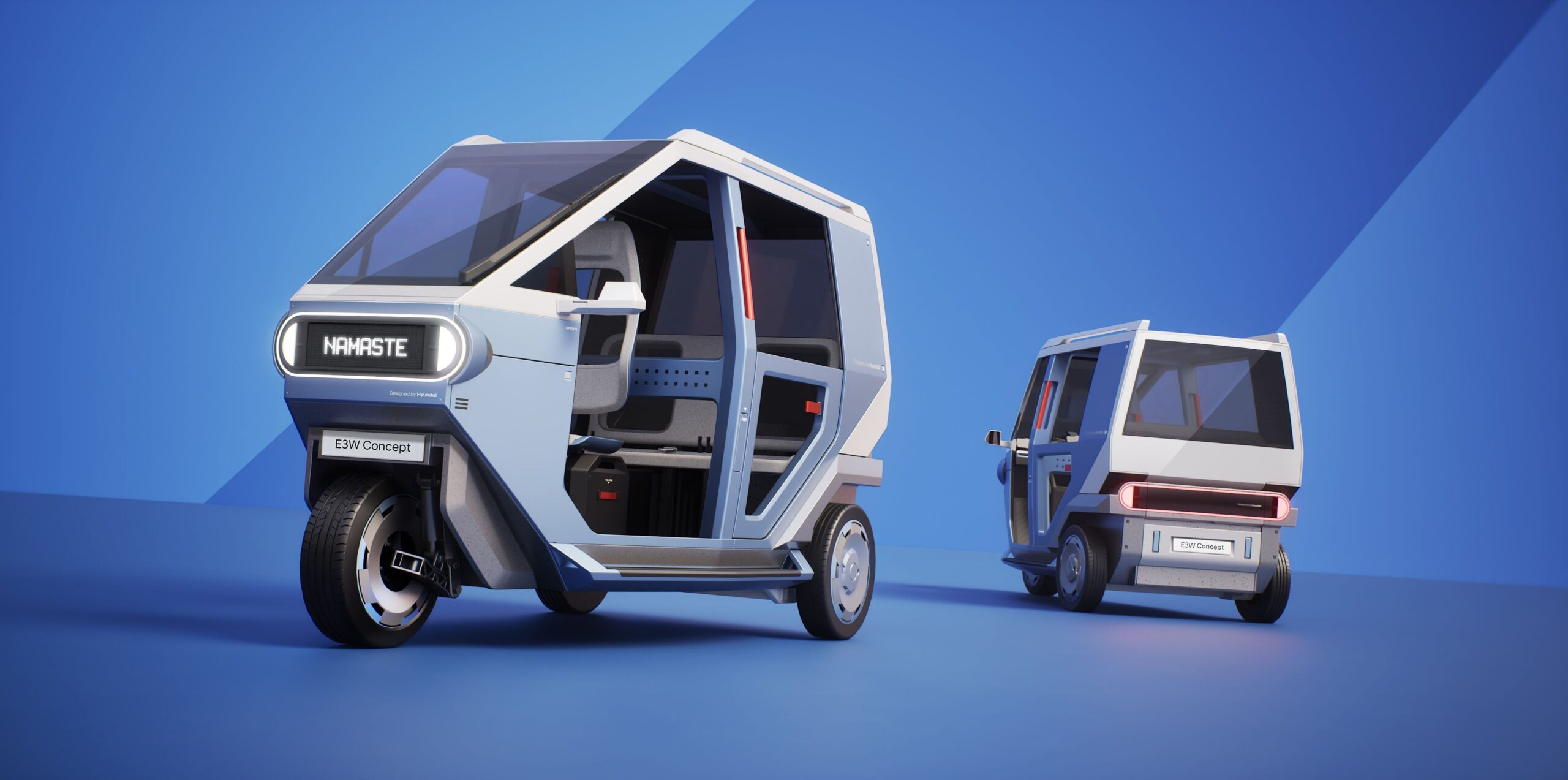
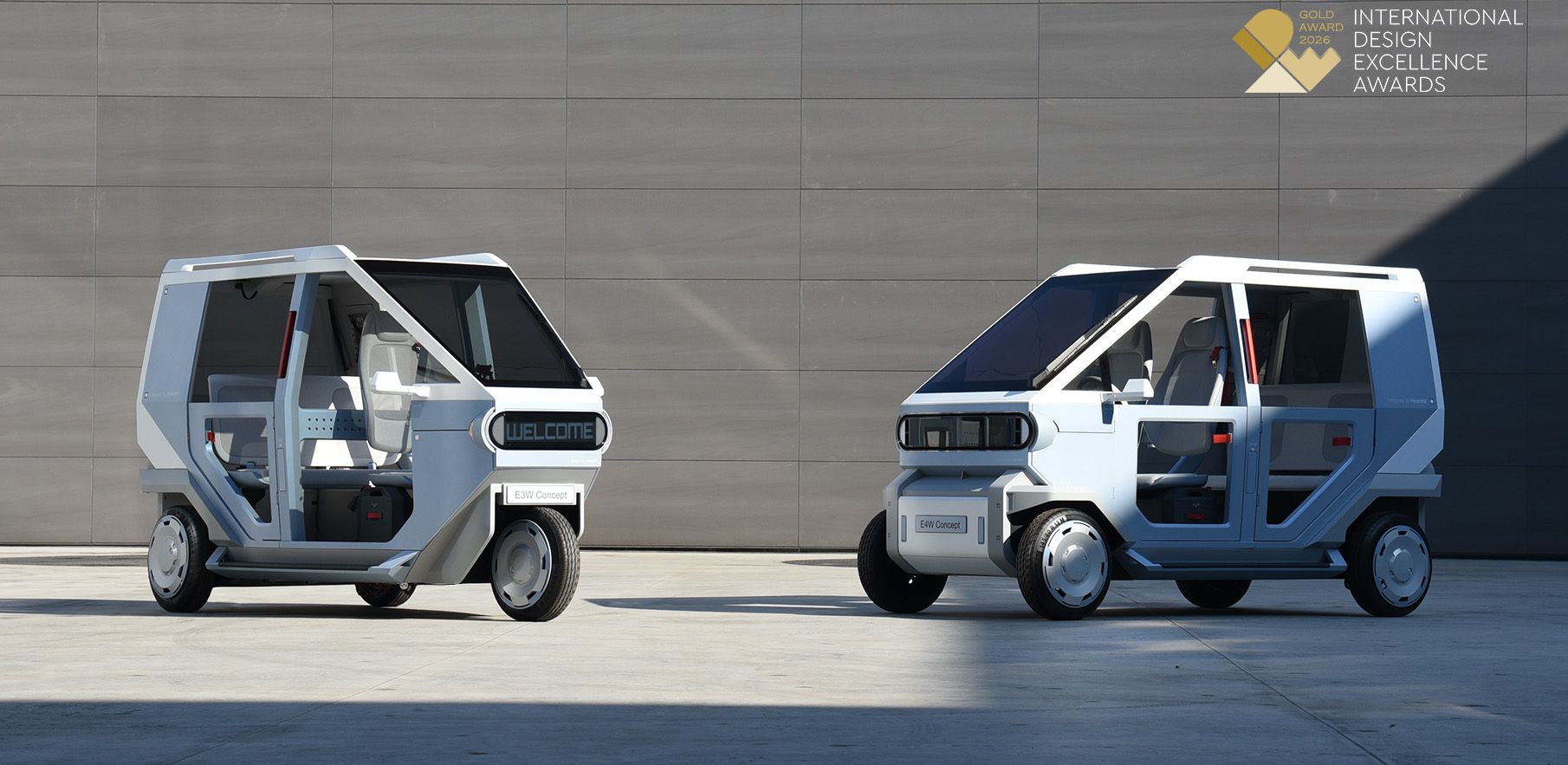
The E3W and E4W electric micro-mobility concepts received Gold recognition. Designed around an Indian urban transport context, they propose a flat floor for step-free boarding, foldable seating and adjustable ride height for rough or flooded streets. One small machine could carry passengers or goods, depending on the day. That is a stronger design brief than simply drawing a futuristic silhouette.
Step-free entry is only part of accessible transportation. Hyundai and TVS have a development agreement for an Indian market vehicle, but Hyundai has not published a U.S. price or launch plan for these award entries. An illustration of wheelchair access does not establish the dimensions, securement or real-world service standard of a finished vehicle. The honest question is whether operators could afford and maintain it. If they can, adaptability would matter to riders and small businesses more than its award.
You may also enjoy: Hyundai’s Coolest Tiny EVs Are Staying in India
There is an environmental distinction too. An electric vehicle produces no exhaust at the vehicle, while the electricity supply affects its overall emissions. That should keep the conversation anchored to service, local needs and energy sources instead of awarding an automatic environmental halo to any object with a battery.
A Cabin Concept Has to Survive Real Life
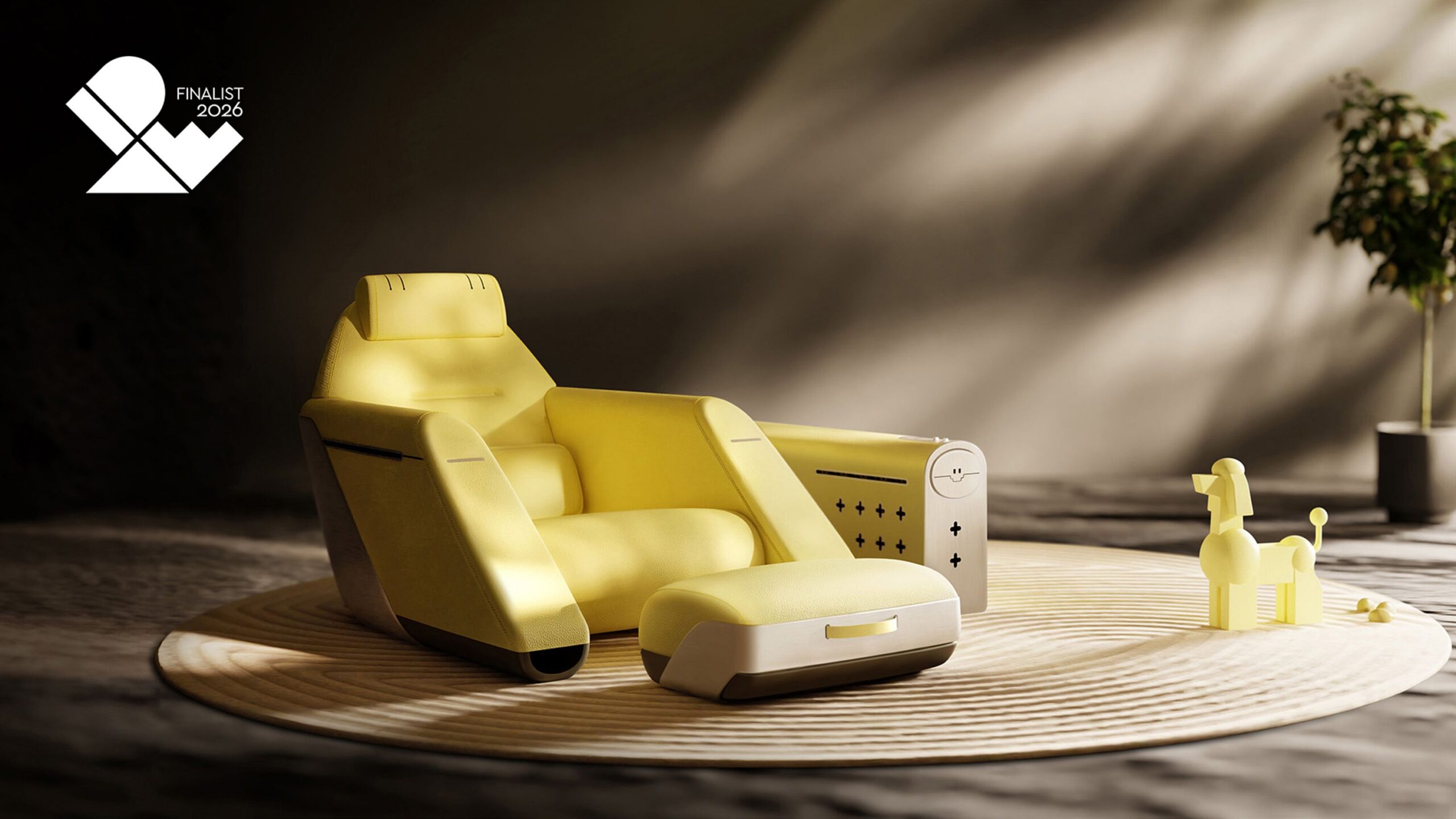
Mobile Nap, Furnished Lounge and Hyundai Add Gear were named finalists. Their premise is that a vehicle can be more useful while parked and that its interior can adapt to occupants’ routines. The Furnished Lounge image shows a bright yellow chair and companion pieces. As a design exercise, it is memorable; as a potential vehicle feature, it raises practical questions the photograph cannot answer.
Will moving parts stay secure in a collision? Can owners clean the fabric after the third coffee spill? Do they need to rearrange the cabin every time they carry a large dog or luggage? An interior’s flexibility has value when the change takes seconds and the pieces do not become loose clutter. A buyer should wait for production details and independent testing before treating any of these ideas as a coming feature.
You may also enjoy: 2026 Hyundai Ioniq 5 Review: The Value Is Back
UX Studio Seoul, another finalist, is a research environment that Hyundai says lets visitors try experiences and give feedback. That may be the most useful design entry for ordinary drivers. Driver distraction guidelines emphasize limiting tasks that take attention from the road. Real people struggling with a menu before it ships could be more valuable than another screen animation.
You may also enjoy: Pleos Connect: What Hyundai’s New Software Gets Right
I have used Pleos Connect and found its retained physical controls for frequent tasks more persuasive than its showier software ambitions. That is a first-hand observation about Pleos, not a test of the award-winning studio or the lounge concepts. It suggests a useful standard: judge a Hyundai interface by how little attention it demands in motion, not by how much it can display when parked.
Korean Culture Is More Than a Brand Backdrop
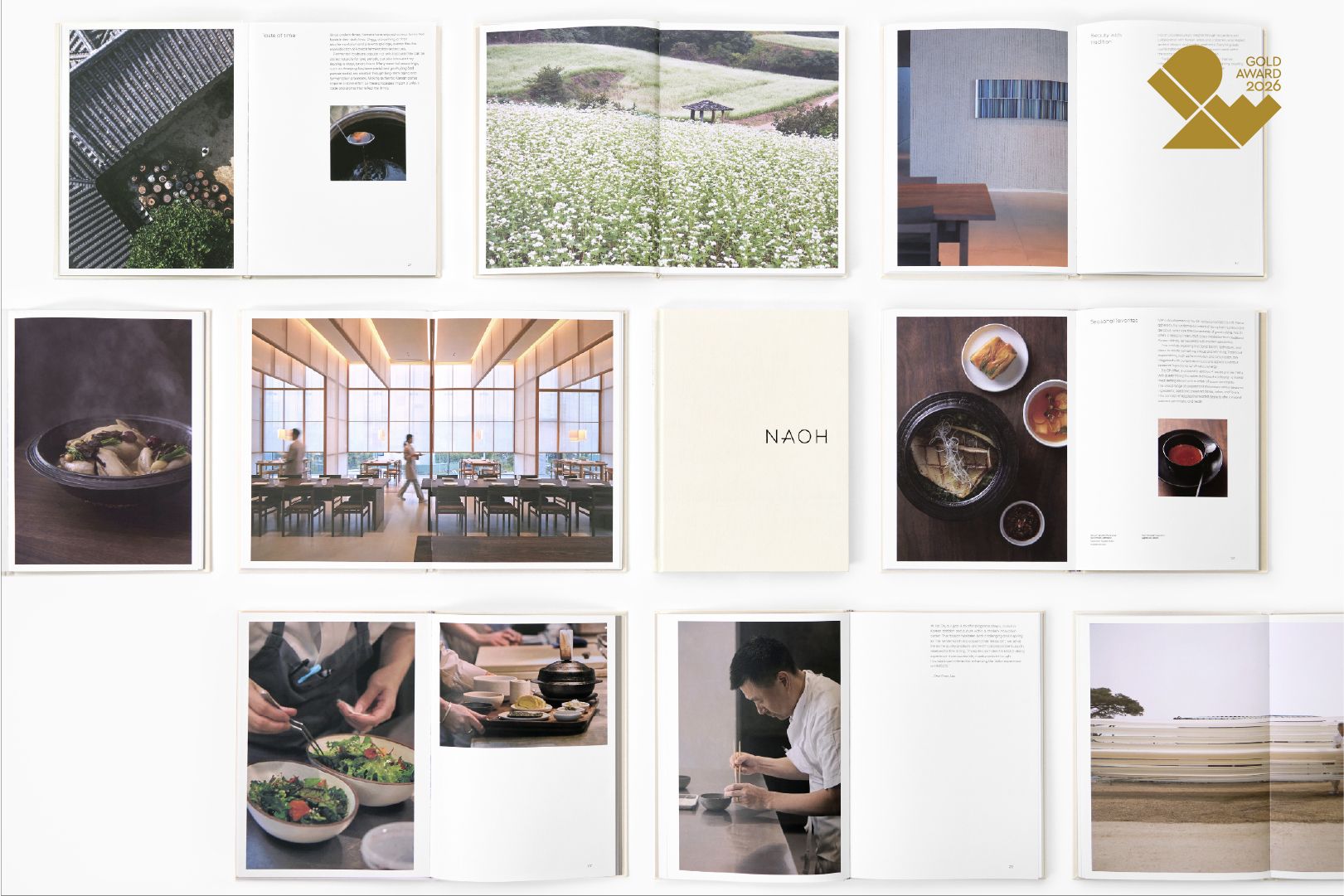
Hyundai’s second Gold went to a book about Na Oh, the Korean restaurant at its Singapore innovation center. Hyundai says chef Corey Lee and Korean artisans helped shape the project. The restaurant’s identity also made the finalist list. Food, graphic design and a factory might seem far from automotive journalism, but this is an automaker introducing itself through Korean craft and hospitality.
RETRACE magazine earned Bronze for exploring the Stellar and Sonata through memories and history. The renewed Hyundai Hope on Wheels identity earned another Bronze. Pediatric cancer research has its own measurable goals, distinct from the effectiveness of any visual campaign. Hyundai’s treatment of the cause can raise awareness, but a design award does not measure the program’s medical impact.
You may also enjoy: Why Hyundai and Genesis Are Turning Car Sales Into Hope
The heritage work matters because Hyundai has spent decades moving from bargain-car associations to a more confident identity. A story about the old Sonata may help owners see continuity in today’s cars. It cannot tell a shopper whether a new Sonata fits their budget. Culture can bring somebody through the door; a product still has to earn the sale.
The Award Is a Starting Point for Buyers
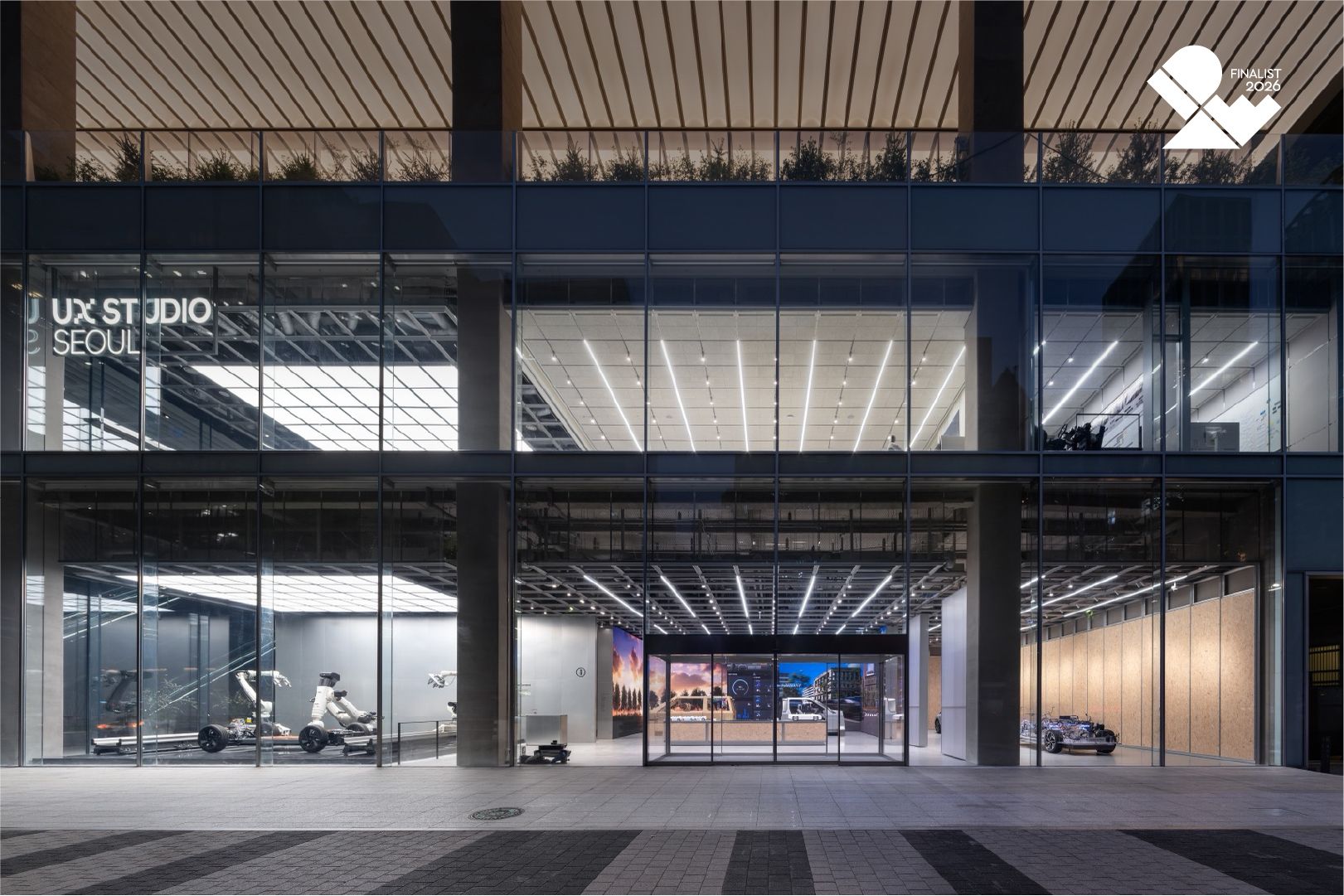
The IDEA awards cover more than production vehicles. Hyundai’s other recognized work includes the modular MobED mobile robot and a MagSafe employee ID case. The spread is a sign of ambition, though it also makes the headline count of 10 less useful as a scorecard for showroom cars. It is possible to be excellent at brand design and still build a frustrating climate-control menu.
You may also enjoy: Hyundai’s Robot Future May Be Closer Than You Think
For a current shopper, I would put these awards in the same category as a promising concept car: evidence of where a company is looking, with no discount on the need for a proper test drive. Sit in the car. Adjust the temperature without hunting through screens. Load what you carry, check the sightlines and ask which conveniences are actually included in the trim you can afford. If Hyundai’s wider design culture improves those simple moments, the trophies will have earned their space in the story.