Why Hyundai and Genesis Are Turning Car Sales Into Hope
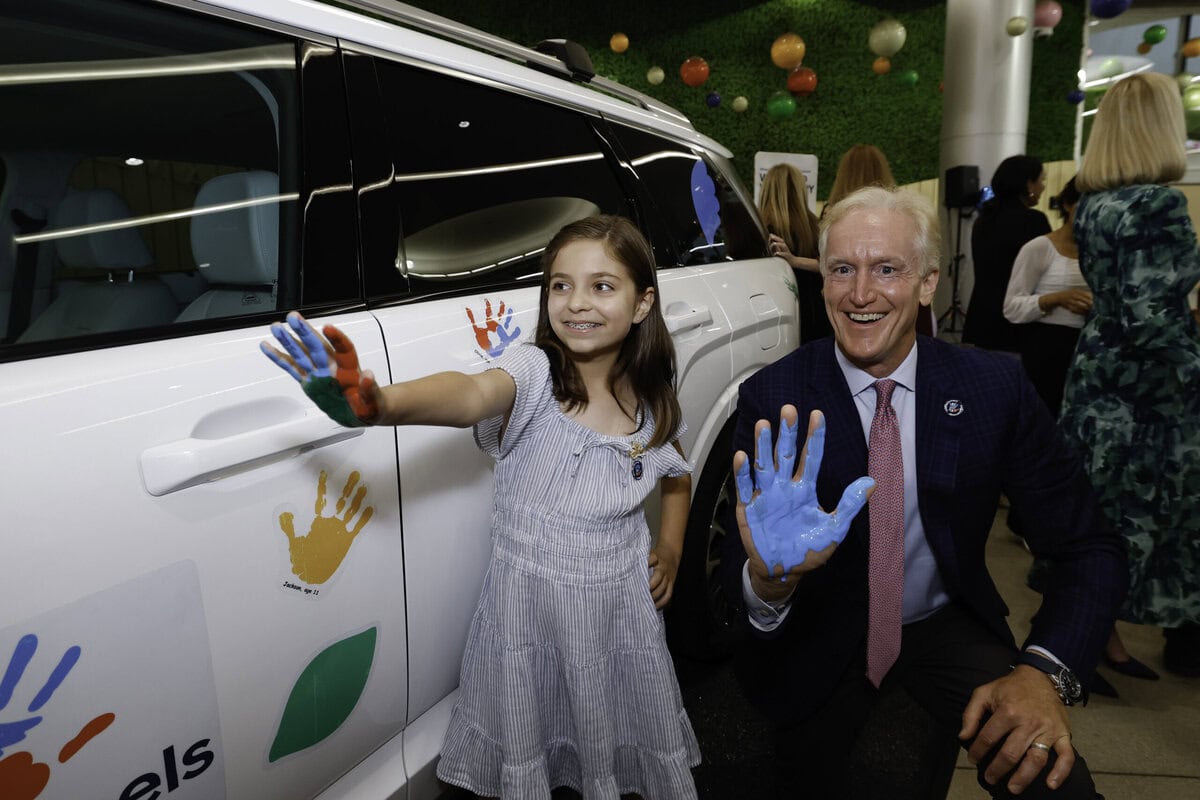
Hyundai is turning car sales into community investment through pediatric cancer research, showing how car sales can reach beyond the driveway.
The Bigger Story Behind the Sale
Every new vehicle sale usually ends with the same familiar picture: keys in hand, paperwork complete, a driver heading home in something new. That is the part most people see. What they do not always see is where a portion of that transaction goes next.
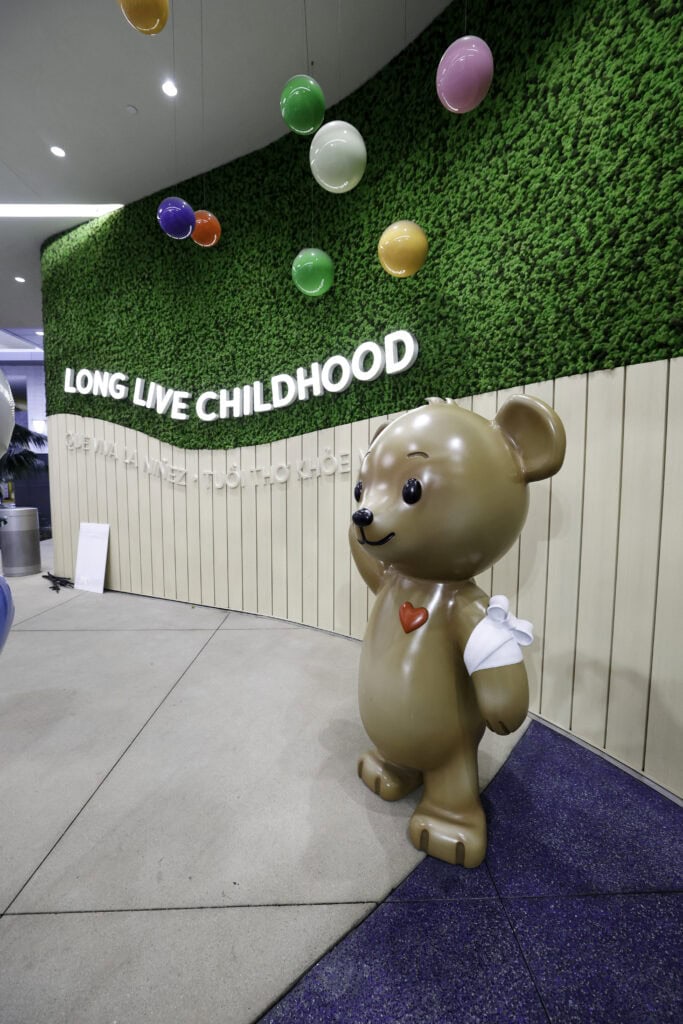
For Hyundai and Genesis, that next stop can be a children’s hospital, a pediatric cancer research program, a family support initiative, or a youth arts organization giving kids access to music, theater, and creative education. At Rady Children’s Health Orange County, formerly known to many families as CHOC, that corporate giving becomes something more human than a line item. It becomes support for care, research, and families who never expected a hospital waiting room to become part of their lives.
That is the story Hyundai and Genesis are telling today. It is not about horsepower, trim levels, range, screens, or how many cupholders can be squeezed into a center console. It is about what happens when car sales help fund programs that reach children at some of the most vulnerable and formative moments in their lives.
You may also enjoy: Hyundai’s $26B U.S. Investment: New EVs, Hybrids and What It Means for You
Hyundai Hope on Wheels Brings Funding to Pediatric Care
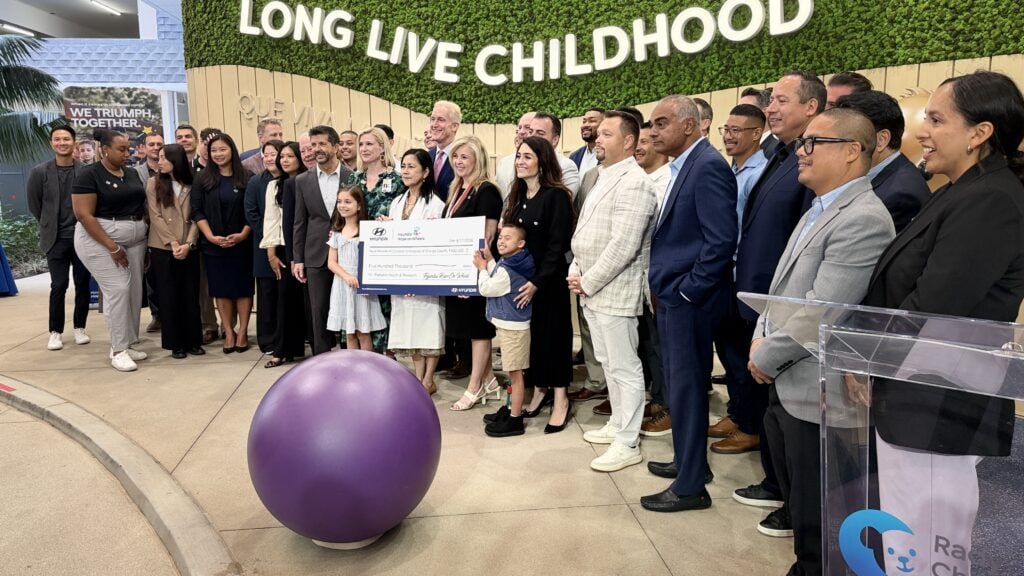
Hyundai and Hyundai Hope on Wheels are presenting $500,000 to Rady Children’s Health Orange County in support of pediatric health and cancer care. The gift is split between a $100,000 Hyundai donation to help the hospital meet its greatest needs and an additional $400,000 from Hyundai Hope on Wheels, including support tied to pediatric cancer care and a Young Investigator Grant.
The size of the check matters, but the reason behind it matters more. Childhood cancer is not a distant medical category for the families who walk through these doors. It is a scan. It is a diagnosis. It is a nurse kneeling to speak gently to a child. It is a parent trying to remain steady while learning a language of specialists, treatment plans, and follow-up appointments that no family ever wants to learn.
That is why funding matters in this space. Children’s hospitals do not only treat disease. They support families, fund research, recruit specialists, develop new approaches, and help children move through care with as much dignity and comfort as possible. A hospital’s greatest needs can range from clinical programs to family support, research tools, equipment, and services that make the experience less frightening for children and less isolating for parents.
Why Hyundai Hope on Wheels Matters
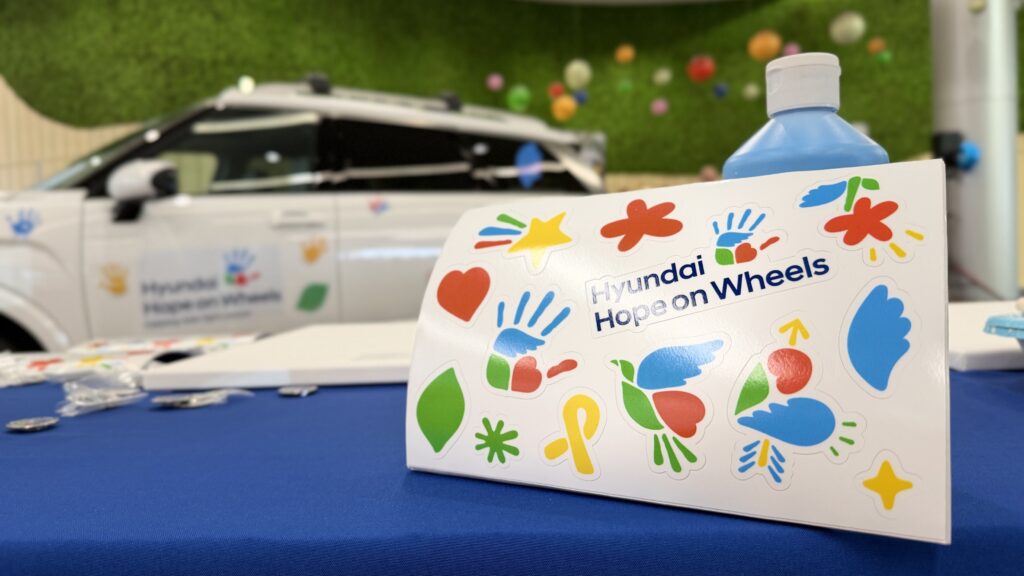
Hyundai Hope on Wheels has been part of Hyundai’s philanthropic identity since 1998. The organization was created to help fight childhood cancer through research funding, awareness, and support for children, families, doctors, and researchers. What began as a dealer-backed effort has grown into one of the most recognizable nonprofit initiatives connected to the auto industry.
Hyundai says a portion of every new Hyundai sold supports Hyundai Hope on Wheels, with $22 from each new Hyundai purchase helping fund pediatric cancer research grants and awareness programs. Over the years, the program has helped direct more than $300 million toward pediatric cancer research and related support. That number is large enough to sound abstract until you stand inside a children’s hospital and remember what the money is actually for.
It helps fund the next research question. It helps support the doctor trying to understand why one treatment works for one child and not another. It helps sustain the kind of long, patient, methodical work that eventually changes medical outcomes. Progress in pediatric cancer is not built on one dramatic breakthrough alone. It is built on years of careful research, better data, better treatments, better survivorship care, and sustained funding from many sources.
The Centers for Disease Control and Prevention notes that pediatric and young adult cancer tracking is essential because childhood cancer remains rare compared with adult cancer but deeply consequential for families and public health. That context helps explain why sustained research funding matters so much. The need is not theoretical. It is measured in diagnoses, treatment decisions, survival rates, and long-term quality of life.
You may also enjoy: Hyundai Fuels STEM for Future Auto Careers
The Handprints Make the Mission Personal
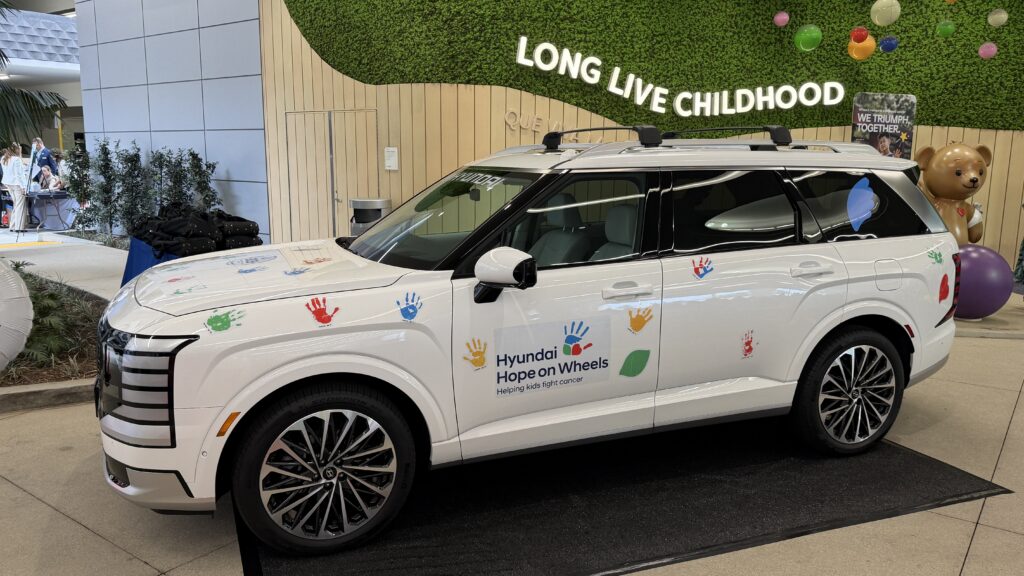
The most memorable part of a Hyundai Hope on Wheels event is often the handprint ceremony. Children affected by cancer, doctors, researchers, hospital leaders, and Hyundai representatives place painted handprints on a vehicle. It is colorful and visual, but it is not just ceremonial.
Each handprint represents a life touched by cancer and a shared commitment to keep fighting for better treatments and, eventually, cures. A vehicle that normally represents transportation becomes a moving symbol of survival, courage, science, and community. It is an automotive image, yes, but it is not really about the car.
The handprints are powerful because they return the conversation to the children. Corporate giving can become very polished very quickly. There are podiums, banners, formal remarks, and large checks designed to be seen from the back of a room. The handprints cut through all of that. They remind everyone why the event exists in the first place.
That symbolism also connects to a broader medical reality. The National Cancer Institute’s Childhood Cancer Data Initiative focuses on gathering and sharing data to improve diagnosis, treatment, quality of life, and survivorship for children, adolescents, and young adults with cancer. In plain English, better information can help doctors and researchers ask better questions and move closer to better answers.
A Different Kind of Automotive Story
The auto industry is often measured in sales charts, market share, production capacity, and incentive spending. Those numbers matter, especially in a business as competitive and capital-intensive as car manufacturing. But they do not tell the entire story of what a modern automaker is trying to be.
Hyundai’s growth in the United States has been driven by more than value pricing. The brand has invested heavily in design, electrification, safety technology, manufacturing, and a lineup that now competes across mainstream family vehicles, hybrids, electric vehicles, and three-row SUVs. Genesis, meanwhile, has been building its identity as a luxury brand that wants to be known not only for design and comfort, but for purpose.
That purpose is easier to say than to prove. Every company can use the language of community. Fewer can point to sustained programs with real funding, measurable reach, and visible local impact. When the money lands in a children’s hospital or an arts education program, the story becomes harder to dismiss as marketing.
You may also enjoy: 2026 Hyundai IONIQ 9 Review: The Three-Row Electric SUV That’s Quietly Redefining Family Hauling
Genesis Adds Arts Education to the Equation
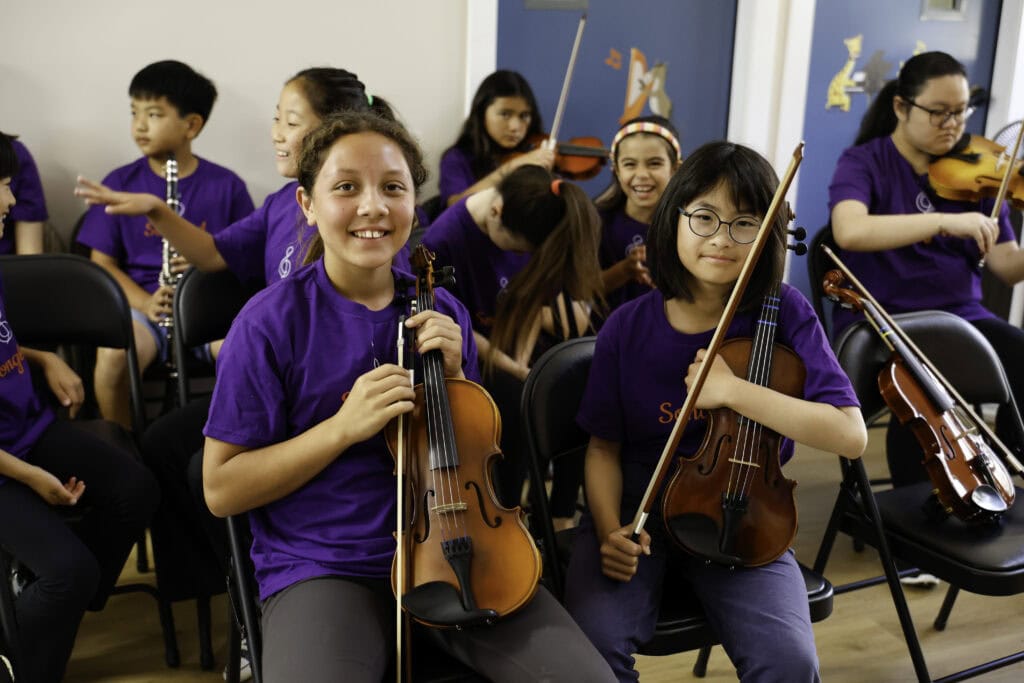
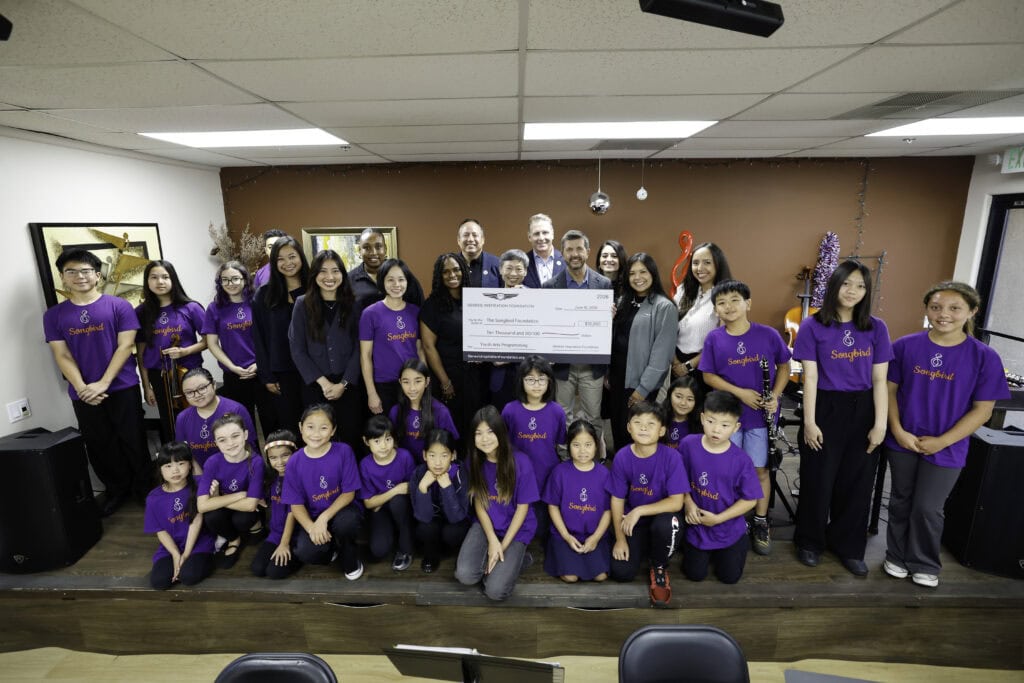
The community investment does not stop at the hospital doors. Through the Genesis Inspiration Foundation, Genesis is also supporting youth arts education, including a $10,000 donation to Songbird Music School. The organization helps bring music education to children, including places where schools may not have a music program available.
That is a different kind of need, but it is still deeply important. Children do not only need medical care to thrive. They need ways to express themselves, build confidence, develop discipline, and feel connected to a community. Music can do that. So can theater, dance, visual art, and creative programs that give children a place to be seen and heard.
For a child, music can become more than an activity. It can become a language when words are hard to find. It can become a reason to show up after school, a way to make friends, or the first time a child discovers they are capable of something that feels bigger than homework and routine. In communities where arts funding is thin, outside support can help close the gap between what children need and what schools can afford.
The National Endowment for the Arts has emphasized the role of arts education and student well-being, including the ways creative learning can help children manage feelings, recover from adversity, and develop compassion for others. That does not make music class a substitute for medical care, family stability, or strong schools. It does make arts access part of a healthier childhood.
You may also enjoy: Genesis Gives $10,000 to Transform Kids’ Lives Through Theater
Why Arts Funding Belongs in This Conversation
Some people may wonder why an automotive company should be involved in music or arts education. The answer is simple: companies operate in communities, hire from communities, sell to communities, and depend on healthy, educated, hopeful communities. Supporting children through the arts is not a side issue. It is part of building a stronger future workforce, a more engaged public, and a more resilient generation.
Arts education can help children develop confidence, creativity, collaboration, and problem-solving. Those are not soft benefits. They are real skills that matter in school, in work, and in life. In the auto industry, the future will be shaped by engineers, designers, software developers, technicians, communicators, and creative problem-solvers. A child who learns rhythm, performance, teamwork, or storytelling may not end up designing a car, but they may learn how to think, persist, and create.
The U.S. Department of Education’s Arts in Education National Program supports arts education projects for children and youth, with an emphasis on serving students from low-income families and students with disabilities. That matters because access is often the hardest part. Talent is everywhere. Opportunity is not.
Genesis has positioned its Inspiration Foundation around that idea: creativity is not an extra. It is a foundation. By supporting organizations such as Songbird Music School, the brand ties its luxury identity to access, opportunity, and cultural investment. That is a smarter and more durable message than simply talking about leather, lighting, and horsepower.

The Local Impact Is the Point
There is a reason today’s story lands differently when it is told from a hospital entrance or a music school rather than a corporate boardroom. Community investment is easiest to understand when it is local. A national giving number may be impressive, but a local grant lets people see what the money can do.
At Rady Children’s Health Orange County, the money supports pediatric health and cancer care in a place where families are already doing some of the hardest work of their lives. At Songbird Music School, the donation helps children access music education that might otherwise be unavailable. One investment supports healing. The other supports expression. Both support children.
National Center for Education Statistics reporting on arts education in public elementary schools shows how access to music, visual arts, dance, and theater has varied across schools and subjects. That variation helps explain why nonprofit programs and philanthropic grants can matter. They can help fill gaps that ordinary school budgets may not cover.
That is the common thread. Hyundai and Genesis are using vehicle sales to put money back into the places where people live, work, buy cars, raise families, and hope for something better. It is easy to be cynical about corporate philanthropy, and sometimes that cynicism is earned. But a hospital grant, a research award, and a youth arts donation are tangible. They can be tracked. They can be felt.
You may also enjoy: Hyundai IONIQ 9 Dominates NWAPA Drive Revolution 2025 Awards
What Buyers Should Take From This
Most people do not choose a vehicle based solely on charitable giving. They compare price, reliability, warranty coverage, fuel economy, technology, safety, comfort, and how well a vehicle fits daily life. That is how it should be. A good cause cannot turn the wrong car into the right one.
But increasingly, buyers do pay attention to what brands stand for after the sale. They notice whether companies invest in the communities where they do business. They notice whether corporate purpose is backed by money or just painted on a campaign banner. They notice when a brand’s success seems to circulate back into something useful.
For Hyundai and Genesis, the argument is not that charity should replace product excellence. It is that product success can help fund a broader responsibility. When a company sells a lot of vehicles, the scale of its giving can become meaningful. When that giving is sustained year after year, it can become part of the brand’s identity.
Hope, Research, and a Song
The strongest part of today’s story is that it does not ask the car to be the hero. The vehicle covered in handprints is a symbol, not the point. The point is the child in treatment, the parent in the waiting room, the researcher pursuing a better answer, the nurse offering comfort, and the student discovering confidence through music.
That is why this story works. It connects the very ordinary act of buying a car with outcomes that feel anything but ordinary. A sale becomes a grant. A grant becomes research. Research becomes treatment. A music donation becomes a lesson, a performance, a moment of confidence, or a child finding a voice.
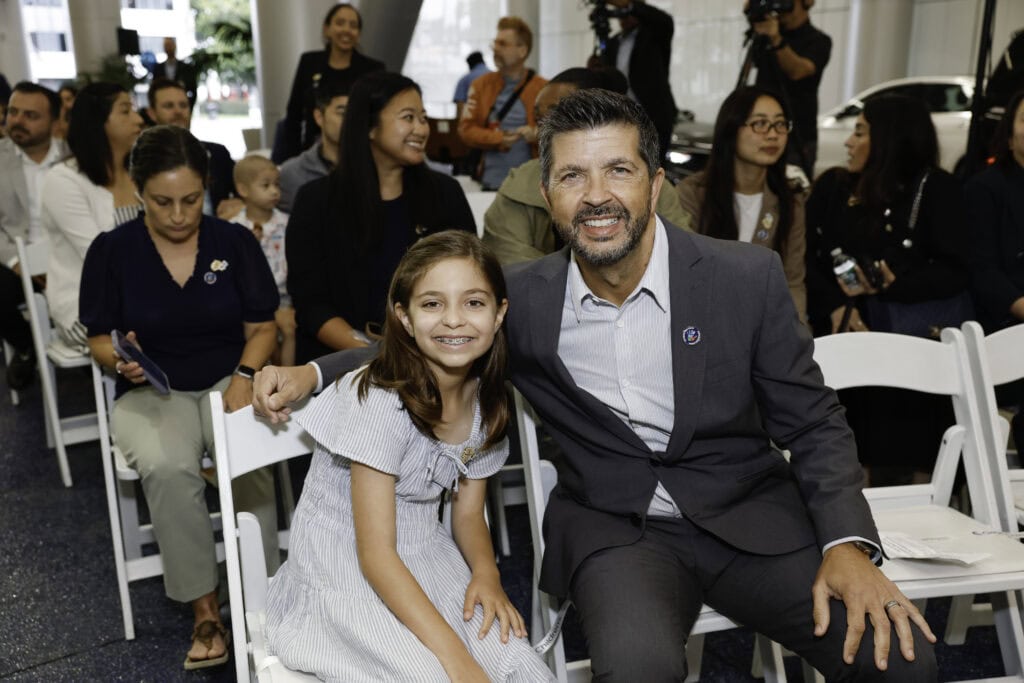
At its best, the auto industry does more than move people from one place to another. It reflects the communities it serves and, occasionally, helps those communities move forward. Today, at Rady Children’s Health Orange County and through Songbird Music School, Hyundai and Genesis showed what that can look like.
Hope left a handprint. It may also have found a song.