New BMW 3 Series: Familiar Feel, Bigger Decisions
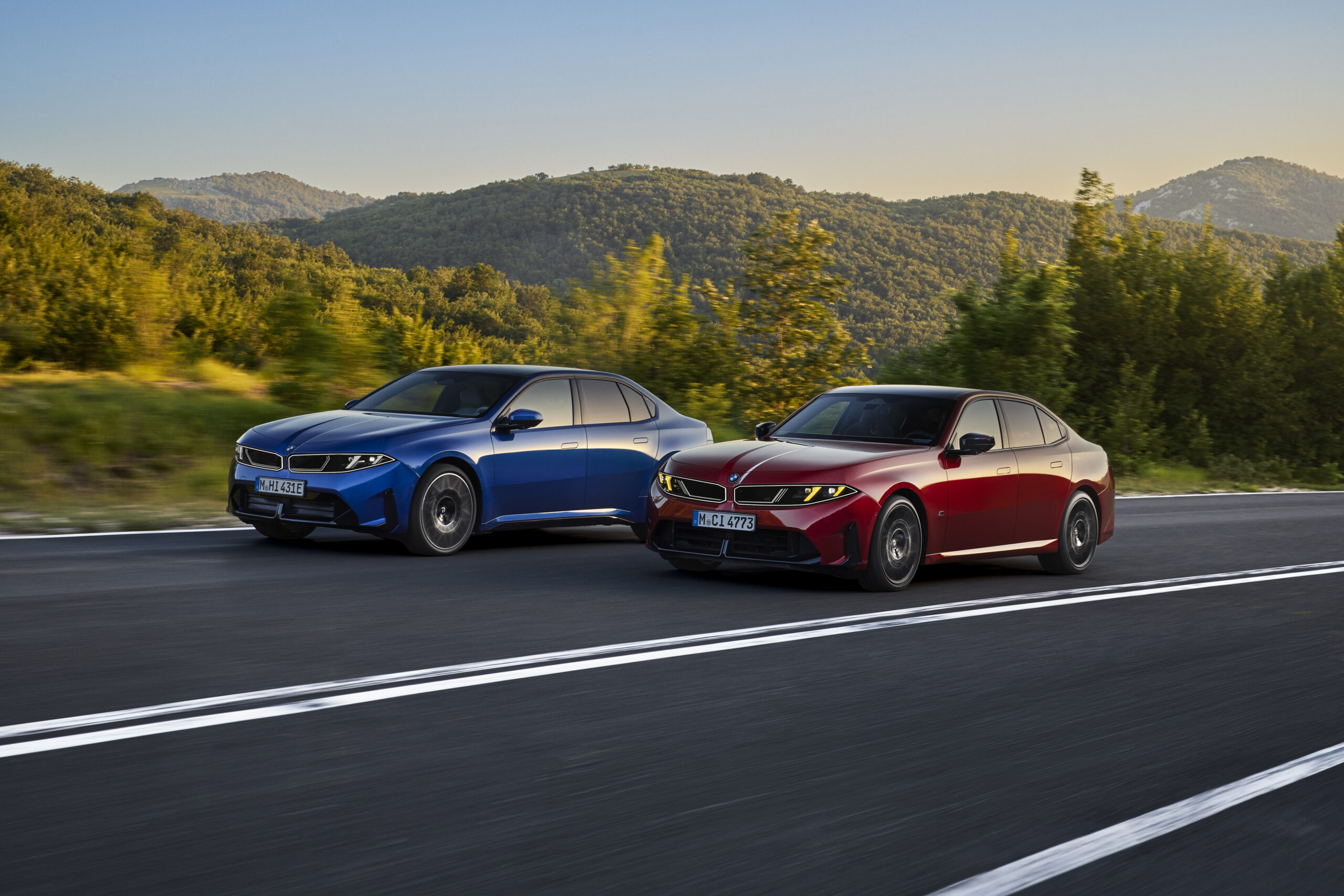
The new BMW 3 Series looks sharper, but choosing between six-cylinder power and the electric i3 means looking beyond the headline numbers.
Walking up to the new BMW 3 Series, my first impression was that somebody had finally spent more time tailoring the suit. The car looked more resolved, more modern, and a little more premium, while keeping the identity that has made this sedan recognizable for more than 50 years. That matters because a 3 Series buyer usually wants progress without having to explain what happened to their favorite car.
My video is a first look. I have not driven this generation, so the sharper appearance cannot yet stand in for a verdict on steering, ride quality, or the way it behaves on an ordinary road. What I can describe is the visual impression: cleaner surfaces, a more deliberate stance, and less unnecessary fuss. It looks poised while parked. The road test will have to establish whether that promise survives a pothole.
The bigger buyer decision sits beneath the bodywork. BMW is continuing with combustion-powered 3 Series models while offering the fully electric i3 as a separate interpretation of the sports sedan. They share a design direction, but their engineering and ownership requirements deserve separate consideration. The electric model is not simply an M350 with a battery substituted for the engine.
You may also enjoy: BMW 3 Series Keeps Gas Power and Adds Drift Moment
BMW’s U.S. technical information puts the M350 xDrive at 437 horsepower. The 443 figure in international material uses a different horsepower convention. Similarly, the published provisional sprint is 4.1 seconds to 62 mph, which should not be relabeled as a measured 0–60 result. The performance case is strong enough without giving the stopwatch a creative-writing assignment.
You may also like this video:
Why the new BMW 3 Series looks more settled
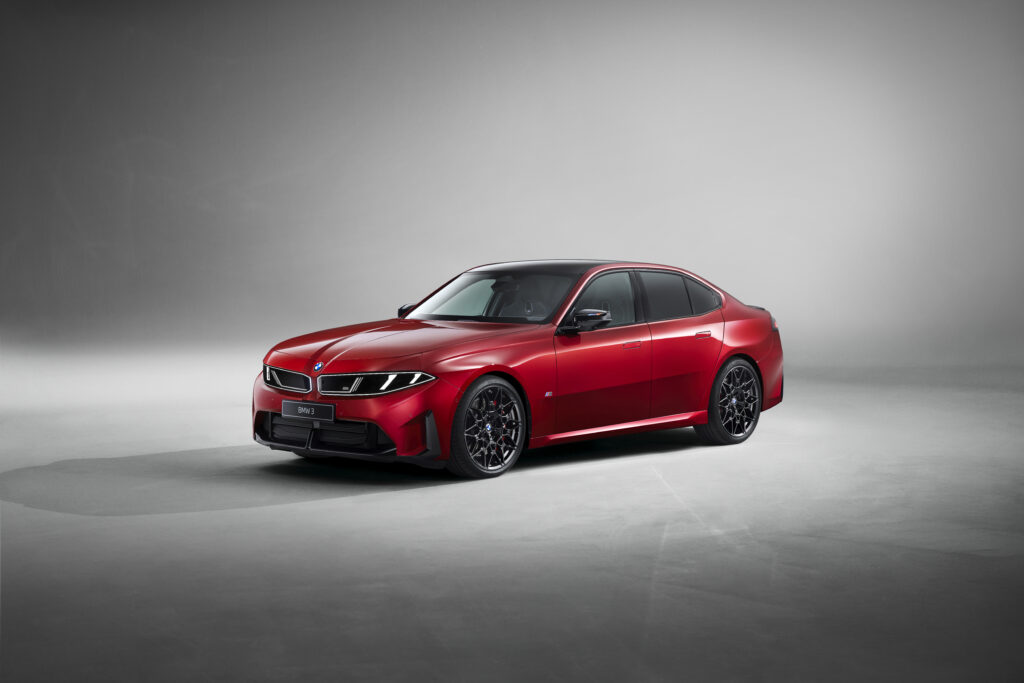
The design direction in my walkaround feels like an evolution of the familiar sports sedan rather than a demand that buyers abandon their memories. The shark-nose face, four-eye lighting idea, and more closely integrated kidney-grille treatment make the front look more considered. Along the sides, smoother surfaces let the proportions do more of the work. At the rear, the horizontal lighting emphasis gives the car a planted visual character.
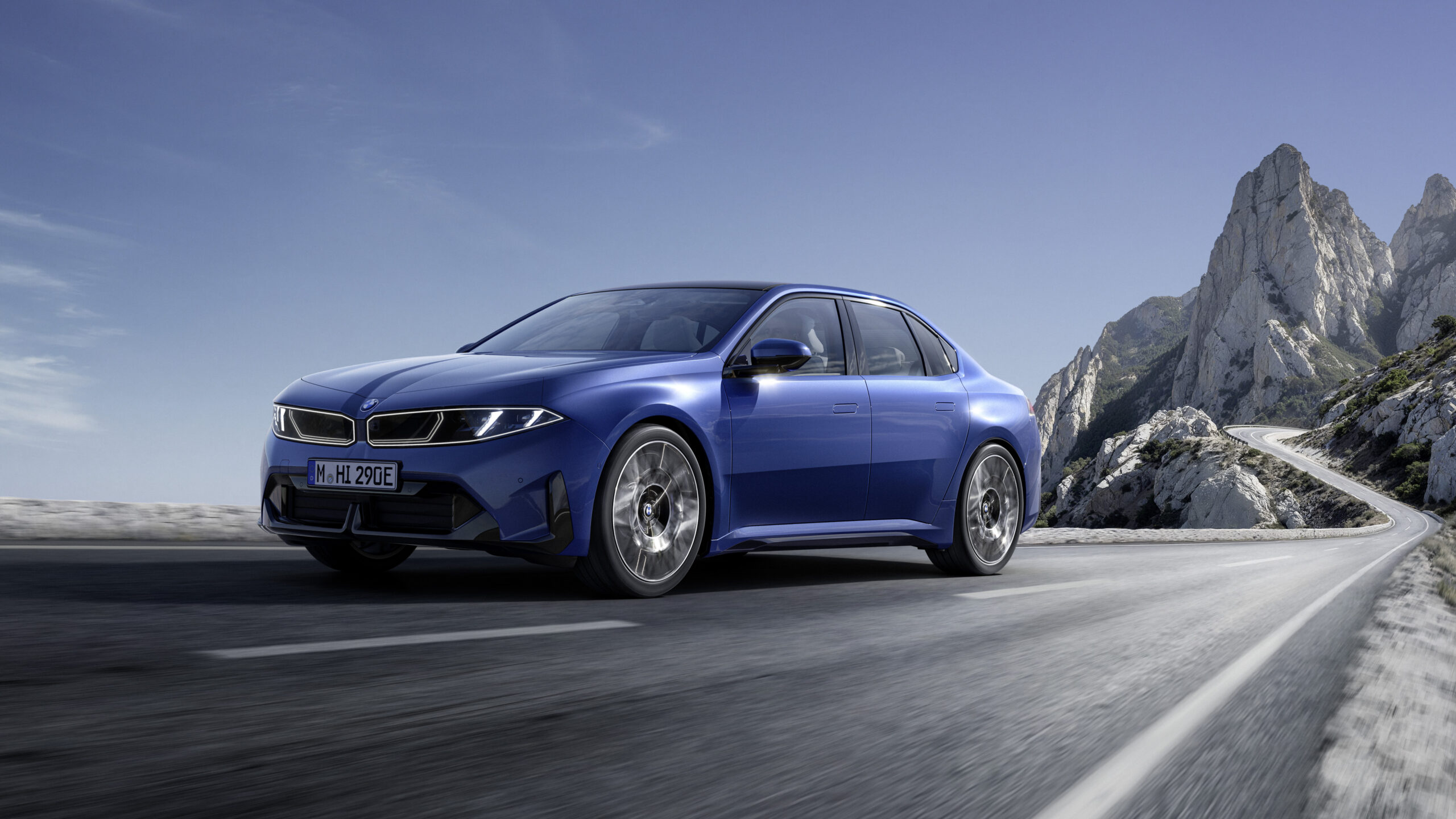
It is useful to distinguish that firsthand reaction from model-specific equipment claims. BMW’s i3 announcement confirms an integrated grille-and-light signature, flared wheel arches, and short overhangs. The photographs here identify the electric i3 explicitly; they should not be treated as proof that every trim of the combustion car has identical details or equipment. Optional lighting and door-handle specifications need their own market-specific confirmation.
The cockpit is where appearance needs a particularly practical test. In the i3, BMW confirms a 17.9-inch central display, Panoramic Vision across the windshield’s lower edge, and an optional 3D head-up display. Moving useful information nearer the road is a sensible aim. Whether the interface actually reduces effort depends on menu design, legibility, and how easily the driver can operate it while moving.
You may also enjoy: Genesis GV90: Separate Luxury From Theater
A larger screen does not establish safer operation. NHTSA’s explanation of distracted driving includes interacting with navigation and entertainment systems. My eventual test will include mundane tasks: changing cabin settings, adjusting navigation, and finding essential information without prolonged glances. Those small demands can tell us more about daily usability than a perfectly arranged display photographed in a studio.
BMW’s Munich manufacturing transformation also gives this launch useful context. Its electric sedan is part of a substantial production change, not an isolated styling experiment. That does not prove durability or finish quality, but it explains why the company is asking buyers to take its new technology seriously.
You may also enjoy: Inside BMW’s Factory and What It Could Mean for America
Choose the powertrain around your actual week
The M350 xDrive retains a turbocharged 3.0-liter inline-six, an eight-speed automatic, all-wheel drive, and 48-volt mild-hybrid technology. That electrical assistance should not be confused with a plug-in hybrid’s electric commuting capability. For buyers who value engine character and familiar refueling, it is the more straightforward proposition. BMW has outlined revised chassis tuning, but balance and comfort remain things to assess behind the wheel.
The i3’s 463 horsepower is confirmed in BMW’s U.S. announcement, alongside a projected range of up to 440 miles. That range comes from preliminary BMW testing based on EPA procedures; it is not a final EPA-certified rating. Understanding range testing matters because a laboratory estimate is not a promise for a cold freeway trip with luggage and the heater running.
BMW also specifies charging capability of up to 400 kW. Its global claim of about 250 miles added in ten minutes comes from a provisional WLTP-based calculation under specified conditions. It should not be joined to the American 440-mile estimate as though both were one certified test. With DC fast charging, battery temperature, starting charge, and the station’s output all influence the result.
You may also enjoy: 2026 Tesla Model 3 Review: Is Standard Too Basic?
For an owner with reliable charging at home, an electric vehicle can make the weekly routine simpler. For someone dependent on public chargers, location and availability can matter more than the peak charging specification. Price, insurance, servicing, and resale expectations still belong in the comparison; I would not declare either version the better value before verified U.S. pricing and equipment are available.
You may also enjoy: Genesis Global Growth Plan Faces Its Hardest Test
My first-look judgment is encouraging: the 3 Series looks more carefully considered without losing its personality. The buying decision will turn on what follows that first impression. I want the six-cylinder car to preserve the connection its shape suggests, and the i3 to make its technology feel useful on a normal Tuesday. Until I drive them, those are the right questions to carry forward.