2026 Tesla Model 3 Review: Is Standard Too Basic?
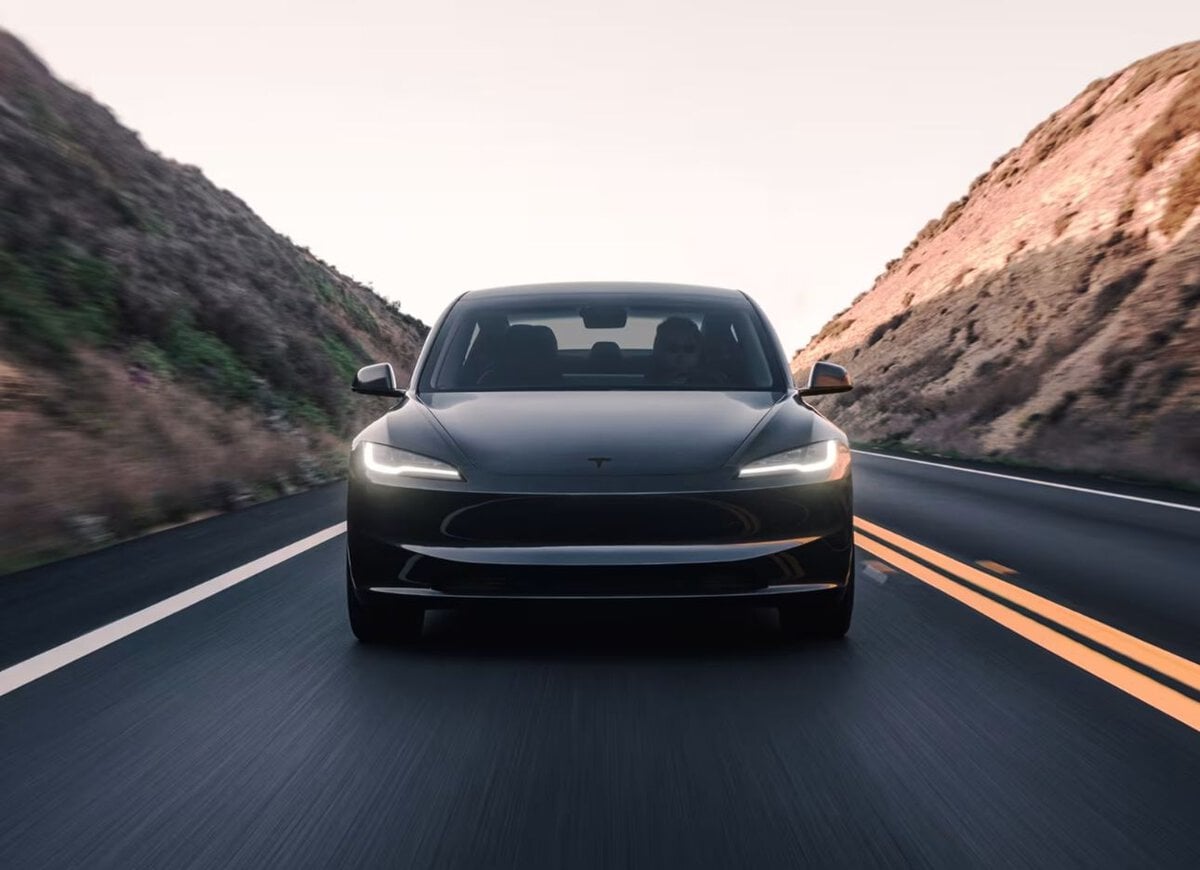
This 2026 Tesla Model 3 review reveals whether the $38,630 Standard saves wisely or removes too much compared with the Premium.
The most important feature in this 2026 Tesla Model 3 review costs $5,500. That is the gap between the new Standard and the Premium Long Range Rear-Wheel Drive, and it determines whether your Model 3 feels pleasingly simple or conspicuously stripped.
The Standard costs $38,630 including Tesla’s destination and order fees. It retains rear-wheel drive, an estimated 321 miles of range and a claimed 5.8-second run to 60 mph. The $44,130 Premium Long Range RWD extends the estimate to 363 miles, cuts the acceleration claim to 4.9 seconds and restores several comfort features. The cheaper car is not inadequate. The dearer one is easier to recommend.
This is a current U.S.-market vehicle analysis, not a road test. No current Model 3 test vehicle, window sticker, drive notes or original range and charging measurements were supplied. Tesla’s live prices and specifications can change, so confirm the final order screen before buying.
You may also enjoy this video about Tesla:
Quick Verdict: Standard Saves, Premium Satisfies
The Model 3 Standard is best understood as a focused commuter rather than a cut-price luxury sedan. It preserves the range, performance and charging integration that make a Tesla useful, while deleting equipment that makes it feel special.
Best for: A one- or two-person household with home charging, predictable mileage and little interest in rear-seat luxuries.
Skip if: You require Apple CarPlay, Android Auto, conventional instruments, numerous physical controls, a hatchback cargo opening or a traditional dealership.
Pros
- The Standard clears 300 miles of estimated range below $39,000 including Tesla’s stated fees.
- Tesla’s route planning, battery preparation and Supercharger billing work together unusually well.
- The Premium Long Range RWD combines the lineup’s highest estimated range with useful comfort equipment.
- Even the slowest version is brisk enough for normal American driving.
Cons
- The Standard removes comfort, audio and sound-insulation features owners may miss daily.
- Most controls and driving information live on one central screen.
- There is no factory Apple CarPlay or Android Auto.
- The sedan trunk is less accommodating than a Model Y liftgate for dogs and bulky cargo.

2026 Tesla Model 3 Price and Range Snapshot
| Version | Drive | Official estimated range | Tesla 0-60 claim | Price including stated fees |
|---|---|---|---|---|
| Standard | Rear-wheel drive | 321 miles | 5.8 seconds | $38,630 |
| Premium Long Range | Rear-wheel drive | 363 miles | 4.9 seconds | $44,130 |
| Premium Long Range | All-wheel drive | Confirm current configuration | Approximately 4.2 seconds | $49,130 |
| Performance | All-wheel drive | Approximately 298 miles | 2.9 seconds | $56,630 |
Tesla includes its destination and order fees in these advertised totals, which gives buyers a more useful starting figure than an MSRP that quietly collects unavoidable charges on the next screen. Taxes, registration, paint, wheels, interior choices and optional software remain additional.
You may also enjoy: 2026 Tesla Model Y Review: Tesla Finally Fixed It
The Standard Passes the Transportation Test
A 321-mile official estimate and a claimed 5.8-second run to 60 mph are not punishment specifications. The Standard should have ample performance for merging and passing, while its range gives a home-charging commuter considerable breathing room.
Tesla found the savings inside. The Standard uses simpler materials, fewer speakers and less acoustic glass. It loses ventilated front seats, heated rear seats and some rear-cabin amenities. These are not brochure emergencies, but they are exactly the sort of features that become noticeable after the first month rather than during a brief showroom inspection.
The physical turn-signal stalk is a welcome piece of normality. Steering-wheel signal buttons may photograph beautifully, but a roundabout is a poor place to play hide-and-seek with basic controls.
The Standard is convincing for a solo commuter. A family living in a hot or cold climate should consider the missing seat functions and reduced rear amenities carefully. Saving money on equipment nobody uses is sensible. Saving money on equipment everybody complains about is merely deferred spending.
The Premium Long Range RWD Is the Sweet Spot
The Premium Long Range RWD adds 42 miles to Tesla’s official estimate, drops the acceleration claim below five seconds and restores the stronger cabin specification. It also avoids paying for a second motor that many drivers do not need.
Spread across five years, the $5,500 difference is about $92 per month before interest, taxes or down payment. That framing makes the decision more honest. The buyer is not comparing one enormous number with another; the question is whether longer range, a quieter cabin and better everyday equipment are worth roughly three dollars a day.
For regular interstate travel, the additional range can provide more route flexibility. For owners who rarely exceed 100 miles in a day, range alone may never repay the premium. Comfort may. Heated rear seats, ventilated front seats and better sound insulation are benefits people use without planning a charging stop.
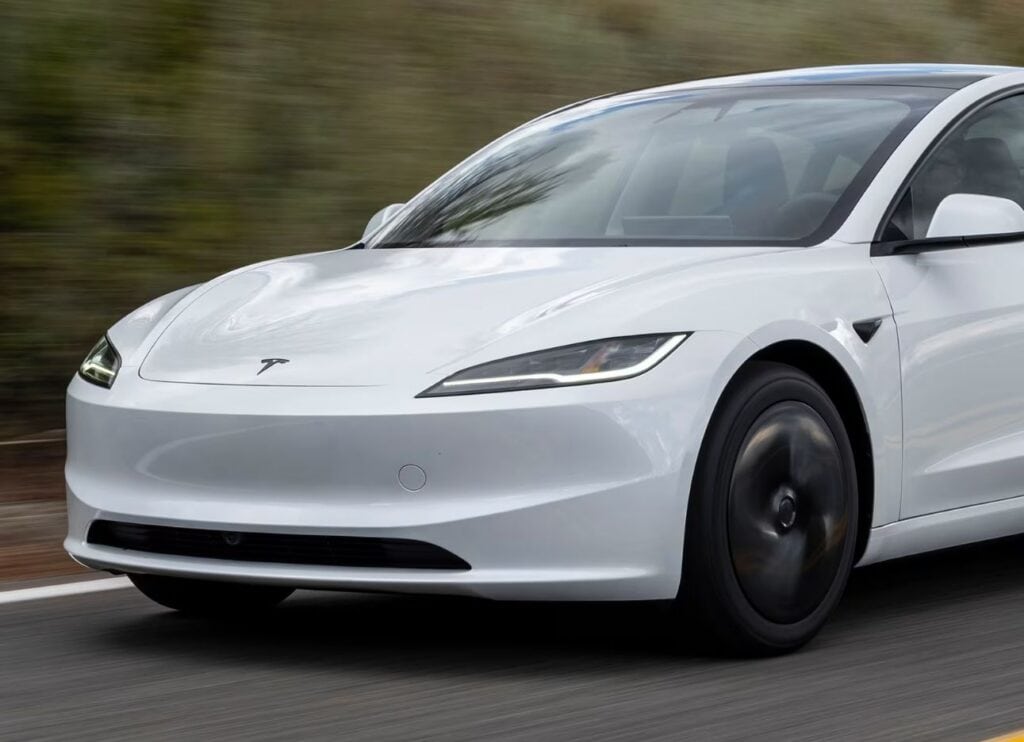
Official Range Is Not Test Miles Range
Official figures: Tesla lists 321 miles for the Standard and 363 miles for the Premium Long Range RWD with their range-focused configurations. Speed, temperature, elevation, wind, wheel choice and climate use can change what owners see.
Test Miles result: No original range, efficiency or charging result is available for this article.
The Model 3’s strongest road-trip argument is integration. Tesla navigation can select Superchargers, estimate arrival charge and prepare the battery before a stop. The driver connects the cable and the account normally handles payment. Rival EVs increasingly use the same connector and can access many Superchargers, but Tesla still controls the cleanest complete sequence.
A peak charging rate is not a constant rate. Charging slows as the battery fills, and Tesla says performance varies with charger type, configuration, battery temperature, state of charge, weather, speed and elevation. For background, the Department of Energy explains EV charging infrastructure and charging levels.
Home charging changes the calculation. A driver who plugs in overnight usually replaces the day’s mileage rather than charging from empty. Someone without home charging should compare local public-charging prices and waiting time with the cost and convenience of a highly efficient hybrid.
The Screen Is Brilliant Until You Want a Button
The Model 3 cabin is organized around one large central display. Speed, navigation, entertainment, climate and many vehicle settings appear there instead of on a conventional instrument panel.
Drivers who learn the menus may enjoy the lack of clutter. Others will see a dashboard designed by someone who believes every object improves when converted into a submenu. Neither response is irrational.
There is no factory Apple CarPlay or Android Auto. Tesla supplies navigation, streaming, voice functions and phone integration through its own ecosystem. Its navigation has a legitimate advantage because it understands the battery and charging network, but buyers surrender the choice to project a familiar smartphone interface.
Before ordering, sit in the car and perform ordinary tasks. Adjust the mirrors, change the cabin temperature, select a destination and operate the wipers. If the interface feels natural, the Model 3 can be remarkably convenient. If it feels irritating in the parking lot, a longer range will not improve its personality.
You may also enjoy: 2025 EV Consideration Report: Americans Still Kicking the Tires on Electric
Safety Ratings Need More Than One Word
The Insurance Institute for Highway Safety’s 2026 Model 3 evaluation applies tests of 2025 cars to the 2026 model. Small-overlap front and updated side crashworthiness earned Good ratings. The updated moderate-overlap evaluation was Acceptable, with the rear passenger’s chest measure rated Marginal.
The standard front-crash-prevention systems earned Good scores in IIHS vehicle and pedestrian testing. Headlights and child-seat-anchor ease of use were Acceptable. The seat-belt reminder was Marginal because the front audible warning did not meet the institute’s duration requirement.
That record is solid in important areas but not spotless. It is more useful than recycling a vague claim that every Tesla is either the safest car ever built or a danger to civilization.
Tesla’s Full Self-Driving (Supervised) remains driver assistance. The licensed driver must pay attention and be prepared to take control. Buyers should also check the exact VIN using the NHTSA recall tool, since recall eligibility can depend on build date and software or hardware configuration.
Practicality Favors the Model Y
The Model 3 seats five and provides a rear trunk, underfloor storage and a front trunk. The low sedan body helps efficiency, but its trunk opening cannot match the height and flexibility of a crossover liftgate.
A couple with ordinary luggage may never care. Families loading strollers, large dogs or awkward equipment should compare the Model 3 directly with a Model Y, Hyundai Ioniq 5 or another hatchback-shaped EV. Published cargo volume cannot show whether a Labrador will comfortably turn around.
The rear seating position also deserves a physical test. Bring the child seats or sit behind the driver after setting the front seat properly. The correct vehicle is the one that fits the household, not the one whose specification table wins an argument online.
Warranty and Ownership Costs Require Homework
Tesla’s basic vehicle warranty covers four years or 50,000 miles. Battery and drive-unit coverage varies by configuration, generally extending to eight years or 100,000 miles for rear-drive versions and eight years or 120,000 miles for longer-range all-wheel-drive and Performance versions, subject to Tesla’s terms and minimum capacity-retention provision. Confirm the warranty attached to the exact order.
An EV eliminates oil changes and several engine-related services, but it does not eliminate tires, cabin filters, wiper blades, alignment, suspension wear or collision repair. Obtain an insurance quote before placing the order. A low electricity bill is rather less exciting after the insurer has eaten it.
A used Model 3 may offer stronger value than a new Standard. Tesla’s changing prices and equipment have created wide variation among used examples. Verify battery and drive-unit warranty, accident history, tires, charging hardware and the exact driver-assistance computer fitted to the car.
Three Rivals Worth Driving First
The Hyundai Ioniq 6 is the strongest alternative for buyers who value very rapid charging and a more conventional control layout. Its styling is distinctive, which is a polite British way of saying nobody will mistake it for a Camry.
The Polestar 2 provides a different cabin atmosphere and Google-based interface. The BMW i4 costs more but gives traditional luxury-car buyers familiar controls and a premium interior. None duplicates Tesla’s complete charging integration, but each may better suit someone who dislikes the Model 3’s screen-first philosophy.
Buy the Premium AWD only if winter traction or additional speed justifies the expense. Tires still matter enormously in poor weather. Buy the Performance because acceleration is part of the entertainment, not because commuting requires a 2.9-second launch.
Final Verdict: Buy the Premium If the Budget Allows
The Standard succeeds because Tesla removed luxuries without removing the Model 3’s essential usefulness. It delivers meaningful estimated range, easy charging integration and more performance than a commuter needs. For a disciplined budget and a simple daily routine, it belongs on the list.
The Premium Long Range RWD is the better long-term purchase for most buyers who can afford it. The 42 additional estimated miles are helpful, but the restored comfort and sound insulation make the stronger case because owners experience them every day.
My recommendation is simple: test both cabins before ordering. If the Standard’s missing features do not matter, keep the $5,500. If you notice them during a 20-minute visit, you will certainly notice them during five years of ownership.
2026 Tesla Model 3 FAQ
How much is the cheapest 2026 Tesla Model 3?
The Model 3 Standard is listed at $38,630 including Tesla’s destination and order fees, before taxes, registration and options. Tesla changes prices and configurations more often than traditional model-year schedules suggest, so buyers should save or print the final order details rather than relying on an older advertisement.
What is the longest-range 2026 Model 3?
Tesla lists the Premium Long Range Rear-Wheel Drive at an estimated 363 miles with the appropriate wheel configuration. That is an official figure, not a Test Miles result. Temperature, highway speed, elevation, wind, wheels and climate-control use can reduce the distance achieved in normal travel.
Is the Model 3 Standard too basic?
Not for a solo commuter who charges at home and does not value ventilated front seats, heated rear seats, stronger audio or the Premium cabin treatment. It retains useful range and brisk performance. Regular rear passengers, extreme climates and long ownership periods make the Premium easier to justify.
Does the Model 3 support Apple CarPlay or Android Auto?
No. Tesla uses its own navigation, streaming, voice and phone ecosystem. That system integrates closely with Supercharger planning, but it removes the option to use the familiar Apple or Google projection interface. Test the Tesla system with your normal destinations and media before buying.
Can a Tesla Model 3 drive itself?
No. Full Self-Driving (Supervised) requires an attentive, licensed driver who remains responsible for the vehicle and must be ready to intervene. Feature availability can vary with hardware, software and payment choices. The product name should never be treated as permission to stop supervising the road.
Should a family buy the Model 3 or Model Y?
Choose the Model 3 when efficiency, sedan handling and a lower entry price matter most. Choose the Model Y when rear-seat access, cargo height, dogs, strollers or bulky equipment dominate the household routine. Bring the items you actually carry to the comparison because cargo shape matters as much as published volume.