Defender Atlas Colors: Six Shades, Some Important Limits
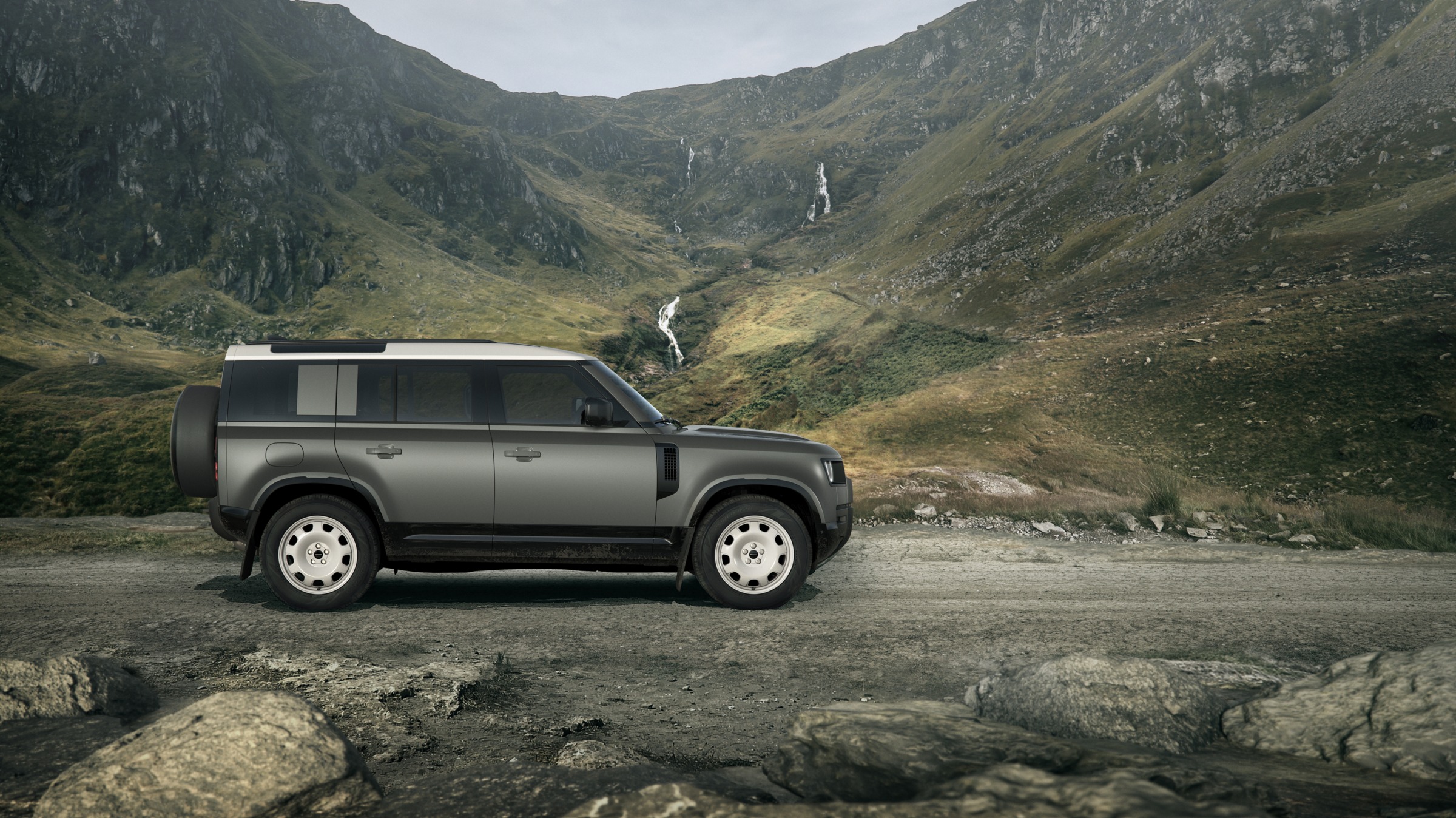
Defender Atlas colors bring heritage shades and new landscape-inspired finishes, but U.S. buyers face trim restrictions and two delayed colors.
By Nik J. Miles
Choosing a Defender color now involves a small geography lesson and a careful reading of the footnotes. The brand has announced six Atlas finishes inspired by places stretching from Kenya to Australia, with familiar heritage shades returning alongside newly developed paints. The useful news for shoppers is the expanded choice. The catch is that the entire palette isn’t available to every buyer, and two colors aren’t on sale yet.
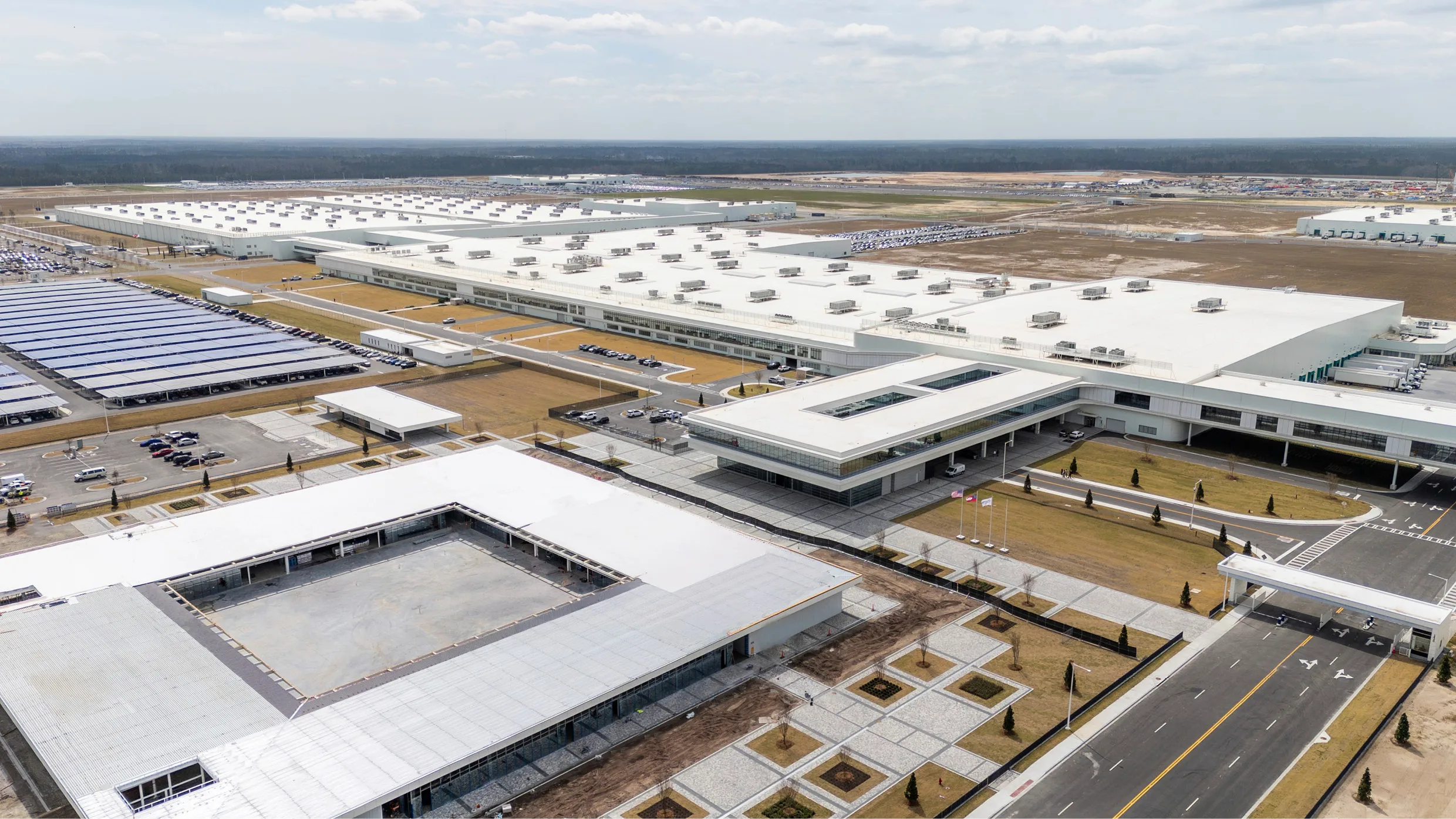
Announced November 10, the collection also introduces a manufacturing development: these are the first colors developed using Defender’s new Universal Paint Line at Nitra, Slovakia. That gives this announcement more substance than a fresh set of names on a configurator, although the promised durability still needs to be understood in context.
You may also enjoy: Land Rover Discovery Future: Why Is JLR Waiting?
Which Defender Atlas Colors Can You Choose?
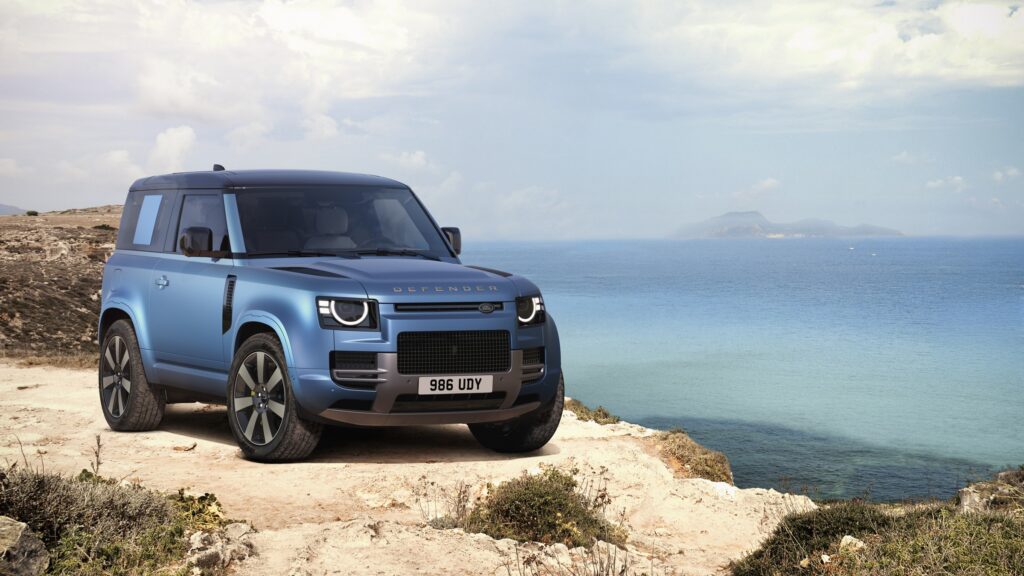
The six finishes fall into three useful groups: reinterpretations of older paints, returning heritage colors and entirely new shades. That distinction matters if you’re trying to recreate a classic Defender appearance. A familiar inspiration doesn’t necessarily mean an identical paint formula or visual match.
- Mara Red: A new interpretation of Masai Red, inspired by the Maasai lands of southwest Kenya.
- Pantelleria Blue: A reinterpretation of Pageant Blue, drawing on the Mediterranean and the volcanic Italian island of Pantelleria. U.S. availability is exclusive to OCTA.
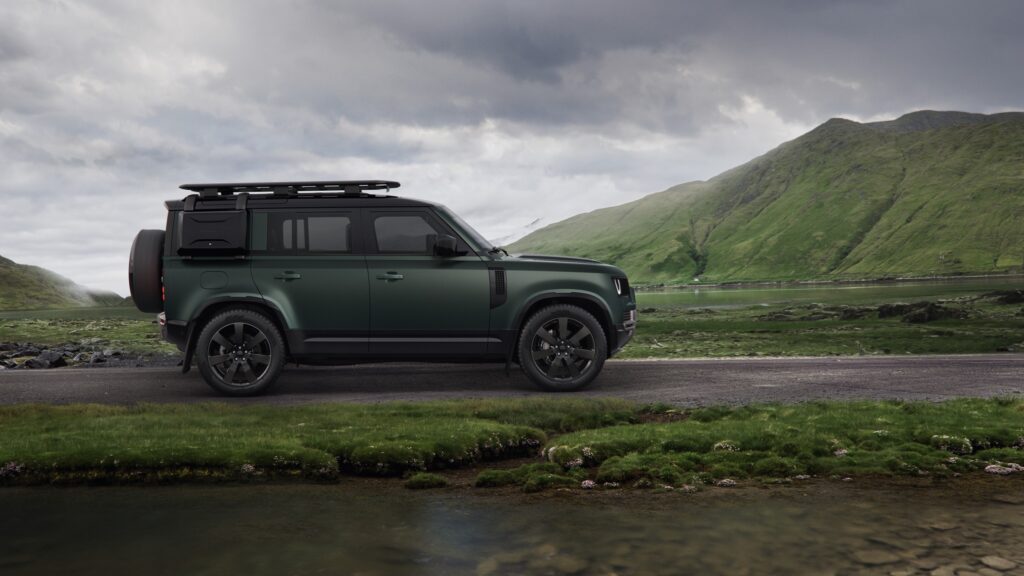
- Galway Green: A returning heritage color associated with Ireland’s valleys, mountains and lakes. It is also exclusive to OCTA in the U.S. announcement.
- Buckingham Blue: A returning finish previously offered between 2006 and 2013.
- Aira Green: A newly created shade inspired by the moss around Aira Force waterfall in England’s Lake District.
- Jenolan Gold: A new finish inspired by the limestone caves beneath Australia’s Blue Mountains.
Aira Green and Jenolan Gold are not yet available for sale and may change before launch. Defender’s U.S. release supplies neither a launch date for those two shades nor Atlas option prices. Beautiful promotional photographs are therefore a preview, rather than confirmation that a matching vehicle can be ordered today.
You may also enjoy: Land Rover Defender OCTA: The Ultimate Blend of Power and Capability
The Restrictions Matter More Than the Color Names
The U.S. announcement includes multiple specifications, naming the new Defender Vertex, but excludes Defender S, 130 Outbound, Trophy Edition and OCTA Black. Its broad description of availability across the lineup needs those qualifications attached. Someone shopping for a particular body style and trim should confirm the exact combination before planning an order around a photograph.
Atlas finishes pair with a black contrast roof as standard, with a white contrast roof option also announced. Gloss or Matte Protective Films provide another choice of appearance. Ask for the full combination and its itemized cost: paint, roof and film should be considered together. A favorite shade is a poor reason to move into an otherwise unsuitable specification.
You may also enjoy: 2026 Land Rover Discovery Tempest and Gemini Add Luxury, Heritage, and Adventure

What Changed Inside the Paint Shop?
Defender says its new Nitra facility uses overhead robots with seven axes of movement and automatically changing spray nozzles. Painting the complete vehicle in-house is intended to improve consistency between its painted surfaces. For buyers, the point is straightforward: a distinctive color should look consistent across the vehicle.
The process uses electrostatic spray application, which employs electrical potential to improve coating transfer. The EPA’s explanation of surface coating describes charged paint particles being attracted to an oppositely charged surface. Industrial painting also requires controls for spray-operation hazards. Those sources explain the underlying processes; they don’t independently certify this particular production line.
Defender says its paint testing involves grit blasting at four times the industry standard, followed by 72-hour water immersion and a repeated cycle. The release doesn’t identify the comparison standard or provide results that translate this into years of ownership. It should not be read as a promise of four times the service life or immunity to stone chips.
You may also enjoy: JLR’s American Shakeup Could Spark Growth
Self-Healing Film Still Has Limits
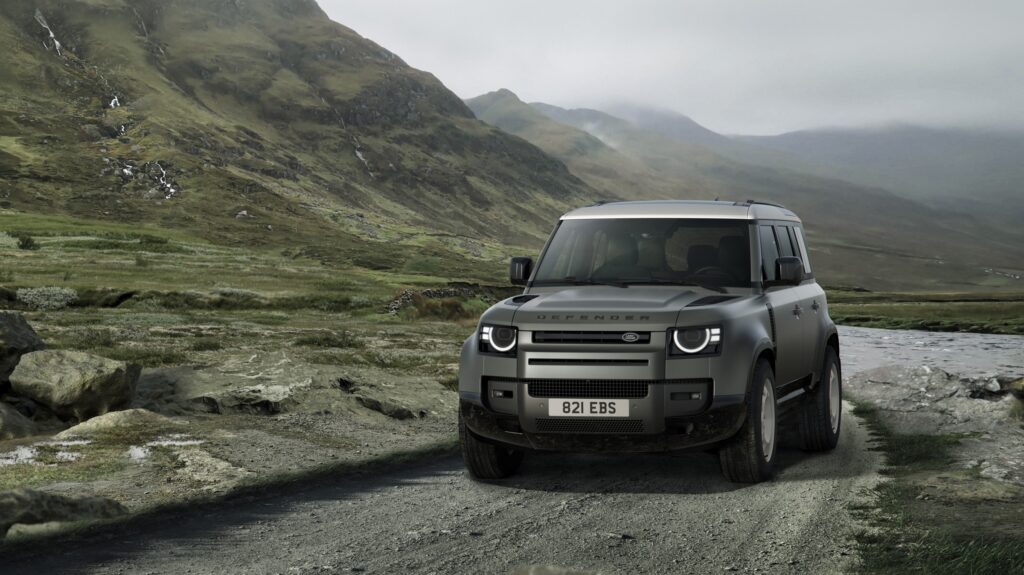
The optional protective films deserve separate attention from the paint. Defender says they add protection against minor parking scratches and vegetation, with sunlight’s UV rays helping micro-scratches repair over time. That is a claim about fine surface marks in the film. It isn’t evidence that a deep gouge, damaged panel or chipped paint will mend itself. The bramble hasn’t signed a peace treaty.
Protection still involves managing exposure and damage. The Canadian Conservation Institute’s guidance on vehicle deterioration explains abrasion and corrosion, while its discussion of ultraviolet damage explains how prolonged exposure can degrade paint binders and plastics. These general principles don’t disprove Defender’s film claim; they explain why “self-healing” needs a defined scope.
You may also enjoy: 2026 Defender Dakar Rally Team: Why Sara Price Might Just Be Land Rover’s Secret Weapon

Before buying, request a physical color sample, written confirmation of availability, the complete option price and the film’s care and warranty terms. Atlas gives Defender buyers more character and some appealing historical references. Its value will depend on getting the finish you actually want on the vehicle that meets your needs, with protection expectations grounded in what the material can do.