Land Rover Discovery Future: Why Is JLR Waiting?
The Land Rover Discovery future is still uncertain as Defender launches its wildest road car yet, leaving loyal families asking what comes next.
By Nik J. Miles
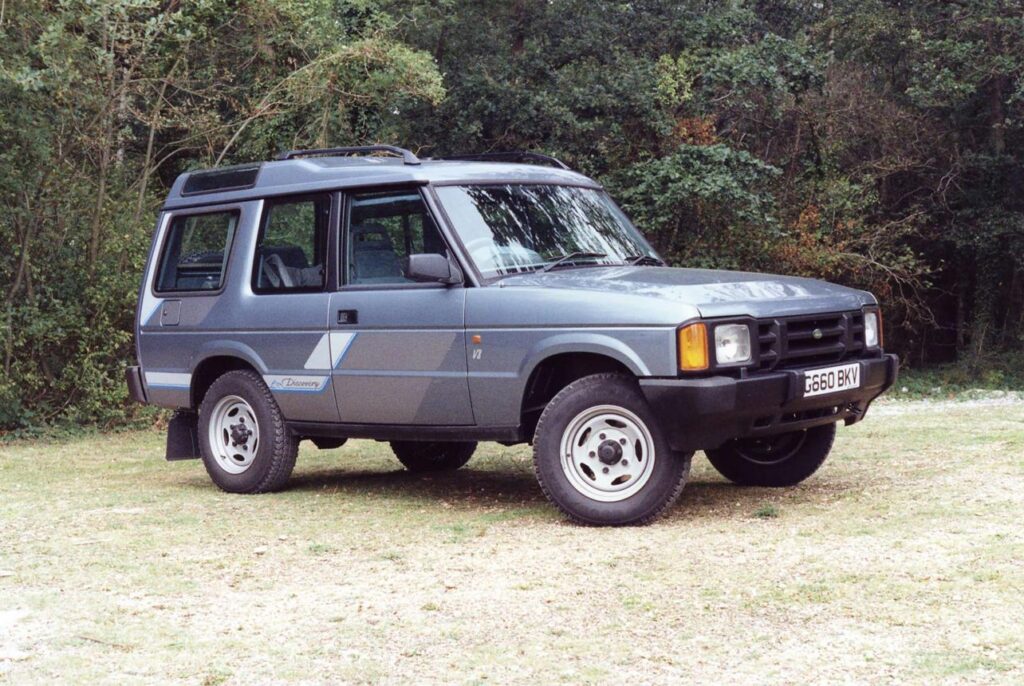
I’ve owned Land Rover Discoverys for years. They’ve transported my dogs, swallowed enormous quantities of equipment and dealt with the sort of weather that makes sensible people stay indoors. I have six dogs today, and I can assure you they have strong opinions about what constitutes a good vehicle.
They don’t particularly care about horsepower. They care about getting comfortable, having somewhere to lie down and reaching the woods without too much fuss.
Which is why I find Land Rover’s current direction fascinating.
Defender has gone racing, won the Dakar Rally and introduced a spectacular road-going machine. Meanwhile, the vehicle that arguably makes more sense for families like mine is awaiting its next major reinvention.
What exactly is Land Rover waiting for?
Why the Land Rover Discovery Future Matters
Discovery occupies a rather wonderful position in the British manufacturer’s history. It offers genuine off-road capability without requiring everyone on board to embrace the lifestyle of a professional expedition driver.
Over the years, I’ve appreciated that flexibility. A Discovery can be comfortable on a long highway journey yet remain useful when the road becomes muddy, snowy or practically nonexistent.
Its broad appeal comes from combining family accommodation with capability that goes beyond the appearance of adventure.
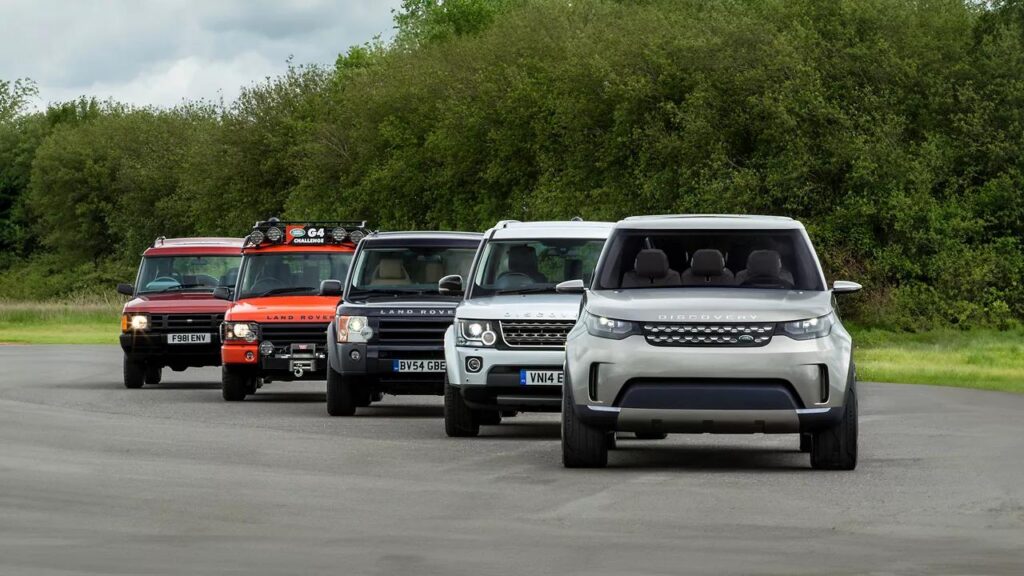
The existing vehicle hasn’t disappeared. Land Rover introduced 2026 Discovery Tempest and Gemini editions that added distinctive finishes and heritage-inspired details.
But new trim packages don’t answer the fundamental question about a replacement.
Customers need to know whether the next Discovery will continue prioritizing seven-seat versatility, whether electrification will change its packaging and whether its pricing will remain accessible relative to the increasingly extravagant Defender lineup.
Those are purchasing questions, rather than simply matters of styling.
You may also enjoy: Discovery Tempest and Gemini Special Editions
Defender Has Become Land Rover’s Wild Child
While Discovery waits, the Defender team has been exceptionally busy.
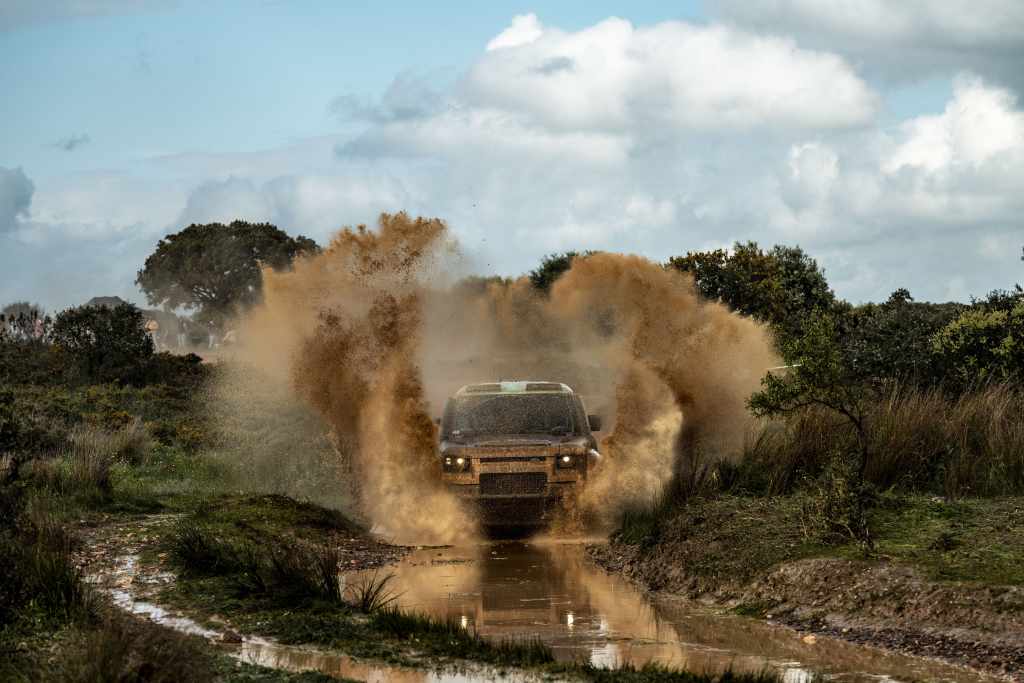
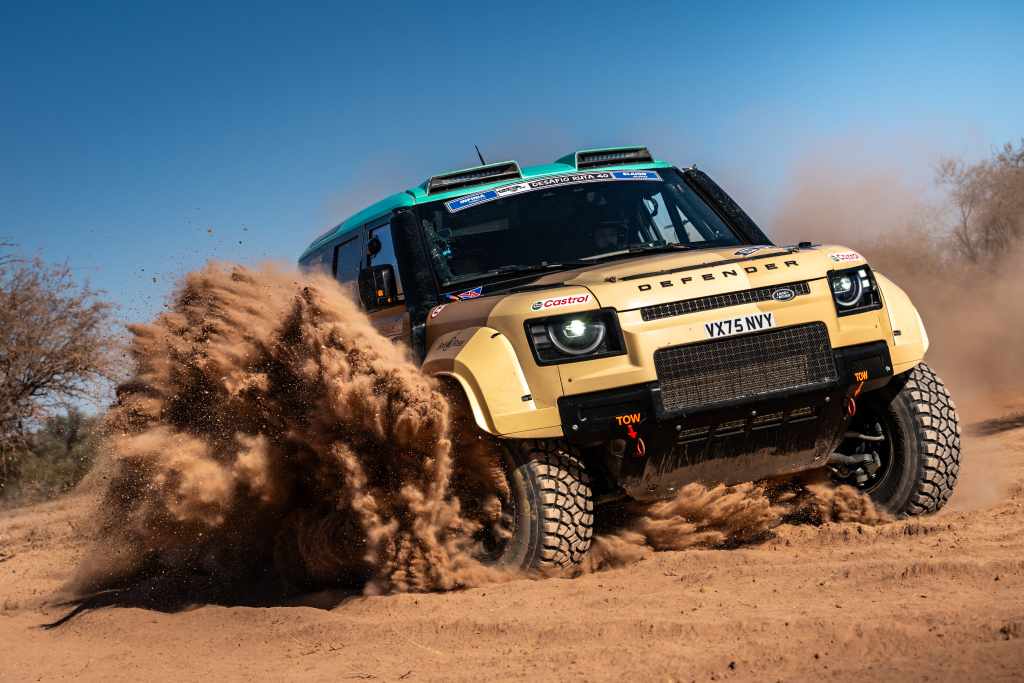
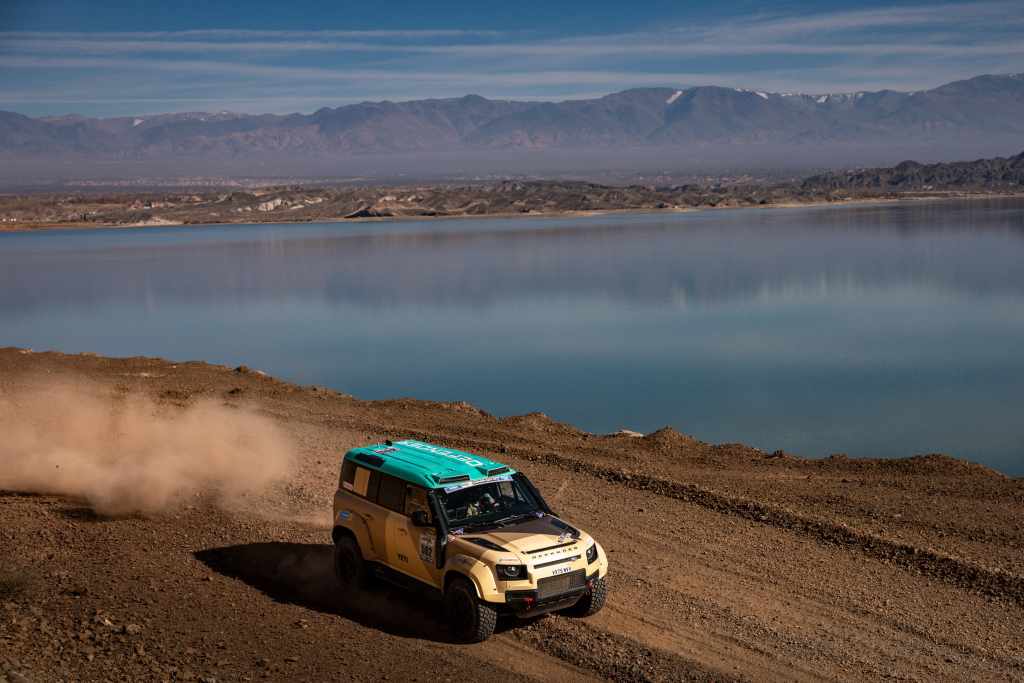
In January 2026, the Defender Dakar D7X-R won the Stock class at the Dakar Rally. Its foundations came from the already remarkable Defender OCTA, although substantial competition modifications separated the race vehicle from its showroom relative.
The victory inspired the Defender Dakar, a limited-run road-going evolution unveiled as a design preview in August.
This is where the engineering becomes wonderfully ridiculous.
The proposed road vehicle features a 4.4-liter twin-turbocharged V8 rated at 626 horsepower, enormous 35-inch tires, specialist Bilstein suspension and a dedicated Flight mode for controlled landings over extreme terrain.
Yes, a road vehicle with a system intended to help when its wheels leave the ground. Most family SUVs would rather everyone avoided that situation altogether.
Defender says reservations are planned for early 2027, with further details due at the following Dakar Rally. Pricing and final market specifications still require confirmation.
You may also enjoy: Land Rover’s Greatest Expedition Vehicles

What Mark Cameron Told Me About Discovery
I spoke with Mark Cameron, who became CEO of JLR North America in September 2026 after leading the global Defender business.
Naturally, I wanted to know why the company could develop a road-going desert-racing monster while Discovery’s next chapter remained largely out of sight.
Cameron indicated that progress was being made, although decisions involving manufacturing, target markets and the wider geopolitical environment complicate the project.
That answer is more revealing than it initially sounds.
A new Discovery needs to work for customers in multiple regions, meet different regulatory requirements and occupy a profitable position in JLR’s increasingly distinct portfolio.
American vehicle safety standards and the EPA’s certification requirements illustrate some of the engineering and regulatory considerations that influence vehicle development.
And with international manufacturing decisions affecting costs and availability, a successful replacement involves considerably more than producing an attractive design.
None of this establishes that a launch is imminent. Cameron offered no confirmed debut date, powertrain lineup or factory location.
You may also enjoy: Why JLR’s American Strategy Matters
Six Dogs Make a Surprisingly Good SUV Test
There is one area where I believe Discovery has an enormous opportunity.
Actual usability.
When you’ve lived with large dogs, you start noticing things that rarely appear in glamorous automotive presentations. The height of the cargo floor matters. So does the size of the rear opening, the arrangement of folded seats and whether equipment can be loaded without an elaborate physical performance.
For my household, a practical cargo area is substantially more useful than another dramatic exterior design flourish.
There is also the question of safely transporting everything. The National Highway Traffic Safety Administration explains why properly secured cargo is essential, and pets likewise need appropriate travel restraints.
Parents have different priorities, but the same underlying principle applies. Rear-seat access and suitable child restraints are critical, as NHTSA’s child passenger guidance makes clear.
The ideal family Land Rover should make these tasks easier rather than requiring buyers to compromise everyday functionality for an adventurous appearance.
This is where Discovery could establish a stronger identity than simply becoming the less expensive Defender.
You may also enjoy: Discovery Sport Landmark and Family-Friendly Features
The Next Discovery Doesn’t Need 626 Horsepower
Defender’s Dakar-inspired machine makes sense as a statement of engineering ambition. Its purpose is to demonstrate how far the brand can take off-road performance.
But I would argue that Discovery should travel in another direction.
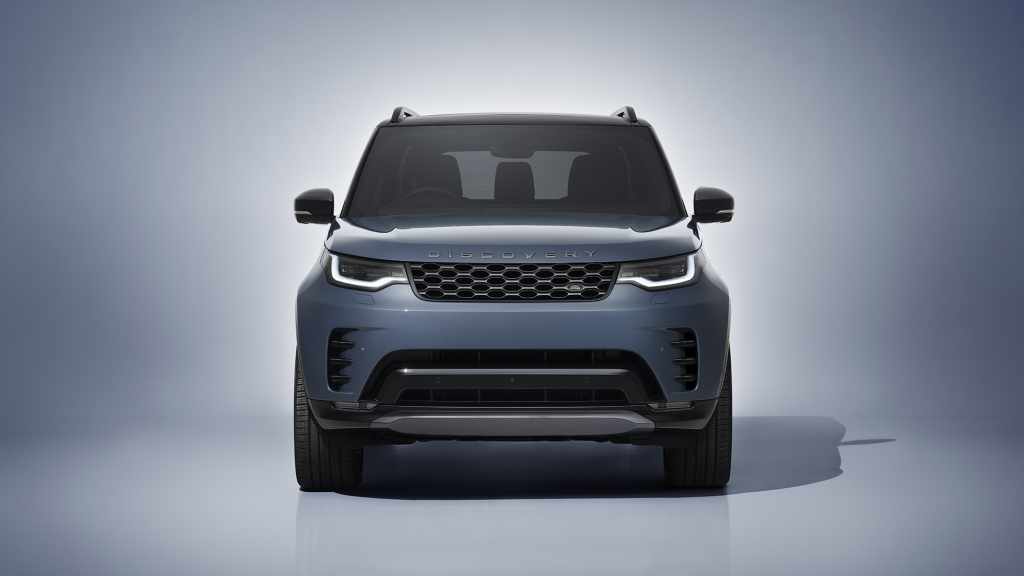
Comfortable seats, intuitive technology, useful storage, properly designed cargo accommodation and confidence in poor weather would appeal to a much broader family audience.
Efficiency also matters. The Department of Energy’s research into highway fuel consumption illustrates how operating conditions can significantly affect the real cost of driving.
A thoughtful hybrid option might appeal to some buyers, while an electric version could attract others. Neither should be treated as confirmed equipment for the unannounced replacement.
There is already a fascinating example elsewhere within JLR. My recent experience with the electric Range Rover demonstrated how sophisticated propulsion technology can coexist with genuine off-road ambitions.
The unanswered question is which technology will best suit the next Discovery’s customers.
You may also enjoy: Range Rover Electric: My Scottish Off-Road Experience
Should You Buy a Defender or Wait for Discovery?
For someone shopping today, I wouldn’t recommend delaying an essential vehicle purchase based on an unannounced replacement.
The current Discovery deserves consideration if three-row accommodation, family versatility and serious all-terrain ability match your requirements.
Defender is worth evaluating if you favor its distinctive styling and rugged character. However, buyers should compare cargo access, seat configurations, running costs and daily comfort rather than assuming its adventurous reputation makes it the automatic choice.
For a used Discovery, checking its service history and using the government’s VIN recall lookup are sensible parts of the buying process.
And anyone tempted by the Defender Dakar should remember that it is a specialized, limited-production vehicle rather than a conventional family replacement.
Its performance may be extraordinary, but I suspect my dogs would be thoroughly unimpressed by the helmet storage.
Affiliate shopping: If you are shopping for all-weather floor mats, Shop OEDRO directly or Shop OEDRO on Amazon. Use code NIKM20 at the OEDRO official store. Check current code terms and vehicle fitment before ordering. Test Miles may earn a commission from purchases made through these affiliate links.
My Verdict: Discovery Is Too Important to Ignore
I’m delighted that Defender is enjoying its moment in the spotlight. Winning Dakar and creating an outrageous road-going derivative is exactly the sort of ambitious engineering project that makes Land Rover interesting.
But Discovery represents something equally important.
Its greatest strength has always been allowing people to enjoy extraordinary places without sacrificing ordinary comfort.
I’ve owned Discoverys for years, and the dogs have loved them. That experience is why I believe JLR has a substantial opportunity to build a genuinely desirable family adventure vehicle.
In our interview, I asked Cameron whether I should hold out for the next Discovery or buy a Defender.
His answer was characteristically enthusiastic about Defender.
It didn’t resolve my question about Discovery.
Perhaps that’s appropriate. The company clearly understands how to build excitement around an extreme off-road machine. What I want to see next is whether it can bring that same energy to an SUV for families, dogs and everything else that comes with real life.
Because there are quite a few of us still waiting.