Chinese Cars in Mexico: Why Nissan Sees a U.S. Threat
Chinese cars in Mexico may soon roll off local assembly lines, and Nissan’s warning shows why American shoppers should watch prices, tariffs and Congress.
Nissan’s Warning Is Both a Signal and a Sales Pitch
Christian Meunier’s remarks do two jobs at once, and a smart shopper should notice both. The Nissan Americas chairman told an audience in Yokohama that Chinese automakers will probably start assembling cars in Mexico within two to three years, “so we need to be ready,” as Motor1 quoted him. That is a legitimate industry warning. It is also a company explaining why its own cost cuts and China-developed products deserve patience from buyers and investors.
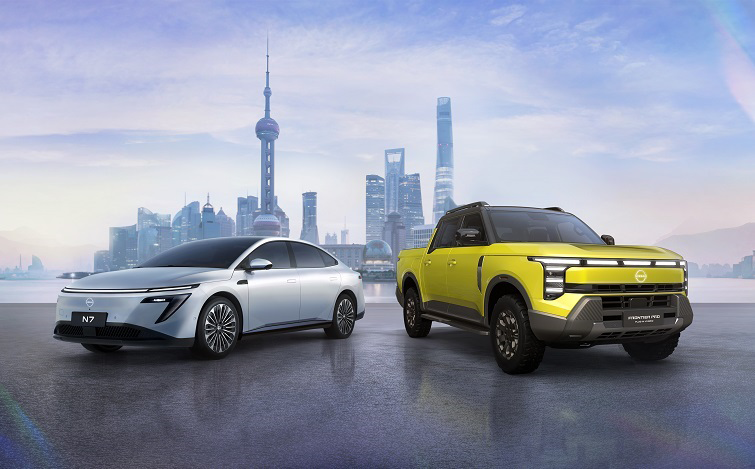
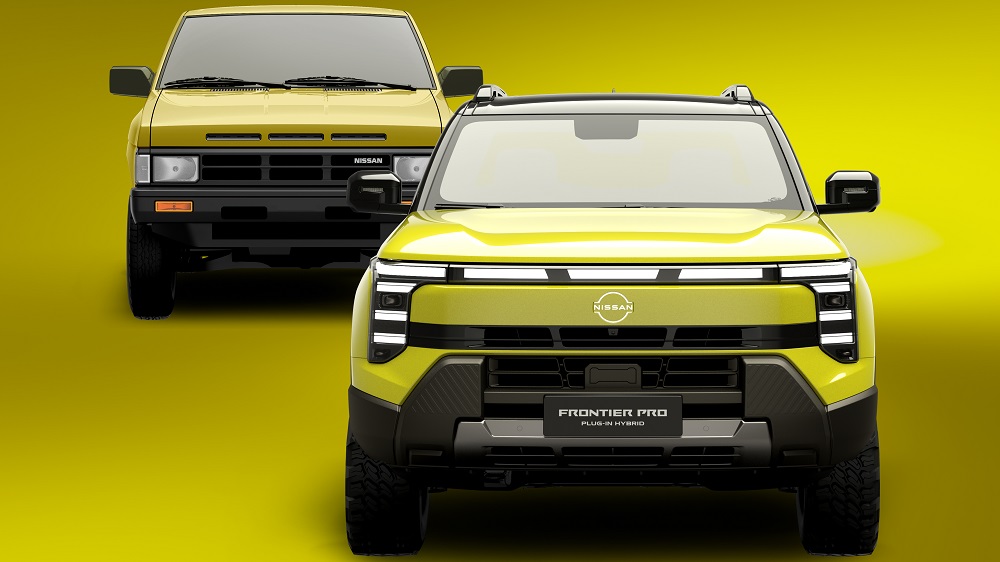
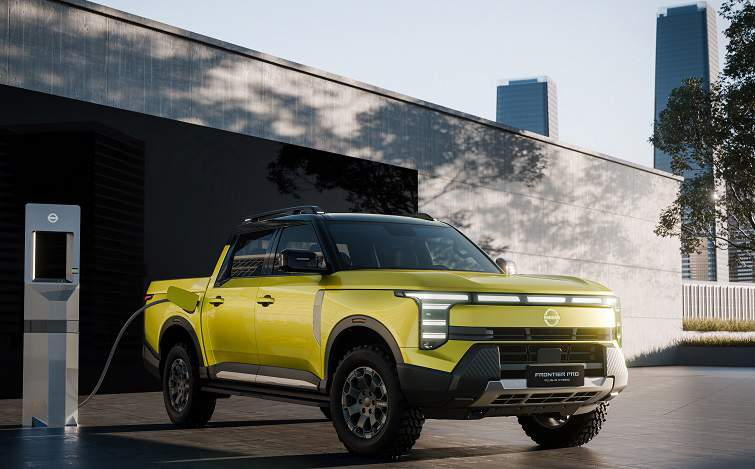
Nissan is already acting on the forecast. The Frontier Pro pickup, which came out of the company’s Dongfeng partnership, is launching in Mexico, and the N7 electric sedan is headed to the region. The idea is to answer cheap Chinese product with cheap Chinese-developed Nissan product before rivals localize. I like the logic, and I would keep it separate from proof. A manufacturer’s plan is not a result until the trucks are selling and the margins hold.
You may also enjoy: BYD’s Five-Minute EV Battery Charge Is Detroit’s Problem
Hyundai is worried too, which matters to anyone who follows the Korean brands. CEO Jose Munoz told Reuters that Britain, once a very profitable market, changed because “All the top sellers are Chinese because there are no barriers,” and he said Chinese cars can be 30 to 40 percent cheaper in some markets even after European tariffs, according to Carscoops. Two automakers with big American operations issued related warnings about ten days apart. Hyundai is describing what happens if barriers fall. Nissan is describing the route around them.
Why Chinese Cars in Mexico Still Face a Long Road North
The distance from a Mexican assembly line to an American dealership is longer than the border. Chinese electric vehicles entering the United States face a 100 percent tariff under Section 301, and Mexico charges its own 50 percent tariff on Chinese-built cars. A local plant solves the Mexican problem, not the American one, because federal rules follow ownership and software as much as the factory address. The Commerce Department’s Connected Vehicle Rule prohibits sales from manufacturers under Chinese or Russian ownership or control, starting with model year 2027.
You may also enjoy: Should America Permanently Ban Chinese Cars?
Trade agreements add a second filter. Under the USMCA, a passenger vehicle needs 75 percent North American content to qualify for duty-free treatment, according to the Trade Representative’s report on rules of origin for autos. A car assembled mostly from Chinese components would struggle to clear that bar, and a vehicle that misses it faces the 25 percent Section 232 auto tariff on its full value. That is my reading of how the rules interact, and the outcome would depend on each parts list.
The leak to watch is in parts, not badges. The same report says Chinese value-added content in transport equipment imported from Mexico rose from 4.5 percent to 7.1 percent between 2017 and 2024, while U.S. content declined. Chinese cars in Mexico are already a supply-chain story, because Chinese suppliers are getting closer to American buyers, and Meunier’s forecast says finished vehicles are the next step. The Trade Representative has also said it wants to examine tougher content rules during the USMCA review.
What Congress and Trump Could Change This Week
The Senate is the near-term story. The Connected Vehicle Security Act, from Senators Bernie Moreno and Elissa Slotkin, would turn the Commerce rule into permanent law. An attempt to skip a floor debate hit a wall after Senator Rand Paul objected on September 24, according to CBT News, and the sponsors planned another try this week. I found no reporting that the full Senate has passed it.
The bill carries a wrinkle I flagged earlier. Its 15 percent ownership test could catch Mercedes-Benz because two Chinese shareholders together hold nearly 20 percent, and Senate Commerce Chairman Ted Cruz has said the language needs revision. For a Mercedes shopper, that is a drafting story rather than a stop-sale.
You may also enjoy: Chinese Connected Vehicle Ban Could Hit Mercedes
President Trump adds uncertainty. He said on September 11 that he would be “okay with that” if a Chinese company built cars in a U.S. plant, and Detroit’s trade group objected. A factory here would still draw a national security review from CFIUS, and it would still have to satisfy the data and software restrictions that make a Chinese-owned automaker hard to admit.
You may also enjoy: Trump’s Chinese Car Gamble: Jobs or Detroit Devastation?
Lawmakers and executives are not arguing about the same thing. Senators want the ban permanent, the White House has floated a trade, and Nissan and Hyundai want protection while they cut cost. Those goals can coexist for a while. They cannot all win.
What Shoppers Should Do While Washington Argues
Nobody can buy a Chinese-badged car in America next year, and Meunier himself puts American sales at least five years out. Do not postpone a purchase waiting for a bargain with no legal path. The near-term effect will be quieter: automakers with Mexican operations trimming cost and pushing harder on affordable trims. Compact buyers should press for incentives on Hyundai, Kia and Nissan models instead of accepting sticker.
You may also enjoy: The $20,000 Car Is Dead in 2026: Cheap Options That Deliver
The bigger lesson is that the badge was never the real test. What matters is whether American rules on ownership, data and content can move faster than Chinese automakers can find a workaround, and whether legacy brands can cut cost before the pressure arrives. Protection buys time. Nissan’s warning is a reminder that the time is not unlimited.