Chinese Connected Vehicle Ban Could Hit Mercedes
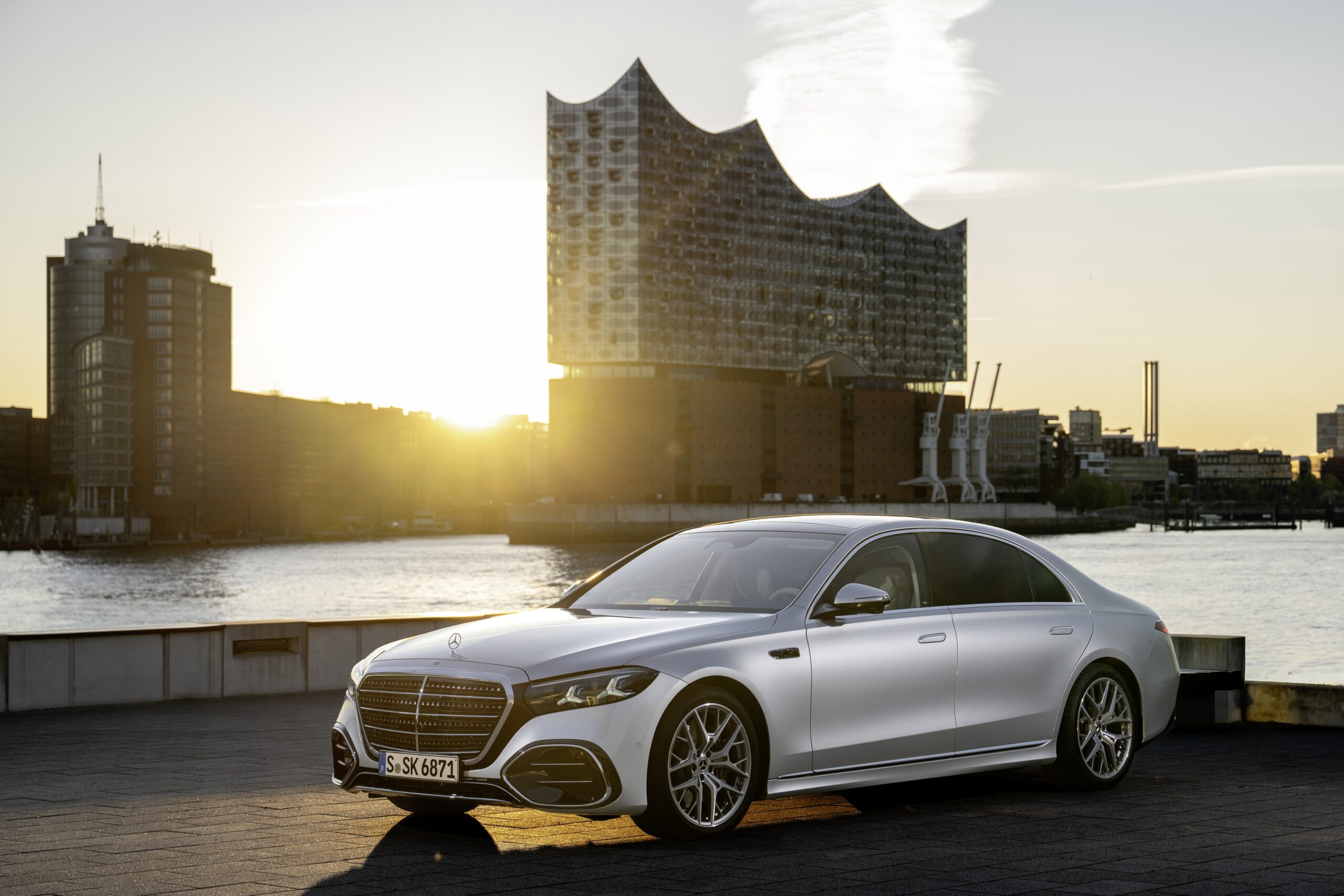
The Chinese connected vehicle ban has automaker support, but its ownership threshold could catch Mercedes-Benz unless Congress changes the bill.
The most revealing number in Washington’s proposed connected-car crackdown is 15%. That figure could matter more to a Mercedes-Benz shopper than the location of the factory or the badge on the hood.
The Connected Vehicle Security Act of 2026 would bar covered foreign-adversary vehicles and components from the U.S. market. Its current vehicle-manufacturer test reaches companies with more than 15% combined equity, voting power, board representation or other indicia of ownership or control tied to covered countries. This is an attempt to turn supply-chain risk into an enforceable line. It also demonstrates how a simple line can produce an awkward result.
How the Chinese connected vehicle ban could catch Mercedes
\n\n

Mercedes-Benz is German, but its shareholder register includes two large Chinese investors. BAIC holds 9.98% of the voting rights, while Li Shufu’s Tenaciou3 Prospect Investment Limited holds 9.69%. Together, those disclosed stakes equal 19.67%, above the bill’s more-than-15% threshold.
Senate Commerce Committee Chair Ted Cruz says that language could catch Mercedes and needs revision. That is a warning from the lawmaker guiding the bill, not a final legal finding. The measure has cleared committee but has not passed Congress, and its text can still be amended. Passive investment, operational control and the nationality of a brand are not interchangeable ideas, even if a statute treats some of them alike.
You may also enjoy: Should America Permanently Ban Chinese Cars?
For shoppers, the useful distinction is between a proposed eligibility rule and an order against cars already on the road. No current Mercedes owner has been told to park a vehicle, and this bill has not created a stop-sale. The risk is about future U.S. market access if the ownership language survives and Mercedes cannot qualify or obtain relief.
You may also like this Mercedes Video:
Why Congress wants to lock the rule into law
The Commerce Department already has a Connected Vehicle Rule aimed at China- and Russia-linked technology. It covers vehicle connectivity systems that can include cellular, Bluetooth, Wi-Fi and satellite communications, along with certain automated-driving software. Software restrictions begin with model year 2027; hardware restrictions generally start with model year 2030.
Those dates reflect the unglamorous reality of vehicle engineering. Code can be replaced faster than a telematics module, radio or supplier network. Modern vehicle cybersecurity therefore depends on both software behavior and the provenance of physical parts, not simply the assembly plant printed on a window sticker.
You may also enjoy: Honda & Nissan Merge Software Will Power Both Brands
The Alliance for Automotive Innovation, representing GM, Ford, Toyota, Volkswagen, Hyundai, Honda, Stellantis, Mercedes-Benz and others, now wants Congress to make the policy permanent before the 119th Congress ends. It is also asking lawmakers to shut the authorization path for covered market activity by BYD, Chery and SAIC. A statute would be much harder for a later administration to unwind.
You may also enjoy: Lincoln U.S. Production Will Expand Beginning in 2030
The drafting problem dealers and buyers should watch
\n\n
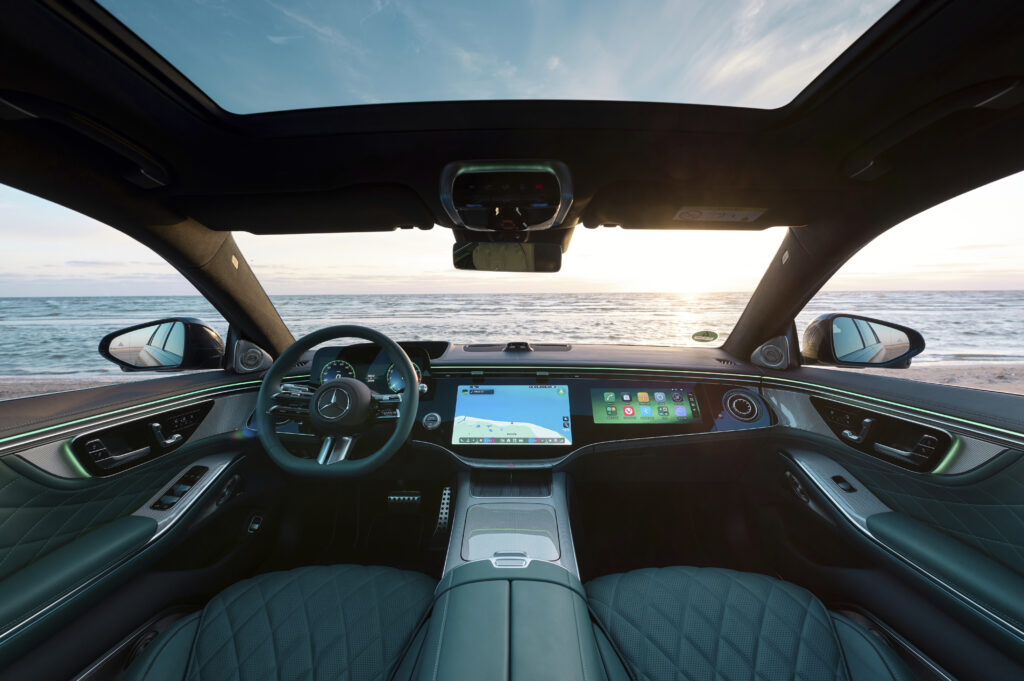
Connected cars can collect location, communications and other consumer data, so Congress has a legitimate reason to look past a vehicle’s national branding. Still, a cap-table test can capture a company whose products and management are not controlled by the investors that pushed it over the threshold.
There is another important number in the bill: more than 25%. That higher threshold applies to certain connected-vehicle software or hardware developers and manufacturers. A dealer may therefore face one compliance question about the automaker and a different one about the company supplying a covered system. Clean press-release language tends to get messy when it meets an actual bill of materials.
You may also enjoy: 2027 Mercedes S-Class: The Flagship Gets Smarter
The bill also provides for authorizations, but they would require clear and convincing evidence, a written risk assessment and advance notice to Congress. That process is relevant because a narrow, reviewable exception is different from a broad waiver. The proposal is still in committee markup territory, where wording changes are normal and consequential.
What happens next for Mercedes-Benz and shoppers
\n\n
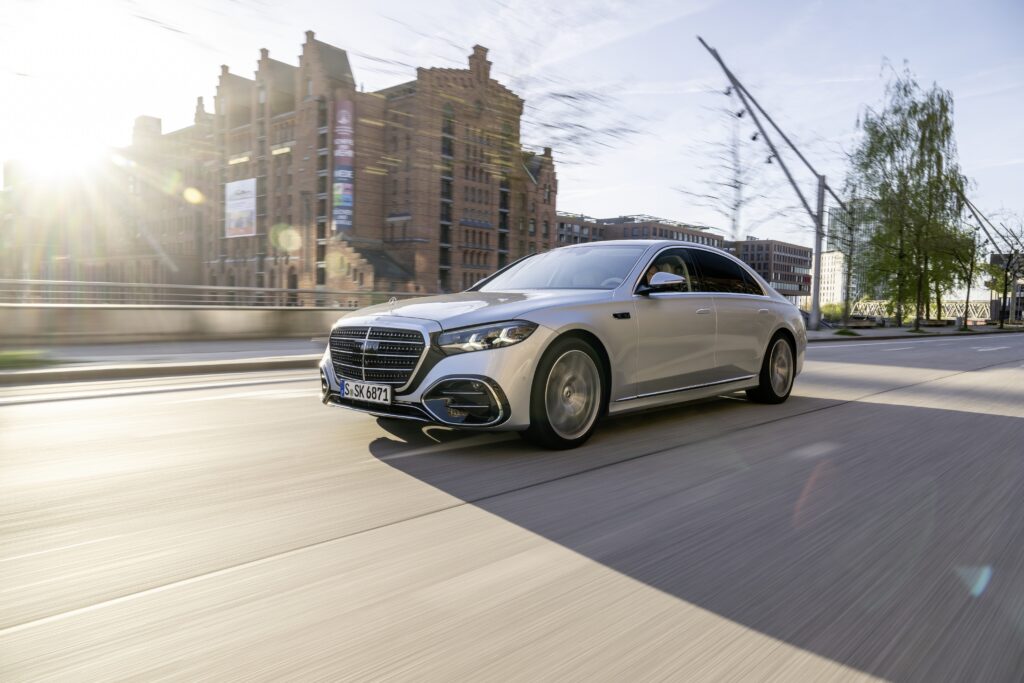
Do not cancel a current order because of a hypothetical reading of an unfinished bill. Instead, watch the final ownership definition, effective dates and treatment of passive holdings. If legislation advances without a Mercedes fix, dealers should seek written guidance on which future models remain eligible rather than rely on a general statement that the brand is German.
Mercedes could also address the issue through a change in ownership, a statutory revision or an authorization, depending on the final law. None is guaranteed. For buyers planning to keep a vehicle for many years, the practical questions would concern future model availability and software support, not whether a car already in the garage suddenly becomes contraband.
You may also enjoy: Polestar $25M Lawsuit: What Owners Need to Know
The policy goal has broad industry backing; the ownership mechanism does not yet have a finished form. Mercedes-Benz is the stress test. If Congress can separate passive capital from meaningful control without opening a loophole, it may produce a durable security rule. If it cannot, American shoppers may discover that a ban written for Chinese cars can reach a familiar European luxury showroom.