Should America Permanently Ban Chinese Cars?

America is moving closer to answering a question that once sounded hypothetical: should the country permanently ban Chinese cars? A bipartisan Senate proposal would turn existing connected-vehicle restrictions into a broader wall against vehicles, software, and hardware tied to China and other foreign adversaries.
The Senate Commerce Committee is scheduled to consider the Connected Vehicle Security Act of 2026 on July 15. The bill would prohibit covered connected vehicles beginning in 2027 and connected-vehicle hardware beginning in 2030. China is the obvious target, but the legislation also names Russia, Iran, and North Korea.
This is more than a tariff dispute. It is a national-security argument, an industrial-policy argument, and a consumer-affordability argument squeezed into one bill. That is why the Chinese car ban deserves more scrutiny than a simple choice between being “tough on China” or “soft on China.”
You may also like: Is Polestar Finished In The United States?
What the Chinese Car Ban Would Actually Do
The proposal would go beyond charging Chinese vehicles a high tariff. It would restrict the importation, manufacture, sale, and resale of connected vehicles associated with covered countries. It would also target software and communications hardware, even when installed in vehicles built elsewhere.
The restrictions consider where a vehicle was designed, where its software originated, and who controls the manufacturer. The bill includes an authorization process, but companies would have to show that their products do not create unacceptable risks involving data theft, remote manipulation, or critical infrastructure. The Senate Commerce Committee is scheduled to consider the proposal on July 15.
You may also like: BYD’s Five-Minute EV Battery Charge Is Detroit’s Problem

Why Washington Sees a Security Threat
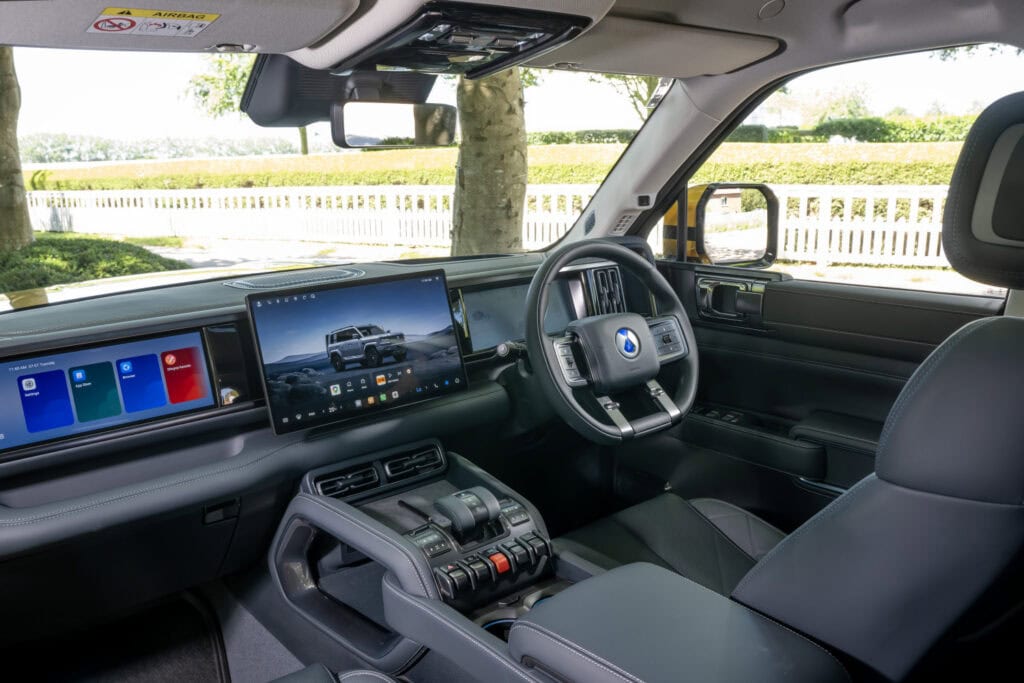
Modern cars collect far more than speed and fuel data. They can store location history, connect to phones, communicate over cellular networks, receive software updates, use exterior cameras, and sometimes control vehicle functions remotely.
The federal government already restricts certain connected vehicles and technology linked to China or Russia through the Connected Vehicle Rule. Supporters of making those rules permanent argue that allowing an adversarial government influence over millions of networked vehicles would create a risk no responsible country should accept.
A connected car can reveal where its owner lives, works, travels, and parks. A fleet could gather information about roads, ports, military facilities, power systems, and other sensitive locations.
You may also like: The $20,000 Car Is Dead in 2026: Cheap Options That Deliver
The Argument for Letting Buyers Decide
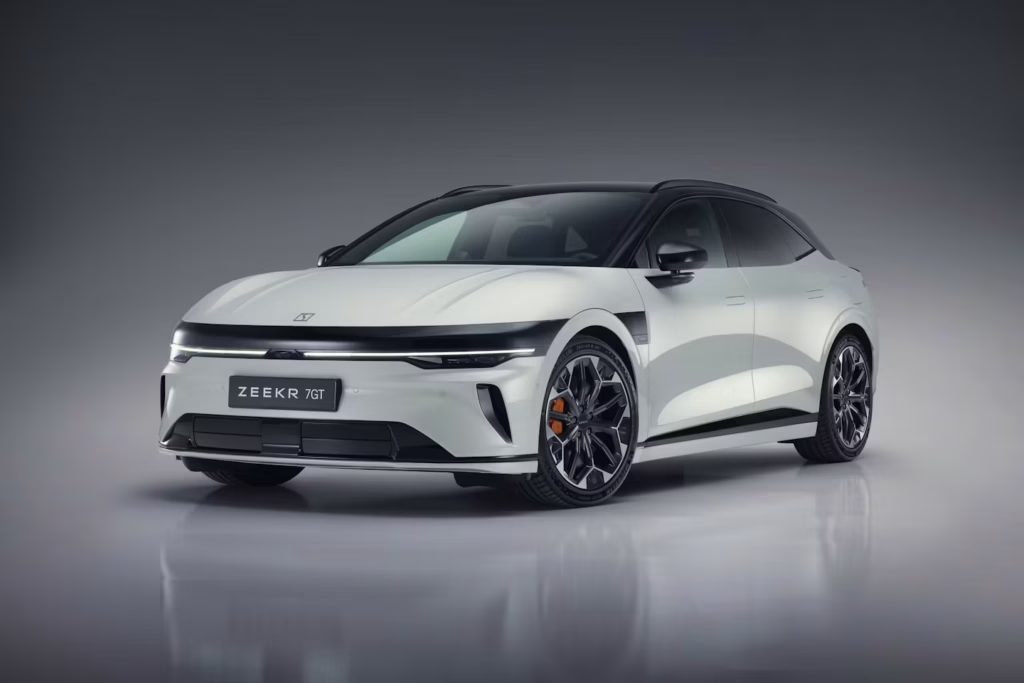
The other side of the debate starts with price. Chinese automakers have expanded quickly by producing electric and plug-in hybrid vehicles that compete aggressively on cost, battery technology, and charging speed.
American shoppers are struggling with high vehicle prices and disappearing entry-level models. Blocking an entire category of competitors may protect domestic manufacturers, but it may also remove pressure to build less-expensive cars. Consumers could pay more in the name of security without knowing whether narrower data protections could address the same risks.
There is also a question about consistency. American, European, Japanese, and Korean vehicles collect enormous amounts of driver data too. The ownership and legal environment may be different, but privacy concerns do not begin and end at China’s border.
You may also like: The New Auto Factories Rebuilding America
American Jobs Complicate the Debate
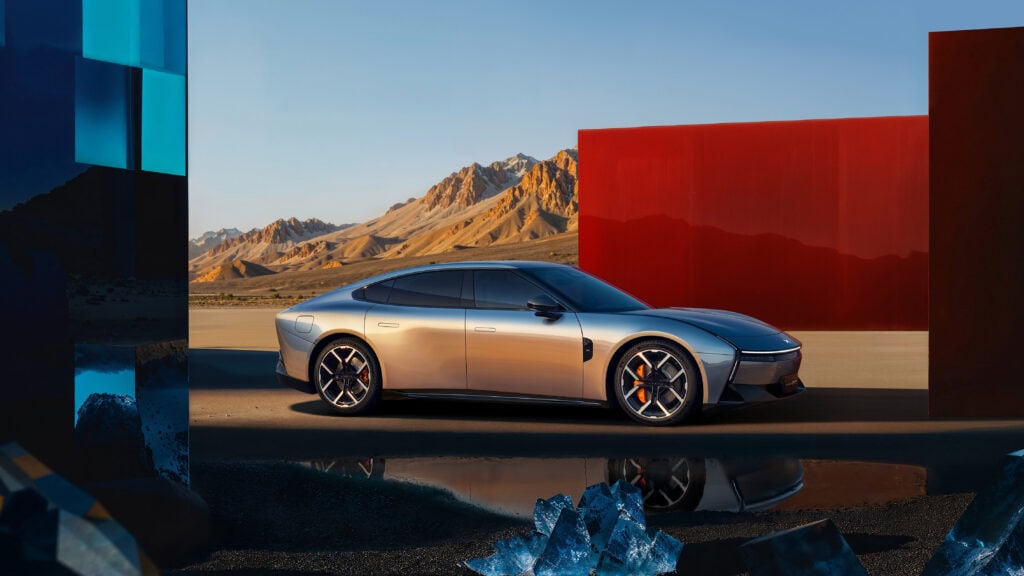
The strongest case may be economic. China’s automotive industry has enormous scale, deep battery supply chains, and government support. An unrestricted wave of low-priced imports could place severe pressure on U.S. assembly plants, suppliers, and union jobs.
Yet protecting American manufacturing should not become an excuse for avoiding competition. A permanent barrier only makes sense if the time it creates is used to improve batteries, software, affordability, production efficiency, and the vehicles Americans want to buy.
You may also like: Volkswagen Is Getting Smaller. Here’s What Went Wrong
A Ban Buys Time, Not Competitiveness
Polestar shows how complicated these rules can become. The Swedish EV brand said in a recent Polestar announcement that it was denied authorization to sell model-year 2027 vehicles under the current Connected Vehicle Rule, which scrutinizes ownership and technology links to China. Existing inventory can still be sold, but its American future has narrowed sharply.
America has legitimate reasons to protect driver data, infrastructure, and industrial capacity. It also has a responsibility to avoid using national security as a comfortable shield against better or cheaper products.
The sensible answer may be to keep high-risk connected technology off American roads while creating a transparent path for companies that can prove their vehicles, software, and data systems are genuinely independent. A permanent Chinese car ban may be justified. It should not become a permanent excuse for failing to compete.