Volkswagen Is Getting Smaller. Here’s What Went Wrong
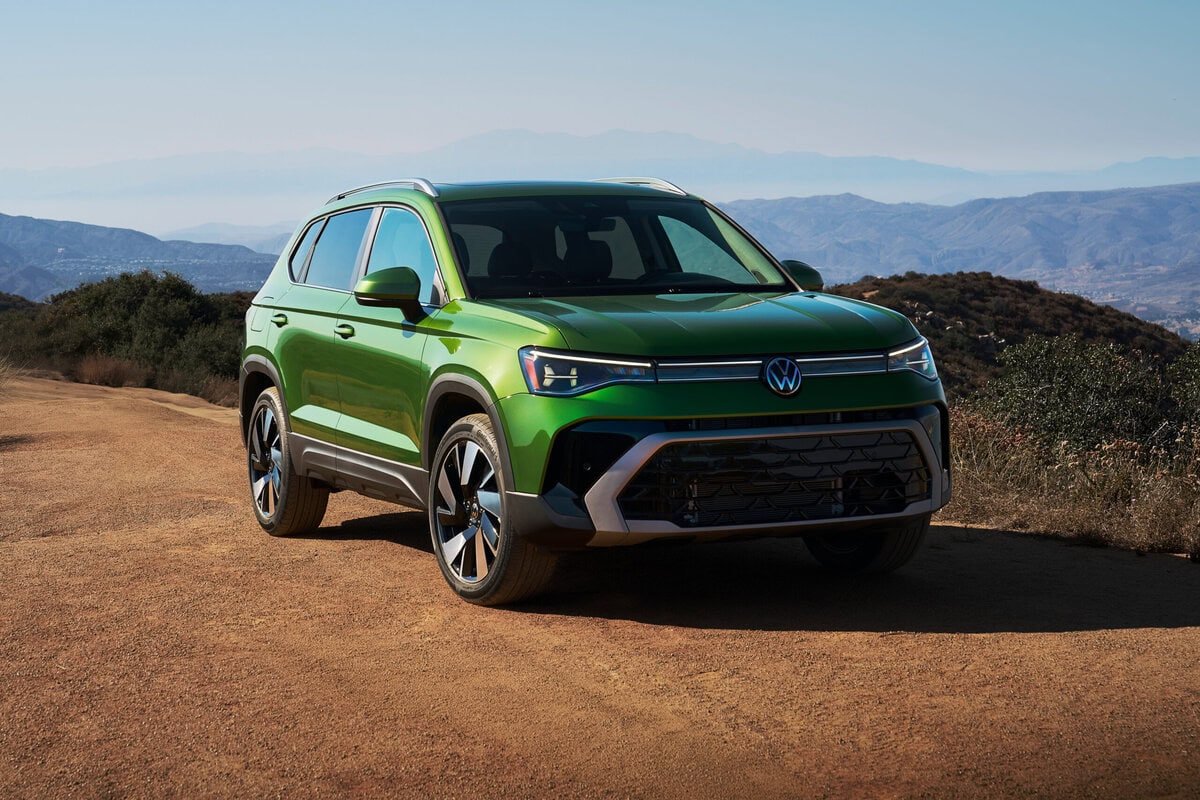
Volkswagen is getting smaller as China, tariffs and falling profits force model cuts, capacity reductions and a sweeping corporate reset.
For decades, Volkswagen Group operated on a straightforward assumption: more brands, more models and more factories created more opportunities to sell cars. Now the company is confronting the uncomfortable possibility that its enormous scale has become one of its greatest weaknesses.
Europe’s largest automaker is considering a sweeping overhaul that could dramatically reduce its model lineup and production capacity. Reports suggest the transformation could eventually affect around 100,000 jobs, although Volkswagen has not confirmed reductions on that scale or released a complete list of models and factories that may be affected.
This is not the result of one bad quarter or one unpopular electric vehicle. It is what happens when several of the auto industry’s largest problems collide at the same company.
Related: Volkswagen cost-cutting plans: what that means for buyers
Why Volkswagen Grew Too Big
Volkswagen Group’s size is difficult to appreciate. Its passenger-vehicle brands include Volkswagen, Audi, Porsche, Škoda, SEAT, Cupra, Bentley and Lamborghini. The group also controls commercial-vehicle and heavy-truck businesses.
That structure gives Volkswagen enormous global reach, but it also creates duplication. Several brands can offer similarly sized crossovers, sedans and electric vehicles using different styling, equipment combinations and marketing strategies.
Every additional model brings engineering expenses, regulatory testing, factory complexity, replacement parts, advertising and dealer training. Even two vehicles sharing the same basic platform can become expensive when they have different bodywork, software, interiors and powertrains.
Volkswagen’s official Group strategy emphasizes lower costs, regional production and greater efficiency. Eliminating low-volume vehicles and reducing equipment combinations could make the remaining models less complicated and less expensive to build.
Related: Volkswagen’s American Reinvention Is Taking Shape
China Changed Everything for Volkswagen
Volkswagen spent years as one of the dominant foreign automakers in China. That market helped support the company’s factories, investment plans and global ambitions.
The competitive balance has changed quickly. Chinese manufacturers are producing increasingly sophisticated electric and plug-in hybrid vehicles with aggressive pricing, modern software and features developed specifically for local buyers.
Volkswagen must now invest heavily to become more competitive in a market that is no longer the dependable profit center it once was. The company is responding with faster local development, Chinese technology partnerships and new electrified models designed primarily for Chinese customers.
The problem is timing. Volkswagen must spend money to defend its position while simultaneously cutting costs elsewhere. That is a difficult balancing act for any company, even one of the largest automakers in the world.
Related: VW may build Audi cars in the U.S. to ease $1.5B tariff hit
Tariffs and Falling Profits Increase the Pressure
Trade policy is making Volkswagen’s problems more complicated. Tariffs increase the cost of imported vehicles and parts, forcing automakers to absorb the expense, raise prices, reduce incentives or move production.
Volkswagen reported €321.9 billion in revenue for 2025, but operating profit fell 53 percent to €8.9 billion. Its operating margin declined to 2.8 percent, compared with 5.9 percent one year earlier.
The company’s annual results attributed much of the decline to tariffs, restructuring costs and changes to Porsche’s product plans. Volkswagen said higher U.S. import tariffs alone created approximately €2.9 billion in additional expenses during 2025.
Volkswagen remains a financially substantial company. The concern is that a business with its workforce, factory network and enormous investment requirements cannot comfortably operate on thin margins indefinitely.
Related: Trump EU Car Tariffs Could Raise Luxury Car Prices
Underused Factories Have Become a Liability
Volkswagen’s factories were built for a world in which the company expected vehicle demand to keep growing. Demand has not followed that plan evenly, particularly in Europe.
An underused factory remains expensive even when fewer cars move through it. Buildings, machinery, maintenance, energy and labor costs do not disappear simply because a production line slows down.
Volkswagen has already started reducing overhead expenses. Its official first-quarter report said overhead costs were reduced by €1 billion as the company accelerated its transformation.
Potential factory closures in Germany would bring political resistance and worker protests, making this much more than a financial exercise. Volkswagen must become leaner without damaging the engineering and manufacturing base that supports its brands.
Related: German Automakers Rethink Their U.S. Game Plan
What Volkswagen’s Reset Means for American Buyers
Volkswagen has not released a confirmed list of models that will disappear. The deepest cuts could fall on regional vehicles and overlapping European or Chinese products rather than familiar American models such as the Atlas, Tiguan, Taos and Jetta.
American buyers could still notice the effects. A smaller Volkswagen may offer fewer niche vehicles, fewer confusing configurations and more products built close to the customers who buy them. Tariffs may also encourage the company to expand North American production, potentially including Audi models.
The larger lesson is that the auto industry may no longer reward the company that builds the most vehicles. It rewards the company that builds the right vehicles, in the right factories, for customers willing to buy them at a sustainable profit.
Volkswagen spent decades proving that it could become one of the world’s largest automakers. Its next challenge is proving that it can become smaller without losing what made its brands matter.