German Automakers Rethink Their U.S. Game Plan
For decades, German automakers built their global product plans around a fairly simple formula. Much of what worked in Europe also worked in the United States.
Vehicles, powertrains, technology strategies, and development programs could often be shared across both markets, with only regional adjustments around size, regulation, fuel preference, and buyer taste.
That old balance is starting to shift.
BMW, Mercedes-Benz, Audi, and Volkswagen are increasingly treating America less like a branch office of Europe and more like its own automotive country. That does not mean German brands are giving up on global engineering. It means the U.S. market has become too large, too profitable, and too unpredictable to be handled with a one-size-fits-most product plan.
You may also like: VW may build Audi cars in the U.S. to ease $1.5B tariff hit
America Is Forcing A German Auto Reset
German automakers have long tried to align Europe and the United States. In broad terms, the two markets often overlapped by about 80 percent. A premium SUV, compact luxury sedan, performance model, or electric platform could usually be developed for both sides of the Atlantic, then tuned for local preferences.
The remaining 20 percent was where the interesting work happened. Europe tended to favor smaller vehicles, tighter cities, diesel in the past, and stricter emissions planning. America wanted larger SUVs, more power, more cupholders, longer road-trip comfort, and a different definition of value.
Now that 20 percent gap feels wider. U.S. buyers are moving at their own pace on electrification. Hybrids and gasoline models remain important. Luxury SUVs are still central to the market. Meanwhile, changing trade policy has made product planning more complicated than it used to be.
You may also like: Trump EU Car Tariffs Could Raise Luxury Car Prices
Tariffs Make Local Production More Valuable
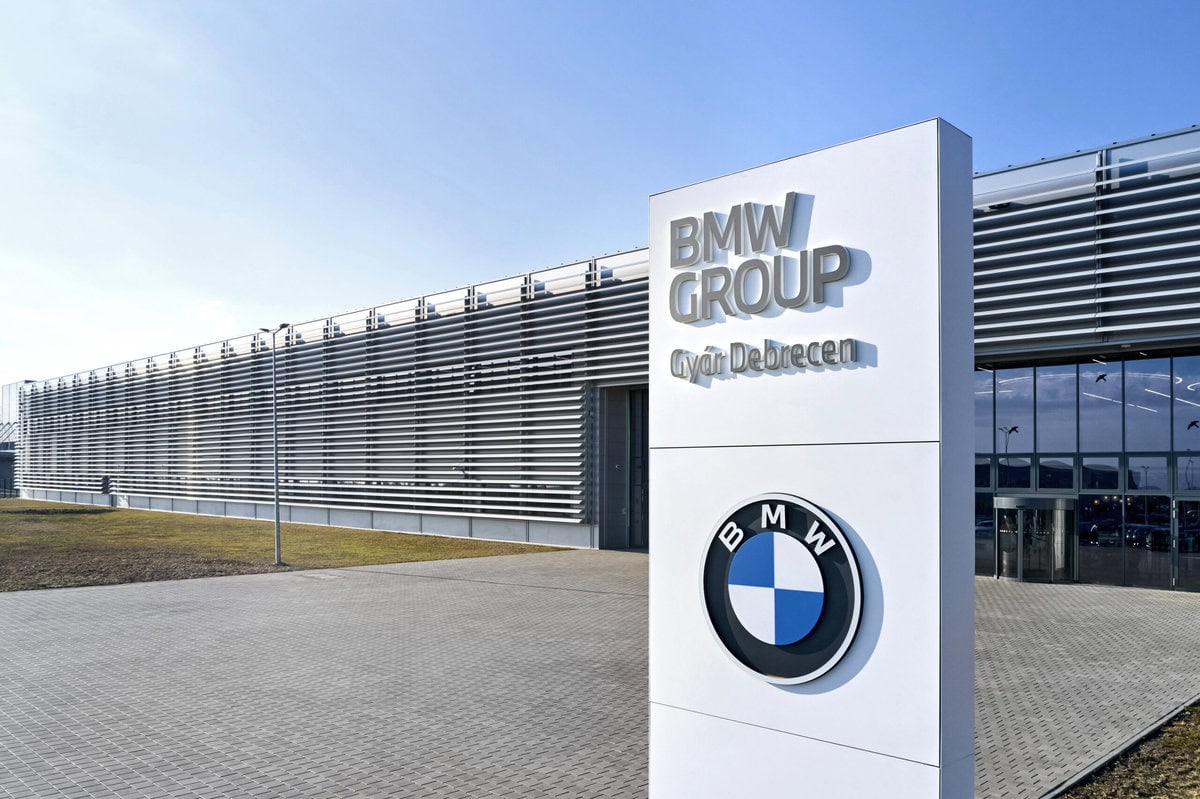
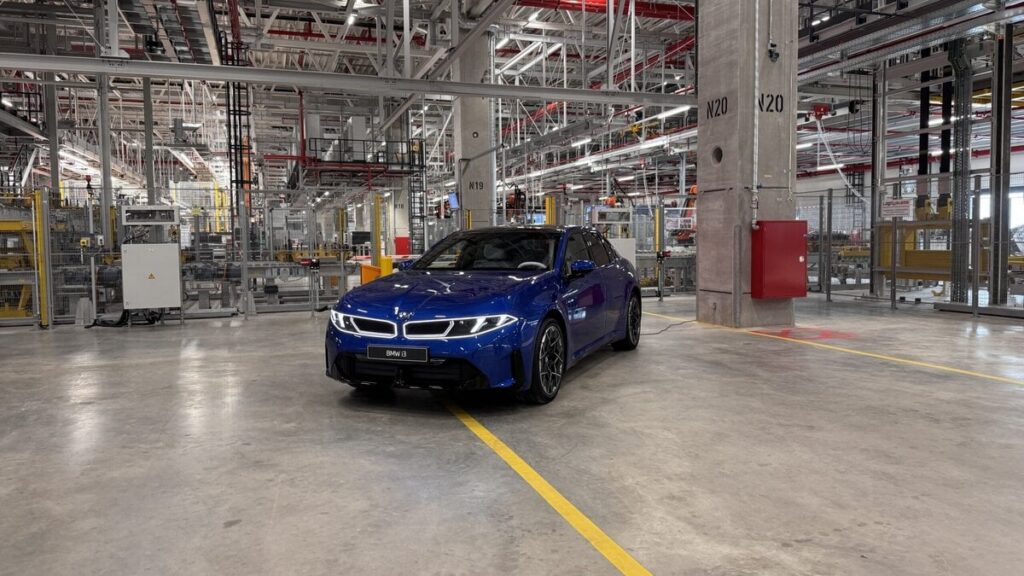
Manufacturing location has become a bigger part of vehicle strategy. BMW and Mercedes-Benz already have major U.S. production footprints, which gives them more flexibility when trade conditions change. Audi, by contrast, has been more exposed because it relies heavily on imported vehicles for American buyers.
That is why the idea of building more German-brand vehicles in the U.S. is no longer just a patriotic talking point. It is a practical business decision. Local production can reduce tariff exposure, protect dealer supply, and give automakers more room to respond when rules change.
The United States remains one of the world’s largest vehicle markets, and federal data on the automotive industry shows why global automakers continue to invest here. German brands are not retreating from America. If anything, they are being forced to take America more seriously as a standalone product-planning center.
You may also like: VW Showcases Audi’s Future and Scout’s U.S. Comeback in Munich
EV Plans Are No Longer One-Size-Fits-All
Electrification is another place where Europe and America are no longer moving in perfect step. European policy has pushed automakers hard toward battery-electric vehicles. American buyers, however, have been more cautious. Charging access, vehicle cost, road-trip habits, and changing incentives all affect how quickly customers are willing to switch.
That does not mean EVs are failing. It means the American roadmap is more complicated. German automakers may still build global electric platforms, but they now have to decide which models make sense here, when they should arrive, and whether hybrids or gasoline engines need to stay in the mix longer.
Government information on electric vehicles makes the benefits clear, but buyers still make decisions based on daily life. A customer in Los Angeles may see the EV equation differently than a customer in rural Pennsylvania. German automakers are learning that American electrification has to meet American habits.
You may also like: Inside BMW’s Factory and What It Could Mean for America
German Brands Need A More American Playbook
The larger story is not that BMW, Mercedes, Audi, or Volkswagen have lost their way. It is that the old global playbook is becoming less reliable. America now requires more specific answers.
That could mean more U.S.-built vehicles, more SUVs developed with American buyers in mind, more flexible powertrain planning, and more technology tailored to how people actually drive here. It could also mean German brands become more responsive and less rigid, which would be good news for shoppers.
For decades, German automakers sold Americans a version of European engineering adapted for U.S. roads. The next phase may be different. The most successful German cars in America may be the ones planned from the beginning with America in mind.
That is not a retreat from global excellence. It is a recognition that the U.S. market has become too important to treat as an afterthought. The brands that understand that fastest may be the ones that turn instability into opportunity.