Zoox Robotaxi Approval Clears Paid Driverless Rides
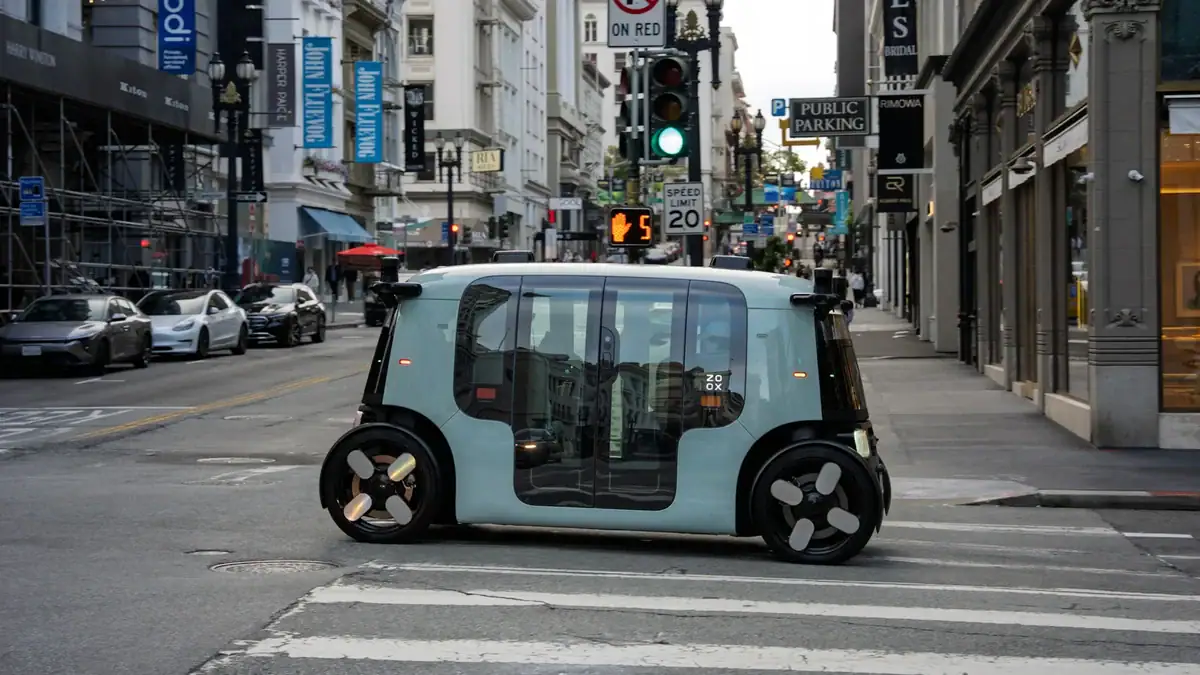
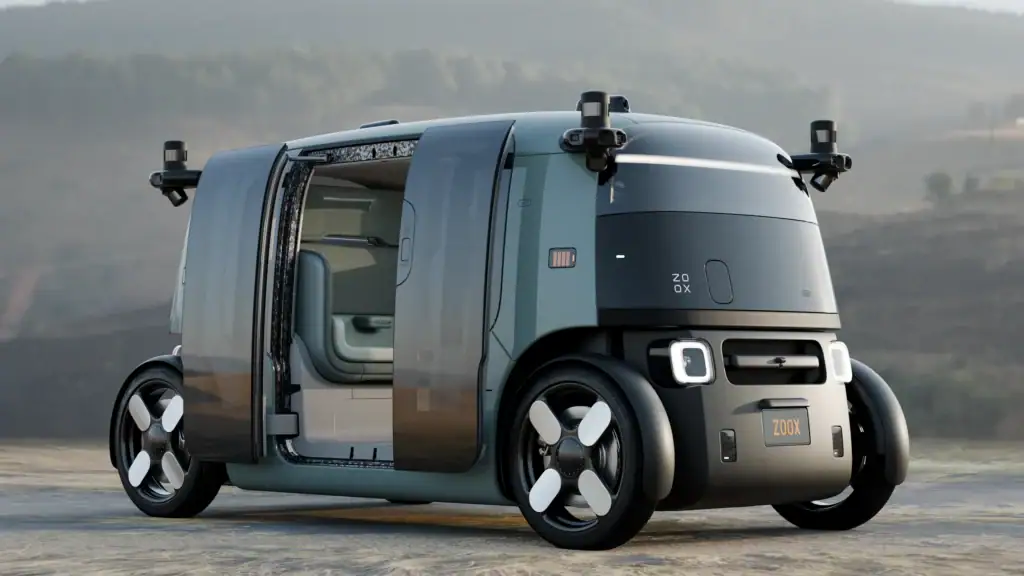
The Zoox robotaxi approval clears a purpose-built passenger vehicle with no steering wheel, pedals or driver’s position for limited commercial deployment. There are no controls for a human.
The National Highway Traffic Safety Administration granted Zoox a temporary federal exemption on July 30, 2026. It allows Amazon-owned Zoox to deploy up to 2,500 robotaxis annually for two years under enhanced federal oversight.
That does not create an instant nationwide taxi network. State and local operating requirements still apply. Zoox says it will begin charging fares in Las Vegas in August, where it has already offered free public rides. The company has not announced what those rides will cost.
You may also enjoy: Tesla Robotaxis Are Moving Far Slower Than Musk Promised
What the Zoox Robotaxi Approval Actually Permits
Federal safety standards were written around human-driven vehicles, including manual controls, mirrors and driver displays. Zoox removed the driver, leaving regulators to apply old assumptions to a new machine.
NHTSA used its Part 555 authority after finding Zoox demonstrated equivalent safety to an applicable compliant vehicle. Its new operational authorization allows oversight conditions to change with the technology and operating environment.
The numerical limit matters. Approval for up to 2,500 vehicles per year is significant, but it is not permission for unlimited production or retail sales. Zoox owns and operates the fleet. You will be able to summon one in an approved service area, not take one home and confuse the neighbors.
You may also enjoy: Waymo’s 2026 Expansion Explained: Where Robotaxis Go Next
Why This Vehicle Changes the Robotaxi Rulebook
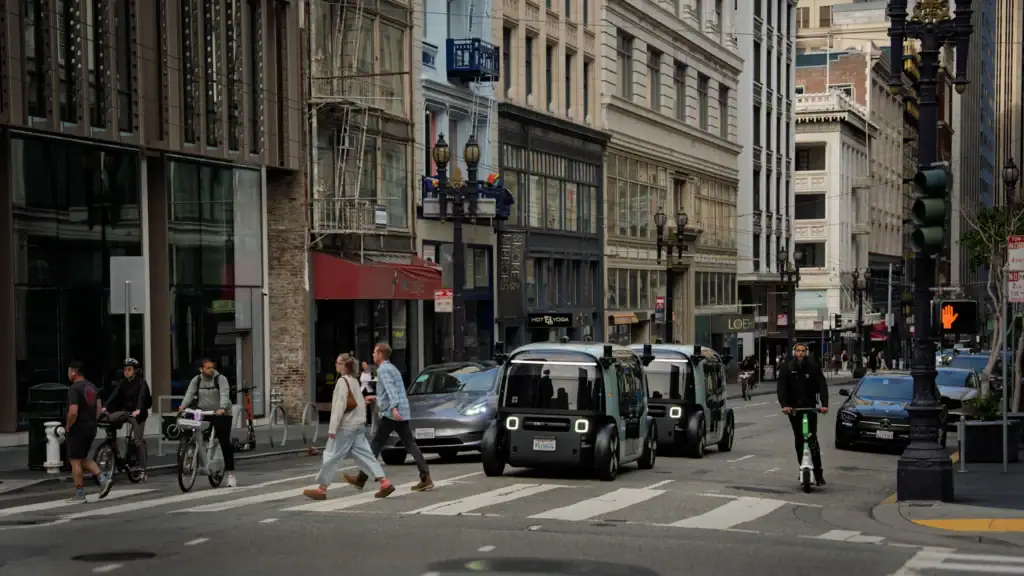
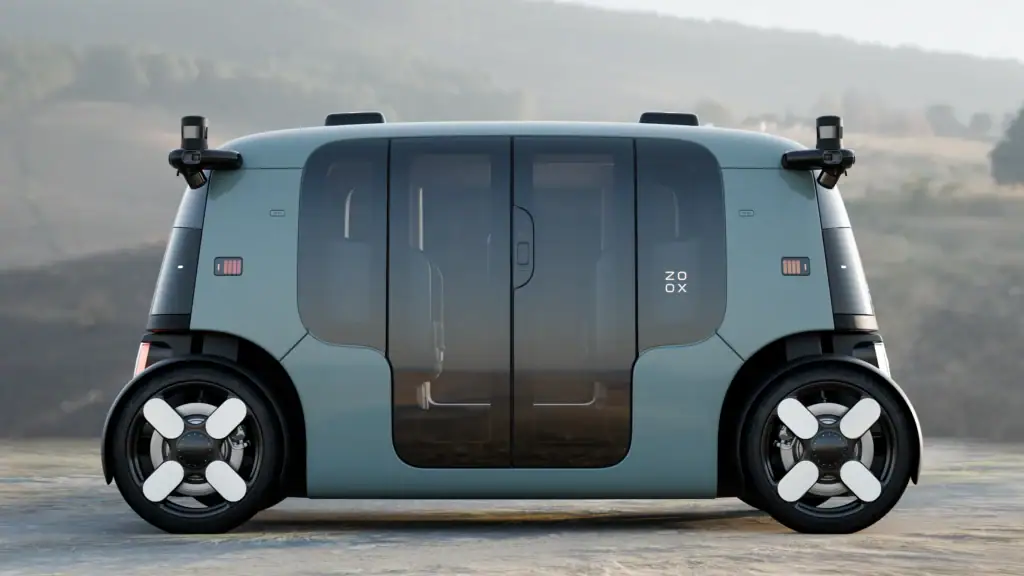
Most paid robotaxi services began with recognizable production vehicles adapted with sensors, computers and automated-driving software. Zoox started with the ride itself. Its electric vehicle carries four people on two inward-facing benches, uses sliding doors and can travel in either direction without turning around.
Removing the steering wheel is more than theater. It changes cabin space, crash protection, maintenance and the relationship between passenger and machine. It forces regulators to choose between requiring familiar hardware and measuring the safety performance that hardware was meant to provide.
That distinction affects other developers building vehicles never meant to be human-driven. If this supervised exemption works, it gives regulators commercial data while permanent national standards are developed. If it exposes weaknesses, the authorization can be modified or revoked.
You may also enjoy: Robotaxi Emergency Scenes Still Challenge Driverless Cars
Safety Is Still the Hard Part
Commercial approval is not proof that every autonomous-driving problem has been solved. In July, Zoox recalled automated-driving software used in 105 vehicles after an unoccupied robotaxi entered heavy smoke at an active fire scene, braked hard and stopped. No injuries were identified, and updated software was released July 15.
That incident matters because unusual road conditions are ordinary life. Emergency vehicles, hand signals, construction crews and confused tourists do not behave like neat training examples. Las Vegas supplies all of them, often before breakfast.
NHTSA retains enforcement authority and says the exemption includes enhanced oversight. For riders, the meaningful measures will be completed trips, crashes, unexpected stops, remote-assistance events and how quickly problems are disclosed and corrected.
You may also enjoy: London Black Cabs Face Driverless Threat From Uber and Wayve
What Las Vegas Riders Should Watch
Zoox’s August transition from free rides to paid service will test something less glamorous than lidar: whether people consider the experience useful enough to purchase repeatedly. Coverage, wait times, pickup locations, accessibility, cleanliness and fare levels may matter more to customers than the novelty of facing backward.
The first paid rides will also show how quickly a tightly controlled demonstration can become dependable transportation. A service operating in one carefully mapped district is impressive. A service that handles ordinary errands reliably, at a competitive price and during busy periods is a business.
The Zoox robotaxi approval removes a major federal obstacle, but it does not remove the need for public trust. Las Vegas riders will now help determine whether a vehicle without a steering wheel can deliver something much harder to engineer: a ride people stop thinking of as experimental.