2026 Mazda3 Review: The Smart Trim to Buy
By Nik J. Miles | Test Miles
This 2026 Mazda3 review compares trims, prices, safety, fuel economy and cargo space to find the version that makes the most sense for buyers.
Somewhere between a $25,000 compact sedan and a $40,000 turbocharged hatchback, the Mazda3 loses the plot. Not because it suddenly becomes a bad car. Quite the opposite. It becomes so expensive that buyers need a rather convincing reason not to purchase something bigger, more economical or both.
The interesting part is that Mazda has already built the version I would recommend. It has a 186-horsepower engine, heated seats, a moonroof and an interior designed with considerably more care than the price suggests.
It is called the Mazda3 2.5 S Preferred.
And at $27,290 for the sedan before destination, it may be the most sensible car in Mazda’s compact lineup.
You may also enjoy this video:
2026 Mazda3 Review: The Buying Verdict
Best for: Drivers who value a carefully finished cabin, manageable exterior dimensions, strong safety ratings and the option of a traditional gasoline powertrain without spending luxury-brand money.
Skip if: You regularly carry three adults in the rear seat, need a large dog crate behind the second row, or want the fuel savings of a hybrid.
What the Mazda3 gets right
- Premium interior design and useful physical controls.
- 186-horsepower standard engine without requiring a turbo upgrade.
- 2026 IIHS Top Safety Pick+ designation for both body styles.
- Available all-wheel drive and a rare manual-transmission hatchback.
- Competitive pricing on the lower and middle trims.
Where it falls short
- Only 35.1 inches of rear legroom.
- No U.S.-market hybrid powertrain.
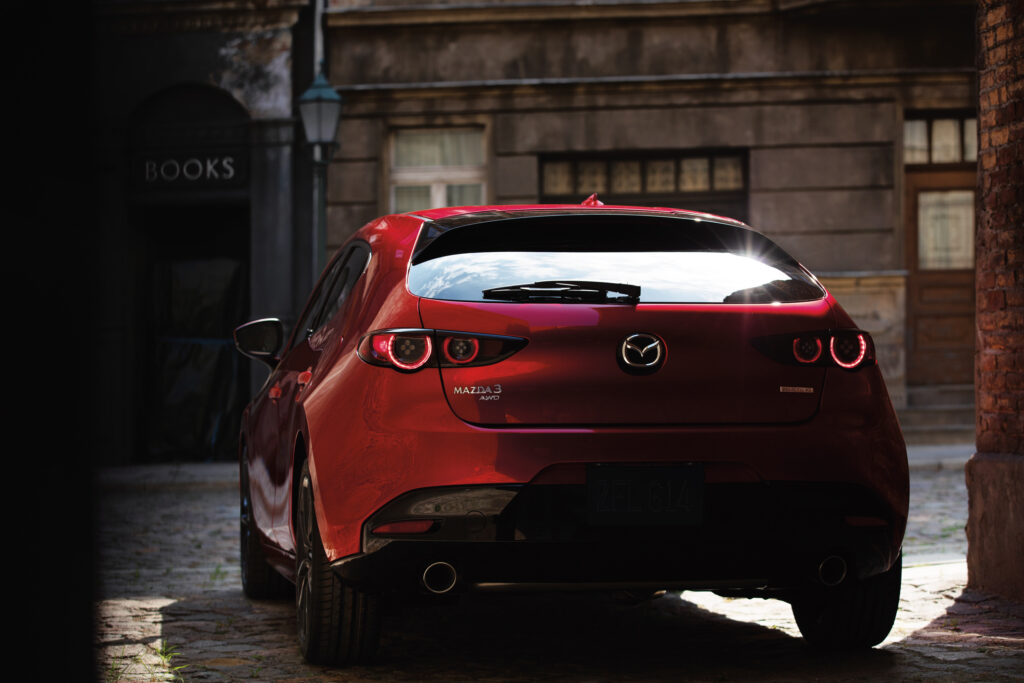
- The hatchback’s rearward visibility is compromised by its styling.
- The turbo versions are expensive enough to weaken the value argument.
This analysis uses verified manufacturer specifications, EPA estimates and independent safety assessments. It does not represent a documented firsthand Test Miles road test of a specific 2026 vehicle.
Why the Preferred Trim Makes More Sense Than the Turbo
Buying a Mazda3 is not especially complicated until you reach the expensive versions.
The entry-level sedan starts at $24,650. It includes a 2.5-liter four-cylinder engine, an automatic transmission, smartphone integration, an eight-speaker sound system and substantial safety equipment.
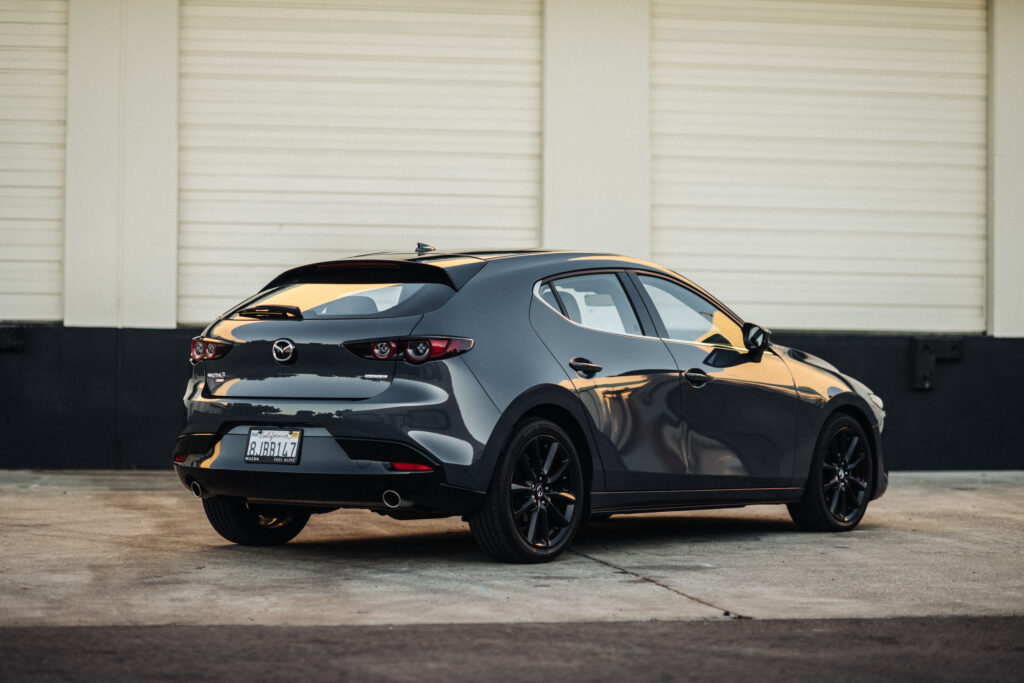
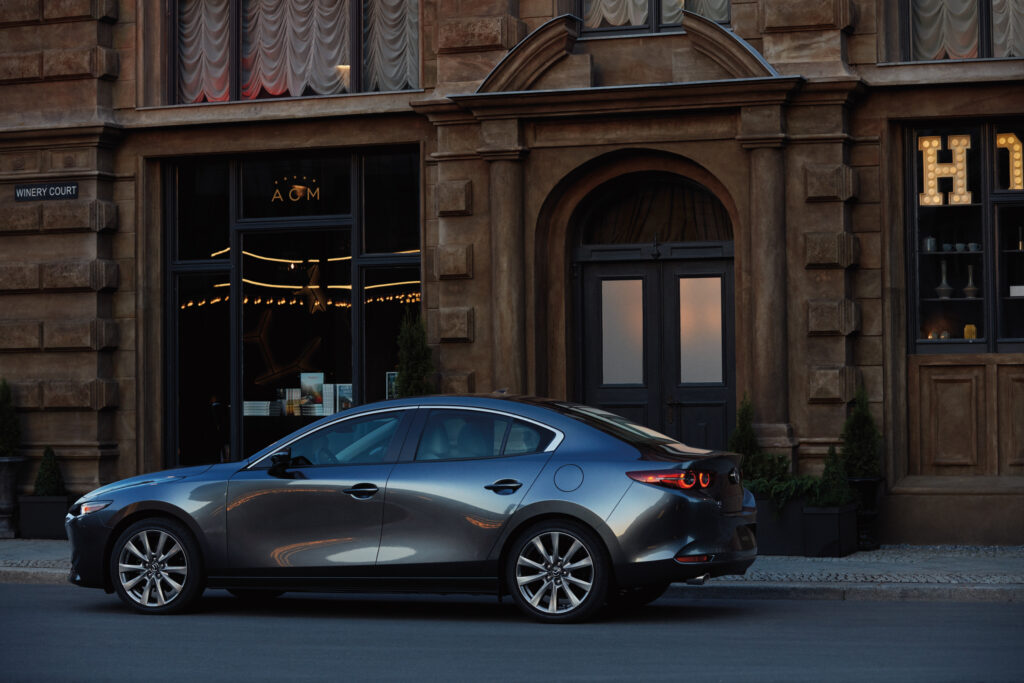
That is a respectable specification. But the $27,290 Preferred adds equipment owners actually use: heated front seats, an eight-way power driver’s seat with memory, a moonroof and upgraded exterior trim.
For $2,640 above the base sedan’s MSRP, it is a sensible improvement for someone planning to keep the car for several years.
Now consider the turbocharged Premium Plus sedan at $36,940.
That is $9,650 more than the Preferred. You gain all-wheel drive, considerably more torque, leather seating, a more sophisticated camera system, Bose audio and additional technology.
Those are welcome upgrades, but the Mazda3 still has the same basic passenger-space limitations. Spending another $10,000 does not make the rear doors any larger.
Mazda has faced a similar challenge with its more expensive models. Our 2026 Mazda CX-70 review explains why selecting the right trim often matters more than buying the most expensive version available.
What Actually Changed for 2026?
Do not expect a completely redesigned Mazda3.
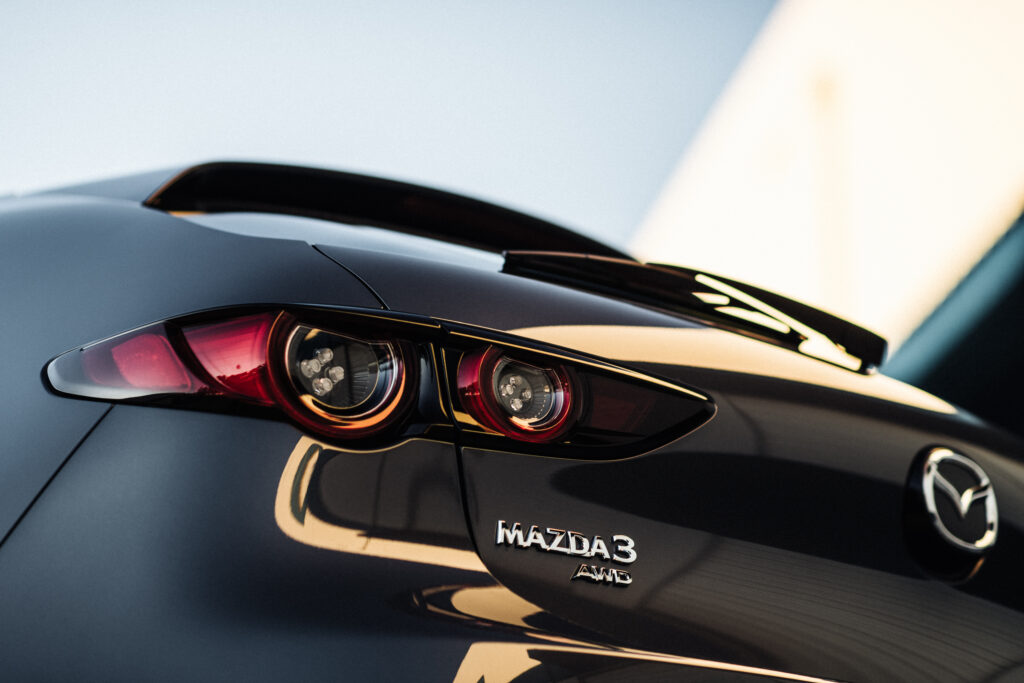
The important changes involve equipment and packaging. Mazda made its eight-speaker Harmonic Acoustics system standard across the lineup, while the 12-speaker Bose system remains available on selected higher trims.
The basic 8.8-inch infotainment display continues, with a larger 10.25-inch system on the Turbo Premium Plus.
Wireless Apple CarPlay and Android Auto are included on selected higher trims, not universally across the range.
Mazda also retains its six-speed manual transmission in the Premium hatchback. That is welcome news for buyers who still like choosing their own gears, something the automotive industry increasingly treats as an eccentric hobby.
The engine lineup and fundamental architecture remain familiar. For existing owners of a recent Mazda3, the 2026 changes alone are unlikely to justify replacing an otherwise satisfactory car.
The Mazda3 Interior: Luxury Without the Badge
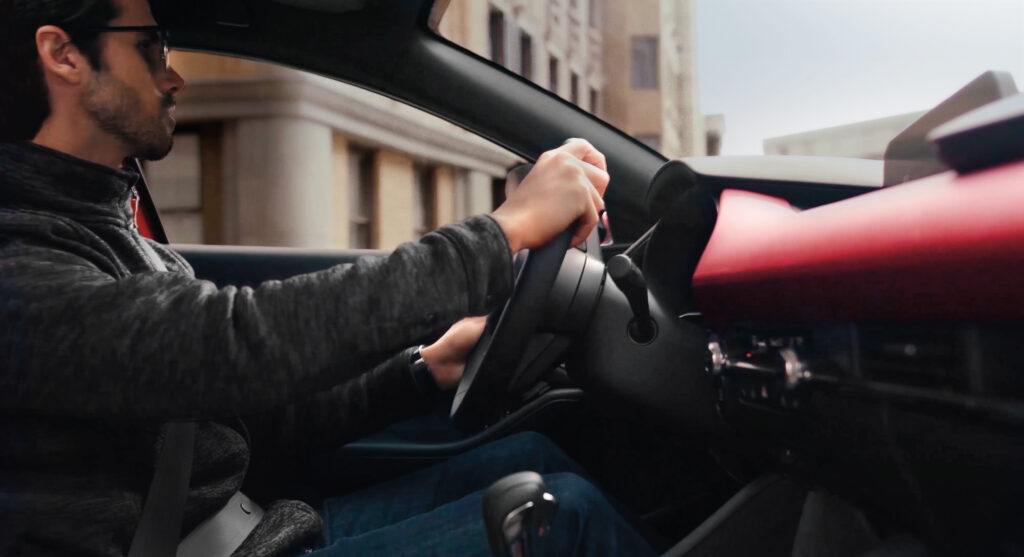
The Mazda3’s interior is arguably the strongest reason to choose it over the obvious alternatives.
Rather than filling the dashboard with illuminated surfaces and enormous screens, Mazda uses a comparatively restrained layout. The center display sits above the dashboard, climate controls have their own buttons, and a rotary controller handles much of the infotainment navigation.
There are practical advantages to that arrangement. A physical temperature control is easier to find without looking away from the road. The rotary controller also avoids requiring the driver to reach toward a touchscreen for every adjustment.
The counterargument is obvious. Drivers accustomed to tapping a smartphone may initially dislike Mazda’s approach. It is worth spending ten minutes operating the infotainment system before buying.
The standard screen measures 8.8 inches. The Turbo Premium Plus provides a 10.25-inch display with additional touchscreen functionality when using compatible smartphone systems.
Higher trims add leather seating, Bose audio and a head-up display. Mazda has been particularly successful at delivering premium details without always requiring a premium-brand price.
The same approach can be seen in our 2026 Mazda CX-50 luxury features analysis, although that crossover is a more practical option for buyers carrying passengers and luggage regularly.
Mazda Connected Services includes a one-year introductory period. Some remote services require a subscription after that period, so include the charge when comparing long-term costs.
Two Engines, Two Very Different Buying Decisions
The standard 2.5-liter four-cylinder produces 186 horsepower and 186 pound-feet of torque. Front-wheel drive is standard, and most versions use a six-speed automatic transmission.
There is also a six-speed manual available exclusively on the front-wheel-drive Premium hatchback.
The turbocharged 2.5-liter engine makes 227 horsepower and 310 pound-feet of torque using regular gasoline. Fill it with 93-octane premium and those figures increase to 250 horsepower and 320 pound-feet.
That torque difference is significant. The turbo develops considerably more pulling force, particularly useful when accelerating into faster traffic or passing on a two-lane road.
Mazda’s steering and chassis engineering have long emphasized controlled responses and predictable vehicle behavior. The Mazda3 also uses G-Vectoring Control Plus, which makes small torque and braking adjustments to help manage vehicle movement.
Those engineering details provide reasons to put the car on a test-drive list, not proof of how a particular 2026 example feels on a particular road.
Before deciding, drive the standard engine over local streets, a rough section of pavement and a highway entrance ramp. Evaluate the transmission’s response, the amount of tire noise and the firmness of the suspension.
For most buyers, the naturally aspirated engine appears the better value. The turbo is attractive for its performance, but I would want to be absolutely certain I needed it before paying the premium.
Sedan or Hatchback: Measure Before You Buy
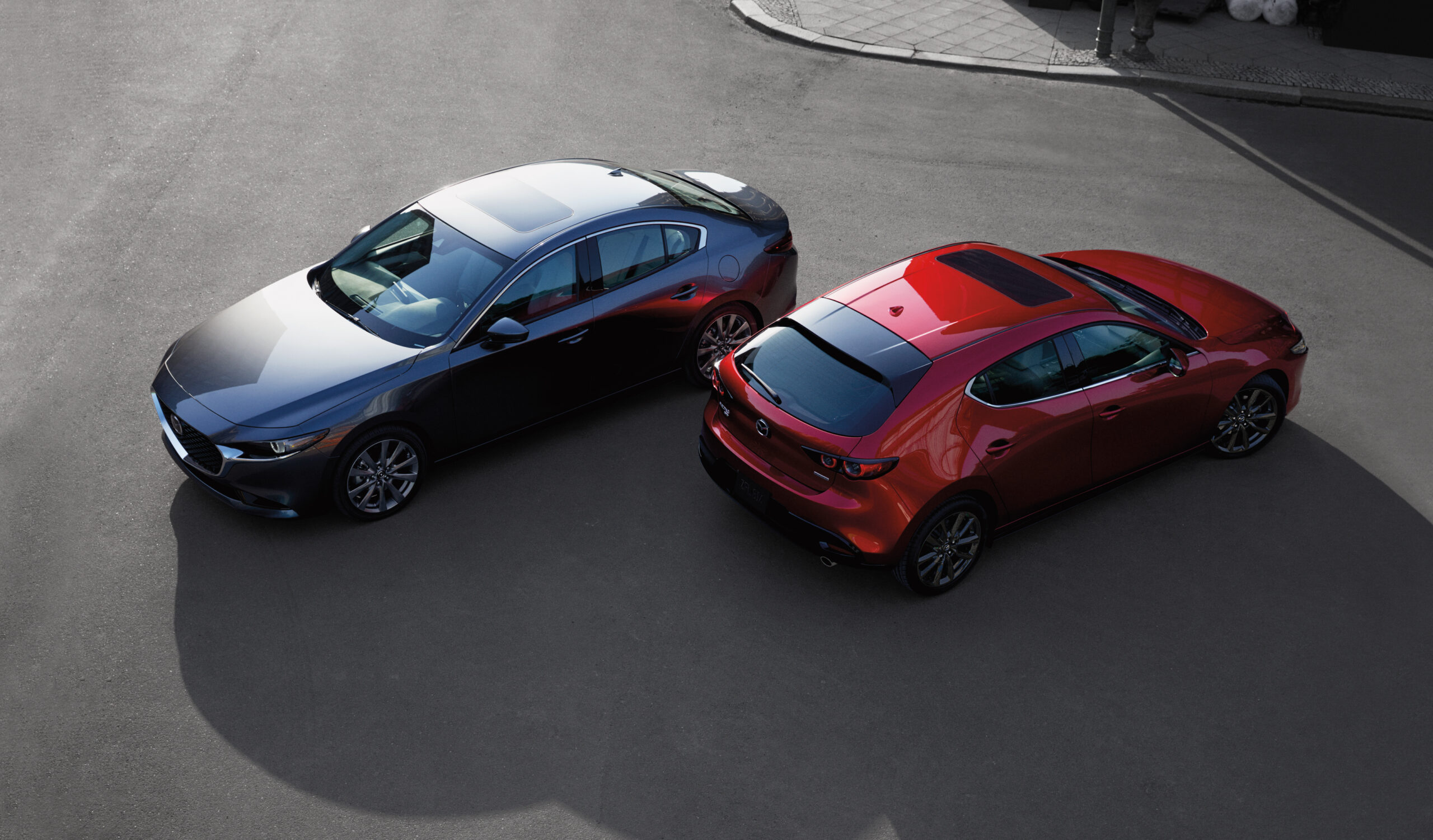
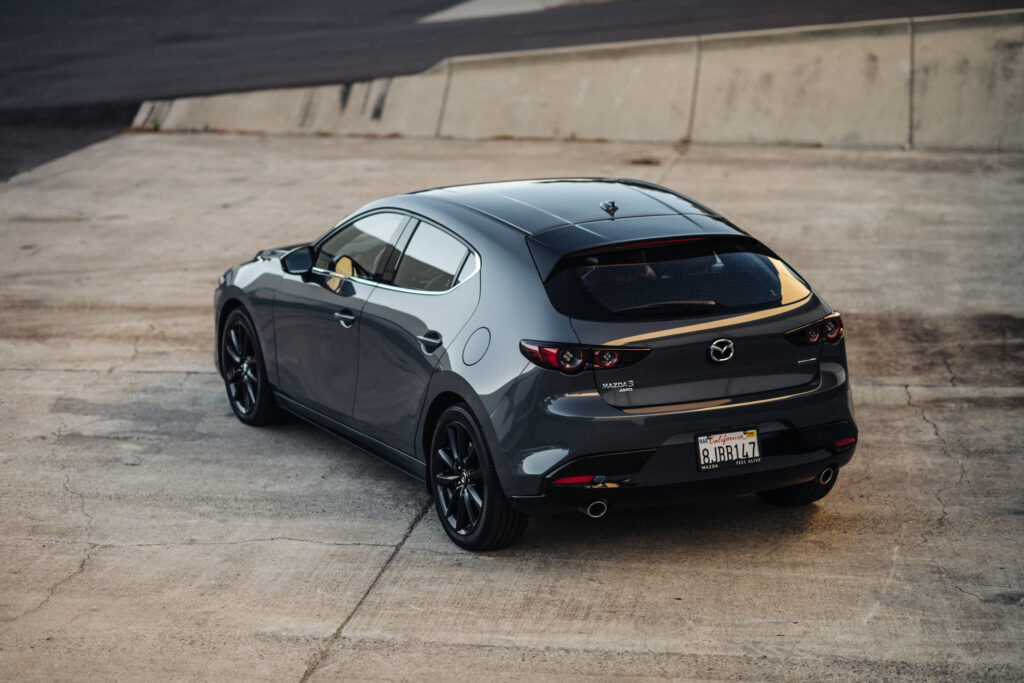
The Mazda3 sedan is 183.5 inches long. The hatchback is considerably shorter at 175.6 inches, yet both share a 107.3-inch wheelbase.
The important difference is behind the rear seats.
| Measurement | 2026 Mazda3 Sedan | 2026 Mazda3 Hatchback |
|---|---|---|
| Overall length | 183.5 inches | 175.6 inches |
| Wheelbase | 107.3 inches | 107.3 inches |
| Rear legroom | 35.1 inches | 35.1 inches |
| Cargo volume behind rear seats | 13.2 cubic feet | 20.1 cubic feet |
| Seating capacity | 5 | 5 |
The hatchback has approximately 52 percent more cargo volume behind its rear seats than the sedan’s trunk.
That does not automatically make it suitable for every bulky item.
With several large dogs in my household, cargo measurements are something I take seriously. A manufacturer’s cubic-foot rating cannot tell me whether a Labrador-sized crate will pass through the hatch opening, whether the loading floor is practical or whether there is enough room to secure the crate correctly.
The Mazda3 hatchback is better suited to luggage, shopping and smaller cargo loads than transporting several large dogs.
If your household needs substantially more room, our 2026 Mazda CX-5 review
Rear-facing child seats present another consideration. With 35.1 inches of rear legroom, front-seat comfort may be affected by a bulky child restraint. Bring the actual seat to the dealership before signing anything.
The NHTSA child safety seat guide explains proper installation and fit.
Fuel Economy: Where the Hybrid Rivals Fight Back
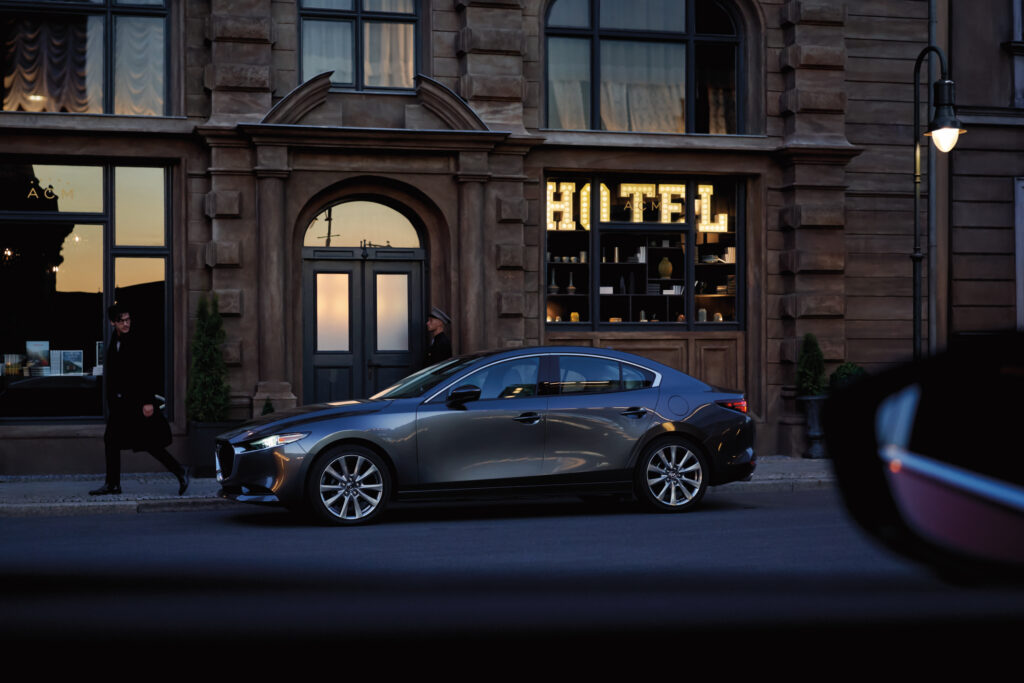
The base front-wheel-drive Mazda3 sedan is EPA-rated at 27 mpg city, 36 highway and 30 combined. The equivalent hatchback returns 26 city, 34 highway and 29 combined.
The turbocharged all-wheel-drive sedan is rated at 27 mpg combined. The turbo hatchback is rated at 26 mpg combined.
These are official estimates, not Test Miles measured fuel-economy results.
For buyers covering 15,000 miles annually, the standard sedan’s 30-mpg combined rating translates to approximately 500 gallons of gasoline.
Someone considering a hybrid achieving 50 mpg combined would use around 300 gallons over the same distance. At an assumed gasoline price of $3.50 per gallon, that represents an annual difference of roughly $700.
The specific hybrid matters, and official economy ratings vary by trim. Use the EPA and Department of Energy vehicle comparison tools to compare the precise versions you are shopping for.
The Mazda3 provides good gasoline-car efficiency, but buyers primarily interested in minimizing fuel bills should investigate the Honda Civic Hybrid and Toyota Corolla Hybrid before making a decision.
2026 Mazda3 Safety: A Particularly Strong Result
Both the Mazda3 sedan and hatchback earned the IIHS 2026 Top Safety Pick+ award.
That is important because the award requires strong performance across multiple crashworthiness and crash-avoidance evaluations.
Standard equipment includes automatic emergency braking, blind-spot monitoring, rear cross-traffic alert, lane-departure warning, lane-keeping assistance and driver-attention monitoring.
Higher trims add systems including a 360-degree camera and additional rear emergency braking functionality.
None of these features makes the vehicle self-driving. They assist the driver under particular conditions and have limitations involving speed, visibility, road markings and other factors.
Our report on Mazda’s use of real-world crash data
There is also a useful family connection. The Mazda3 appears among the new vehicles recommended for teenage drivers by the IIHS and Consumer Reports. We cover the broader findings in our report on the safest cars for teens.
For the original independent findings, visit the IIHS 2026 Mazda safety awards.
Before purchasing any specific vehicle, buyers should also check its VIN through the NHTSA recall lookup.
How Much Should You Actually Spend?
These are Mazda’s updated U.S. suggested prices, excluding the $1,315 destination charge:
| 2026 Mazda3 Trim | Sedan MSRP | Hatchback MSRP |
|---|---|---|
| 2.5 S | $24,650 | $25,650 |
| 2.5 S Select Sport | $25,540 | $26,840 |
| 2.5 S Preferred | $27,290 | $28,640 |
| 2.5 S Carbon Edition AWD | $29,615 | $30,765 |
| 2.5 S Premium Manual | Not available | $31,650 |
| 2.5 Turbo Premium Plus AWD | $36,940 | $38,090 |
The entry sedan costs $25,965 including destination, before tax, title and dealer fees.
The Preferred sedan comes to $28,605 delivered, and the Preferred hatchback to $29,955.
The turbo Premium Plus hatchback costs $39,405 with destination. Add premium paint or dealer accessories, and the total moves higher.
These figures are manufacturer’s suggested prices. They are not an actual dealer quotation or a Test Miles as-tested price.
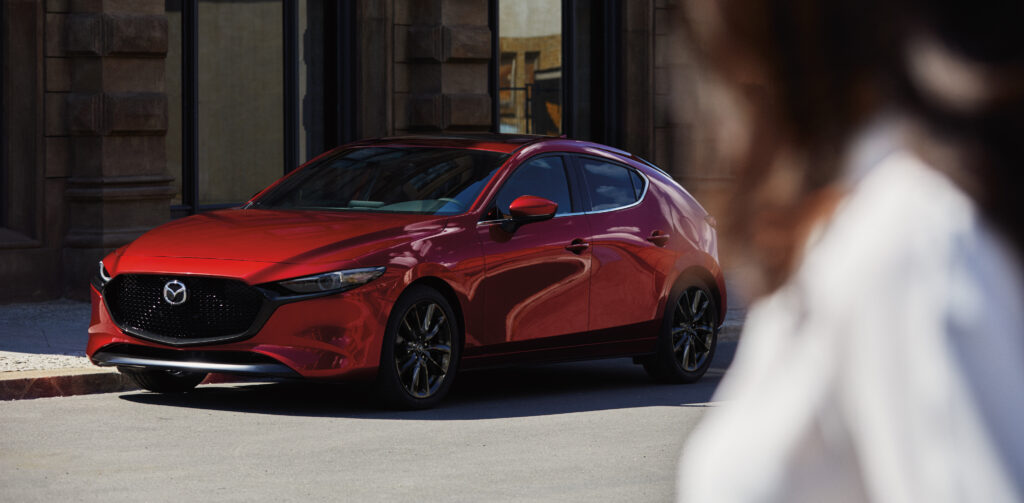
The Preferred versions offer the most convincing value. The manual Premium hatchback is a niche choice for enthusiasts. The Carbon Edition is an option for drivers who specifically need all-wheel drive and appreciate its red leather interior.
The Turbo Premium Plus is for buyers who deliberately want a powerful compact Mazda rather than the most practical car available for the money.
Mazda3 vs. Civic, Corolla and Jetta
The Honda Civic is a natural comparison because it offers both sedan and hatchback body styles, with hybrid options for shoppers prioritizing fuel economy.
The Toyota Corolla is another obvious alternative. Buyers who value hybrid efficiency above interior presentation should examine the Corolla Hybrid before committing to a Mazda3.
The Volkswagen Jetta deserves consideration for buyers who want a conventional compact sedan with a more restrained appearance and useful passenger accommodation.
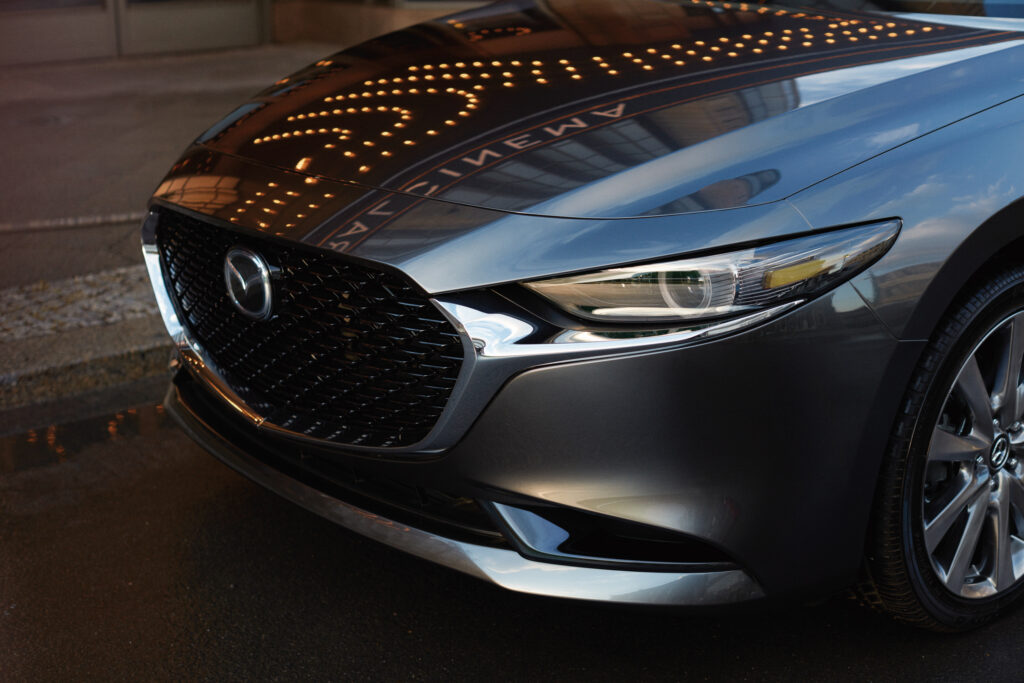
None of these alternatives makes the Mazda irrelevant. The Mazda3’s argument is its premium cabin, available all-wheel drive, conventional six-speed automatic and optional manual hatchback.
But the right choice depends on what happens on the average Tuesday, not what looks impressive on the specification sheet.
A long-distance commuter should calculate fuel costs. Parents should install their child seats before buying. Anyone who drives through winter weather should compare tire choices and drivetrain options. And drivers who rarely carry passengers should ask whether they really need a larger car at all.
Final Verdict: Buy the Mazda3, but Buy the Right One
The 2026 Mazda3 makes a credible case for spending less than $30,000 on a compact car without feeling as though you have bought the cheapest thing on the dealership lot.
Its standard engine is substantial, the cabin is carefully designed and the safety results are impressive.
The rear-seat limitations are real. So is the absence of a hybrid. Neither is likely to disappear through the magic of choosing a more expensive trim.
For buyers who usually travel alone or with one passenger, I would put the Mazda3 Preferred sedan near the top of the shopping list. Those who want more cargo flexibility should consider the Preferred hatchback.
Driving enthusiasts may find the manual hatchback irresistible, while the turbo appeals to someone prepared to pay considerably more for extra performance.
But my money would stay with the Preferred.
A good car does not become a better purchase merely because the salesperson has found another $10,000 worth of equipment to put on it.
2026 Mazda3 Frequently Asked Questions
Is the 2026 Mazda3 worth buying?
Yes, particularly in the Preferred sedan and hatchback trims. The Mazda3 offers a well-equipped interior, a standard 186-horsepower engine and strong independent safety ratings. Its greatest weaknesses are limited rear-seat space and the absence of a hybrid option. Buyers who rarely use the back seat are likely to find its compromises easier to accept.
Does the 2026 Mazda3 have all-wheel drive?
Yes. Mazda offers standard i-Activ all-wheel drive on the Carbon Edition and Turbo Premium Plus versions. Other trims use front-wheel drive. All-wheel drive can help with traction in challenging conditions, but it does not replace suitable tires, increase braking grip on ice or eliminate the need for careful driving.
How much horsepower does the Mazda3 Turbo have?
The turbocharged 2.5-liter four-cylinder produces 227 horsepower and 310 pound-feet of torque on regular 87-octane gasoline. With 93-octane premium fuel, Mazda quotes 250 horsepower and 320 pound-feet. The higher figures require the specified premium fuel. Turbo Premium Plus models also include all-wheel drive and a six-speed automatic transmission.
Is the Mazda3 hatchback practical for dogs?
The hatchback provides 20.1 cubic feet of cargo space behind the rear seats, making it more flexible than the sedan for carrying luggage and ordinary equipment. Large dogs and safety crates require additional consideration. Check the dimensions of the hatch opening, cargo floor and secured crate space before purchasing. A compact hatchback may not be appropriate for transporting several large dogs.
Is the Mazda3 safer than the Honda Civic?
The 2026 Mazda3 sedan and hatchback earned the IIHS Top Safety Pick+ award, while the 2026 Civic hatchback earned Top Safety Pick. Those award distinctions are relevant, but they should not be treated as a complete prediction of how two vehicles will perform in every real collision. Compare the underlying test results, vehicle configurations and standard safety equipment.
Which 2026 Mazda3 is the best value?
The 2.5 S Preferred sedan is the strongest value choice in this analysis. Its $27,290 starting MSRP buys heated seats, a moonroof, a power driver’s seat with memory and the standard 186-horsepower engine. The Preferred hatchback costs $28,640 before destination and is the better choice if additional cargo flexibility matters more than the lowest purchase price.