Tesla Robotaxis Are Moving Far Slower Than Musk Promised
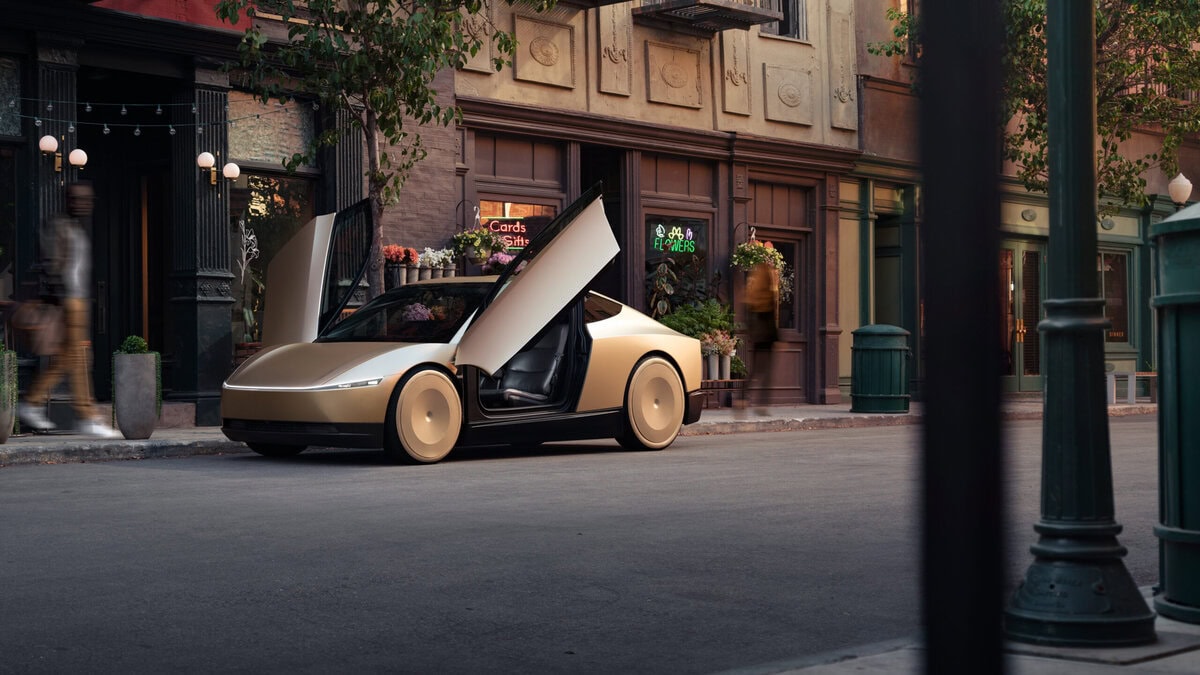
Tesla Robotaxis are carrying paying passengers and driving without an in-vehicle safety monitor in several markets. They are also arriving far more slowly and on a much smaller scale than Elon Musk suggested. The gap matters because Tesla increasingly asks investors to value it as an artificial-intelligence and autonomous-mobility company, not merely an electric-car manufacturer.
Musk said in 2025 that Tesla’s robotaxi network would expand at a “hyper-exponential rate” and reach half of the U.S. population by year’s end. That did not happen. Tesla later outlined plans to expand into seven additional metro areas by the end of June 2026, but several launches remained limited or unfinished.
Tesla’s latest update shows progress. Paying customers have accumulated about 2.5 million Robotaxi miles, including roughly 380,000 miles without an in-vehicle safety monitor. Yet the service remains restricted, and an analyst on Tesla’s earnings call questioned why the fleet was still measured in dozens of vehicles instead of hundreds.
Tesla Robotaxis Face a Scale Problem
Tesla’s official quarterly update lists unsupervised operations ramping in Austin, Dallas, Houston, Miami, Orlando and Tampa. Its San Francisco Bay Area operation still uses a safety driver, while Phoenix and Las Vegas were listed as being prepared for future service.
That is broader than the Austin pilot Tesla launched in June 2025, but it is not the nationwide network Musk described. A service can technically operate in a metro area while remaining unavailable to many residents. Geofenced neighborhoods, restricted hours, shortages and long waits can make a city launch feel like a public beta test.
Tesla executives now sound more careful. They have pointed to different regulations in each city, plus software and operational problems that must be solved before expansion. That is sensible for safety. It is also closer to the deliberate city-by-city model Tesla once contrasted with its promised general solution.
Waymo Has a Massive Mileage Lead
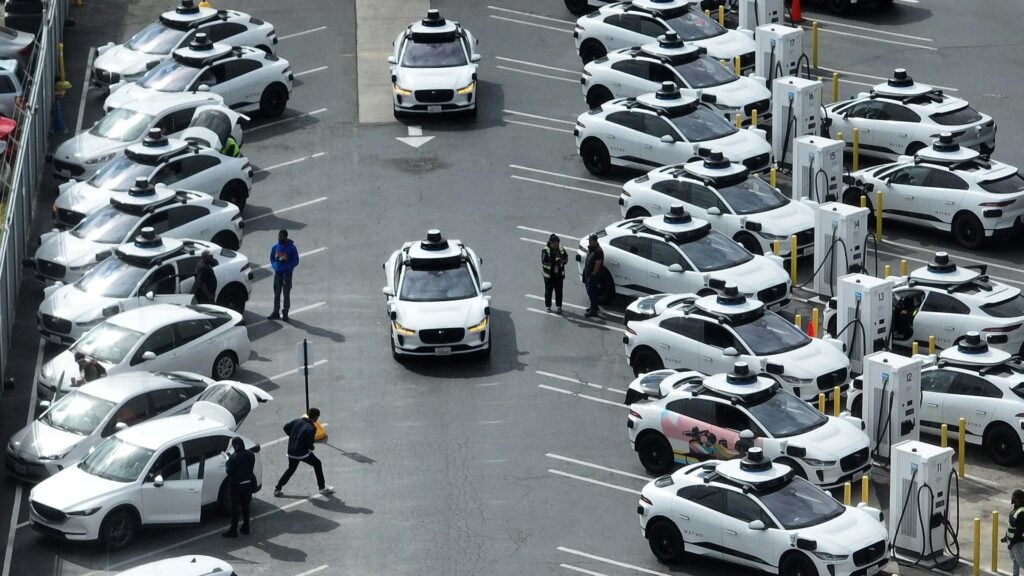
The clearest comparison is mileage, although the numbers are not perfectly equivalent. Tesla’s 2.5 million paid miles include rides with different levels of human oversight. Waymo’s safety dashboard reported 220.6 million rider-only miles without a human driver through March 2026.
Tesla’s approximately 380,000 unsupervised miles represent less than one percent of Waymo’s rider-only total. Waymo also says its vehicles are driving more than 4 million fully autonomous miles each week. Tesla could accelerate quickly, but the current distance is a lead built through years of cautious deployment.
The comparison does not prove Tesla’s camera-based strategy will fail. Tesla argues that lower-cost hardware and its large consumer fleet could support faster expansion. The awkward word remains “eventually,” which has carried much of the robotaxi story for nearly a decade.
Cybercab Production Is Not Deployment
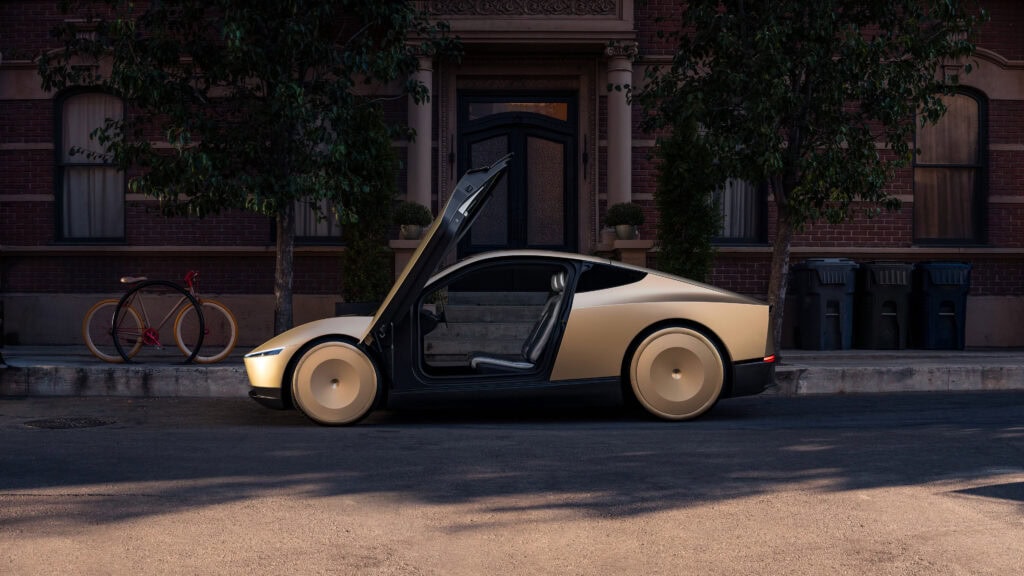
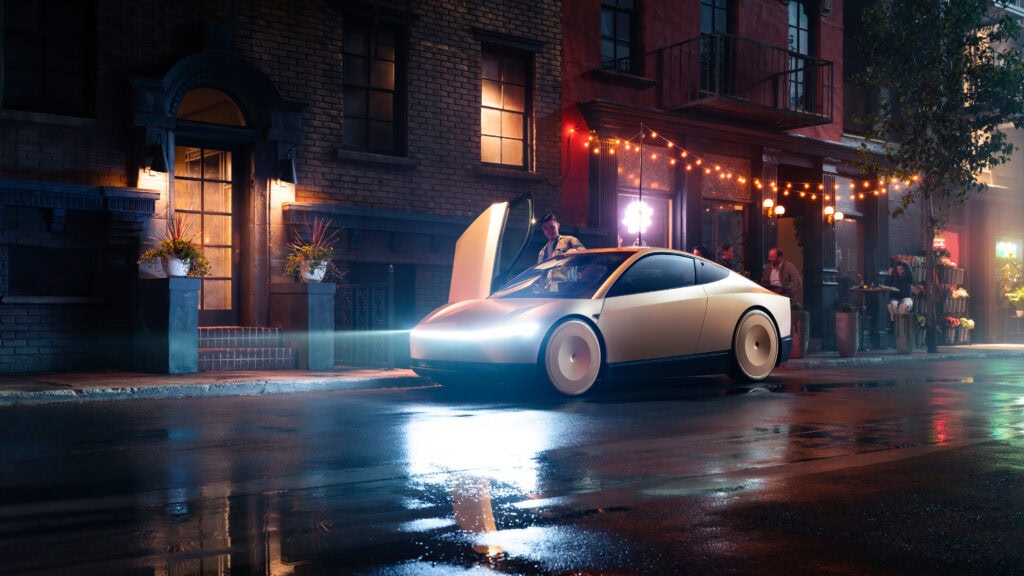
Tesla says it has begun producing Cybercab, its purpose-built autonomous vehicle, and started engineering test drives on public roads. Employee rides have also begun at Gigafactory Texas. Those are meaningful milestones, but Cybercab is not yet the vehicle ordinary Robotaxi customers should expect. The fleet continues to rely primarily on Model Y vehicles.
Building a vehicle is one challenge. Deploying it safely, cleaning it, charging it, supporting passengers and satisfying regulators is another business entirely. Robotaxis require advanced software, but they also require the unglamorous competence of a taxi company.
What Tesla Robotaxi Customers Should Watch
Tesla shares fell about 13% after the earnings update as investors reacted to weaker profit and the absence of new robotaxi expansion targets. The response suggests demonstrations are no longer enough. Investors want evidence that Tesla can turn autonomy into a repeatable commercial service.
For consumers, the test is simpler. Ignore national population promises and check whether the service covers your neighborhood, arrives reliably and completes ordinary trips without unusual restrictions. Tesla Robotaxis are no longer imaginary. They are simply earlier, smaller and more geographically constrained than Musk promised.
The next important milestone will not be another launch map. It will be evidence that hundreds or thousands of vehicles can operate consistently across full metro areas. Until then, Tesla has a robotaxi service, but not yet the robotaxi network that was supposed to change transportation.