London Black Cabs Face Driverless Threat From Uber and Wayve
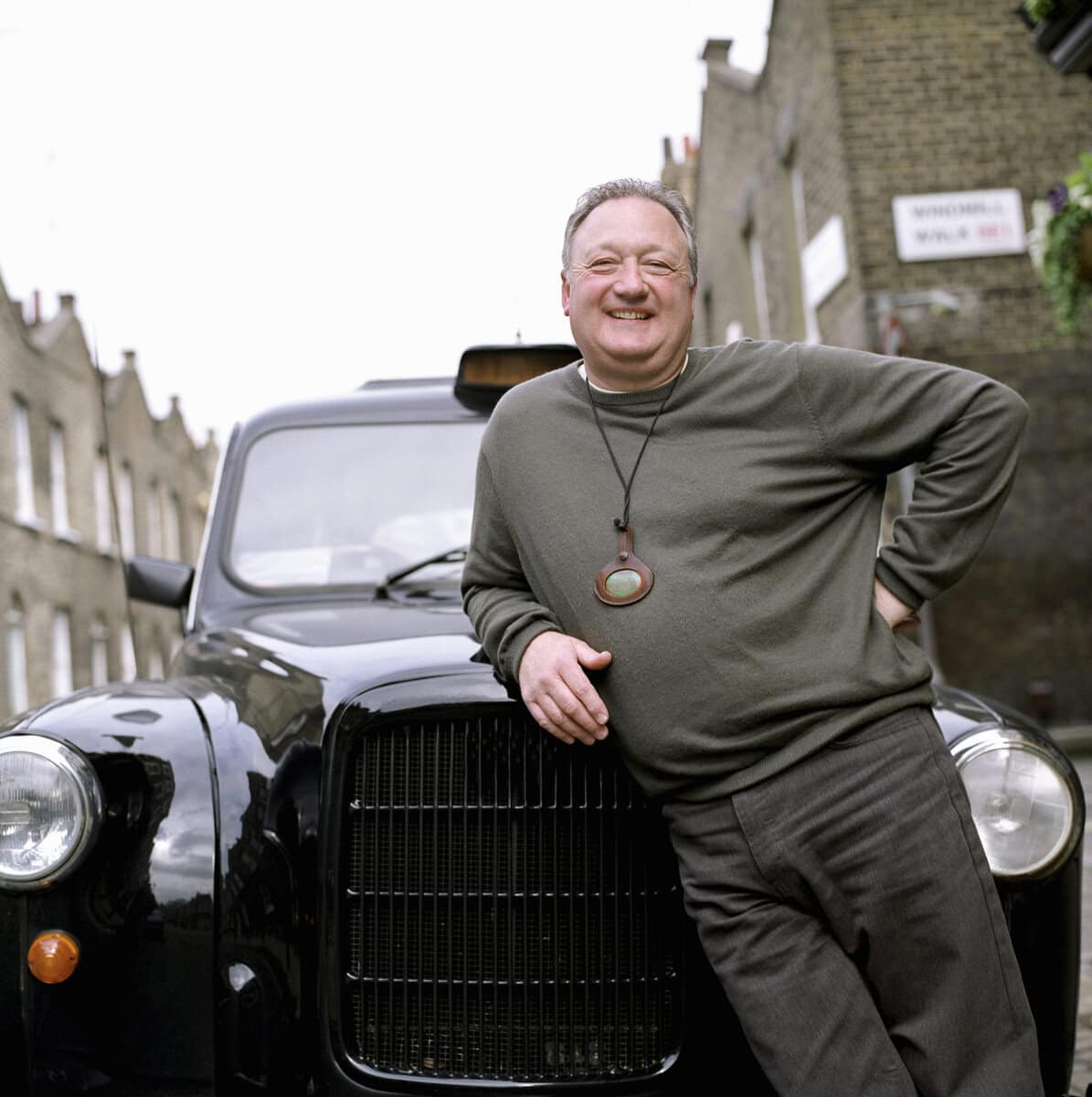
London has always had its own soundtrack. The rumble of red buses, the chime of Underground doors and the unmistakable clatter of a black cab have accompanied generations of residents and visitors.
The vehicles have changed, and thousands of today’s taxis are now capable of zero-emission driving. However, the driver remains central to the experience. London cabbies are navigators, historians, conversationalists and unofficial ambassadors for one of the world’s most complicated cities.
Now artificial intelligence is preparing to take the wheel.
London black cabs are not scheduled to disappear, and no one has announced an end date for human-driven taxis. However, Wayve and Uber are preparing to introduce autonomous passenger rides in selected parts of London, creating a genuine question about the profession’s future.
The change reflects a much broader transformation in automotive technology, as explored in how smart technology is reshaping modern cars.
London Black Cabs Require Years of Training
Becoming a licensed London taxi driver requires far more than passing an ordinary driving test.
Drivers seeking an All London licence must complete the Knowledge of London, an extraordinarily detailed study of the capital’s streets, routes and landmarks. Transport for London says mastering it typically takes three to four years.
Candidates study 320 routes, known as runs, within a six-mile radius of Charing Cross. They must also learn the streets and landmarks surrounding the beginning and end of each route.
After a written examination, candidates attend demanding one-to-one oral assessments known as appearances. They must describe the shortest routes between locations without relying on satellite navigation.
That training helps explain why cabbies can navigate around closed roads, demonstrations, construction and traffic without simply following an app. It also creates a connection between passenger and driver that is difficult to measure on a technology specification sheet.
Autonomous vehicles may also create unexpected economic consequences for cities, as examined in our report on how driverless cars could legally cost cities money.
London’s Traditional Taxi Trade Is Shrinking
The arrival of robotaxis is not the first challenge facing London black cabs.
According to Transport for London licensing figures, the city had 15,853 licensed taxi drivers and 13,571 licensed taxi vehicles for the week ending July 12, 2026.
During the 2016–2017 reporting year, London had 24,487 licensed taxi drivers. That means the number has fallen by more than one-third in less than a decade.
Competition from private-hire apps, rising operating costs, the pandemic and an aging driver population have all contributed to the decline.
The traditional cab also remains particularly important for accessibility. Licensed London taxis are wheelchair accessible, and their drivers have legal responsibilities to assist disabled passengers and passengers traveling with assistance dogs.
Other automakers are also preparing for the robotaxi market. Rivian, for example, has outlined plans that could turn the Rivian R2 into a robotaxi platform beginning in 2028.
Wayve Is Teaching Artificial Intelligence to Drive
The company at the center of Britain’s robotaxi movement is London-based Wayve.
Wayve is developing an artificial-intelligence driving system designed to learn from real-world data. Its approach is intended to work across different vehicles and locations without depending entirely on high-definition maps or separately programmed instructions for every street.
Wayve is not presenting a dedicated replacement for the traditional black cab. Instead, it is developing driving intelligence that can be installed in vehicles supplied by automakers and operated through mobility platforms.
In February 2026, Wayve announced that it had secured $1.5 billion in capital to support its commercial expansion. That included a $1.2 billion Series D investment round.
Microsoft, Nvidia and Uber participated alongside Mercedes-Benz, Nissan and Stellantis. Wayve says its first commercial robotaxi service with Uber is planned for London, followed by expansion into additional international markets.
Wayve’s approach differs from other autonomous-driving programs, although companies worldwide are pursuing similar goals. Toyota and Waymo, for example, are working together on self-driving taxi technology in Japan.
Uber Is Preparing Autonomous Rides in London
Wayve and Uber initially announced plans to develop public-road trials of Level 4 autonomous vehicles in London. Level 4 refers to vehicles capable of driving without human control within approved operating conditions.
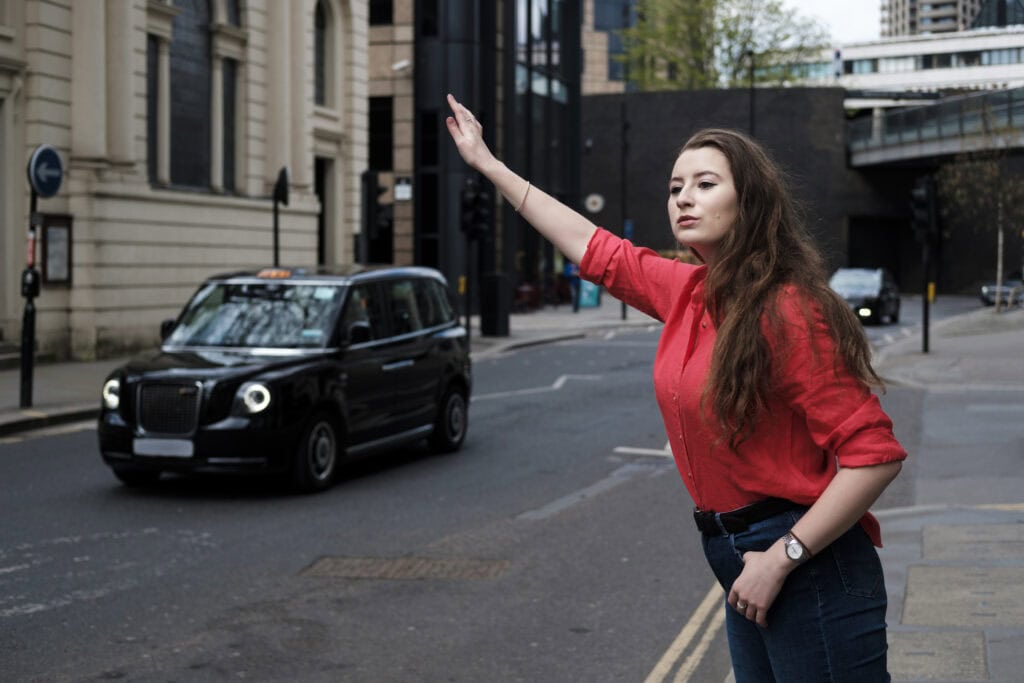
Uber has since opened an interest list for autonomous London rides. The company says passengers may eventually be matched with a Wayve-powered vehicle when requesting eligible Uber services in selected areas.
As of July 20, 2026, Uber describes the public service as coming soon and has not published a precise launch date.
Britain has also established a self-driving vehicle pilot framework that creates a route for approved vehicles to operate without an onboard safety driver.
Operators must still obtain the necessary vehicle approvals, legal orders and passenger-service permits. Commercial expansion will therefore depend on regulatory authorization, safety assessments and local oversight.
The vehicles may look more conventional than futuristic. Wayve says its system can operate in mass-produced vehicles equipped with the necessary cameras, sensors and onboard computing equipment.
Similar systems are already moving beyond basic adaptive cruise control. Lucid, for example, has entered the expanding market for hands-free highway driving technology.
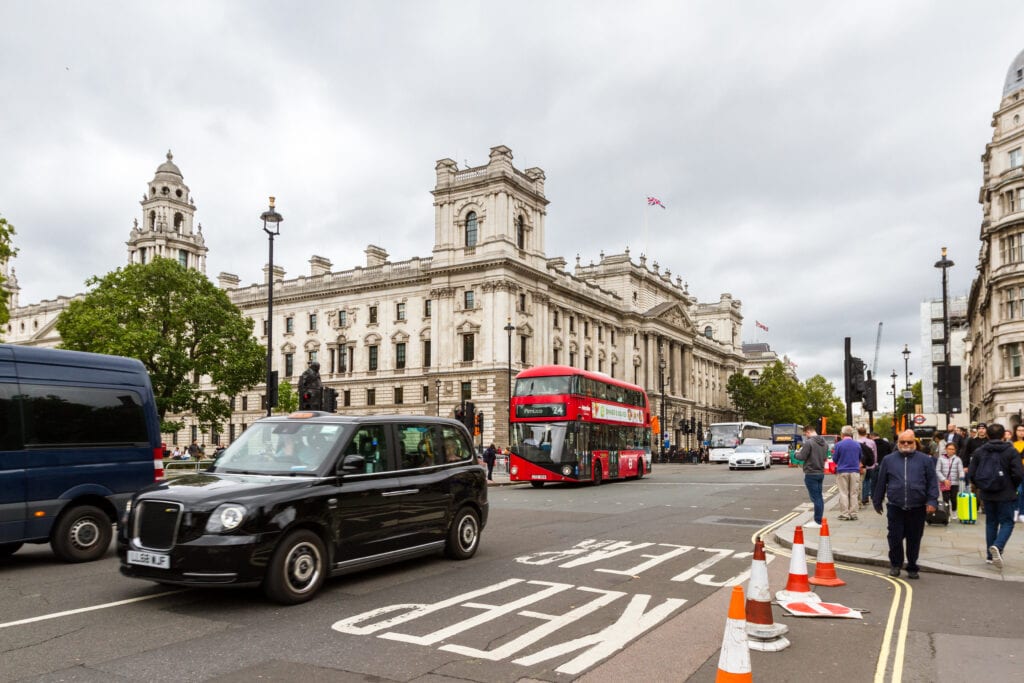
Can a Robotaxi Replace a London Cabbie?
A driverless taxi may eventually calculate routes quickly, monitor its surroundings continuously and operate without becoming tired. It could also provide more consistent availability and give some passengers greater privacy.
What it cannot easily reproduce is the human part of a London cab ride.
A cabbie knows which theater has just emptied, where a protest has blocked traffic and whether a passenger needs reassurance rather than the mathematically quickest route. That value becomes especially clear to tourists, older passengers and anyone traveling through London during disruption.
The streets of London are preparing to change. Robotaxis are moving from research projects toward services that ordinary passengers may soon be able to book.
Yet replacing the driver is not the same as replacing the cabbie. London black cabs represent accumulated knowledge, public service and cultural identity. Artificial intelligence may eventually master the streets, but understanding the city could prove considerably harder.