The New Auto Factories Rebuilding America
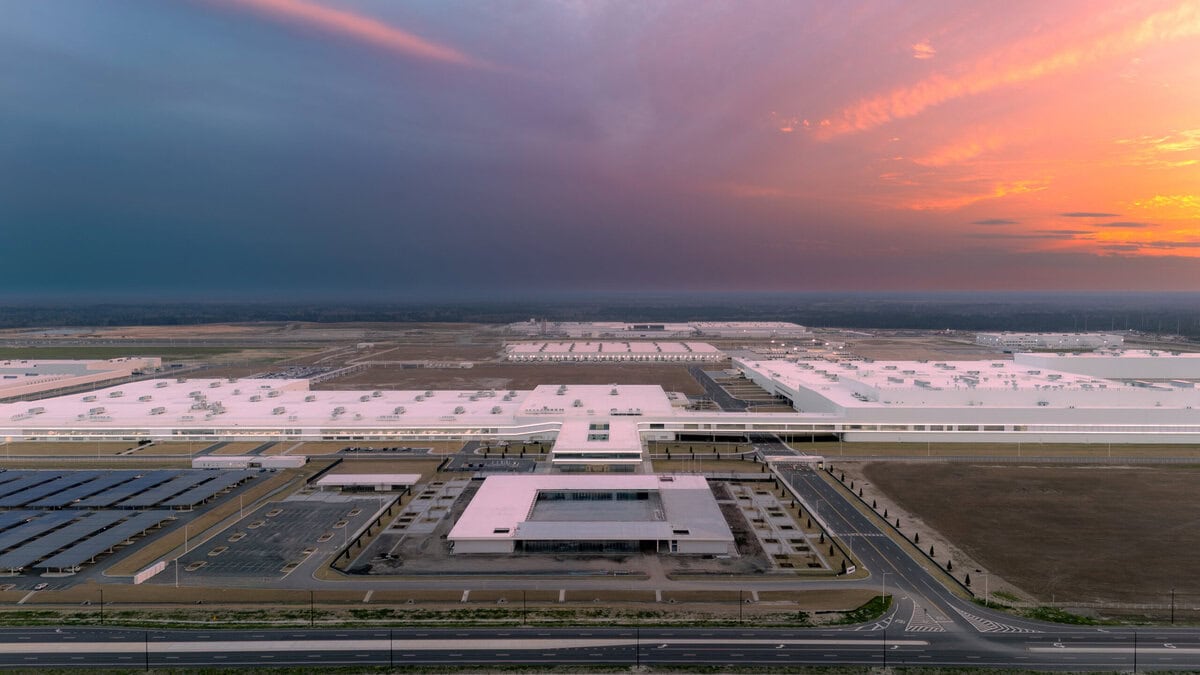
The New Auto Factories Rebuilding America reveals how assembly plants, battery factories, and suppliers are transforming U.S. manufacturing.
These projects matter beyond the number of vehicles coming off the line. A modern auto plant attracts parts makers, logistics companies, construction work, technical schools and thousands of households with dependable incomes. That spending reaches restaurants, housing, healthcare and local tax bases.
China remains the industry’s heavyweight. It produced roughly 34.5 million vehicles in 2025, compared with about 10.2 million in the United States. America is not close to matching that scale, but it remains the world’s second-largest vehicle producer and one of its most profitable markets.
You may also like: The Most American Cars? Not Who You Think
America’s Factory Boom Has Several Winners
There is no single winner because the answer changes with the measurement. Toyota’s $13.9 billion battery plant in North Carolina is the largest investment in one new automotive manufacturing facility. Tesla’s Texas factory reported 16,506 workers in 2025, giving it the largest direct workforce among major greenfield vehicle plants opened during the decade.
Hyundai Motor Group has made the broadest current commitment. It plans to invest $26 billion in the United States from 2025 through 2028 across vehicles, steel, robotics and advanced manufacturing. Its Georgia operations also present one of the strongest examples of a factory changing an entire region.
You may also like: Hyundai’s $26B U.S. Investment: New EVs, Hybrids and What It Means for You
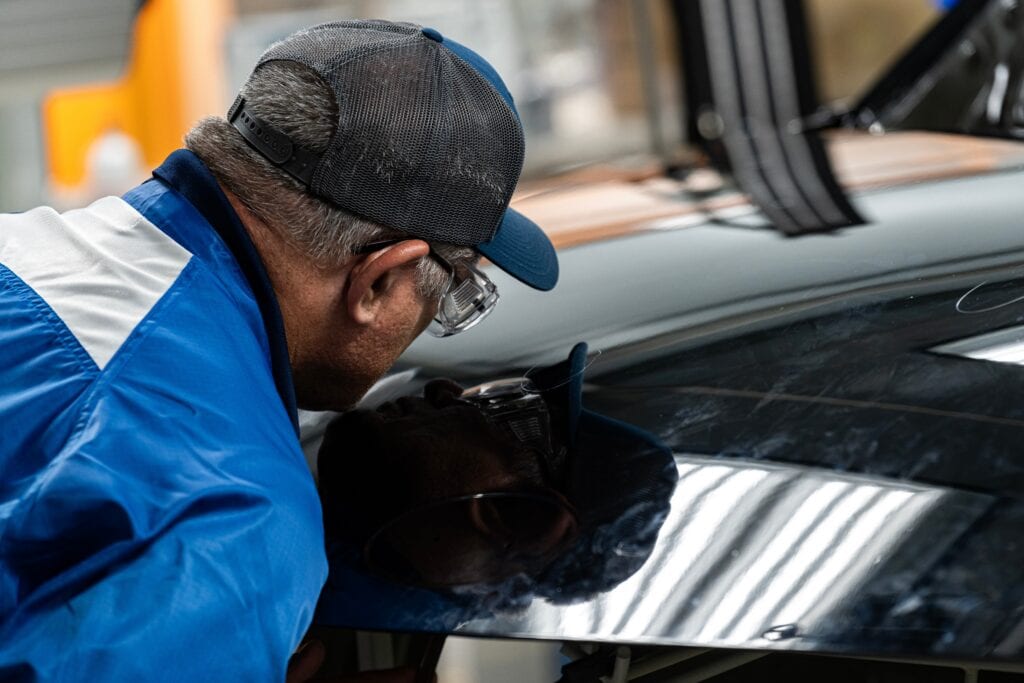
Hyundai Is Creating a Georgia Automotive Corridor
Hyundai Motor Group Metaplant America near Savannah anchors a Georgia manufacturing program valued at $12.6 billion. Hyundai plans to raise annual capacity to 500,000 vehicles and expects 8,500 jobs at the site by 2031.
The larger effect is already spreading. Hyundai says suppliers had announced more than $2.5 billion in additional investment and about 6,900 jobs across 12 Georgia counties by the end of 2024. The group estimates its Georgia investments could support nearly 40,000 direct and indirect jobs and generate $4.6 billion in individual earnings each year.
That is the difference between opening a factory and building an economic corridor.
You may also like: Kia Is Thinking Outside the Box in America
Kia and Genesis Make the Investment More Flexible
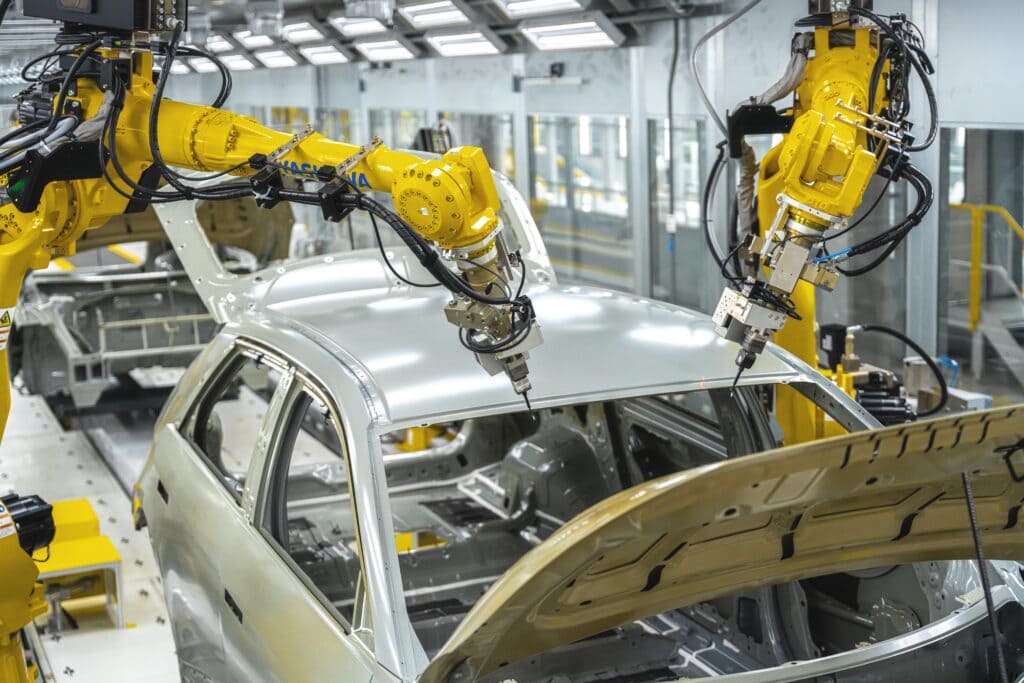
Hyundai’s advantage is that its American manufacturing system serves three brands. Kia builds vehicles in West Point, Georgia, including the Telluride, Sorento, Sportage and EV9. Genesis produces the GV70 in Montgomery, Alabama, bringing the luxury brand into the same Southern manufacturing network.
The new Georgia Metaplant can support Hyundai, Kia and Genesis products as demand changes. It can also balance electric and hybrid production rather than depending on one powertrain. For shoppers, that flexibility can mean better inventory, shorter shipping routes and less exposure to sudden trade disruptions.
You may also like: Built in the USA: BMW XM Label Flexes American Muscle
BMW Shows What Long-Term Investment Can Do
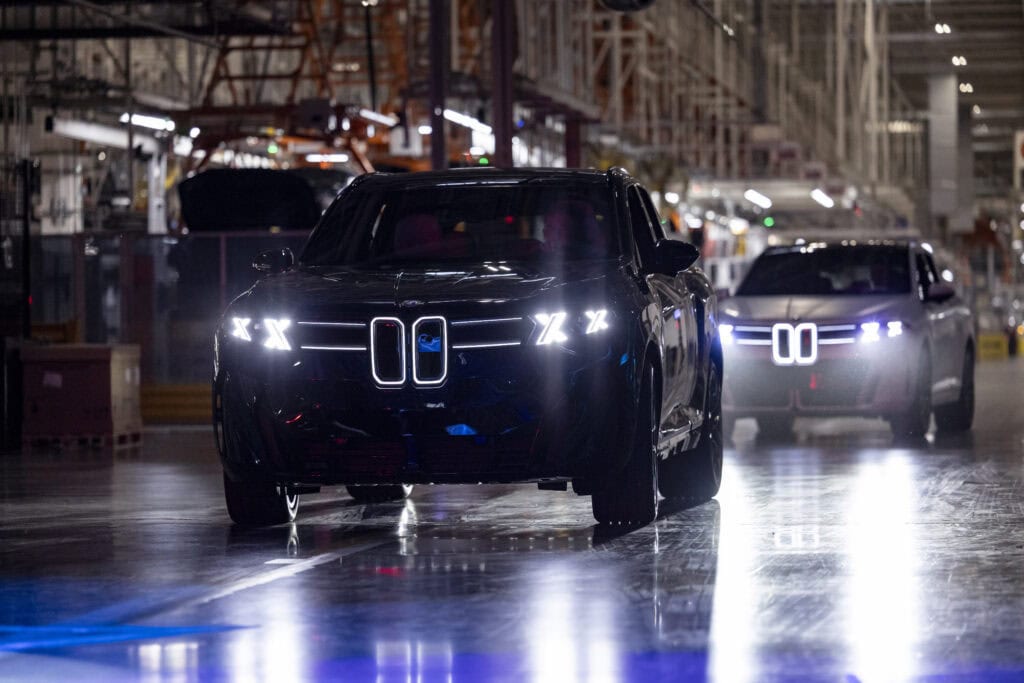
BMW’s Spartanburg plant is older than this 10-year factory boom, but its expansion shows what happens when an automaker keeps reinvesting. BMW recently completed a South Carolina program valued at $1.7 billion that expanded Spartanburg and added the Woodruff battery assembly plant.
A University of South Carolina study estimated BMW’s statewide annual economic impact at $26.7 billion, supporting 42,935 direct and indirect jobs and $3.1 billion in wages. In 2025, Spartanburg built 412,799 BMW X models, with approximately half exported to nearly 120 countries.
You may also like: German Automakers Rethink Their U.S. Game Plan
America Can Compete Without Matching China’s Volume
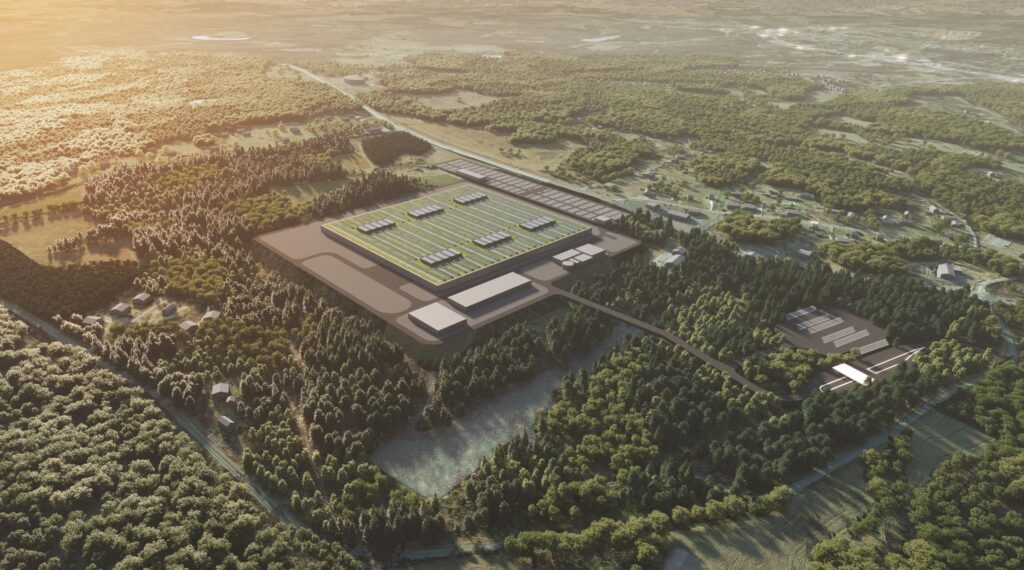
China’s scale, battery supply chain and fast product-development cycles will be difficult to beat. The latest global production data makes that advantage clear. Tariffs alone will not solve the problem. America needs productive factories, skilled workers, strong ports and plants flexible enough to build the vehicles buyers actually want.
The past decade suggests that rebuilding is underway. Hyundai, Kia, Genesis and BMW are foreign-owned brands, but their American plants employ American workers, support American suppliers and export American-built vehicles. The badge on the grille matters less than where the investment lands and where the paychecks are spent.
America may not regain the overwhelming production dominance it once held. It can still become the world’s most valuable, flexible and globally connected automotive manufacturing base. These factories are putting the country back on that track.