Car Maintenance: What Happens When You Skip It
By Robert R Guio
Car maintenance is easy to postpone because a vehicle can seem healthy right up until it isn’t. The engine starts, the dashboard stays quiet, and the brakes still stop the car. Delaying service can feel harmless when life is busy, and the repair shop is hardly anyone’s favorite destination.
Most mechanical trouble develops quietly. Oil becomes contaminated, brake material wears away, tires lose pressure, and rubber components harden with age. By the time a warning arrives, a modest service may have become an expensive repair.
Regular maintenance isn’t about replacing everything early or accepting every recommendation at the service counter. It’s about following the schedule for your specific vehicle and handling small problems before they damage expensive parts.
You may also like: Auto Repair Near Me: How to Spot a Shop You Can Trust
Oil Changes Protect More Than the Engine
Engine oil lubricates moving components, carries away heat, and holds contaminants until the filter captures them. As oil ages, it becomes less effective. Stretch the interval too far and sludge, wear or overheating can follow. Turbochargers, timing components and internal bearings are especially unforgiving when lubrication is neglected.
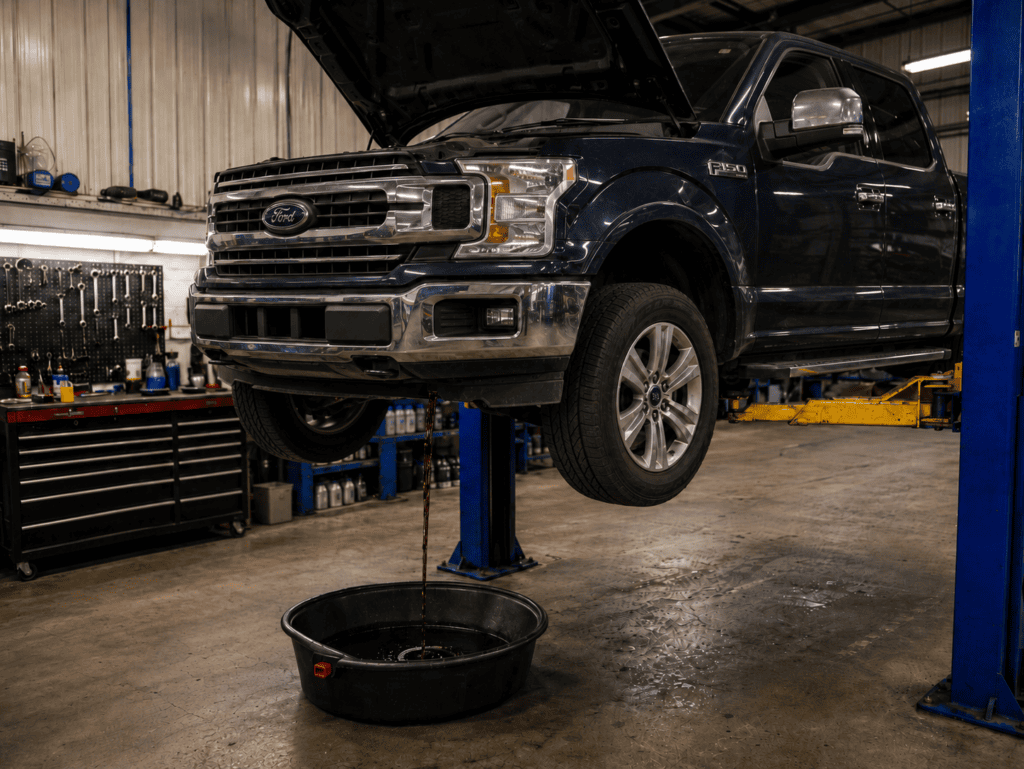
Use the oil grade and interval listed by the manufacturer. Many modern vehicles have oil-life monitors. Short trips, towing, extreme temperatures and long periods of idling may also place a vehicle on a more demanding schedule.
You may also like: 11.6 Million Vehicles Recalled in 2026 What You Must Know
Brakes and Wipers Are Safety Equipment
Brake pads are designed to wear, but they shouldn’t be allowed to disappear. Squealing, grinding, vibration, a soft pedal, or longer stopping distances need attention. Driving after the pad material is exhausted can damage rotors and calipers, turning a routine brake job into a larger bill.
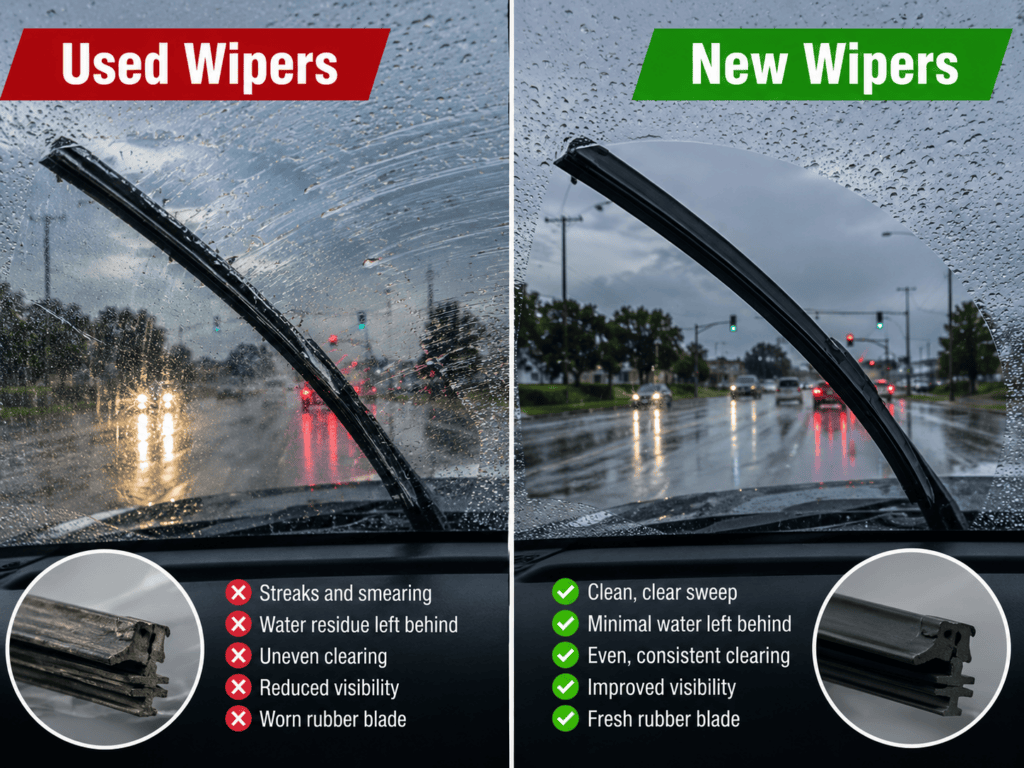
Replace worn windshield wipers before the rainy season, not during the first downpour. Cracked rubber can chatter, smear water and leave parts of the windshield unclear. Check washer fluid, defrosters and exterior lights at the same time. Visibility is not a convenience feature.
You may also like: I Replaced My EV Tires and It Transformed the Drive
Tires and Wheel Alignment Prevent Bigger Bills
Check tire pressure when the tires are cold and inspect tread for cuts, bulges and uneven wear. Underinflation creates heat and can worsen handling, while worn tread reduces wet-road grip. Rotate the tires according to the vehicle’s schedule unless the design prevents rotation.
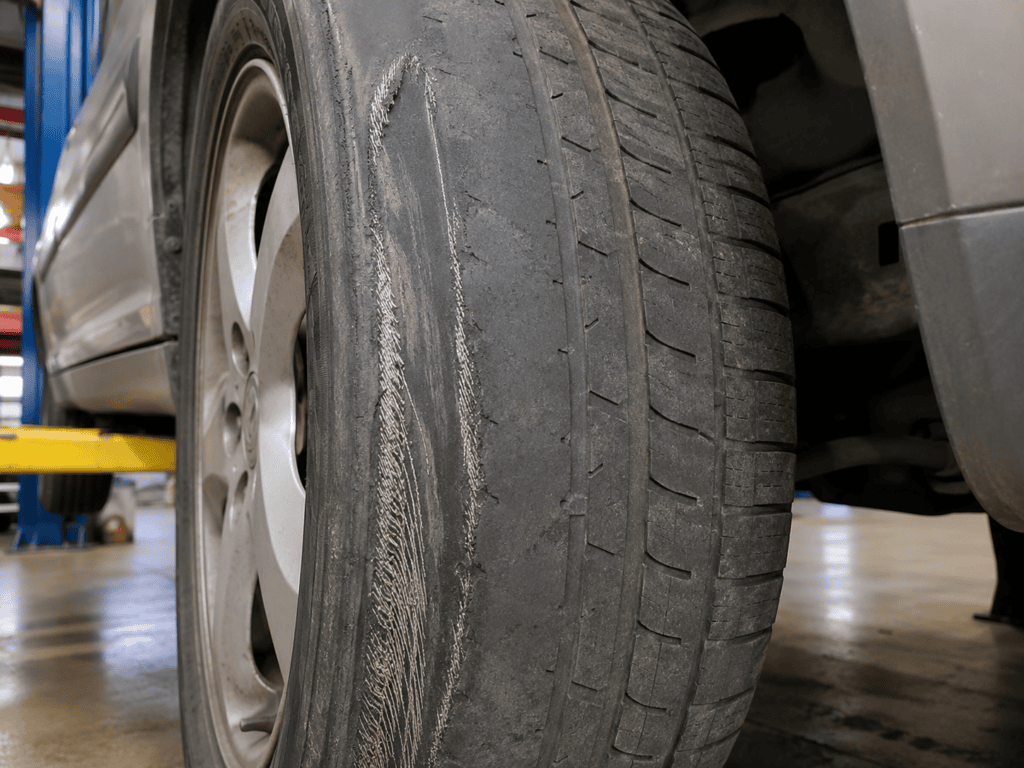
A wheel alignment may be needed when the car pulls, the steering wheel sits off-center or the tires wear heavily on one edge. Potholes and curb strikes can knock alignment out. Ignoring it can ruin a healthy set of tires and make the vehicle less predictable during emergency maneuvers.
You may also like: These Cars Could Make You Money Instead of Losing It
Follow Your Vehicle’s Specific Service Schedule
Not every car needs the same work. Gasoline vehicles may require spark plugs, belts, coolant, transmission fluid and filters. Diesels can add fuel filters and emissions-system requirements. Hybrids still have combustion engines plus electrical systems. Electric vehicles skip engine oil changes but still need tires, brakes, cabin filters, cooling system inspections, and model-specific checks.
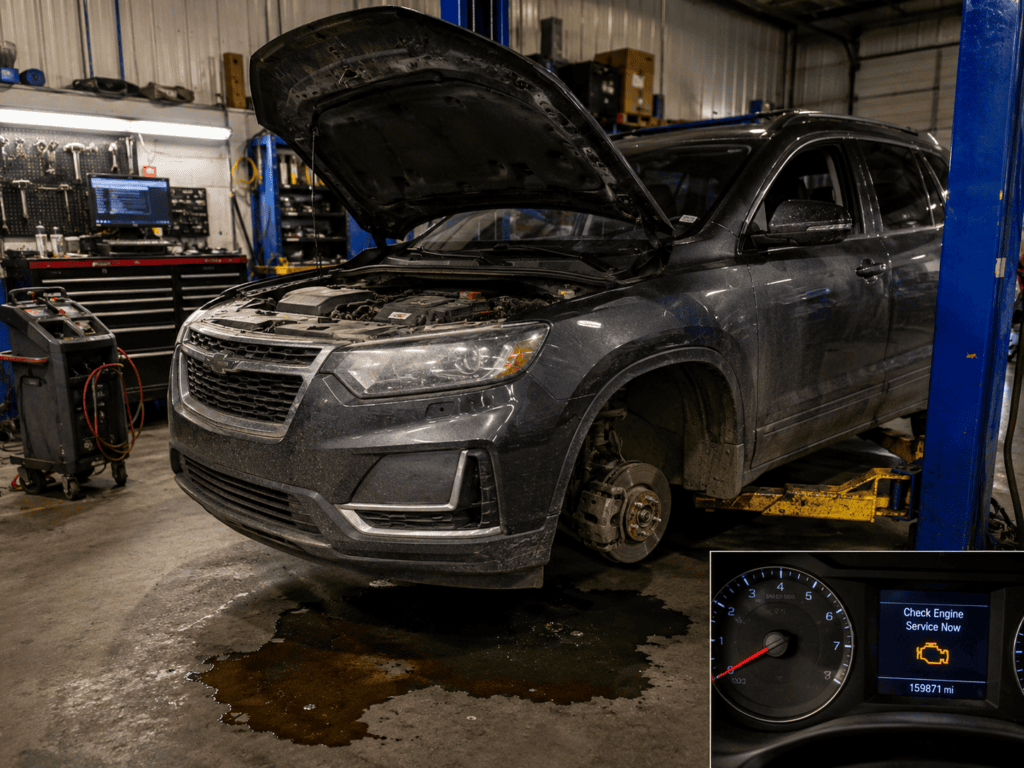
The owner’s manual and manufacturer service schedule should be the starting point. Keep records, ask why a service is recommended, and separate scheduled maintenance from optional add-ons. Check for open recalls, too, because the manufacturer generally completes safety repairs at no charge.
You may also like: These Cars Are America’s Biggest Value Losers
Small Service Costs Beat Large Repair Bills
Deferred maintenance rarely saves money; it shifts the bill into the future and adds risk. Old coolant can contribute to overheating. Neglected brake fluid can absorb moisture. A weak battery can leave you stranded, while minor leaks can become major failures when fluid levels fall.
The sensible approach is neither panic nor perfection. Build maintenance into the cost of ownership, inspect the vehicle before seasonal weather changes and respond when it begins sounding, feeling, or smelling different. A well-serviced car is safer, more dependable and easier to sell. More importantly, it is less likely to turn an ordinary morning into a tow-truck appointment.