America’s Cars Have Lost Their Color

America’s cars have lost their color as white, black, gray, and silver dominate the road, changing how shoppers buy and sell.
Walk through almost any parking lot in America, and the pattern is hard to miss. The country that once bought red coupes, green SUVs, gold sedans, and blue family cars now mostly drives in grayscale.
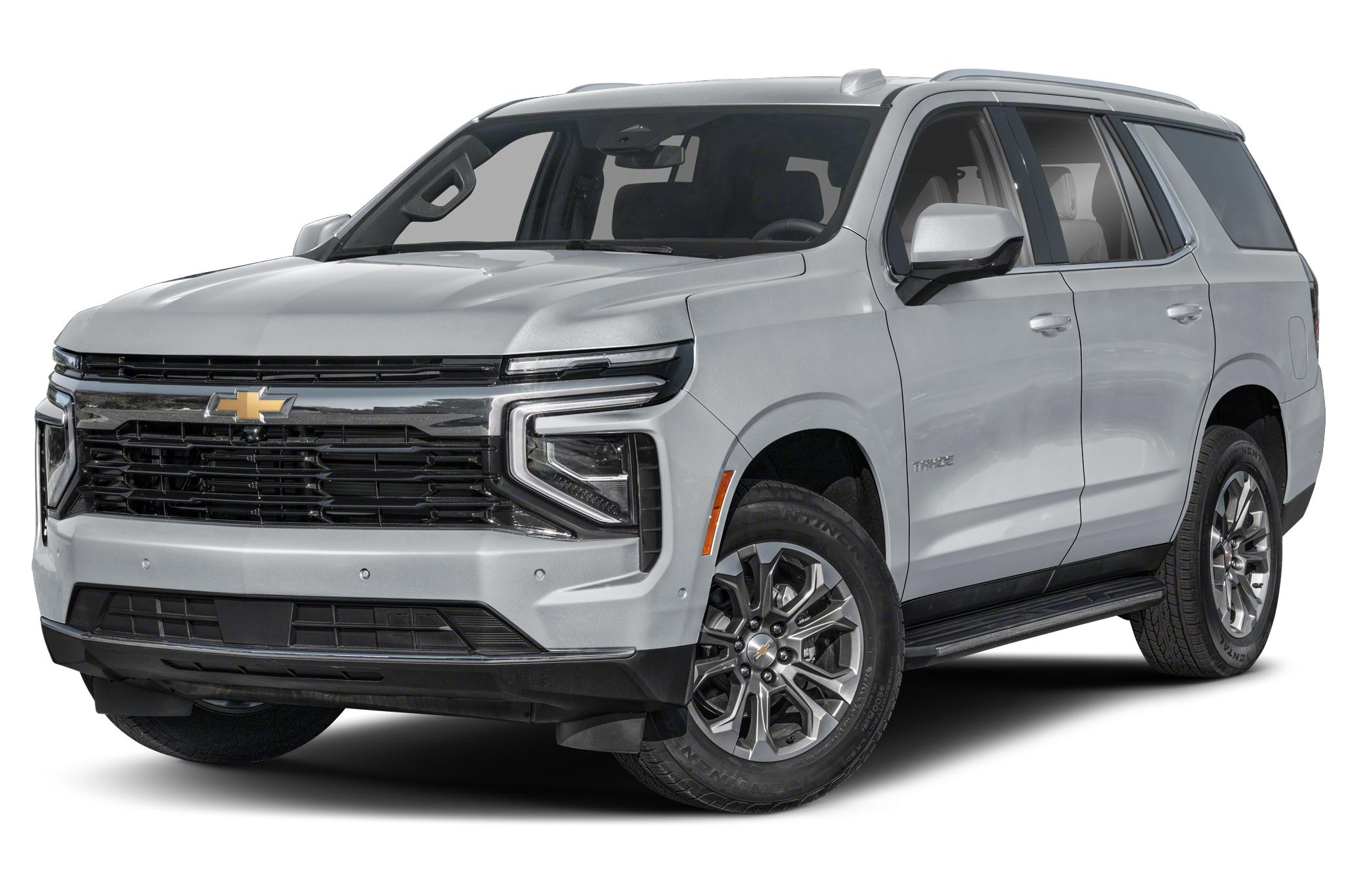
White, black, gray, and silver have taken over the road, and new data from iSeeCars puts numbers behind what your eyes already suspected. White is now the most popular car color in America, with 25.7 percent market share. Black follows at 23.4 percent. Gray is right behind at 22.9 percent.
Put those three together and they account for 72 percent of today’s car market. Add silver, and grayscale colors now make up 80.4 percent of vehicles, up from 47.3 percent in 1996. That is not just a design trend. It is a cultural shift.
You may also enjoy: 2026 Subaru Outback Resale Value: Why It Stays Strong
Why White, Black, and Gray Took Over
The rise of grayscale did not happen all at once. According to the iSeeCars study, silver grew early, climbing from 7.3 percent in 1996 to about 19 percent in the mid-2000s before falling back to 8.4 percent in 2025.
Gray took a different path. It kept growing, rising from just 3.6 percent in 1996 to 22.9 percent in 2025. Black also grew substantially, while white remained a long-running favorite and gained more strength starting around the 2010 model year.
The practical reason is simple. Neutral colors feel safer. They tend to offend fewer shoppers, work across more vehicle types, and look acceptable on everything from a compact sedan to a luxury SUV. Dealers like colors that appeal to the broadest audience. Buyers often think about resale before they think about personality.
That creates a loop. Shoppers see mostly white, black, and gray vehicles on lots. Dealers order more of them. Automakers offer more of them. Then shoppers see even fewer colorful choices.
You may also enjoy: These Cars Are America’s Biggest Value Losers
The Red and Green Collapse Is the Real Story
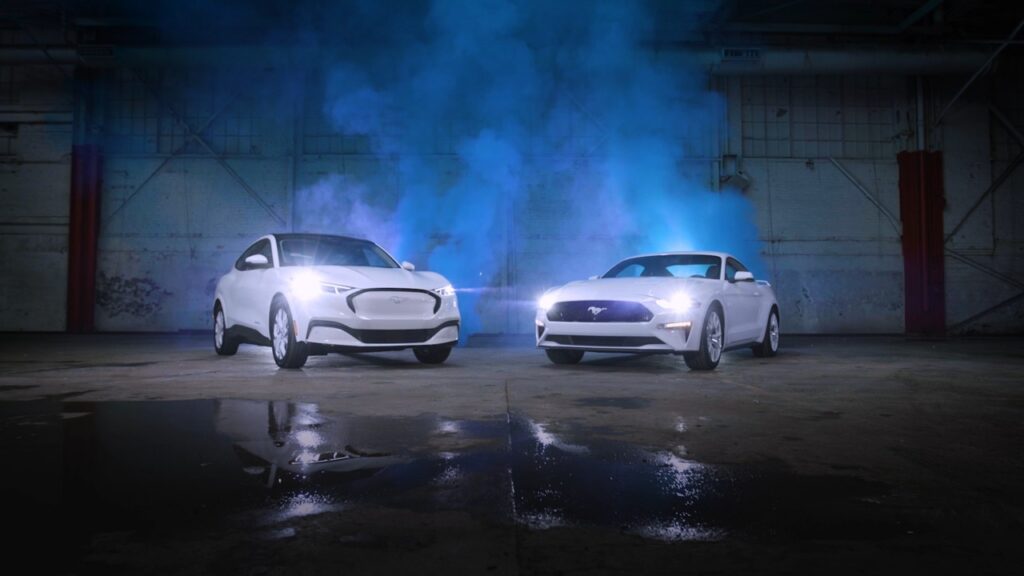
The most emotional part of the data is not the rise of white or gray. It is the fall of red and green.
In 1996, red held 20.1 percent of the market. By 2025, it had fallen to 7.0 percent. Green dropped even harder, from 13.4 percent to just 2.2 percent. Together, red and green went from 33.5 percent of the market to only 9.2 percent.
That matters because red and green used to give American roads character. Red suggested performance, confidence, or at least a little attitude. Green once felt right at home on SUVs, wagons, and family vehicles. Today, both colors have been pushed to the margins.
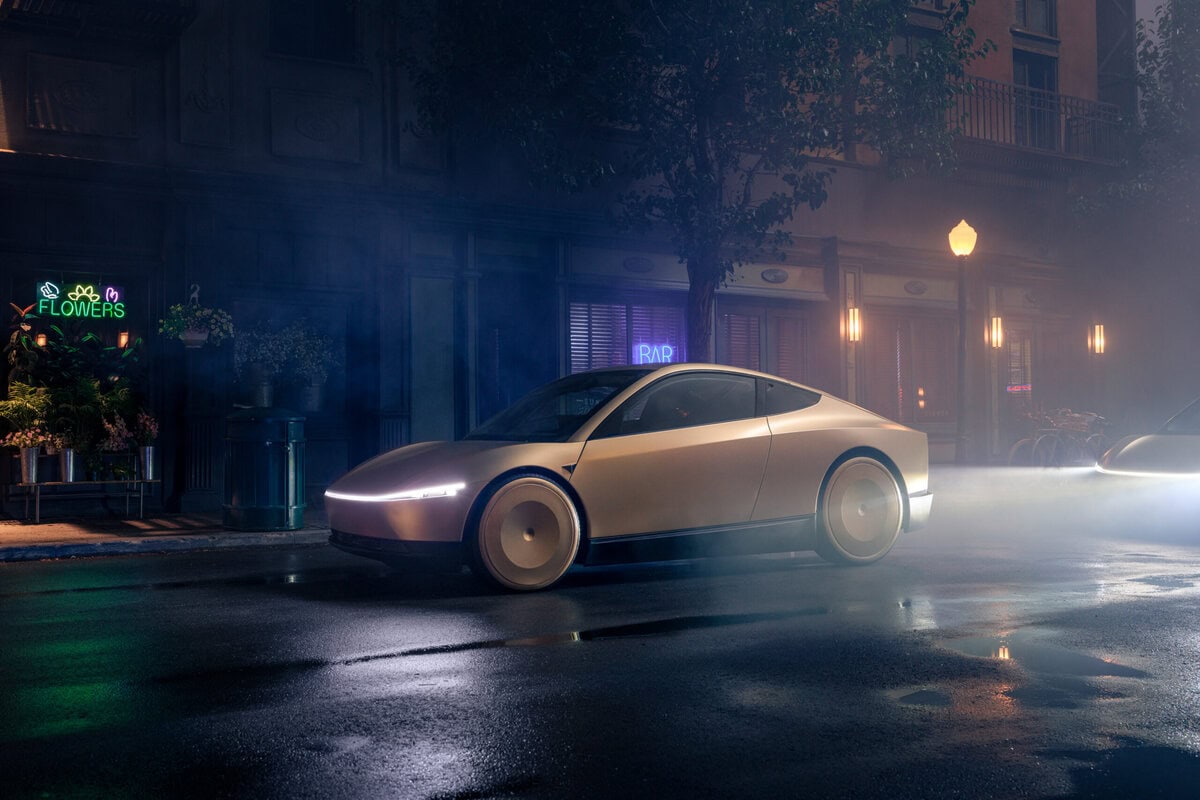
Gold, purple, brown, beige, and yellow have nearly disappeared as mainstream choices. Orange is the rare exception among non-grayscale colors, but even it only reaches 0.3 percent market share. In other words, orange technically gained ground, but not enough to make the average parking lot feel any less like a photocopier tray.
You may also enjoy: Best Full-Size Trucks in America for 2026
Trucks and SUVs Have Become the Least Colorful
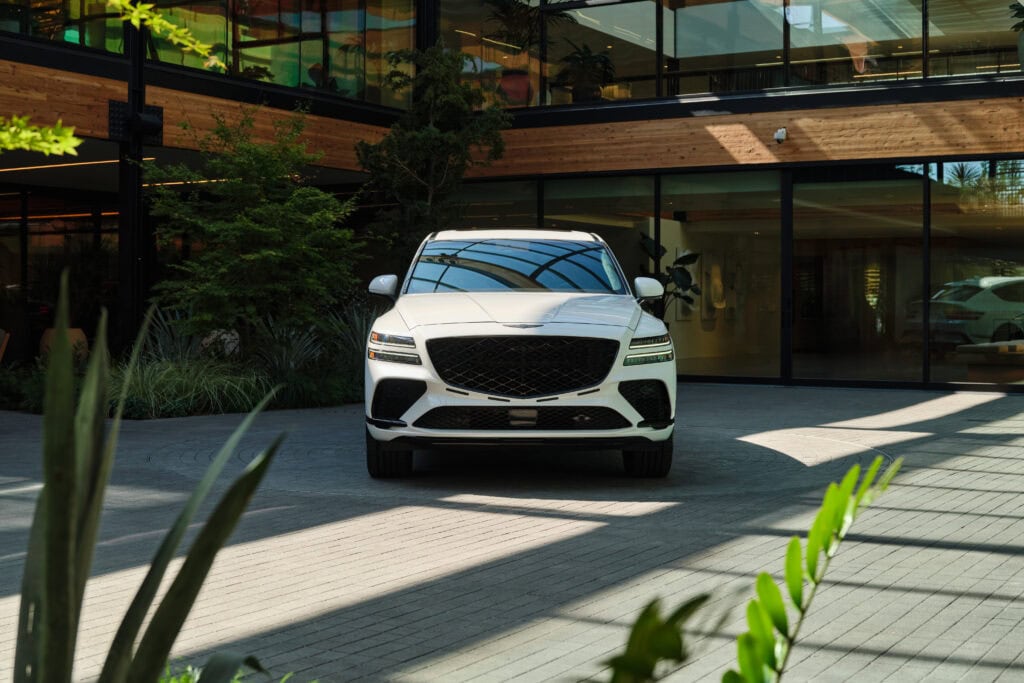
The grayscale takeover is especially obvious in trucks. iSeeCars says grayscale colors now account for 83.5 percent of trucks, up from 43.4 percent in 1996. White alone holds 33.6 percent of the truck market, meaning more than one in three modern trucks is white.
That makes sense, even if it is not very romantic. Trucks often serve work, fleet, family, and business roles. White can look clean, professional, and easy to match. Black adds polish. Gray feels modern. Silver hides dust better than darker colors. The result is practical, but also predictable.
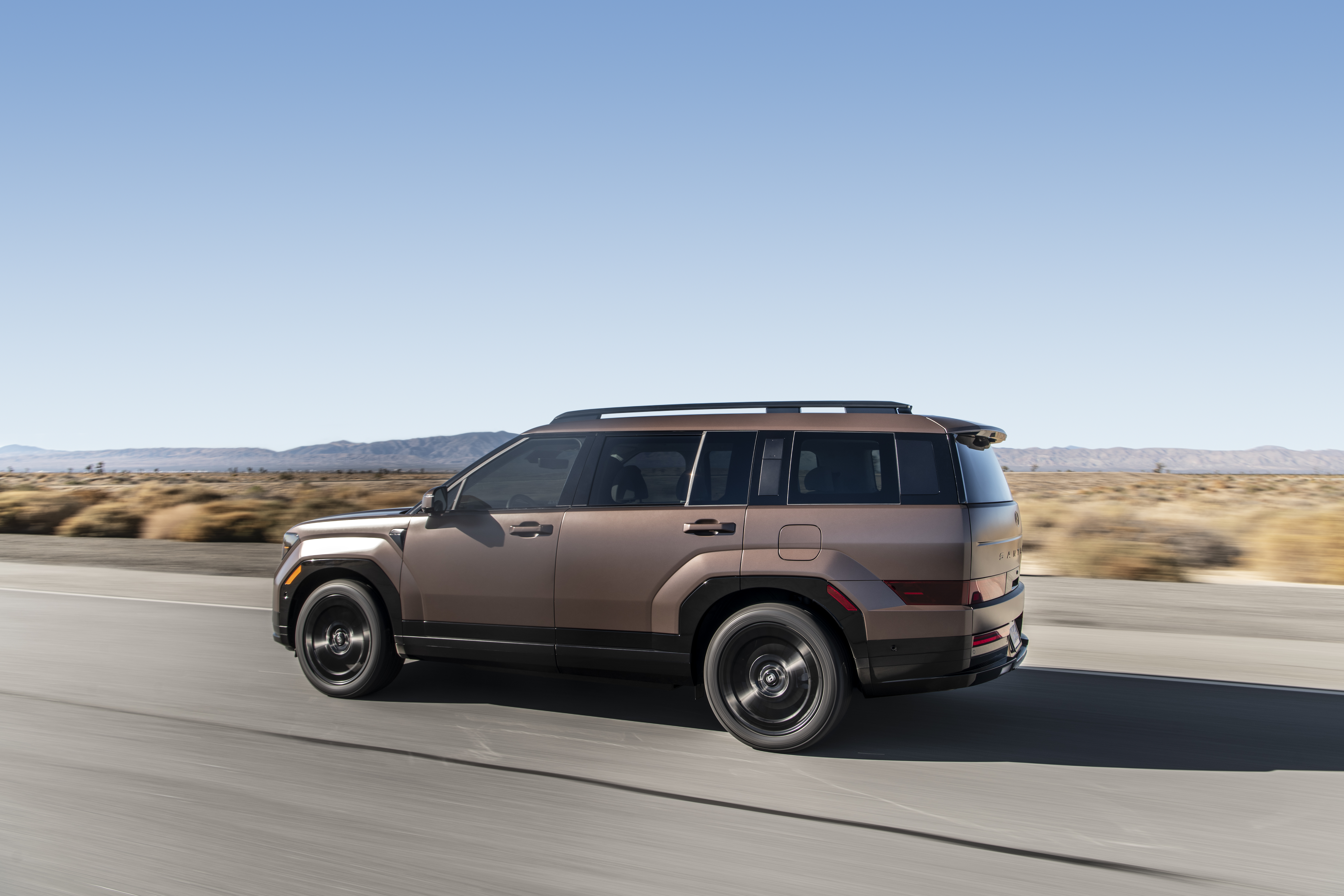
SUVs tell a similar story. Grayscale colors rose from 43.8 percent of SUVs in 1996 to 79.3 percent in 2025. Green, once a major SUV color with 21.3 percent share in 1996, now represents only 2.9 percent of SUVs.
That is a remarkable change because SUVs became more popular as they became less colorful. America did not just shift from sedans to SUVs. It shifted from colorful vehicles to neutral ones at the same time.
You may also enjoy: These Cars Could Make You Money Instead of Losing It
Sports Cars Still Keep Color Alive
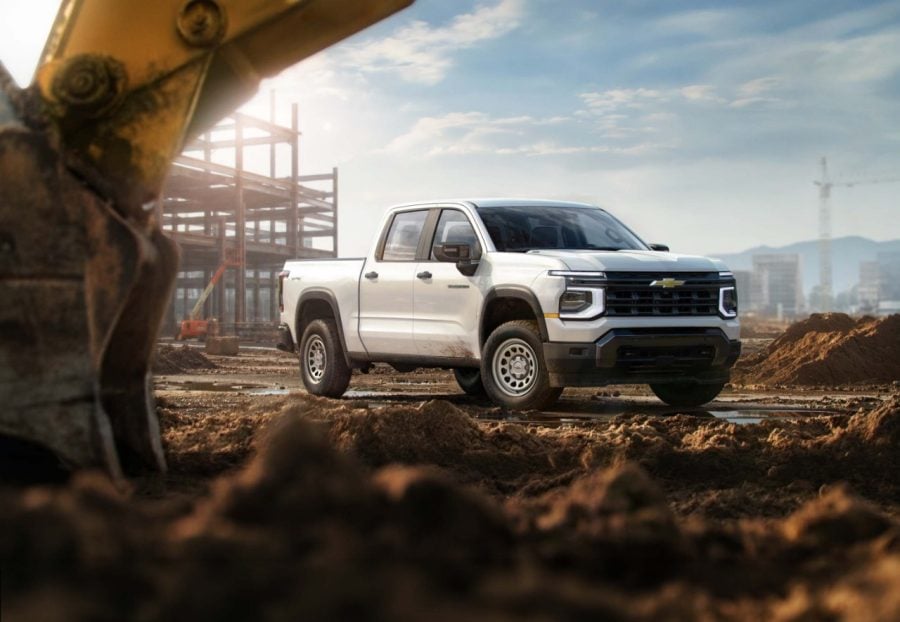
There is one bright spot. Sports cars remain the most colorful category in the study. Non-grayscale colors account for 36.2 percent of sports cars, nearly twice the overall market share for colorful vehicles.
Blue, yellow, purple, and orange all gained share among sports cars. Red declined, but it still appears on 10.8 percent of sports cars, more than in any other vehicle category. That makes sense. Sports cars are emotional purchases. They are supposed to say something.
A yellow coupe, blue convertible, or orange performance car still feels like a choice made by a human being, not a spreadsheet. For everyday shoppers, the lesson is not that neutral colors are wrong. White, black, gray, and silver are popular for good reasons.
Neutral colors can be easier to sell, easier to live with, and easier to match with changing tastes. Still, color is only one part of a smart purchase. Buyers should also check condition, history, ownership costs, and the Used Car Rule before deciding what matters most.
You may also enjoy: America’s Car Buyers Have Spoken: Hybrids Win
What Car Color Means for Shoppers
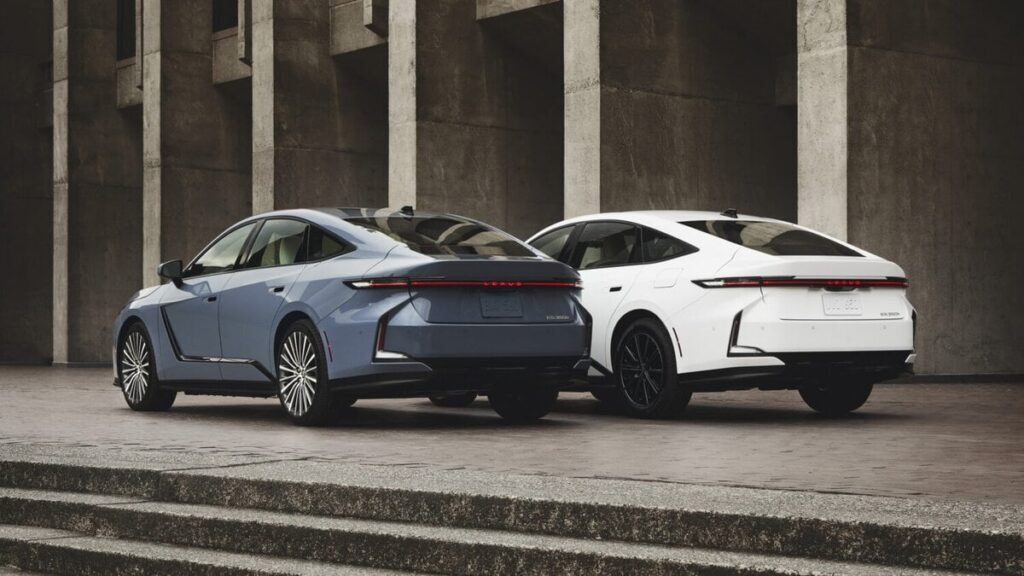
Car color may seem like a small decision, but it touches resale value, availability, personality, and long-term satisfaction. A neutral color might make a vehicle easier to trade. A bold color might make it easier to love.
The key is knowing why you are choosing it. If you lease every few years, a safe color may make sense. If you keep vehicles for a decade, the color that makes you smile in the driveway may matter more than the one a future buyer might prefer.
Before buying, shoppers should still check the vehicle’s history and confirm details using tools such as the VIN decoder. A great color cannot rescue a bad car, but the right car in the right color can make ownership feel far more personal.
America’s cars have not lost color because people stopped liking personality. They lost color because risk became part of the buying decision. The good news is that grayscale growth appears to have stabilized around 80 percent. Maybe that leaves room for a little more blue, red, green, yellow, and orange to find their way back onto the road.