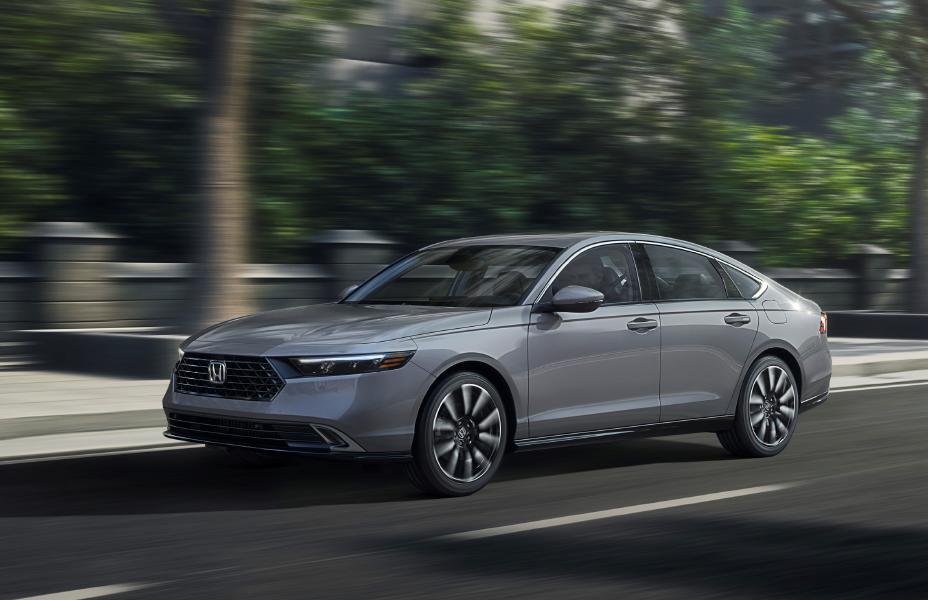
America’s Car Buyers Have Spoken: Hybrids Win
America’s Car Buyers Have Spoken: Hybrids Win as 2026 sales reward Toyota, Hyundai, Kia, Honda, Ram, and value over risky bets.
The American car market isn’t collapsing. It’s correcting. That may not sound as dramatic as a showroom panic, but it’s more useful if you’re trying to understand what people are actually buying.
The latest U.S. sales reporting shows a market under pressure from inflation, higher insurance costs, loan anxiety, and fuel prices. Yet new vehicles are still moving. The difference is that buyers are being far more selective. They’re rewarding brands that make the future feel practical, familiar, and affordable. They’re punishing brands that ask them to take on too much risk at once.
That is why hybrids are suddenly the most important word in the showroom.
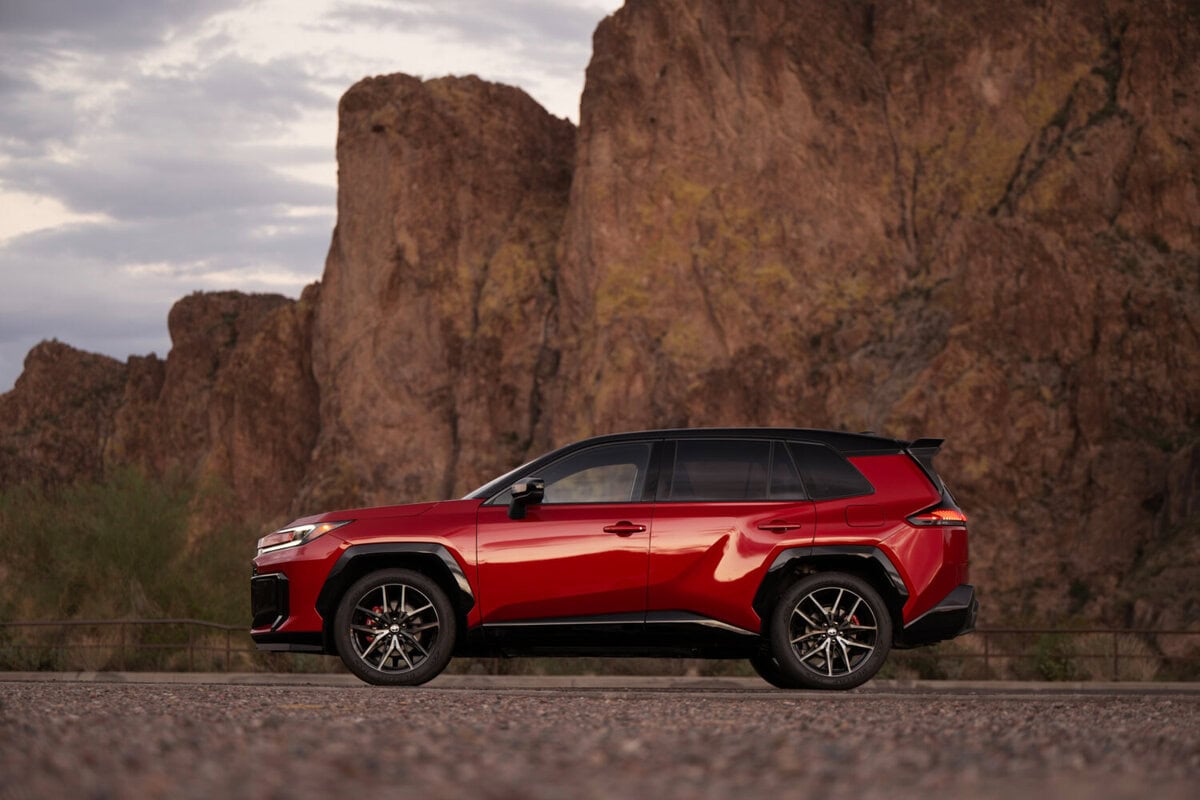
You may also like: Toyota’s RAV4 Hybrid Bet Starts In Kentucky
Why Hybrids Are Winning Right Now
Hybrids are not new, but they’re having a very modern moment. They give buyers better fuel economy without asking them to install a charger, plan road trips around plugs, or explain kilowatt-hours to a skeptical spouse at dinner.
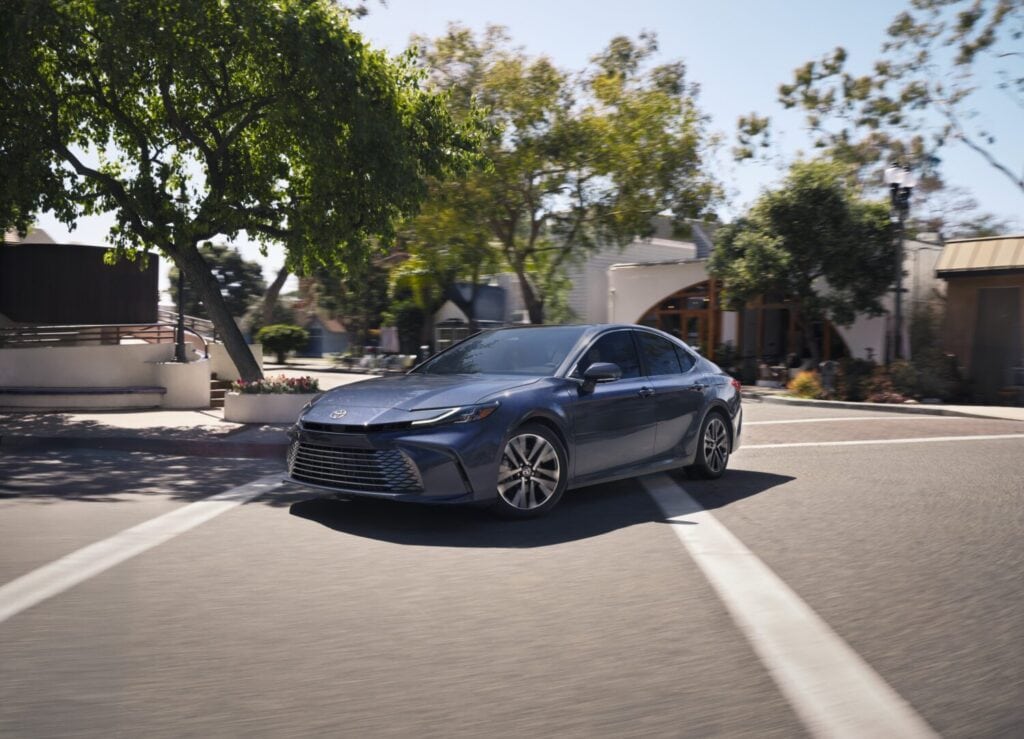
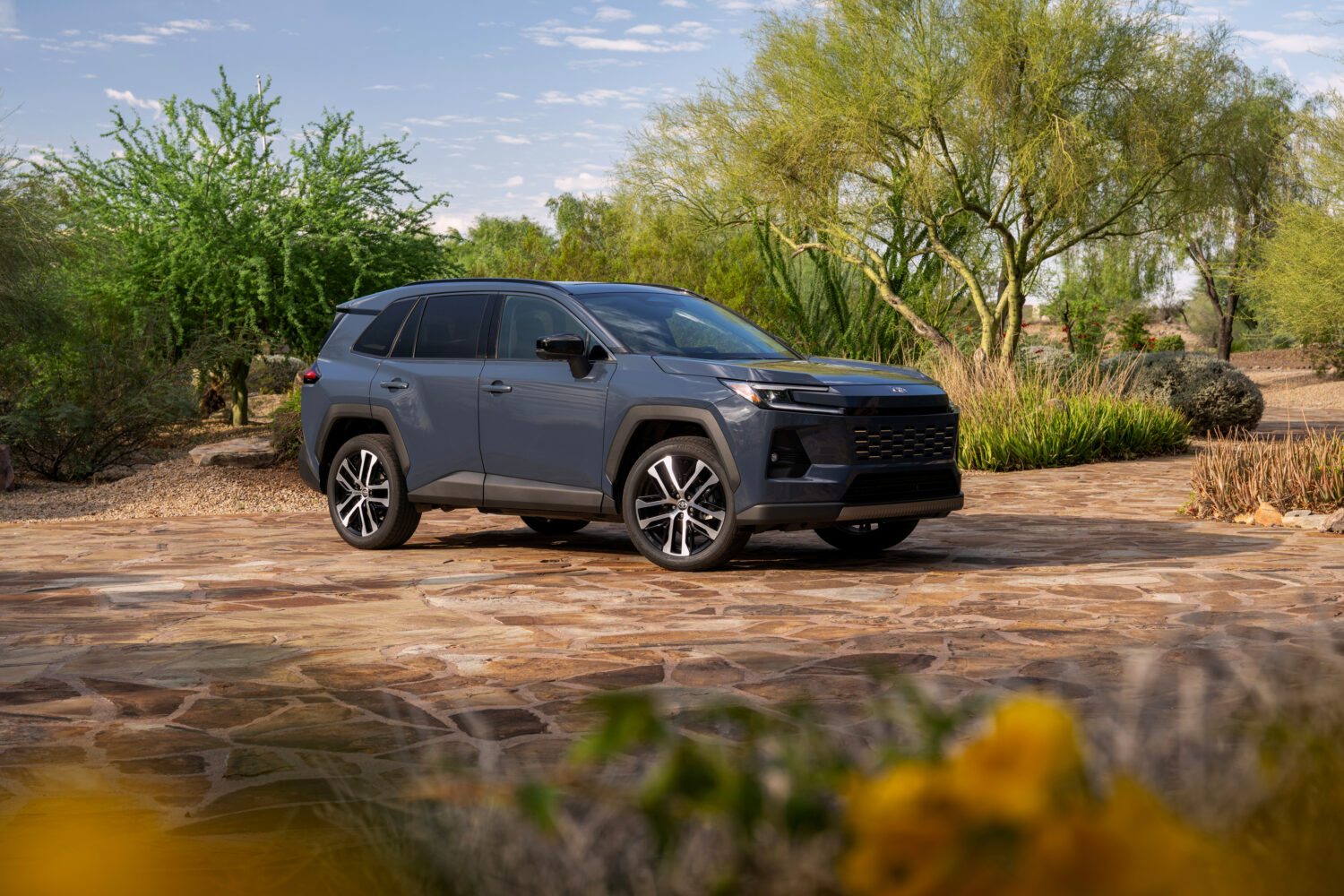
Toyota understood this before most of the industry wanted to admit it. Its U.S. sales rose in the second quarter while many rivals faced pressure, helped by hybrid and budget-friendly models. That matters because Toyota didn’t tell customers there was only one correct answer. It offered gas, hybrid, plug-in hybrid, and electric choices across vehicles people already know.
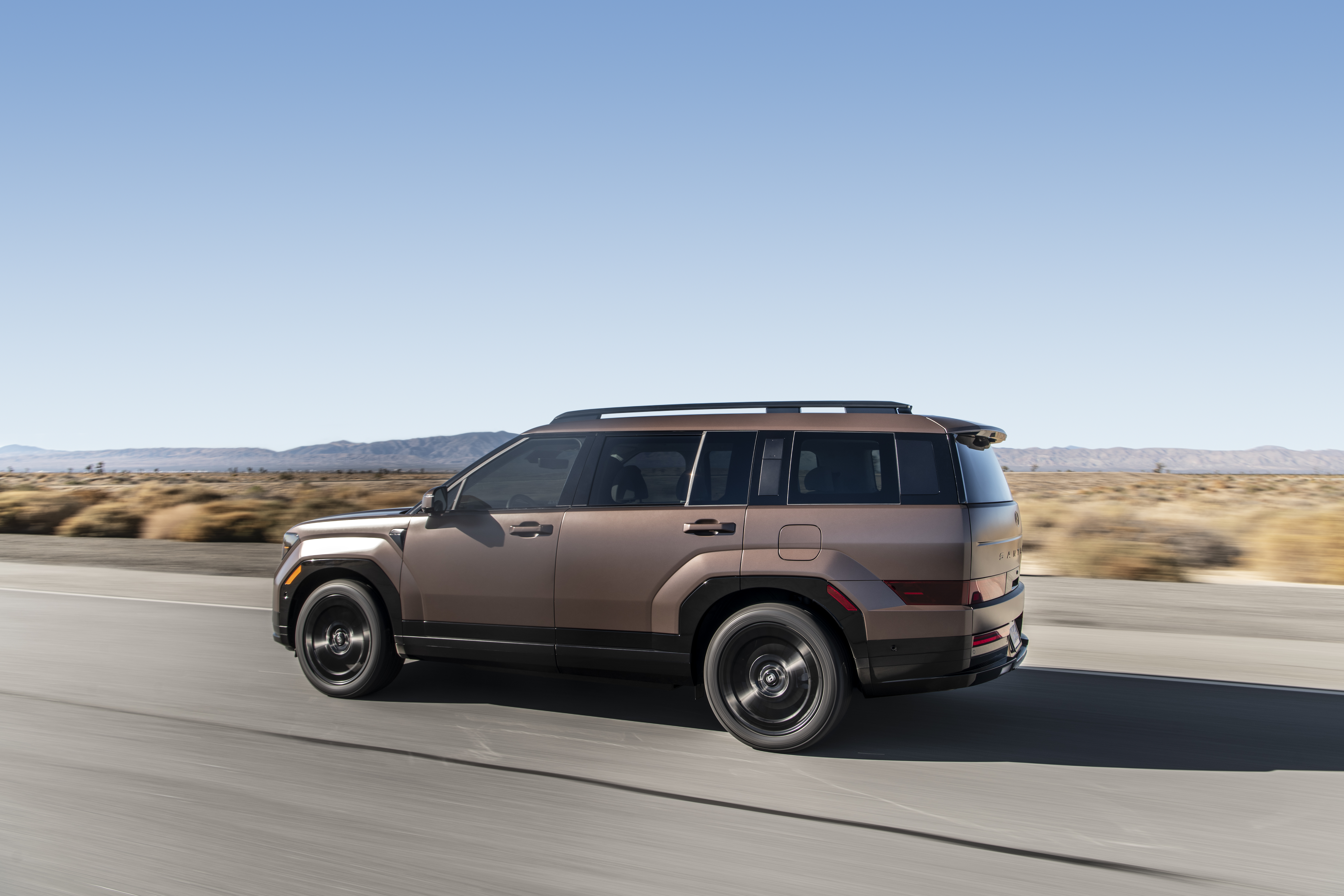
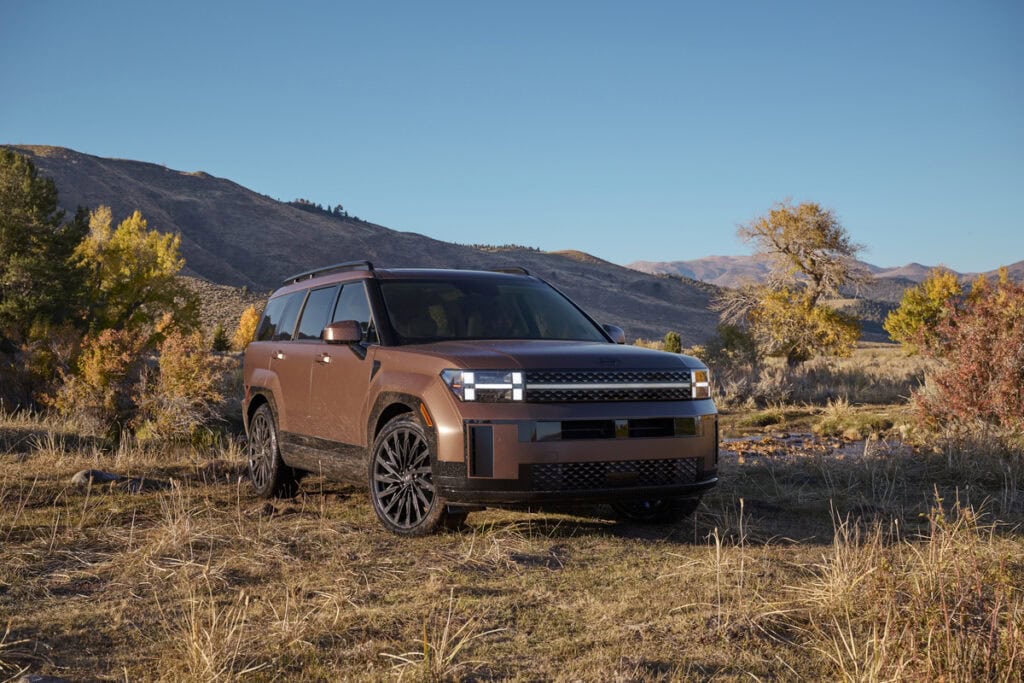
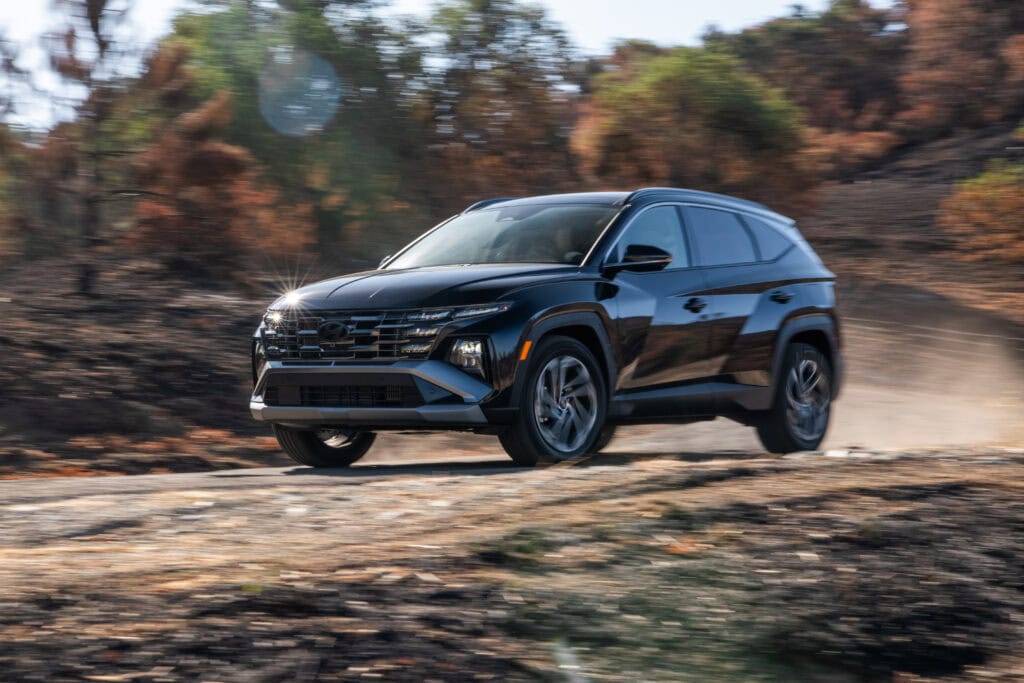
Hyundai and Kia are benefiting from the same reality. Hyundai has leaned into sharp design, strong warranties, and hybrid versions of mainstream vehicles. Kia has turned practical crossovers into desirable family choices, with hybrid versions of vehicles like the Sportage and Sorento arriving at exactly the right time.
Honda’s strength is quieter but just as important. It sells trust. In a payment-sensitive market, vehicles like the Civic, Accord, CR-V, Pilot, and hybrid models feel like lower-risk decisions. That is not boring. That is brilliant timing.
You may also like: Kia America Posts Record Q3 Sales Surge
Value Beats Hype In This Market
The average buyer is not shopping in a vacuum. They’re looking at the monthly payment, the insurance quote, the fuel bill, the loan term, and whether a vehicle will still make sense five years from now.
That is why affordable cars and useful SUVs are back at the center of the conversation. A stylish electric vehicle may win the internet for a day, but a hybrid family SUV can win a driveway for a decade.
Ram also deserves attention here. Stellantis has had its share of rough headlines, but Ram trucks helped give the company a needed U.S. sales lift. That proves pickups are still deeply important to American buyers when product, availability, and pricing line up.
Ford is more complicated. Some sales reporting shows pressure, but Ford still has exactly the kinds of nameplates Americans understand: F-Series, Maverick, Bronco, Explorer, Mustang, and Transit. When supply and pricing cooperate, Ford remains one of the clearest windows into what U.S. buyers want.
You may also like: EV Discounts Are Getting Hard To Ignore
Where The Market Gets Tougher
This isn’t a story about losers as much as timing. General Motors remains a giant, but the current market has exposed a gap. GM has bet heavily on EVs while Toyota, Hyundai, Kia, Honda, and others have used hybrids as a bridge. If buyers are hesitant about full EV ownership, that bridge matters.
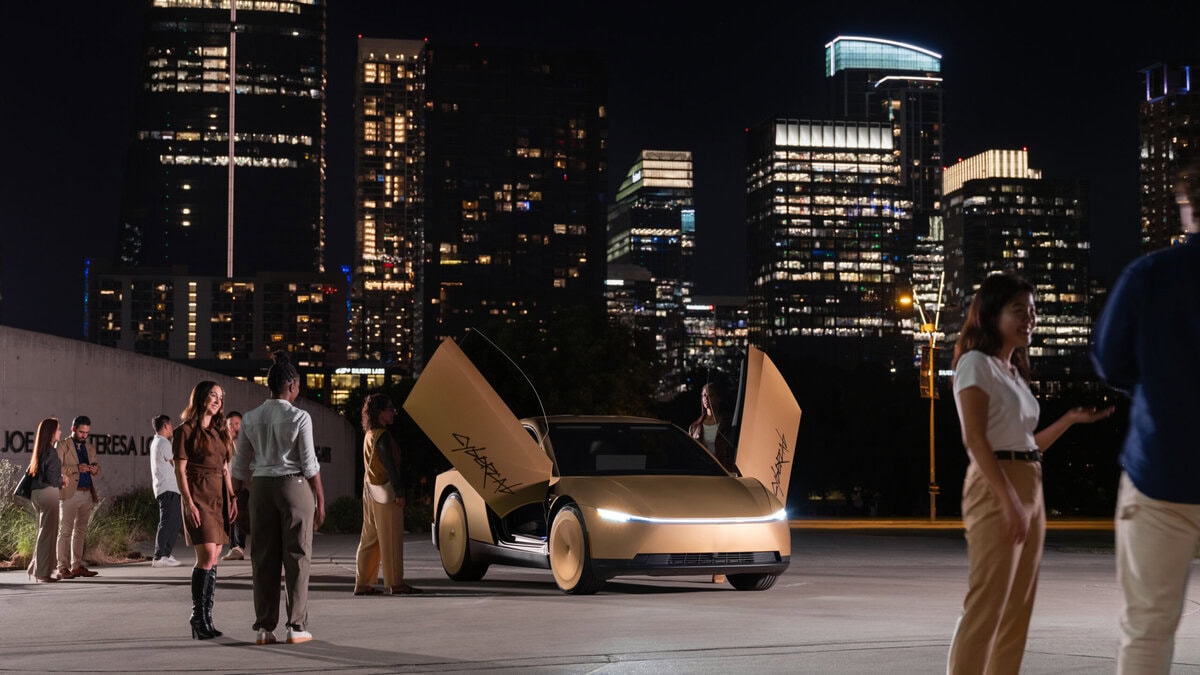
Tesla is still the EV benchmark, but the easy-growth era is over. More competitors have entered the market, used EV prices have changed the math, and Tesla’s core lineup is no longer as fresh as it once was. Electric vehicles are not dead. They are simply being judged like normal cars now, on price, range, comfort, incentives, resale value, and ownership convenience.
Luxury brands face a similar test. High prices are easier to defend when the product feels fresh, useful, and emotionally compelling. When it doesn’t, shoppers pause.
You may also like: Honda Pulls Plug on 3 EVs Amid Market Reality Check
What This Means For Your Next Car
The message from American buyers is surprisingly clear. They’re not rejecting technology. They’re rejecting unnecessary risk.
That is why the strongest brands right now are the ones offering choice. Toyota, Hyundai, Kia, Honda, Subaru, Ram, and parts of Ford’s lineup all reflect the same lesson: give people efficiency, usefulness, familiarity, and value, then let them decide how far into the future they want to drive.
The 2026 sales story is not about Americans giving up on new cars. It is about Americans choosing the brands that make the future feel affordable, familiar, and less risky.
For broader context, recent U.S. sales reporting shows how hybrid demand, income pressure, and long loan terms are reshaping the showroom. Cox Automotive has also noted that the path forward for EVs remains uneven as new EV sales continue to depend heavily on incentives and product timing.