Toyota’s RAV4 Hybrid bet starts in Kentucky, where SUV demand, factory jobs, and American manufacturing’s next generation meet.
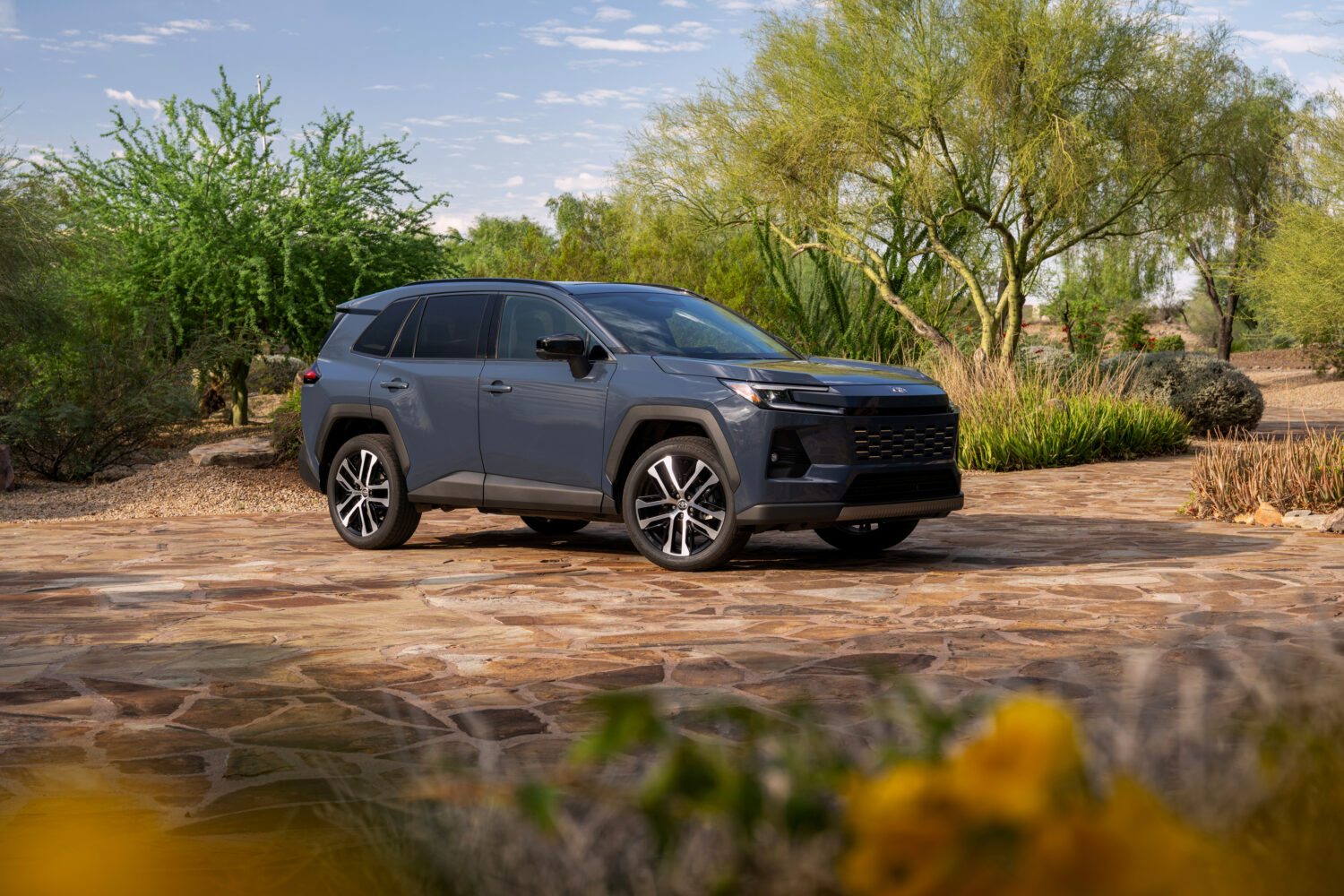
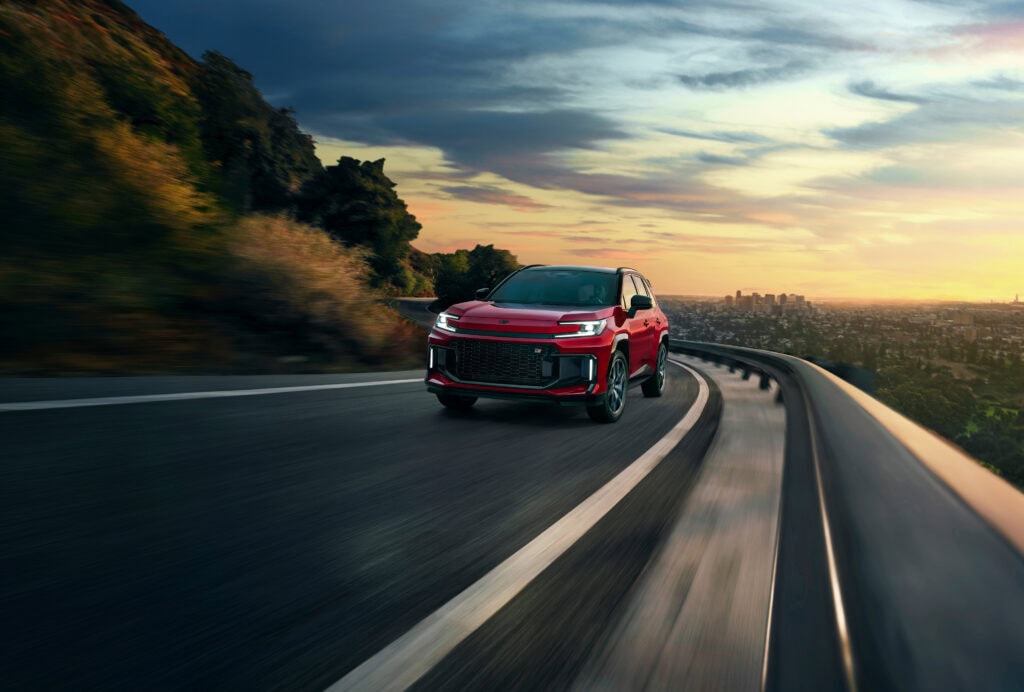
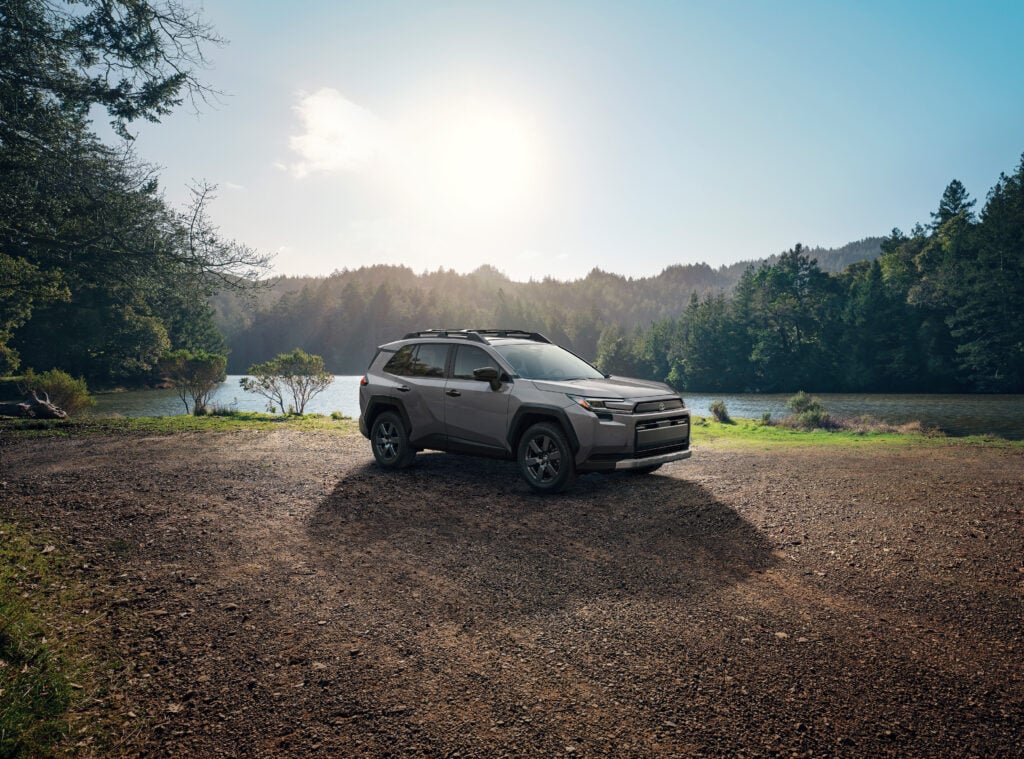
On June 22, 2026, Toyota Kentucky began production of the all-new RAV4 Hybrid at its Georgetown plant, supported by $2 billion in investments announced over the past two years. The same day, Toyota broke ground on a next-generation paint facility and announced a $500,000 workforce grant for Bluegrass Community and Technical College.
After 40 years in Kentucky, the plant is no longer simply a symbol of Toyota’s long U.S. manufacturing history. It’s becoming a bridge between the cars people buy now and the cleaner, more flexible production system Toyota says it needs next.
You may also like: 2026 Toyota RAV4 Review: America’s Favorite SUV Just Ditched Gas—And Gained Swagger
Why The RAV4 Hybrid Matters In Kentucky
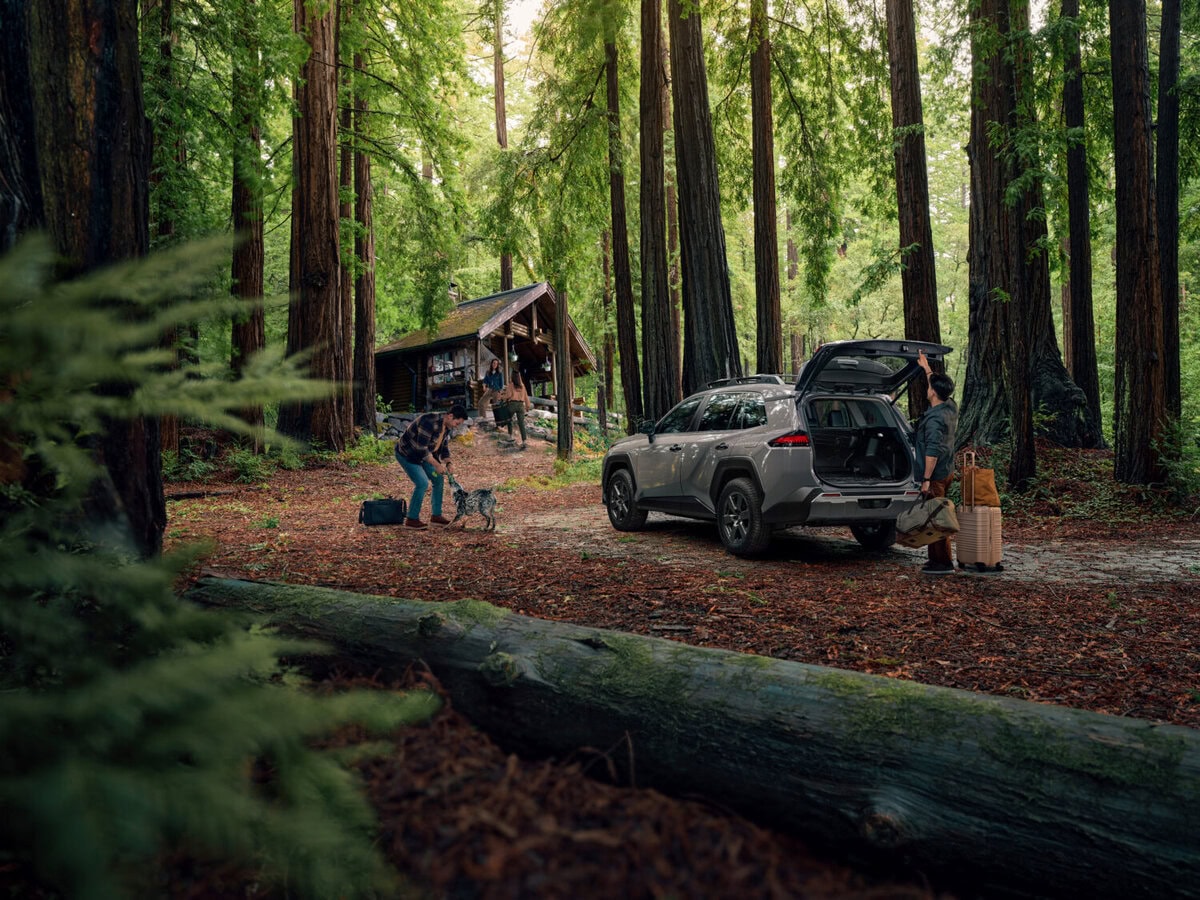
The RAV4 is not a niche experiment. Toyota calls it America’s best-selling small SUV, and that matters because hybrid adoption often works best when it shows up inside a vehicle people already understand. A RAV4 Hybrid does not ask a family to relearn driving, charging, or weekend errands. It gives them better efficiency in a familiar shape.
That fits Toyota’s multi-pathway approach to electrification. While some automakers treat hybrids as a temporary step, Toyota continues to lean into them as a real-world answer for buyers who want lower fuel use without changing routines. Bringing the all-new RAV4 Hybrid into Georgetown gives Toyota another way to satisfy demand close to the market buying the vehicle.
It also sets up the plant’s next chapter. Toyota says Kentucky will launch the new Highlander Battery Electric Vehicle in September 2026, which means Georgetown is being asked to handle both the present and the future. Hybrids are paying the bills today. Battery-electric vehicles are part of tomorrow’s mix.
You may also like: 2026 Toyota EV Lineup Finally Fits Real Life
A Cleaner Paint Shop With Real Numbers
Factory announcements can drift into corporate wallpaper, but the paint facility has two numbers worth attention. Toyota says the new shop is designed to reduce carbon emissions by 30 percent and save approximately 1.5 million gallons of water each year.
That is not abstract. Paint shops are among the most energy- and resource-intensive parts of vehicle manufacturing. A cleaner, more efficient paint system can reduce operating impact while giving Toyota more flexibility in what it builds and how it responds to changing demand.
The flexibility piece matters almost as much as the environmental one. Customers want more choice, automakers need to change faster and factories can no longer be built around one fixed idea of what buyers will want. A modern paint facility helps Toyota adjust without turning every product change into a small industrial earthquake.
You may also like: The Most American Cars? Not Who You Think
Toyota’s $500,000 Workforce Grant
The quieter headline may be the most important one. Toyota Kentucky is giving $500,000 to Bluegrass Community and Technical College to support a new regional workforce training facility. The goal is hands-on training for students and current workers across the Bluegrass region.
That matters because advanced manufacturing doesn’t run on robots alone. It needs technicians who understand software, safety systems, robotics, quality control, electrified powertrains and the sort of problem-solving that does not fit neatly into a job title. The factory of the future still needs people. It just needs people trained for a more complicated factory.
Toyota Kentucky now represents more than $12 billion in total investment, nearly 10,000 jobs and 15 million vehicles assembled. Those are large numbers, but the better question is whether the region can keep supplying the skilled workers those numbers require.
That is why this announcement lands differently from a standard production update. The RAV4 Hybrid gives Toyota a product people already want. The paint facility gives the plant a cleaner backbone. The workforce grant helps make sure the surrounding community can move with the factory, not just watch it change.
After four decades, Toyota Kentucky is not standing still. It’s being asked to do what the auto industry itself has to do now: keep building what works, prepare for what’s next and bring enough people along that progress feels less like disruption and more like a place to go to work.