2026 Subaru Outback Resale Value: Why It Stays Strong
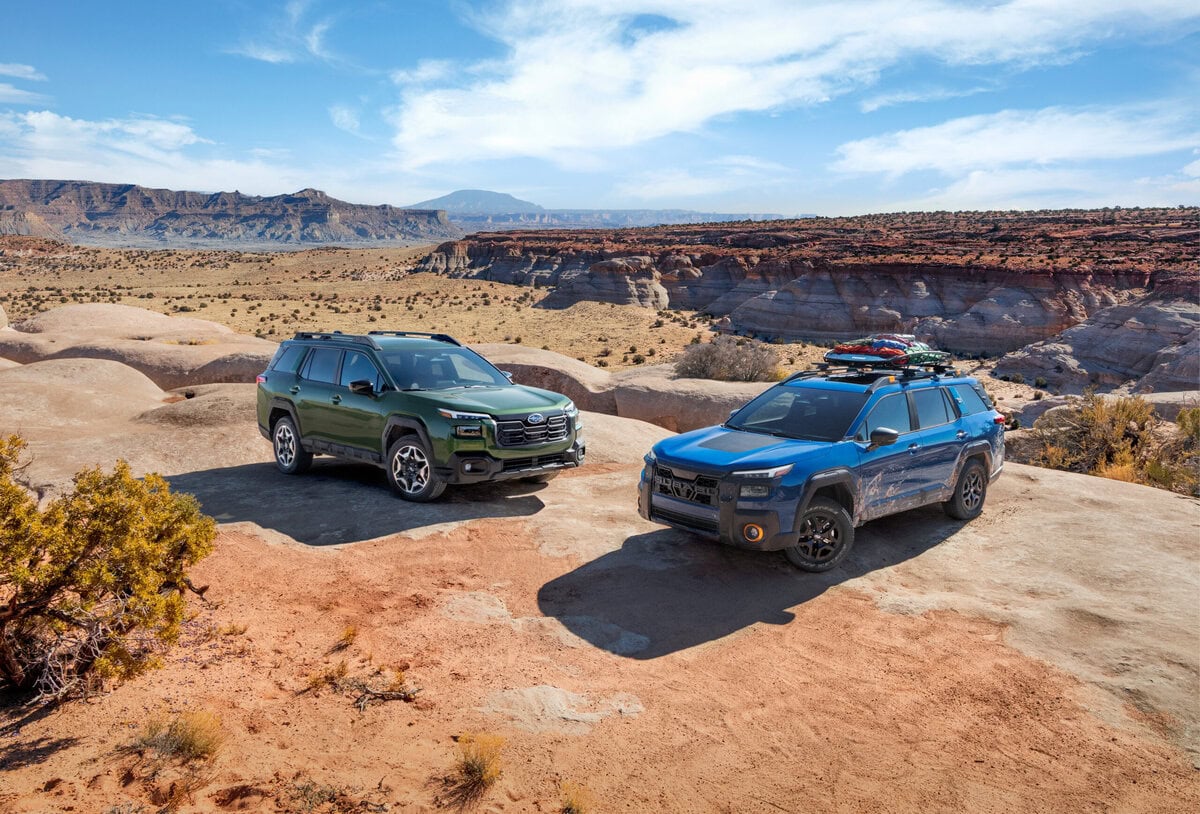
2026 Subaru Outback resale value looks strong thanks to AWD, safety tech, loyal buyers, and practical features that fight depreciation.
Why Depreciation Matters More Than Most Buyers Think
The 2026 Subaru Outback resale value story matters because depreciation is often the biggest hidden cost of buying a new vehicle. Buyers talk about monthly payments, horsepower, touchscreen size, fuel economy, and whether the seats feel expensive, but the real financial pain usually arrives years later when it is time to sell or trade.
That is when the vehicle tells the truth. Did it still have real value, or did it become another expensive object quietly losing money in the driveway? Depreciation is not exciting, but it is usually the most expensive part of ownership. It can cost more than fuel, insurance, tires, or maintenance. It is also the part many buyers ignore because it does not show up as a monthly bill.
The Subaru Outback has always been interesting because it does not try to win buyers with flash. It wins by being useful, familiar, and hard to make irrelevant. That is a good place to be in a market where vehicle prices remain high, technology changes quickly, and buyers are becoming more cautious about long-term costs.
The 2026 Outback is not depreciation-proof. No normal vehicle is. But it is insulated in ways many rivals are not. Standard all-wheel drive, strong owner loyalty, practical cargo space, family-friendly safety technology, and a reputation for durability all help protect its value. That makes the Outback one of the safer long-term bets in a segment full of vehicles fighting for attention.
Fuel costs remain part of the resale equation, which is why the federal government’s fuel economy tools are useful for buyers comparing long-term ownership costs across gas, hybrid, and electric vehicles.
You may also enjoy: The 2026 Subaru Outback Wilderness Is Ready For Anything
Why the 2026 Subaru Outback Resale Value Looks Strong
Resale value is really about trust. A vehicle does not hold value simply because people liked the commercial or because it looked good at launch. It holds value because second and third owners believe it will still make sense after the original buyer is gone.
That is where Subaru has an advantage. The brand has built a long reputation around all-wheel drive, practical engineering, and loyal owners who tend to keep their vehicles for years. Subaru buyers are not usually chasing the loudest design or the biggest screen. They want a vehicle that starts every morning, handles bad weather, carries dogs and gear, and does not feel fragile when life gets messy.
That mindset helps the Outback in the used market. A used Outback buyer generally understands what the vehicle is. They are not buying mystery. They are buying an established formula. That reduces anxiety, and reduced anxiety helps resale.
Depreciation is often harsher on vehicles that depend on fashion. Trendy styling can age quickly. Aggressive design can feel stale when the next design cycle arrives. Technology can date even faster. A screen that looks impressive today can feel old in three years if the software is slow, the graphics look dated, or a newer model does the same trick better.
The Outback avoids some of that risk because its value is tied to usefulness. Snow still falls. Gravel roads still exist. Families still need cargo space. Dogs still need a low load floor. Utility ages better than fashion, and the Outback has made utility its entire personality.
The Outback Survives Because It Is Useful
The 2026 Subaru Outback continues to occupy a protected corner of the market. It is not quite a traditional wagon, not quite a conventional SUV, and not quite an off-road vehicle. That sounds like a problem until you realize it is the reason people keep buying it.
Every Outback comes with standard all-wheel drive. That matters because many rivals still treat all-wheel drive as an upgrade, an option, or something bundled into a higher trim. Subaru makes it part of the basic promise. For buyers in places with snow, rain, mountains, dirt roads, or long winters, that promise has real value.
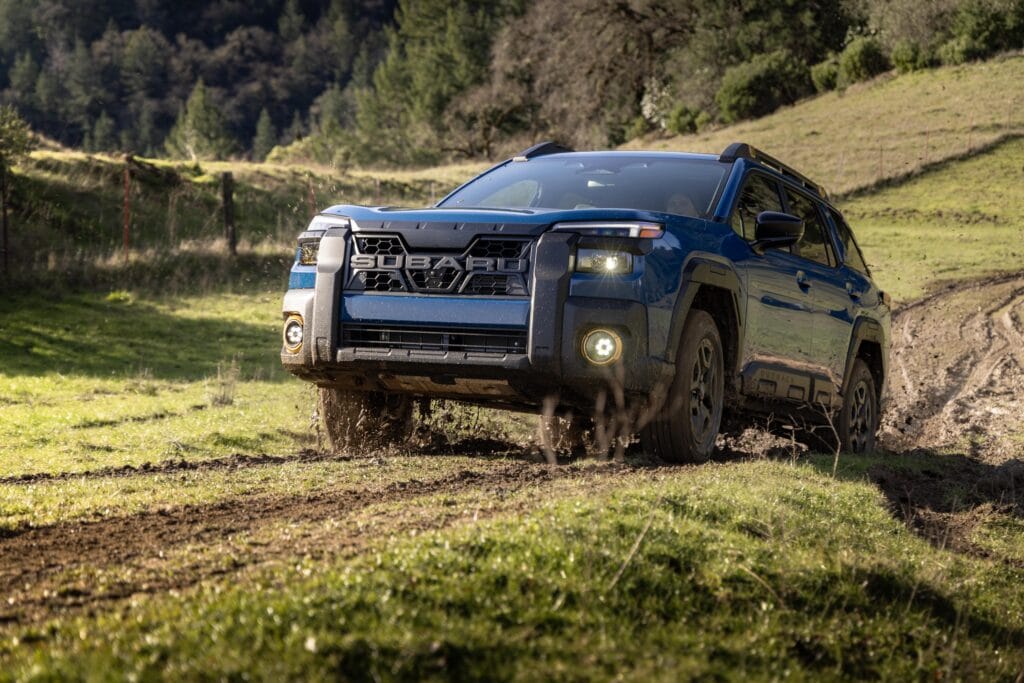
The Outback also brings useful ground clearance. Standard models offer 8.7 inches, while the Wilderness trim raises that to 9.5 inches. Those numbers matter because they make the Outback more than a costume crossover. It is not pretending to be useful. It actually gives owners the clearance they need for rutted roads, snowbanks, trailheads, and weekend adventures that do not require a full truck-based SUV.
Cargo space is another resale advantage. The Outback gives families and outdoor buyers a large, usable cargo area with the rear seats folded. Just as important, the load floor is lower than many taller SUVs. That makes it easier to load dogs, coolers, luggage, camping gear, sports equipment, and the kind of awkward home-improvement purchase that seemed smaller inside the store.
This is why the Outback has a stronger resale story than its modest personality might suggest. It is useful in ways that remain useful after the first owner is finished with it.
The EPA’s vehicle data resources explain how official fuel economy testing works, which matters because used shoppers often compare operating costs before choosing one family SUV over another.
You may also enjoy: 5 Vehicles That Miserably Refuse to Depreciate
How the Outback Compares With Toyota, Honda, and Mazda
Subaru does not own the resale-value conversation. Toyota and Honda remain dominant names for long-term value, and that matters when comparing the Outback with the Toyota RAV4 and Honda CR-V.
The Toyota RAV4 is one of the strongest resale performers in the compact SUV world. It has huge demand, broad name recognition, available hybrid power, and Toyota’s reputation for long-term dependability. The Honda CR-V is similarly trusted. It has become one of the default family SUV choices because it is easy to recommend, easy to live with, and easy for used buyers to understand.
The Outback does not need to beat the RAV4 or CR-V in every resale ranking to be a smart buy. It wins a different argument. The RAV4 and CR-V are everywhere, which supports familiarity but also creates a large used supply. The Outback has broad demand, but it also has a more specific identity. People who want one often search for one by name.
That matters. Vehicles with clear identities tend to resist depreciation better than vehicles that simply blend into the market. The Outback is not just another crossover. It is the Subaru wagon-SUV thing, and buyers understand that.
The Mazda CX-50 is another important rival because it also leans into outdoor style. Mazda brings sharper design and a more premium feel, which gives it emotional appeal. But emotional appeal can be more sensitive to trends. The CX-50 looks good now, but the Outback’s appeal is less dependent on design fashion. Subaru’s buyer base is more deeply connected to the idea of ownership longevity.
That does not make the Outback automatically better than the RAV4, CR-V, or CX-50. It makes it different in a financially useful way.
You may also enjoy: 2026 Toyota RAV4 Review: America’s Favorite SUV Just Ditched Gas And Gained Swagger
Powertrain Choices Help Protect the Outback
The 2026 Outback’s powertrain story is not radical, and that may be a good thing. The standard engine is built for everyday use, while turbocharged XT and Wilderness versions bring 260 horsepower and 277 pound-feet of torque. That gives buyers a stronger option without turning the Outback into a performance experiment.
Used buyers tend to reward proven engineering. They may enjoy clever technology, but they are cautious about becoming the next owner of someone else’s unproven idea. Conservative tuning, familiar hardware, and a clear service path all help when a vehicle reaches the used market.
That becomes especially important as electrification reshapes the industry. Electric vehicles are improving quickly, but fast improvement can also create fast depreciation. When charging speed, battery range, software, battery chemistry, and incentives change rapidly, an older EV can feel outdated even if it has low mileage.
Hybrids often hold value well because they improve fuel economy without asking owners to completely change how they live. Proven gasoline vehicles still have a place because the used market understands them. The Outback benefits from being familiar at a time when many buyers are trying to decide how fast they want to move into electrification.
The U.S. Department of Energy explains the basics of electric vehicles, including how electrified powertrains differ from traditional gasoline vehicles. That difference matters when buyers think about resale, charging access, battery life, and long-term confidence.
Subaru is moving toward electrification carefully. That caution may frustrate some people, but it can protect current owners. Sudden strategy shifts can make today’s vehicle feel abandoned tomorrow. Slow change is not always exciting, but it can be good for resale.
You may also enjoy: 2026 Subaru Solterra First Drive: More Range, More Power, More Subaru
Safety Is a Resale Advantage
Safety technology ages better than infotainment. That is a major point in the Outback’s favor.
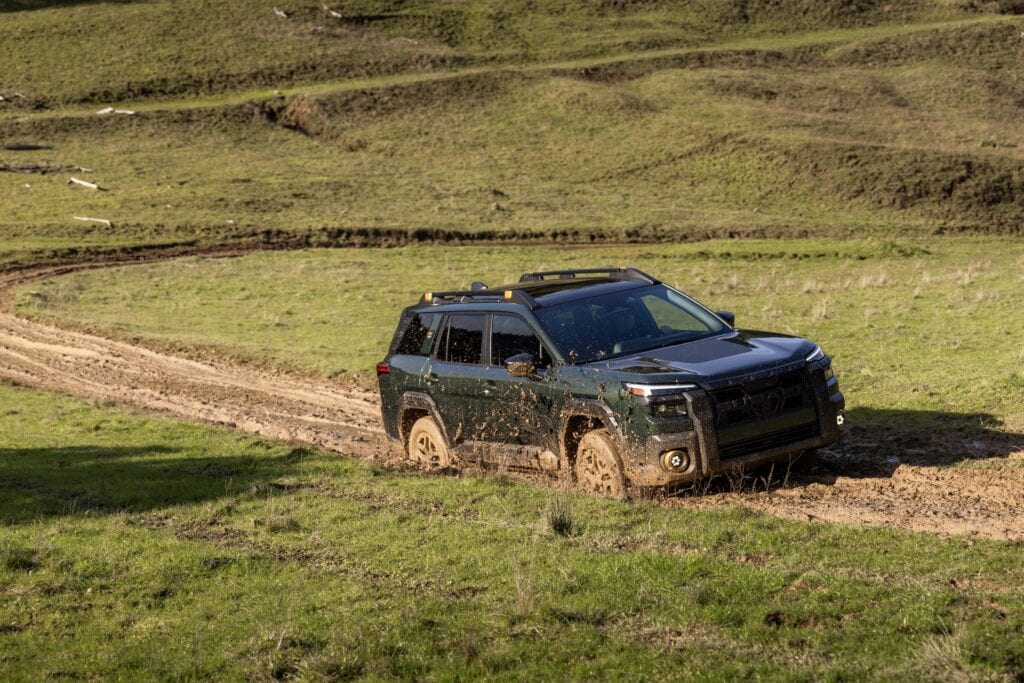
A large touchscreen may look impressive in a showroom, but screens age quickly. Software improves. Graphics change. Menus get redesigned. Phone integration evolves. What feels cutting-edge today can feel slow or clumsy by the time the vehicle reaches its second owner.
Safety features age differently. Families shopping used vehicles still care about crash protection, driver-assistance systems, visibility, stability, and confidence. Subaru’s EyeSight driver-assistance technology is standard across the Outback lineup, and that helps keep the vehicle relevant to used buyers.
Features like adaptive cruise control, lane-centering support, pre-collision braking, blind-spot detection, and related driver-assistance systems can make a used vehicle feel safer and more modern even after the infotainment system has started to show its age.
NHTSA explains driver-assistance technologies as tools designed to help reduce crashes and support safer driving. That is why these features can remain valuable long after a dashboard screen no longer feels new.
This matters because Outback buyers are often practical people. They may have children, dogs, aging parents, outdoor gear, or long commutes in bad weather. They are less likely to be seduced by novelty and more likely to care about whether a vehicle feels secure on a dark, wet road.
Parents care more than car reviewers. That is why safety can support resale.
Ownership Costs Matter Before Resale Day
Resale value is not just about what a vehicle is worth after five years. It is also about how much it costs to get there.
Maintenance, insurance, fuel costs, tires, repairs, and parts availability all shape the real ownership story. A vehicle that is expensive to maintain can lose appeal quickly in the used market, even if it has a good badge or strong design. Used buyers research this stuff. They want to know whether the car they are buying will become a hobby they did not ask for.
The Outback benefits from a broad Subaru dealer network, strong parts availability, and a familiar ownership pattern. It is not exotic. It is not rare in a way that makes service difficult. In many regions, especially the Pacific Northwest, New England, Colorado, and snow-heavy states, Subaru ownership is part of the automotive landscape.
Kelley Blue Book’s current cost-to-own data for the 2026 Outback shows depreciation as a significant five-year cost, but the Outback remains a rational ownership proposition when compared with vehicles that are more expensive to run, insure, or repair. That is the point. The Outback does not avoid depreciation entirely. It fights it by staying easy to understand and relatively easy to live with.
NHTSA’s 5-Star Safety Ratings program gives shoppers another way to compare vehicles, and objective safety information can influence used-car confidence as strongly as mileage or trim level.
That matters on trade-in day. A buyer looking at a used Outback with clean records, reasonable mileage, and no strange modifications can quickly imagine owning it. That is exactly what helps a vehicle hold value.
Why the Wilderness Trim May Age Well
If resale value is part of the purchase strategy, trim choice matters. The cheapest version is not always the smartest long-term buy. Base trims can save money upfront, but used buyers often prefer the comfort, safety, and convenience features found in mid-level trims.
For the 2026 Subaru Outback, the safest resale choices are likely well-equipped mid-level trims and the Wilderness trim. Mid-level trims often offer the best balance between price and desirability. They avoid the highest initial cost while still giving used buyers the features they expect.
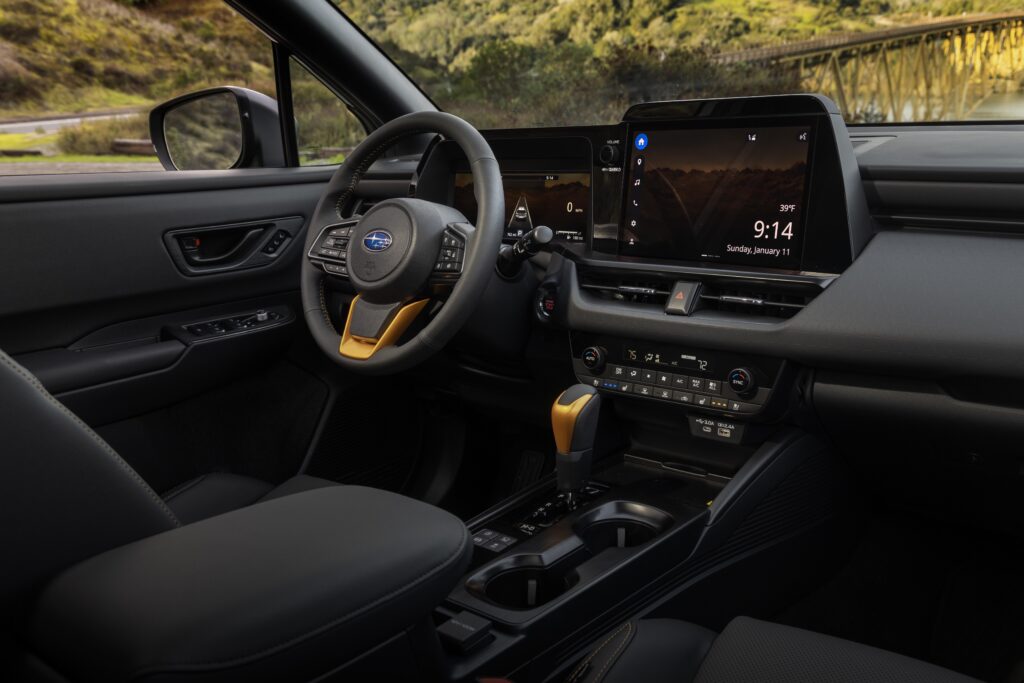
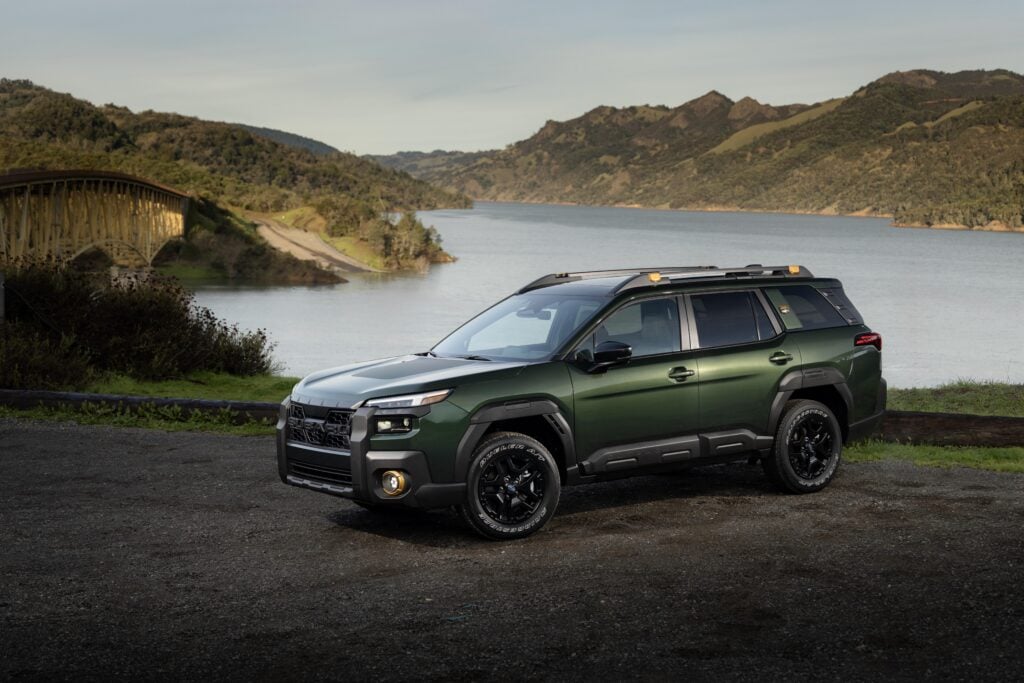
The Wilderness trim has a different advantage. It has identity. It looks tougher, rides higher, includes added off-road hardware, and comes with the turbocharged engine. That gives used shoppers a reason to search for it specifically.
Special trims do not always guarantee stronger resale, but purpose-built trims often age better than appearance packages. The Wilderness trim is not just a badge. It gives buyers a clearer reason to want it later.
Color also matters. Neutral colors usually sell faster in the used market. White, black, gray, silver, dark blue, and subtle earth tones tend to appeal to more buyers. Unusual colors can be fun if you plan to keep the vehicle forever, but they can narrow the resale audience.
Modifications are another resale trap. A roof rack or cargo carrier may be fine. A questionable lift kit, mismatched tires, wiring experiments, cheap light bars, or loud exhaust can hurt value. Your modification may feel personal. To the next buyer, it may look like a repair bill.
You may also enjoy: Why Off-Road Trims Dominate SUVs in 2026
Why Loyalty Protects the Outback
Brand loyalty is one of Subaru’s strongest advantages. Outback buyers often come back for another Outback. That kind of repeat behavior is useful because it keeps demand steady even when the broader market gets noisy.
Loyalty also reduces the need for constant reinvention. Subaru does not have to chase every design trend because its buyers already understand the formula. That consistency can be frustrating to shoppers who want dramatic change, but it helps used values because the vehicle does not suddenly feel disconnected from its own history.
The Outback also benefits from regional loyalty. In places where bad weather and outdoor recreation are part of daily life, Subaru has a practical reputation that goes beyond advertising. In those markets, a clean used Outback does not need much explanation.
That is different from vehicles that depend on national hype. Hype can fade. Usefulness sticks around.
The Five-Year Verdict
So, will the 2026 Subaru Outback resale value stay strong? The answer is likely yes, assuming normal mileage, clean history, responsible maintenance, and no extreme market shock.
It will not behave like a collectible sports car. It will not match the strongest resale legends from Toyota trucks or limited-production performance vehicles. It will still depreciate, because almost every mainstream vehicle does. But the Outback is positioned to depreciate more gently than many vehicles that rely too heavily on styling trends, expensive technology, or narrow buyer appeal.
The Outback’s protection comes from a simple formula. It has standard all-wheel drive, practical cargo space, useful ground clearance, strong safety content, loyal buyers, manageable ownership costs, and a reputation for long-term usefulness.
The risks are real. If fuel prices climb sharply, gas-only vehicles could face more pressure. If Subaru moves too slowly on hybrids, some shoppers may shift toward electrified competitors. If the cabin technology feels old too quickly, rivals could gain attention. But none of those risks erase the Outback’s core strength.
The Outback is not exciting in the way a sports car is exciting. It is exciting in the way a smart financial decision becomes exciting after five years, when the trade-in number does not make you regret your life choices.
The Smart Buyer’s Exit Strategy
Buying smart means thinking about the exit before you enter. That is not pessimistic. It is how you avoid turning a monthly payment into a long-term financial bruise.
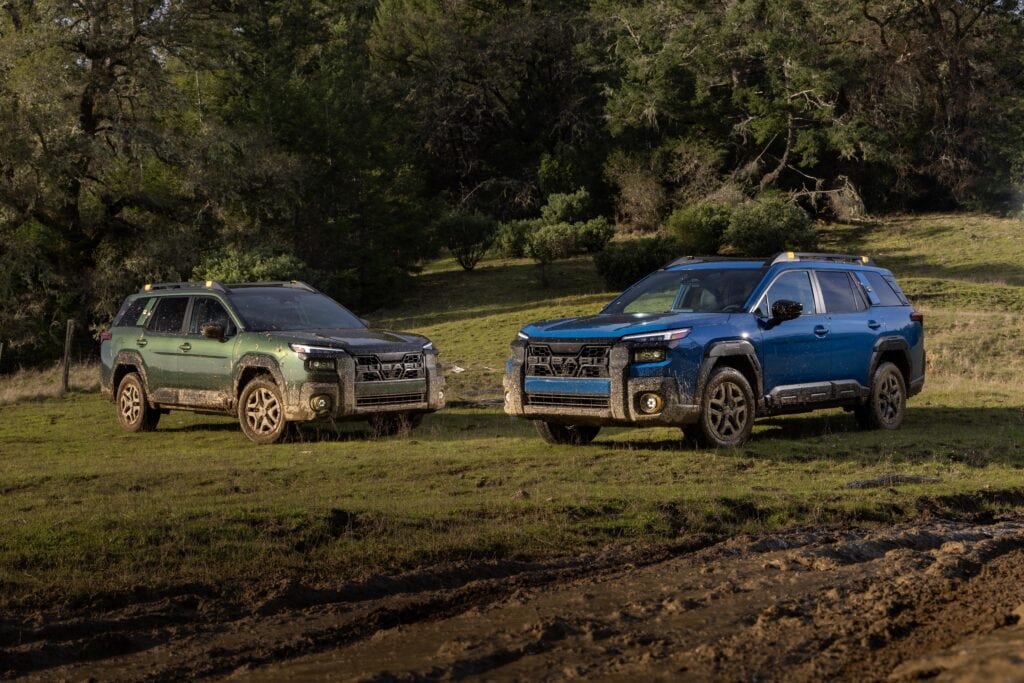
For the best resale odds, avoid the bare-bones version unless the deal is truly excellent. Consider a mid-level trim or Wilderness. Choose a color that does not require a sales pitch. Keep every maintenance record. Avoid questionable modifications. Keep the tires matched. Repair small damage before it becomes part of the vehicle’s personality.
Most importantly, buy the Outback for the reasons used buyers will still care about later. Buy it because it is practical, safe, useful, durable, and easy to understand. Those qualities do not go out of style.
The 2026 Subaru Outback will not make you money. But it probably will not punish you either. In today’s car market, that is a meaningful win.
I’m Nik Miles, and I love my job.