5 Vehicles That Miserably Refuse to Depreciate
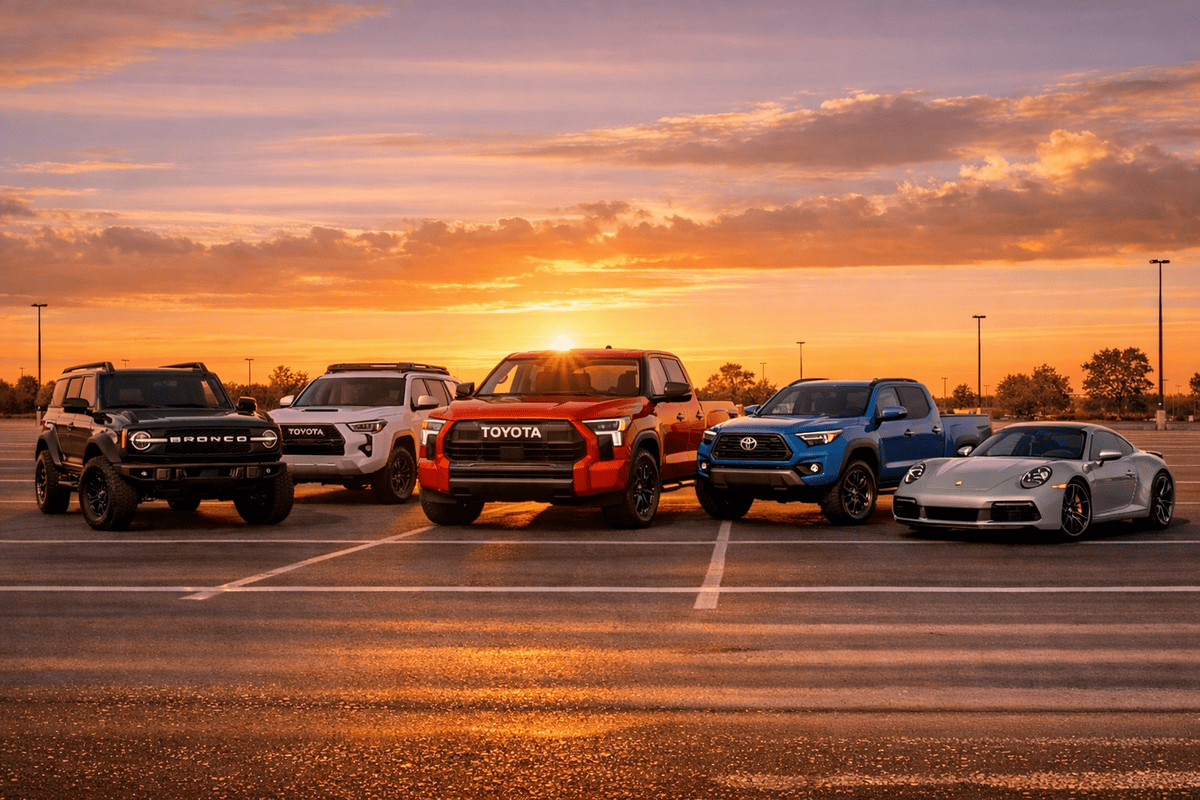
5 vehicles that hold value best in 3–5 years, with depreciation-proof picks that protect resale and reduce trade-in regret.
Most new cars shed 30 to 40 percent of their value before you finish paying sales tax. These five refuse, and the reasons are annoyingly predictable.
Depreciation is the silent bill nobody talks about until trade-in day, when the dealer smiles and you suddenly develop a stress headache. Most new vehicles lose 30 to 40 percent of their value early on, which is why “monthly payment shopping” is basically a guided tour of future regret. But five vehicles in America refuse to play that game. They lose the least money in three to five years, and if you care about resale, this list matters more than your next touchscreen update.
In fact, the resale story is the real story: vehicles that hold value tend to be the ones people actively search for, not the ones they tolerate because the lease special was aggressive. If you want a completely different kind of “what matters next” thinking, Test Miles has been tracking how the industry is changing in pieces like Robotaxis in 2026: Are We Ready for Driverless Cities? which is basically depreciation’s cousin: predictability versus hype.
Why does this matter right now?
Because depreciation is usually your biggest ownership cost, and it’s the one cost most buyers never run the numbers on. If you keep a vehicle three to five years, the gap between “average depreciation” and “top resale value” is often thousands of dollars. That’s not theoretical money. That’s the difference between having equity at trade-in time and having to roll negative equity into the next loan like it’s a tradition.
It also matters because resale value is driven by human behavior more than spreadsheets. People pay extra for confidence: reliability reputation, genuine capability, and the belief that the vehicle will still feel relevant years later. That’s why rugged SUVs and trucks routinely do better than sedans, and why cult followings can beat logic.
For a broader look at how pricing pressure has been creeping into everything lately, the site also broke down the bigger market forces in That New Car Is $6,400 More Expensive. Here’s Why. Depreciation doesn’t happen in a vacuum. It follows the market’s mood.
How does it compare to rivals or alternatives?
Most vehicles depreciate the “normal” way: lots of value lost early, then a slower slide. These five tend to break that curve because demand stays high, supply stays constrained (sometimes naturally, sometimes because the market just never catches up), and the used buyer is willing to pay extra to avoid uncertainty.
The pattern is consistent:
- Trucks and rugged SUVs depreciate less than sedans.
- Reliability reputation matters more than features.
- Fleet sales can crush resale value by flooding the used market.
- Limited trims often hold value better than base trims.
- Manual transmissions are becoming niche resale assets in the right vehicles.
- EVs generally depreciate faster than hybrids or gas vehicles (with exceptions, usually tied to brand or scarcity).
If you’ve been watching how tech narratives collide with real-world ownership, Test Miles also covered the growing “software-first” reality in Cars Are Now on Faster Networks Than Their Drivers because resale value increasingly rewards what buyers trust, not just what looks clever on launch day.

Who is this for and who should skip it?
This is for you if: you buy (or finance) vehicles and keep them long enough that resale value actually affects your wallet, especially in that three-to-five-year window where depreciation usually does the most damage.
Skip this if: you lease everything and never plan to own long enough to care, or you plan to drive your next vehicle until it becomes a family heirloom. Depreciation matters less when you keep a vehicle for a decade, because you’re amortizing the pain over more years. But most buyers do not live that way, despite claiming they do.
Also, if you want context on how manufacturers are trying to build “confidence products” right now, the site’s recent look at a practical luxury EV, Cadillac Vistiq: The Electric Three-Row That Actually Works, is a good reminder that usability is becoming a form of value retention too.
What is the long-term significance?
The long-term takeaway is simple and slightly irritating: depreciation is predictable. It follows demand, reputation, and supply. The vehicles that hold value best tend to be the ones that do something tangible (capability, durability, identity) and do it consistently over time without chasing trends.
That’s why the list is dominated by trucks and rugged SUVs, plus one sports car that behaves like it’s allergic to depreciation. If you want a totally different lens on “what manufacturers do when deadlines get real,” there’s a fun parallel in Audi F1 2026 fire-up: the milestone that matters, because the market rewards competence, not wishful thinking.
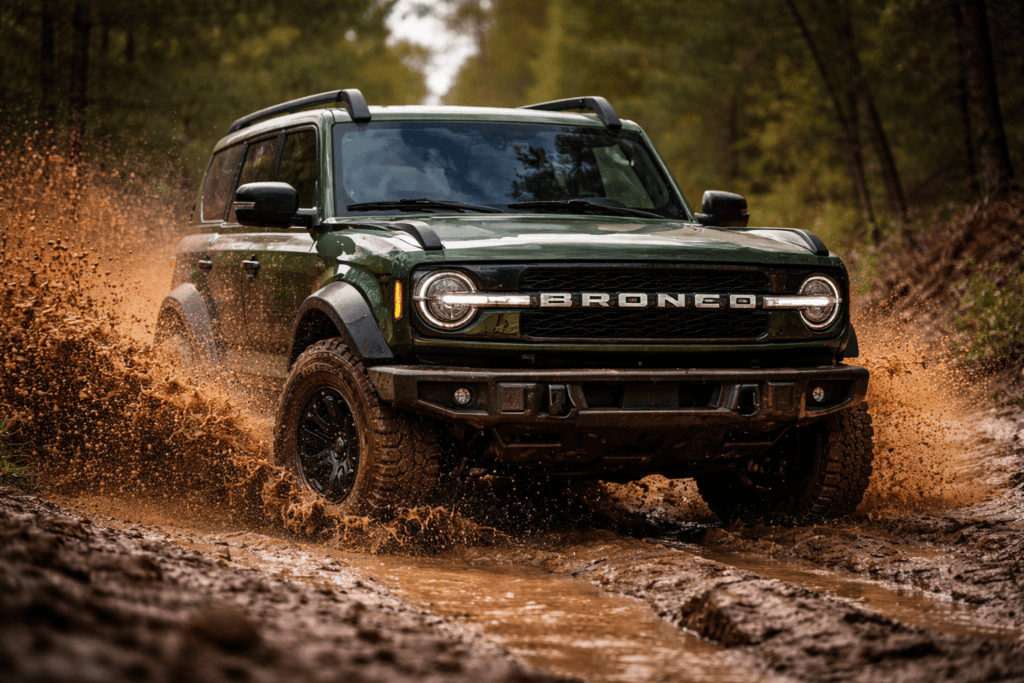
NUMBER FIVE: Ford Bronco
The Ford Bronco consistently ranks among the top resale performers in the SUV world. After three years, many trims retain roughly 65 to 70 percent of original MSRP, and depreciation remains lower than most midsize SUVs at five years.
Why? Demand stays high because supply has never fully caught up. Buyers also value real off-road hardware, not luxury gimmicks. Two-door and Sasquatch trims tend to hold value best, and manual transmissions often depreciate less than automatics in the used market. Add nostalgia plus genuine capability, and you get a lifestyle vehicle people search for, not settle for.
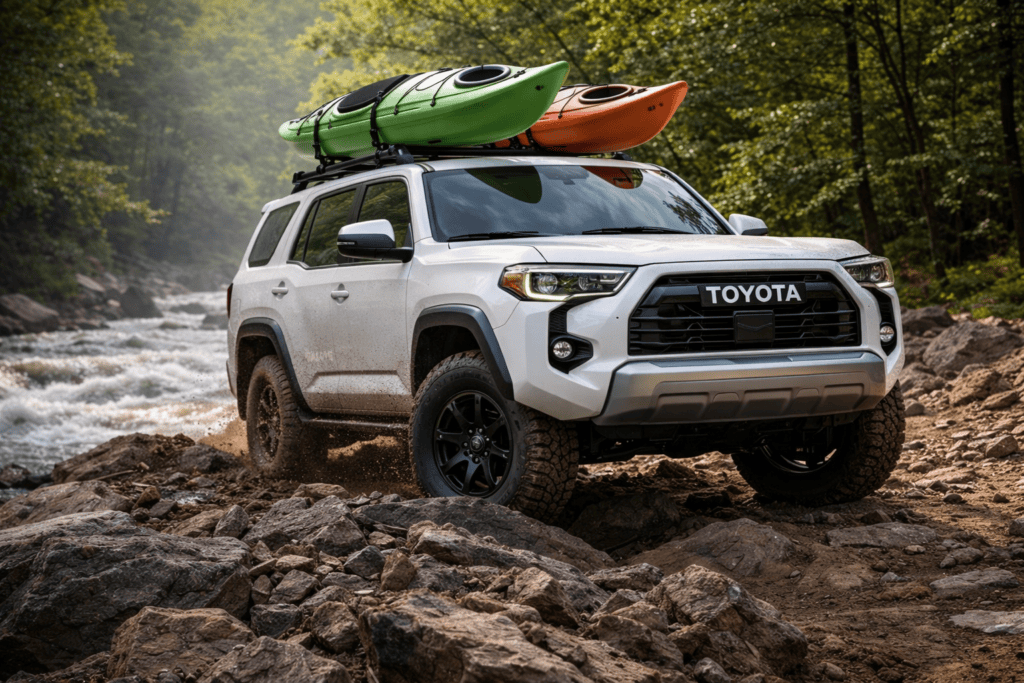
NUMBER FOUR: Toyota 4Runner
The Toyota 4Runner is one of the slowest-depreciating SUVs in America. Typical five-year retention is around 60 to 65 percent. The platform is old, and buyers do not care. Reliability reputation matters more than touchscreens.
Body-on-frame SUVs consistently outperform crossovers on resale, and used 4Runners often sell for numbers that make accountants nervous. Off-road trims tend to hold value best, and Toyota’s conservative engineering helps long-term ownership confidence. This vehicle attracts people who keep cars for a long time, which keeps resale prices high even with mileage.
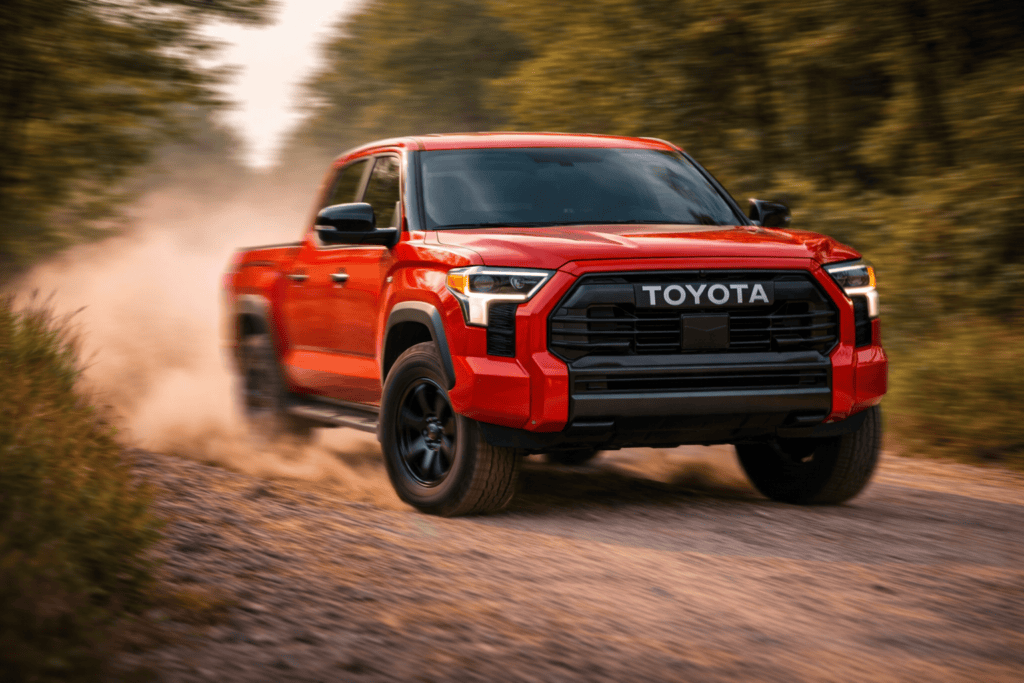
NUMBER THREE: Toyota Tundra
The Toyota Tundra ranks among the best full-size trucks for resale value. After five years, many Tundras retain around 60 percent of original value, which is exceptional for a full-size pickup.
Reliability perception drives resale more than horsepower numbers. Toyota trucks tend to “age slowly” in the used market, and special editions typically depreciate less than base trims because they attract buyers who are looking for something specific. Used truck demand remains strong in the U.S., and full-size trucks depreciate less when fuel prices stabilize. This is the rare truck that behaves like a financial asset pretending to be a toy.
NUMBER TWO: Toyota Tacoma
The Toyota Tacoma is the resale king of mainstream vehicles. Typical five-year retained value is around 65 percent, and in some years it ranks number one overall in resale studies.
The used Tacoma market can be stronger than the new one. Buyers pay premiums for high-mileage Tacomas because the reliability reputation is unmatched in its segment. Off-road trims depreciate the least, manual transmissions still matter here, and fleet buyers tend to avoid Tacomas, which helps preserve resale by keeping the used supply cleaner. The Tacoma does not chase trends. It waits patiently while everyone else loses money.
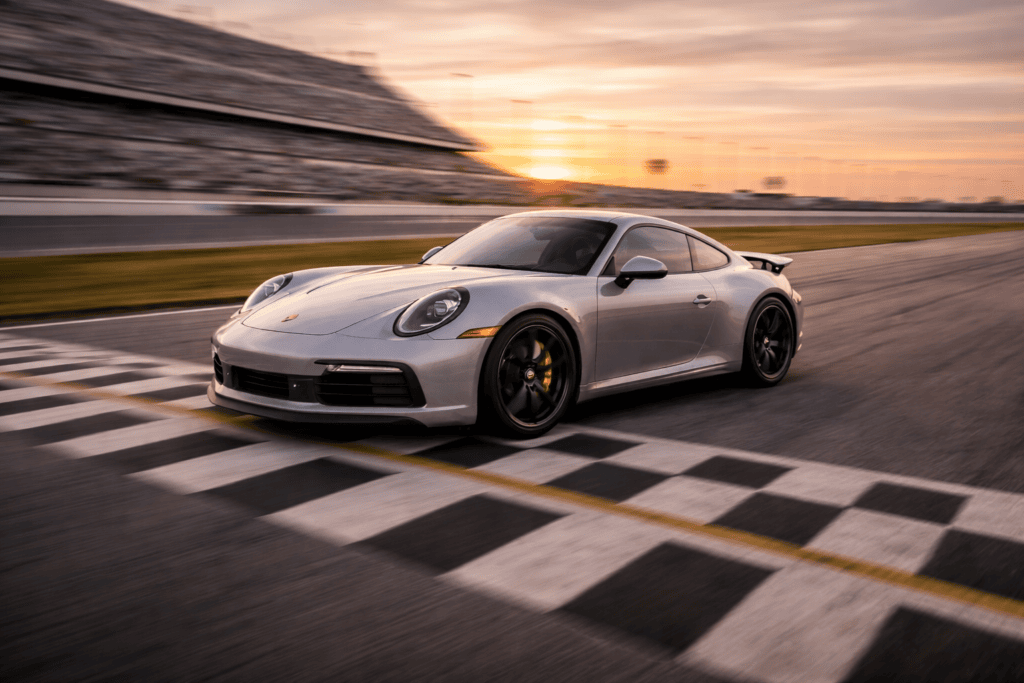
NUMBER ONE: Porsche 911
The Porsche 911 is the least-depreciating production vehicle in America. After three years, some models retain over 90 percent of MSRP, and in certain markets values can increase.
This defies normal automotive logic, but the reasons are consistent: limited production stabilizes supply, enthusiast demand protects resale, and Porsche avoids radical design resets that make older cars feel obsolete. Buyers also trust long-term support and parts availability. It’s expensive to buy, but shockingly safe to own financially. It’s depreciation’s natural enemy.
Calm close: If resale value matters to you, buy boring in the right way. Buy vehicles people search for, not vehicles they tolerate. Depreciation isn’t random. It’s predictable. Choose accordingly.