Hyundai Alabama Plant Investment: $450M SUV Expansion
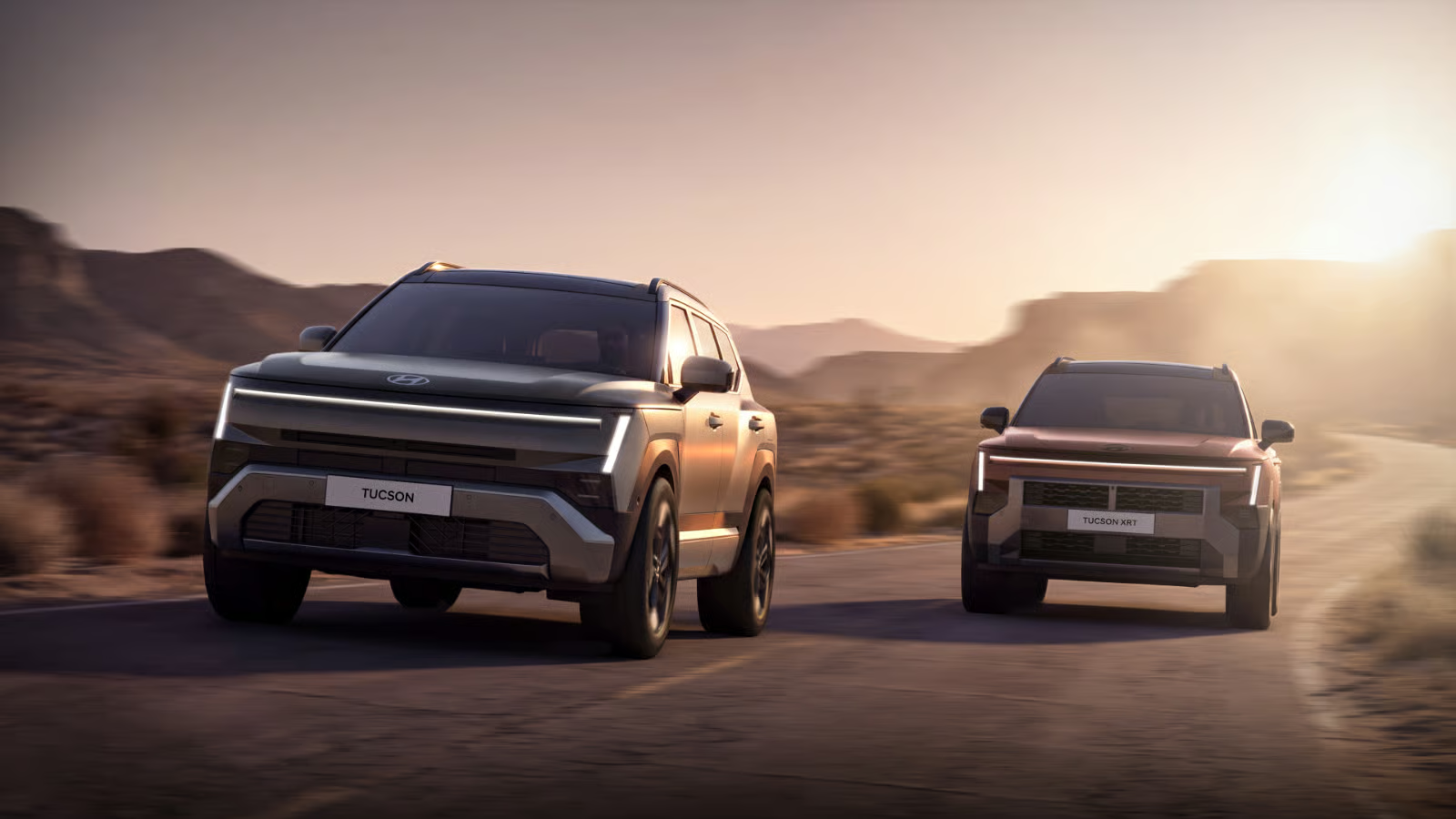
Hyundai’s $450 million Alabama plant investment will bring the all-new Tucson, a refreshed Santa Fe and extended-range electric vehicle technology to Montgomery. The October 28, 2026 announcement puts American manufacturing at the heart of Hyundai’s next wave of SUVs.
Hyundai Alabama Plant Investment Changes More Than the Factory
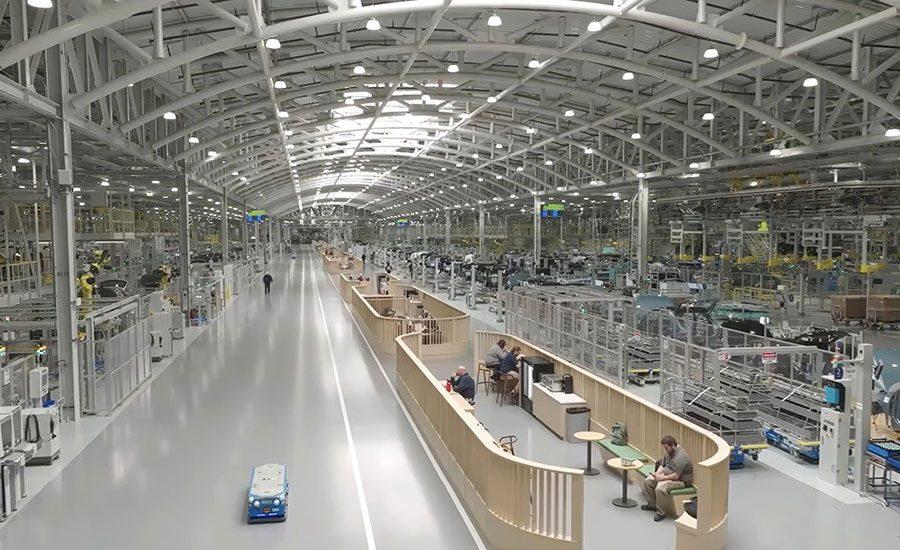
Hyundai has announced a nearly $450 million expansion of its Montgomery, Alabama, manufacturing operation. The investment will prepare the facility to build the next-generation Tucson, including hybrids, the refreshed Santa Fe and engines supporting a new generation of electrified vehicles.
The announcement came on October 28, 2026, with Alabama Governor Kay Ivey joining Hyundai executives and local officials. The state’s project description identifies $412,885,541 in capital investment and 53 new full-time jobs, with an average hourly wage of $30.03.
That might seem a surprisingly modest number of jobs for such an enormous investment. But Hyundai is upgrading an established manufacturing operation, not constructing an entirely new factory. Much of the money goes toward the equipment and production flexibility needed for different vehicles and powertrains.
Since manufacturing began in 2005, Hyundai’s cumulative investment in Montgomery has approached $2.2 billion. The plant employs approximately 4,200 people and, together with its suppliers, is credited by Alabama officials with more than $5 billion in annual economic impact.
You may also enjoy: Hyundai’s Savannah Surge: How a Korean Giant is Quietly Rewriting America’s Automotive Future
You may also like:
The New Hyundai Tucson Is Going American
The next-generation Tucson is one of the most important products involved in the expansion. Hyundai already manufactures gasoline-powered Tucson models in Montgomery, while Tucson hybrids sold in the United States have been imported from South Korea.
Bringing hybrid production to Alabama could reduce exposure to tariffs, shorten parts of the supply chain and give Hyundai greater flexibility in supplying American dealers. That does not automatically guarantee a cheaper vehicle. Pricing will also depend on equipment, production costs, demand and Hyundai’s commercial decisions.
Hyundai has said the all-new Tucson and Tucson Hybrid will launch in initial markets in the fourth quarter of 2026. American trim specifications, final pricing and EPA-certified fuel economy for the redesigned vehicle require confirmation as the U.S. rollout develops.
For families, an updated Tucson needs to deliver more than a different face and a larger screen. Rear-seat access, cargo space, loading height, visibility and the price difference between gasoline and hybrid versions will determine how competitive it becomes against the Toyota RAV4, Honda CR-V and Kia Sportage.
The U.S. Department of Energy’s explanation of hybrid electric vehicles makes the distinction clear: conventional hybrids use gasoline engines and electric motors but do not need to be plugged in.
You may also enjoy: 2027 Hyundai Tucson Adds Space and Smarter Hybrid Tech
A Refreshed Santa Fe and an Electric Surprise
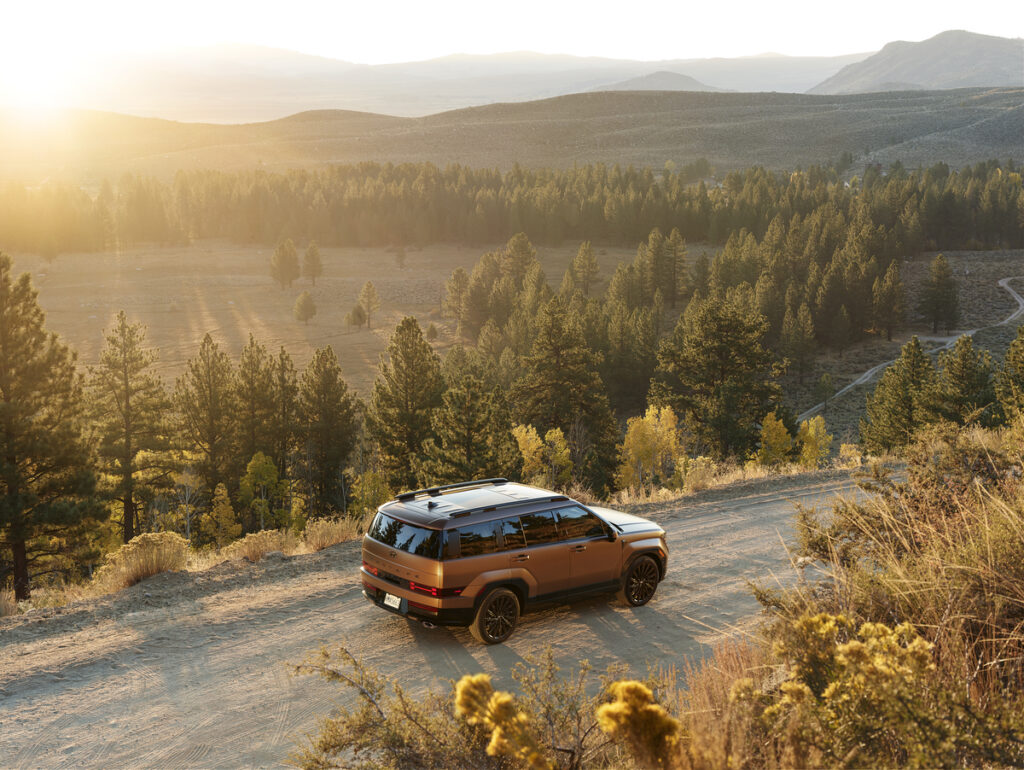
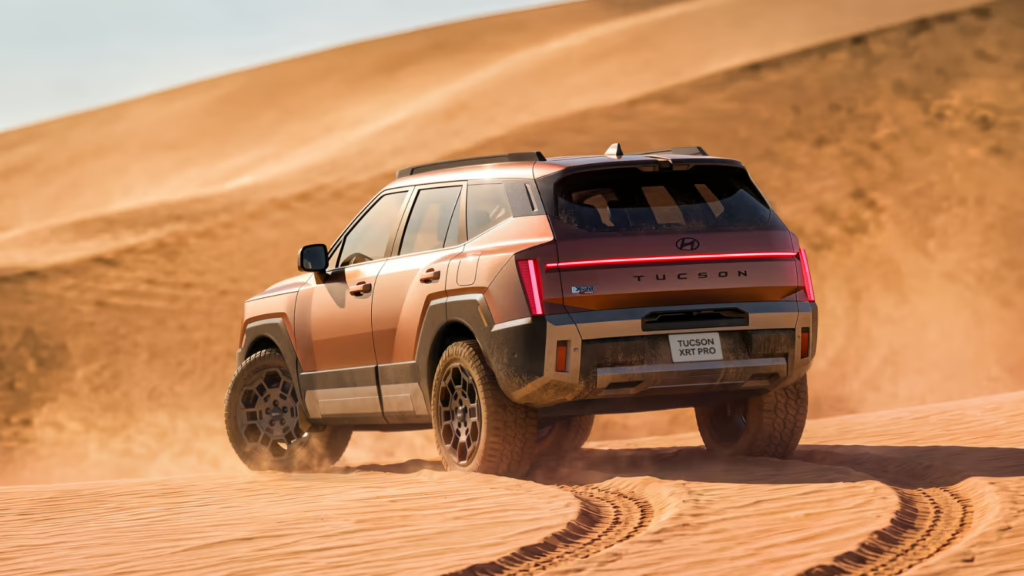
The Santa Fe is the other major SUV in Hyundai’s Alabama plans. A refreshed version is coming, but the more interesting technical development may be the Santa Fe EREV, which Hyundai has already confirmed for U.S. production.
EREV stands for Extended Range Electric Vehicle. Think of it as a vehicle primarily driven by electric motors, with a gasoline engine onboard to generate electricity and extend its range.
The Department of Energy explains series plug-in hybrid technology, in which electric motors provide propulsion and an engine can generate electricity. Hyundai’s particular implementation still needs to be judged against its final engineering specifications.
Hyundai is targeting more than 600 miles of total driving range for the Santa Fe EREV, with its first launch expected in the first half of 2027.
There is an important distinction here. Six hundred miles is not the promised battery-only range. It is Hyundai’s combined-range target using the battery and the onboard gasoline-powered range extender. Nor is it yet an independently verified EPA rating.
For someone regularly driving across states where reliable charging can be inconvenient, that could be an attractive proposition. Electric-motor propulsion for everyday journeys with the flexibility of gasoline for longer trips sounds rather sensible. It also means carrying both electrical and combustion systems, adding potential weight, cost and servicing complexity.
Until Hyundai publishes battery capacity, battery-only range, charging speed, fuel economy, towing specifications and price, the actual value remains an open question.
You may also enjoy: Hyundai Santa Fe EREV: What 600 Miles Really Means
Why Hyundai Is Investing in Hybrids and EREVs
The Alabama investment is an unmistakable sign that Hyundai does not see one powertrain as the answer for every American driver.
At its August 2026 CEO Investor Day, the company outlined plans for hybrids to reach approximately half of its North American sales by 2030. It also intends to offer more than ten hybrid models in the region.
This is a business calculation as much as an engineering decision. Hybrids appeal to buyers who want better fuel efficiency without depending on charging infrastructure. Fully electric vehicles suit drivers who can charge conveniently, while EREVs could offer a middle ground for those wanting electric propulsion with extended travel flexibility.
The Department of Energy’s overview of electric-drive vehicles explains how these technologies differ, a distinction that matters when comparing fuel use and ownership costs.
Hyundai’s challenge will be making these different technologies straightforward to understand and affordable enough to justify their complexity.
You may also enjoy: Hyundai Wants Hybrids to Be Half Its North American Sales
American Manufacturing Is About More Than Tariffs
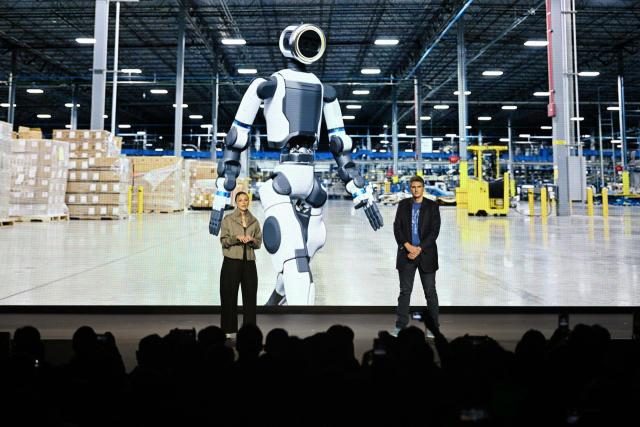
Hyundai’s Alabama expansion forms part of the wider Hyundai Motor Group U.S. investment strategy, including its manufacturing operations in Georgia and a planned $5.8 billion steel facility in Louisiana.
Making more vehicles and components in America can potentially reduce certain import-related costs and improve responsiveness to regional demand. But manufacturing location does not automatically establish a vehicle’s domestic-parts percentage, and buyers should not assume every Tucson or Santa Fe is manufactured in the same country.
The National Highway Traffic Safety Administration’s VIN decoder allows vehicle owners to check the actual assembly location of a specific vehicle.
There is another distinction worth remembering. A new manufacturing investment is not a new safety rating. Buyers should separately consult NHTSA’s vehicle safety ratings when comparing finished production models.
Hyundai is increasing manufacturing flexibility in Alabama while developing multiple approaches to electrification. That could make its American operations more resilient when consumer preferences shift, but the investment alone does not establish future sales success.
You may also enjoy: Hyundai’s 60% Electrified Goal Is Not an EV Goal
What American Hyundai Buyers Should Watch
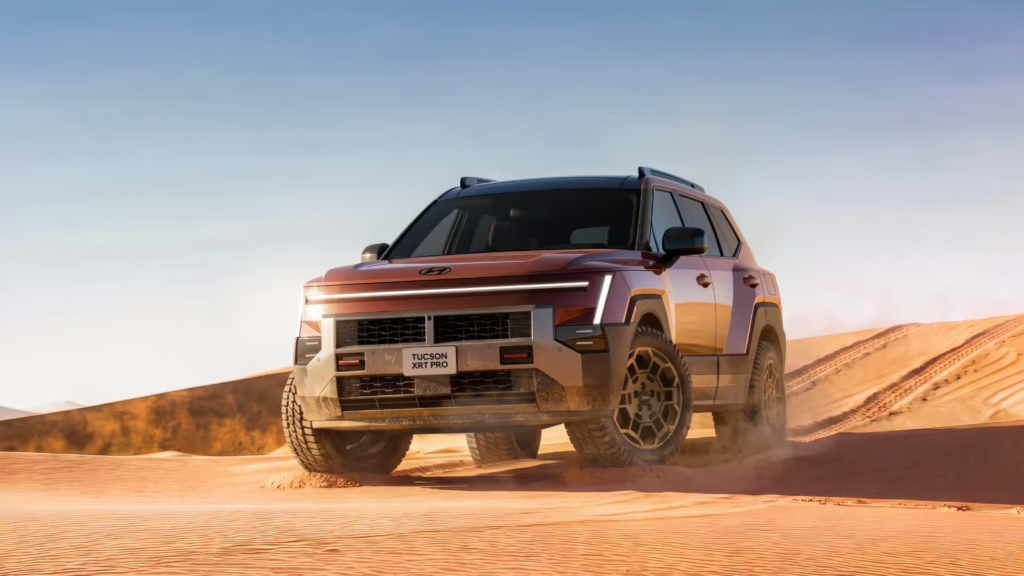
The most important announcements are still to come. We need U.S. pricing and final equipment for the redesigned Tucson, full details of the refreshed Santa Fe and certified range and efficiency figures for the Santa Fe EREV.
Those numbers will tell us whether Hyundai’s latest investment produces vehicles that are genuinely better to own, rather than simply more sophisticated to manufacture.
Someone transporting several large dogs will care about the height of the cargo floor and how easily animals can climb aboard. Parents need accessible rear seats. Commuters want lower running costs. Long-distance drivers want realistic range figures, not a number achieved under ideal conditions.
None of those questions can be answered by the size of a factory investment.
Affiliate shopping: If you are shopping for all-weather floor mats, Shop OEDRO directly or Shop OEDRO on Amazon. Use code NIKM20 at the OEDRO official store. Check current code terms and vehicle fitment before ordering. Test Miles may earn a commission from purchases made through these affiliate links.
The Test Miles Verdict
Hyundai’s nearly $450 million Alabama expansion is important because it prepares the company for a market where gasoline engines, hybrids and extended-range electric vehicles may all have a role.
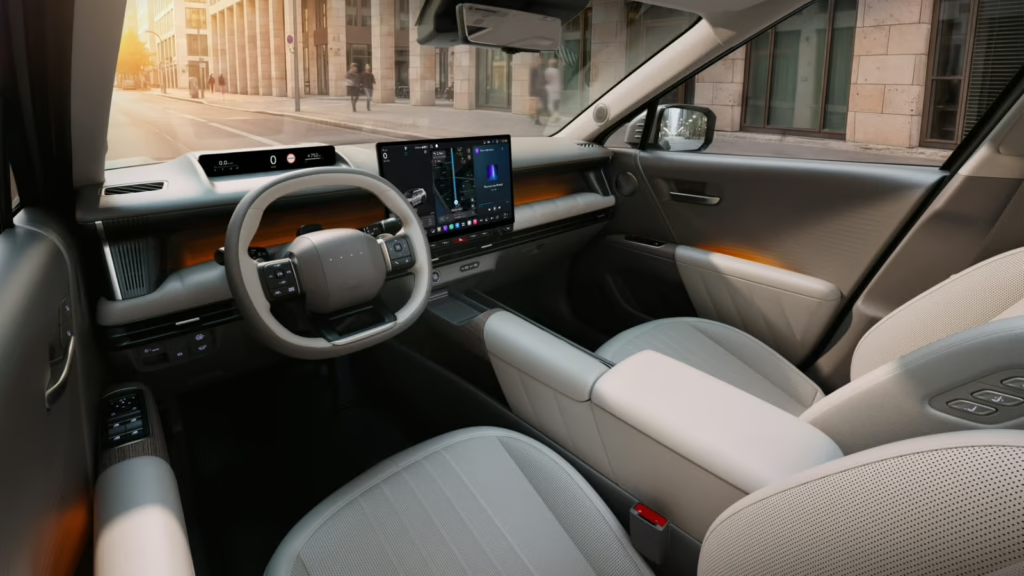
The next Tucson could become a stronger American-built competitor in the compact SUV class. The refreshed Santa Fe keeps an important family vehicle moving forward. And the Santa Fe EREV could be Hyundai’s most interesting attempt yet to combine electric driving with the convenience of a gasoline-powered backup.
The factory investment is real. The jobs and manufacturing upgrades are tangible. The projected 600-mile EREV range is promising, but still needs independent validation.
For American buyers, the ultimate achievement will not be how much money Hyundai spends in Montgomery. It will be whether the resulting vehicles are more useful, more efficient and competitively priced. That is the part worth keeping an eye on.