GM Driving Data Settlement: $220 Million Privacy Reckoning
GM Driving Data Settlement: $220 Million Privacy Reckoning
The GM driving data settlement will cost General Motors $220 million after a coalition of 36 attorneys general alleged that the automaker sold customers’ driving habits and location information to data brokers supplying insurance companies. The most troubling detail? More than 370,000 drivers were reportedly told they were not enrolled in the tracking program when they were.
Imagine your car reporting how hard you brake, how quickly you accelerate and when you travel, then discovering those details could help an insurer decide what to charge you. That’s not a hypothetical exercise. It is at the heart of a settlement announced October 29, 2026. Americans paid for the cars. Apparently, their driving histories had a second market.
You may also like this video:
What the GM Driving Data Settlement Actually Covers
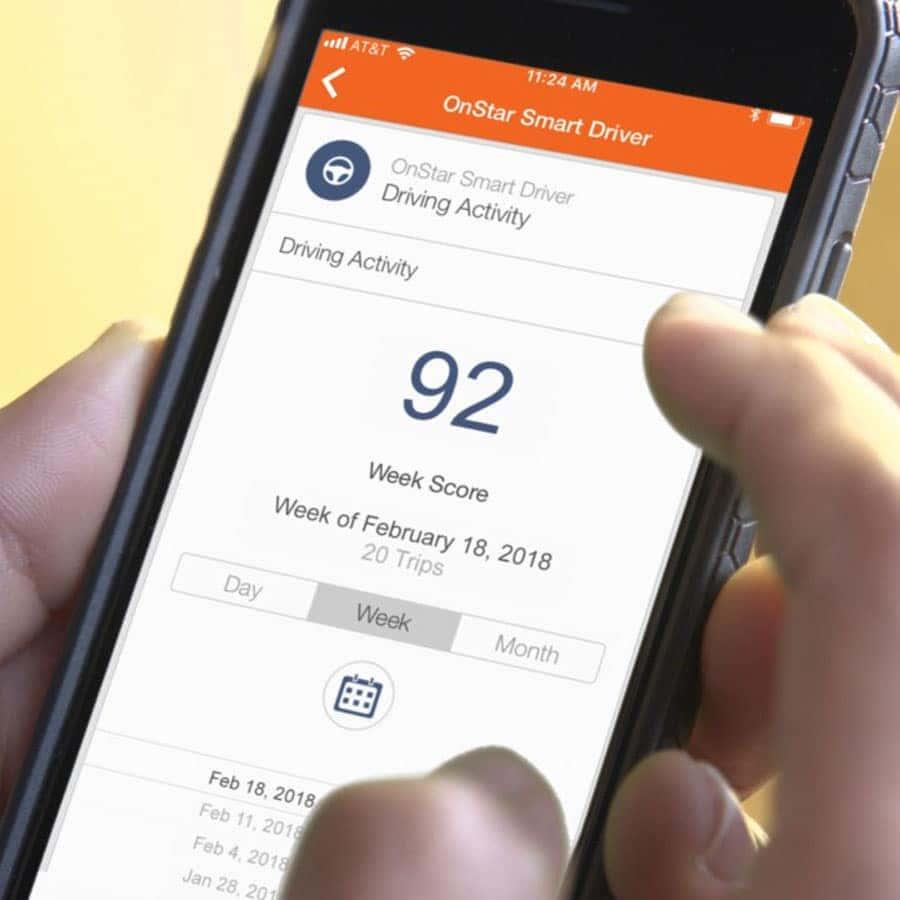
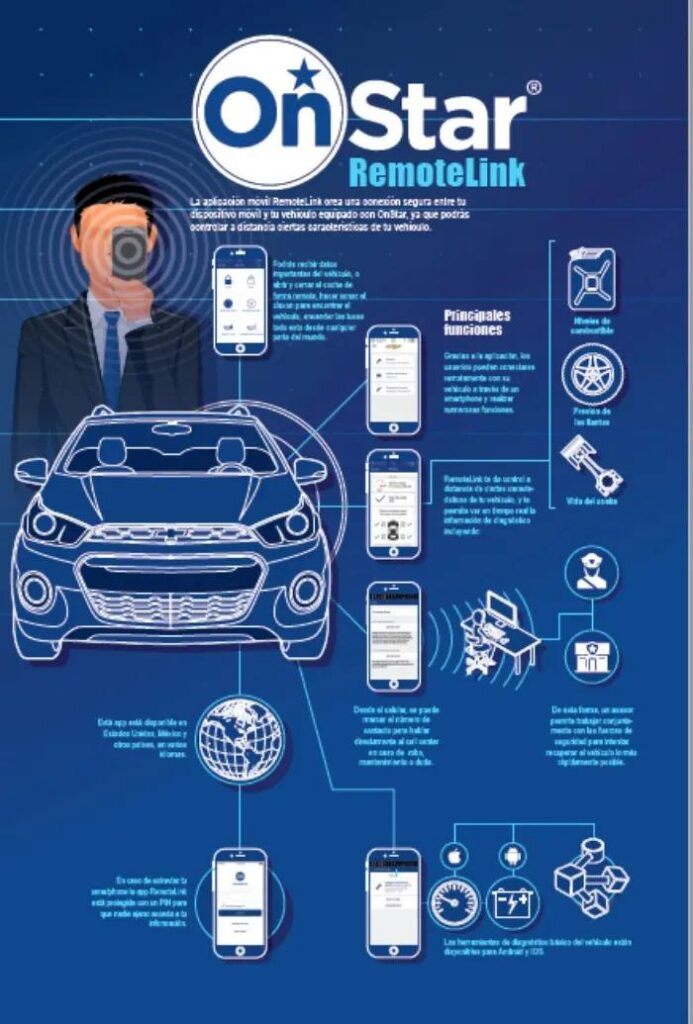
New York’s attorney general says GM’s OnStar Smart Driver program enrolled millions of motorists from 2016 through 2024. Marketed as a tool to improve driving, it collected information about individual trips and behavior. Investigators say GM sold that data to brokers through contracts specifying insurance-related uses. Those brokers supplied insurers, which could factor the information into premiums.
The distinction matters. GM was not necessarily selling a report directly to every customer’s insurer. It was supplying intermediaries that made the information available for insurance decisions. Nor does the record establish that every participating driver paid more. Officials say some customers did experience increases linked to their driving information.
You may also enjoy: 2026 Chevrolet Trax Review: The LT Is the Smart Buy
What Your Car Knew About You
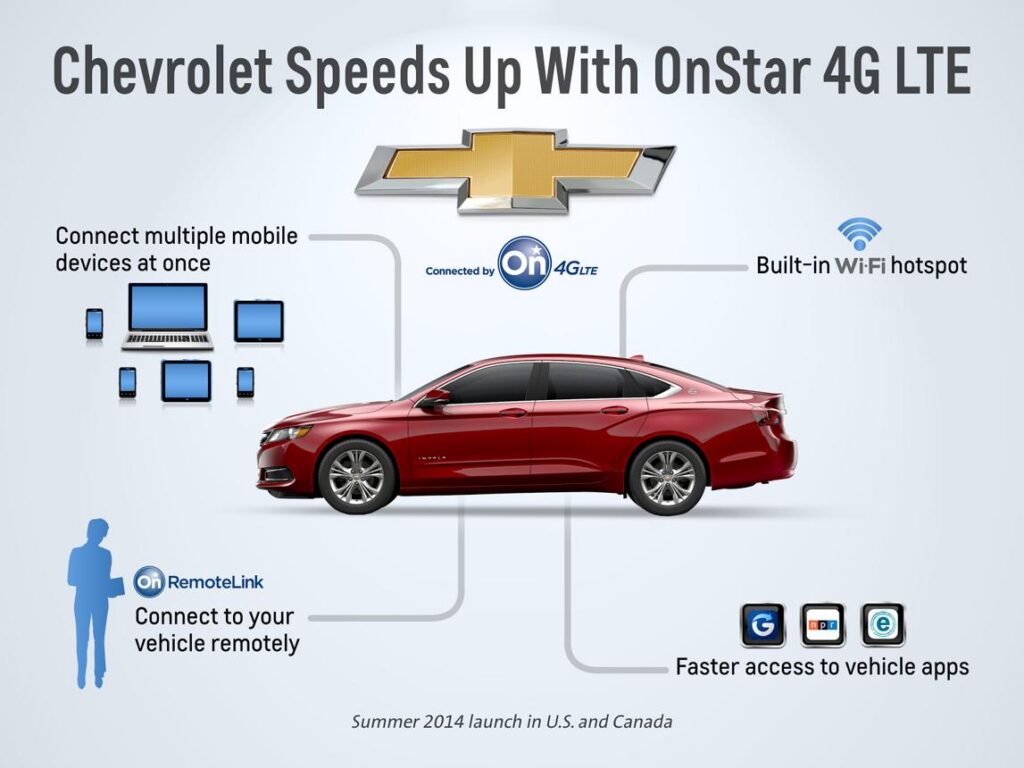
The data wasn’t limited to a vague driving score. State investigators describe records of how often a car was driven, the beginning and ending of each trip, hard acceleration and braking, and whether a driver exceeded speed limits. The Federal Trade Commission’s GM case file documents additional allegations involving precise location information, vehicle identifiers and detailed driving events. For some users, geolocation was collected as frequently as every three seconds.
Consider the problem with judging someone by hard braking. Was the driver distracted, or avoiding a dog in the road? A telematics record can flag an event without reliably explaining its circumstances. An insurer might see a risk indicator. The driver might remember preventing an accident. Data can be accurate about what a sensor detected and incomplete about what actually happened.
You may also enjoy: GM eBoost brake investigation: What owners need to know
370,000-Plus Drivers Were Told Tracking Was Off
The coalition alleges that the OnStar app incorrectly told more than 370,000 people they were not signed up for Smart Driver, even though GM was collecting and selling their information. Investigators say GM later unenrolled those drivers without informing them of the error, while previously supplied data remained with recipients.
Enrollment itself raises questions. According to Michigan’s attorney general, some dealership employees allegedly accepted terms on customers’ behalf without permission. GM incentivized connected-service enrollments, with bonuses linked partly to sign-up numbers. That creates an obvious conflict when a dealership employee is supposed to explain the customer’s choices rather than make them.
You may also enjoy: 2026 Chevrolet Traverse Review: Start With the LT
How Your Insurance Bill Could Be Affected
Insurance companies routinely use consumer reports to assess risk. The Consumer Financial Protection Bureau explains that specialized reporting agencies may hold claims and driving information used to determine policy offerings and premiums. The bureau’s LexisNexis C.L.U.E. and Telematics OnDemand listing specifically describes driving-behavior reporting for insurance pricing.
Here’s the important distinction: driving-data sharing is not automatically improper when a customer knowingly chooses an insurance-monitoring program. The controversy here is the alleged lack of meaningful disclosure and consent. Selling behavioral information without making its insurance purpose clear is a very different proposition from voluntarily joining a discount program.
You may also enjoy: 2026 Chevrolet Tahoe Review: Start With the LT
GM Ended Smart Driver, but the Consequences Continue
GM announced in April 2024 that it was discontinuing Smart Driver. It said information sharing with LexisNexis and Verisk had stopped March 20, 2024. The program was subsequently shut down. GM says it has strengthened privacy controls and customer choices.
The FTC finalized a separate settlement order in January 2026. It imposes a five-year ban on sharing covered data with consumer reporting agencies and requires, over a 20-year period, important consent, access, deletion and location-control measures, subject to exceptions.
The new multistate agreement requires GM to obtain express permission before collecting or disclosing covered driving and location information, restrict collection, maintain stronger privacy systems and improve dealership oversight. The settlement is not a criminal conviction, and GM’s agreement resolves the states’ allegations. Crucially, the $220 million goes to participating states; Michigan says it does not establish direct consumer restitution. Separate private litigation remains pending.
You may also enjoy: GM EV Batteries: Cheaper Electric Trucks by 2028?
What Drivers Should Do Now
First, check your vehicle’s connected-services permissions and any driver-scoring features. Second, use GM’s Privacy Center to review controls and request access to or deletion of personal data, subject to applicable exceptions. Third, if an insurance quotation has unexpectedly changed, ask what consumer reports were used. The CFPB’s consumer-reporting company directory explains how to find specialized reports, and its consumer reporting guide explains how to dispute inaccuracies.
Requesting your report does not prove your insurer used GM data. Nor does deleting information from GM necessarily delete every copy previously obtained by another business. But checking those records gives consumers something far more useful than outrage: evidence.
The Test Miles Verdict
Connected cars can save lives, deliver emergency assistance and make journeys easier. None of that requires turning a driver’s personal history into an undisclosed insurance product. GM has closed Smart Driver and accepted new restrictions. The damage to confidence is harder to quantify.
After decades covering cars, I still expect manufacturers to tell us how fast a vehicle goes, how safely it stops and what it costs. I don’t think it’s unreasonable to expect them to tell us who gets the data afterward. Your car should report a fault to the service department, not report you to the insurance industry without your informed permission.