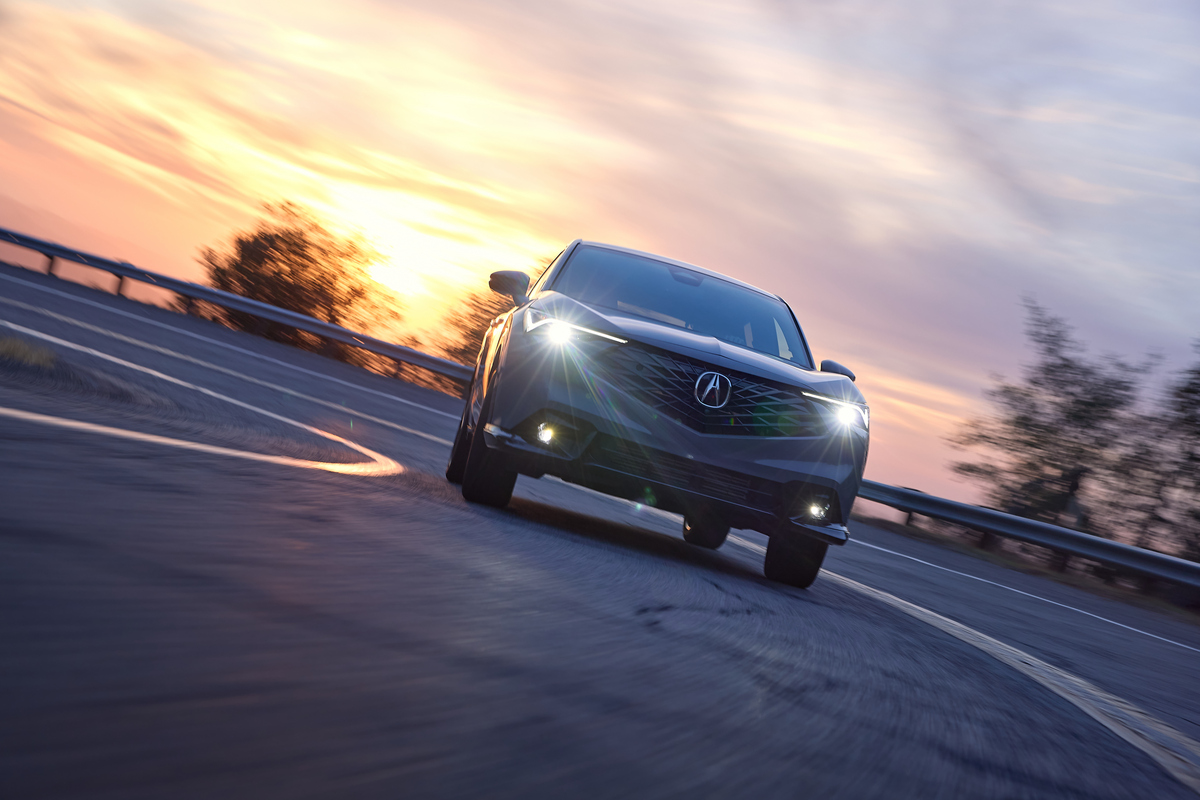
2027 Toyota RAV4 Review: Buy the Equipment You’ll Use
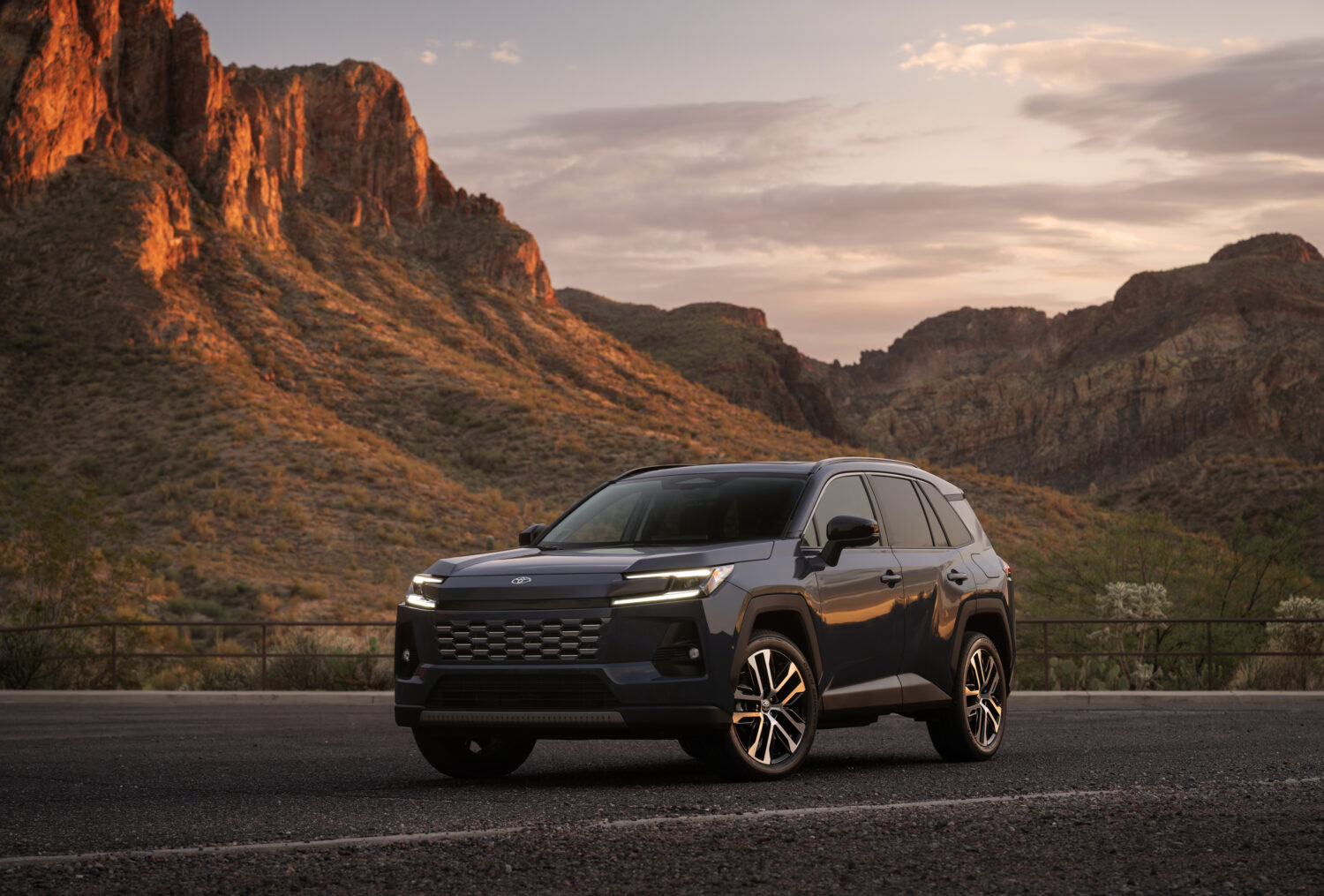
This 2027 Toyota RAV4 review analysis explains which upgrades deserve your money, when a plug-in makes sense and what to check before buying.
By Nik J. Miles
Vehicle analysis: This article assesses announced U.S. specifications and buying considerations. It is not a firsthand 2027 road test.
2027 Toyota RAV4 Review: My Buying Recommendation
Start with a modestly equipped regular hybrid and make every upgrade justify its place on the invoice. The RAV4 deserves consideration because it offers different routes to hybrid ownership. Its biggest shopping complication is deciding which equipment genuinely serves you.
Best for: Buyers comparing hybrid SUVs who want to choose equipment around a real daily routine.
Skip if: You require a gasoline-only RAV4, or need a firsthand assessment of ride comfort, cabin noise and handling before deciding.
Pros
- Regular-hybrid and plug-in choices.
- Plug-in charging hardware improves for 2027.
- Woodland gains useful clearance for buyers who need it.
Cons
- Plug-in entry pricing requires a larger budget.
- Optional equipment can distract from the most useful configuration.
- The revised Woodland suspension still requires firsthand evaluation.
You may also enjoy: 2026 Toyota RAV4 Review: Which Trim Should You Buy?
What Is Actually New for 2027?
This continues the generation introduced for 2026. The significant updates concern Woodland suspension and plug-in charging, rather than another complete redesign. Toyota’s 2027 RAV4 newsroom page provides the manufacturer’s model-year information.
That distinction is valuable when comparing remaining earlier-model inventory. Ask which specific improvement you would use, then compare delivered quotes. A model-year change deserves a price comparison, not automatic loyalty to the newer badge.
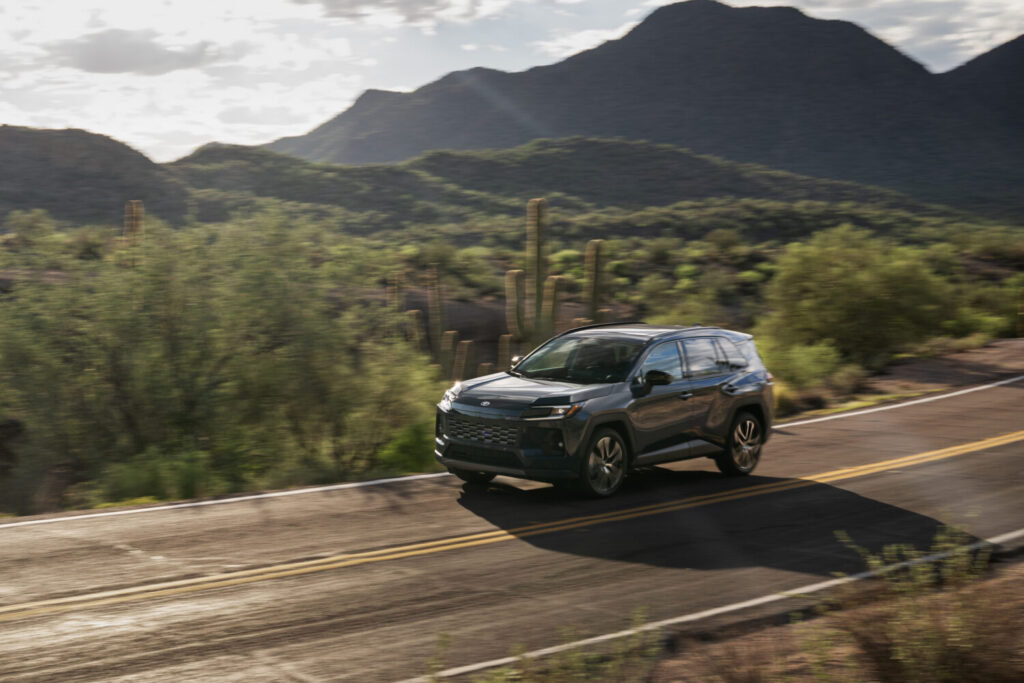
Lineup snapshot: The U.S.-market RAV4 offers regular-hybrid or plug-in-hybrid powertrains, with front- or all-wheel drive depending on configuration. This analysis does not represent a particular tested trim or as-tested price.
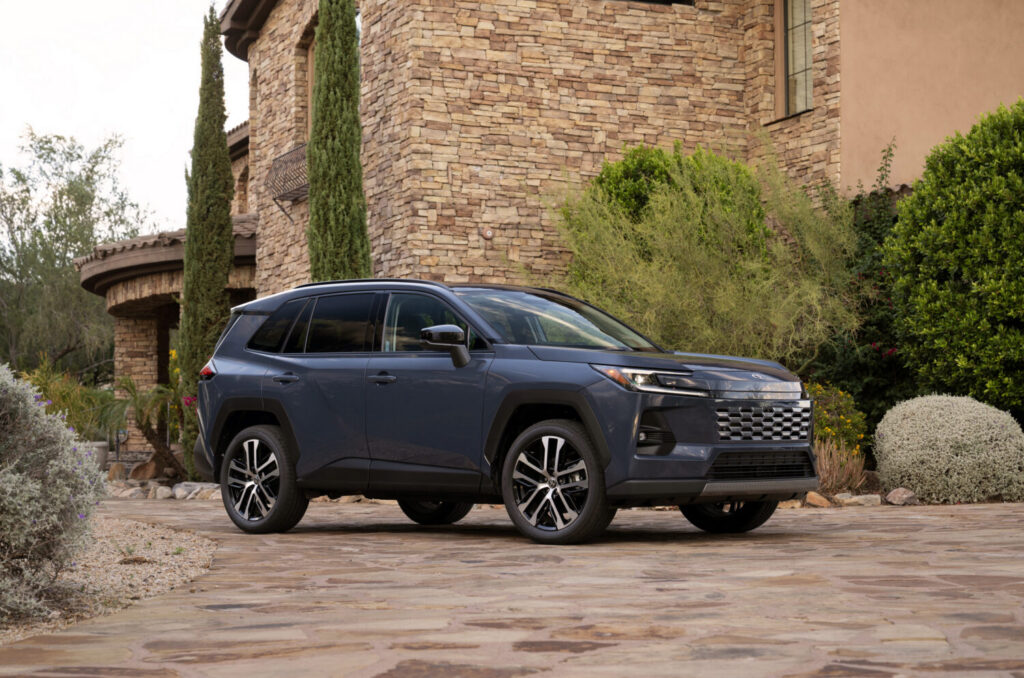
The First Upgrade I Would Question Is the Plug
A plug-in can be a sensible purchase. It can also be an expensive way of buying equipment you rarely use. Before choosing one, identify a dependable charging location and compare the extra purchase cost with your expected use.
The Department of Energy’s explanation of plug-in hybrid operation is helpful: the rechargeable battery and gasoline engine give the owner two energy sources. That flexibility does not promise a particular saving.
My practical test is simple. Describe when you will connect the vehicle on an ordinary Tuesday. If the answer involves an uncertain parking space, a special trip or somebody else agreeing to move their car, investigate further before paying extra.
Also check charger placement against your parking arrangement. A cable should reach the vehicle without turning the garage into an obstacle course. Electrification is more pleasant when it does not involve climbing over garden tools.
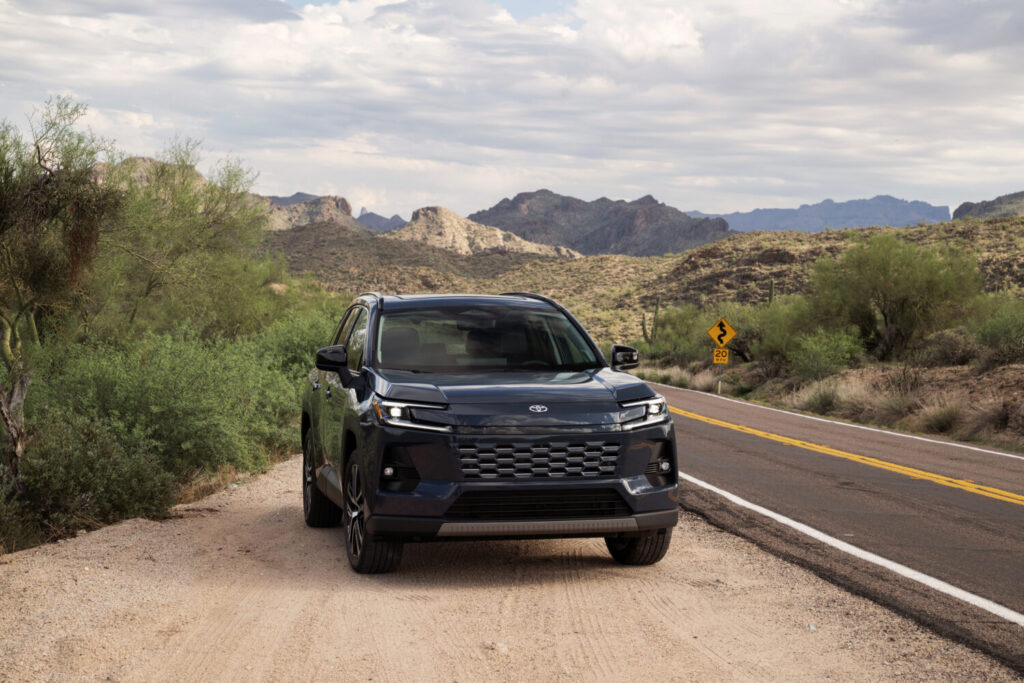
Woodland: Match the Hardware to the Destination
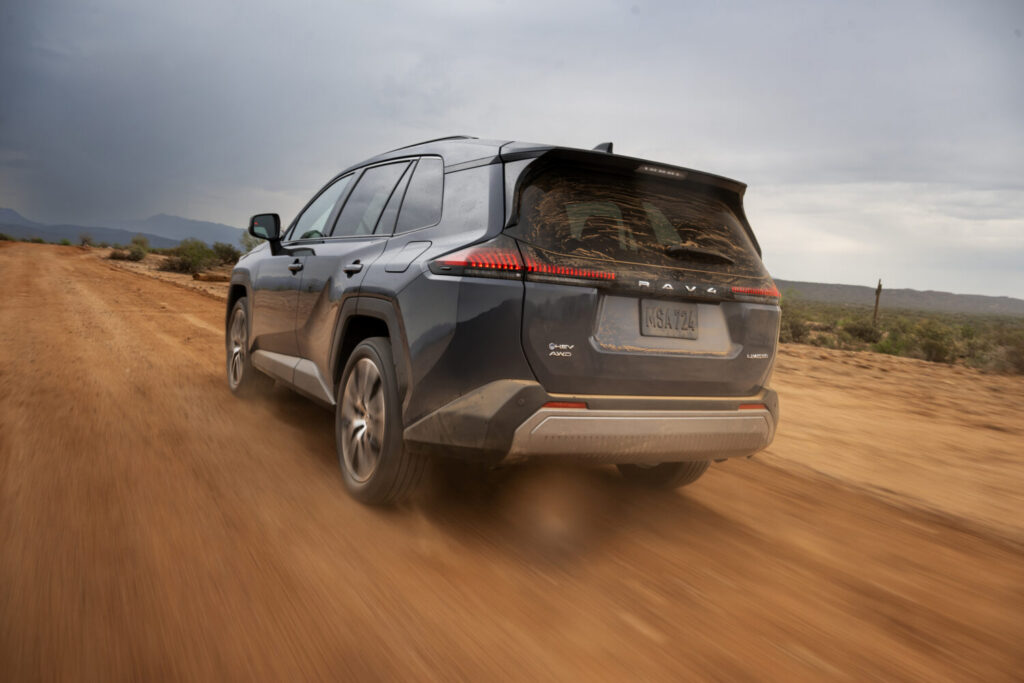
The Woodland’s revised suspension gives it 9.1 inches of clearance. Toyota’s plug-in product page also identifies an AWD Woodland with all-terrain tires, roof rails and a hitch receiver.
That combination warrants attention if the approach to your usual destination regularly challenges a road-oriented SUV. It is less persuasive when the appeal is mainly photographic. Ask yourself which obstacle the extra clearance would help you negotiate.
A hitch receiver does not establish your exact towing allowance. Before planning a trailer purchase, verify the selected vehicle’s documentation, loading limits and required equipment. Passengers and luggage belong in that calculation.
I would reserve any verdict on the revised suspension until driving it. Raised clearance alone cannot tell us whether a vehicle stays comfortable over expansion joints or feels settled on the highway.
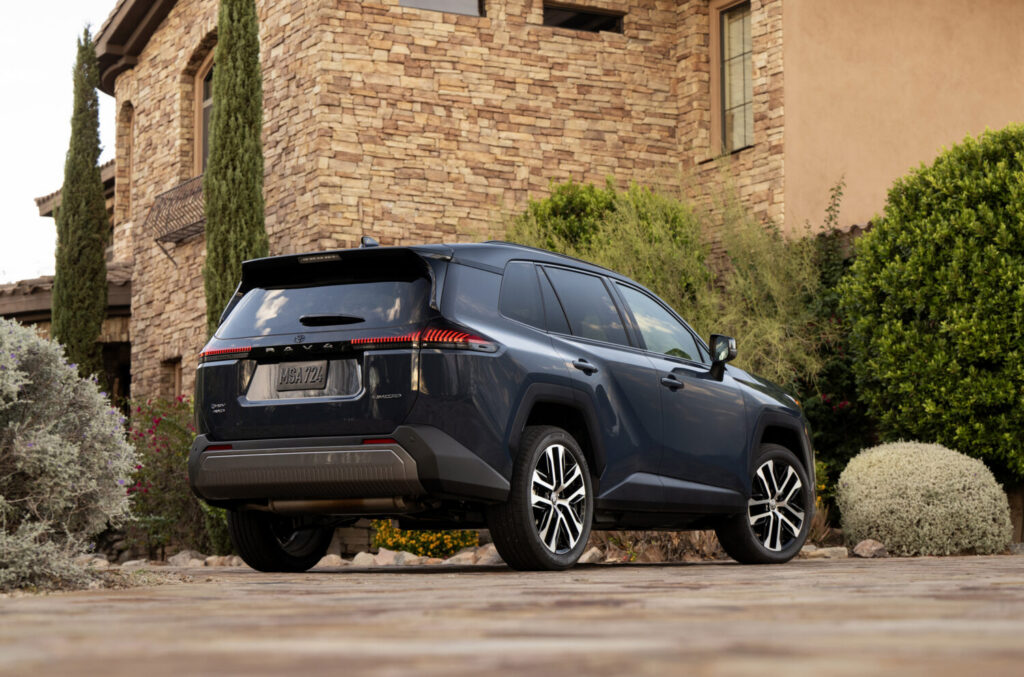
Make the Cabin Pass Your Own Loading Test
Take your regular cargo to the dealership. For dog owners, that means the crate, ramp or barrier you intend to use. A generous-looking opening can still disagree with the one object that must fit through it.
Check loading height, available tie-down arrangements and whether the hatch closes with your equipment inside. For family use, install the actual child seat with permission and move the front seat into the position its occupant requires.
Do the same with controls. Connect your phone, enter a destination while parked and find the functions needed to clear a misted windshield. A screen earns its place by making those jobs easier, not by occupying more dashboard.
Seat comfort, cabin materials and rear-seat accommodation deserve direct inspection. A specification sheet cannot establish whether a particular seating position suits your back or whether your usual passengers find entry and exit comfortable.
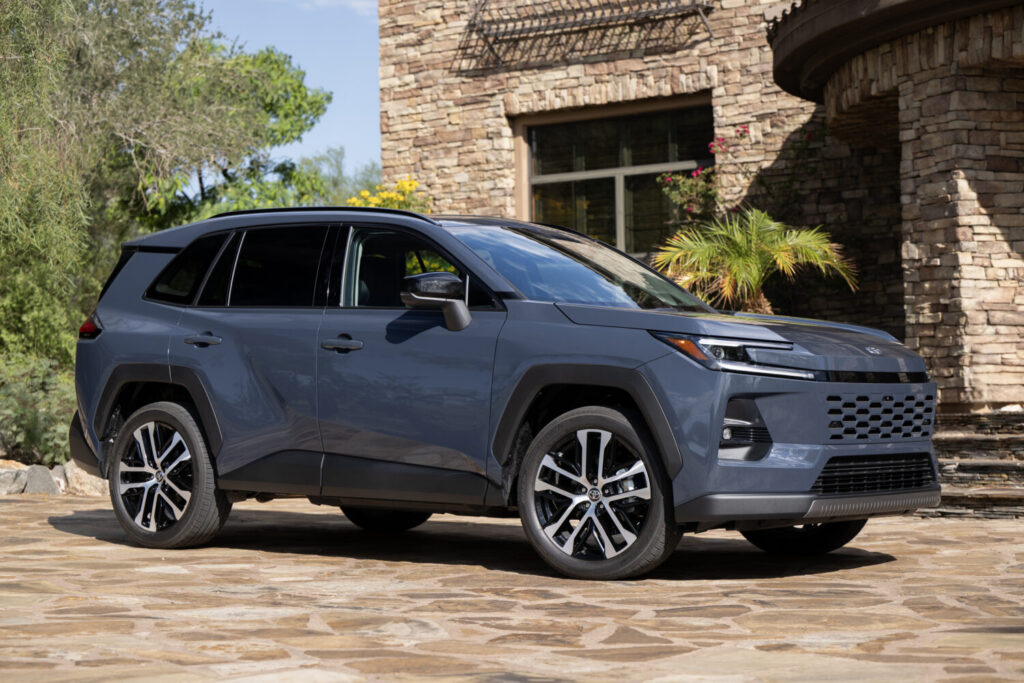
Price the Whole Job, Including Charging
Toyota lists starting MSRPs of $32,300 for the hybrid LE FWD and $42,100 for the plug-in SE, excluding delivery, processing and handling. Comparing those entry points does not isolate the price of the plug-in system because the configurations differ.
Request an itemized quote for the exact version you want. Then compare another configuration with the same must-have equipment. This prevents a powertrain decision from becoming confused with upholstery, accessories or a dealer protection package.
Home charging needs a separate quote. The Department of Energy’s consumer charging guide recommends consulting your utility and an electrical contractor about installation costs.
You may also enjoy: 2026 Toyota RAV4 Shortage: What Buyers Should Do
The Test Drive Should Answer These Questions
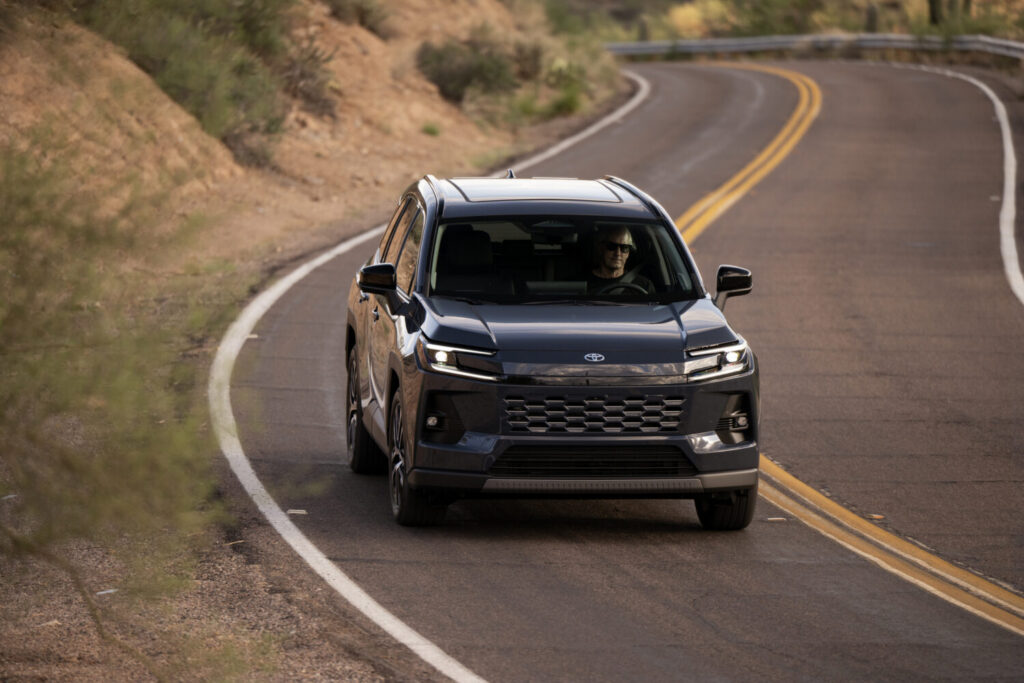
Take a route that resembles your actual driving. Include the road surface that normally irritates you, a safe highway merge and parking somewhere representative of your usual destinations.
Listen during acceleration and steady cruising. Check whether the brakes are easy to modulate smoothly as you stop. Ask a passenger about comfort after more than a quick lap around the dealership.
Have the salesperson demonstrate assistance-system settings while parked. NHTSA explains that warnings, braking intervention and steering assistance perform different jobs. These systems require appropriate driver supervision. No 2027 crash-test rating is claimed in this assessment.
There is no Test Miles measured fuel-economy result here. When comparing efficiency, use the window sticker for the exact configuration and keep official ratings separate from any trip-computer reading during a brief demonstration.
Shop the Alternatives Before Choosing the Badge
The Honda CR-V Hybrid and Hyundai Tucson Hybrid belong on the same shopping itinerary. Compare equivalent model years and available vehicles rather than mixing a discounted outgoing trim with a fully optioned newcomer.
For each, record your delivered quote, passenger fit, cargo fit and impressions from the same type of route. This analysis does not establish that Toyota rides better, feels quieter or offers more usable room than either rival.
You may also enjoy: 2027 Nissan Rogue Hybrid Review: An EV Without a Plug?
My verdict: put the RAV4 on the shortlist, then buy the least expensive configuration that passes your practical tests. Consider a plug-in when charging is dependable, and Woodland when your destinations justify its equipment. Walk away from a deal that needs imaginary fuel savings or imaginary adventures to make the payment comfortable.
Buyer Questions
Is this a firsthand 2027 RAV4 road test?
No. It is vehicle analysis based on announced information and purchasing considerations. It includes no original driving impressions, measured fuel economy or as-tested price. A subsequent road test should assess comfort, noise, braking, visibility and the practical consequences of the chosen trim.
Should I choose the regular hybrid or plug-in?
Begin with charging access and a complete price comparison. The regular hybrid suits a buyer who wants gasoline refueling without arranging external charging. Consider the plug-in if you can charge dependably and expect to use its electric capability often enough to justify the additional commitment.
Is Woodland worth paying extra for?
It deserves consideration when your normal journeys include an access road or destination where its equipment has a purpose. Inspect the actual hardware and verify limits for your intended use. Choose it for a job you can describe, then test whether its everyday compromises suit you.
Will the plug-in save me money?
There is no universal answer. Compare purchase and financing costs, electrical installation, electricity rates, gasoline prices and how frequently you expect to charge. Do not treat advertised efficiency as a guaranteed household saving. Use your own mileage and costs, and verify any incentive before including it.