Tesla Cybercab Model 3 Technology Arrives in 2026
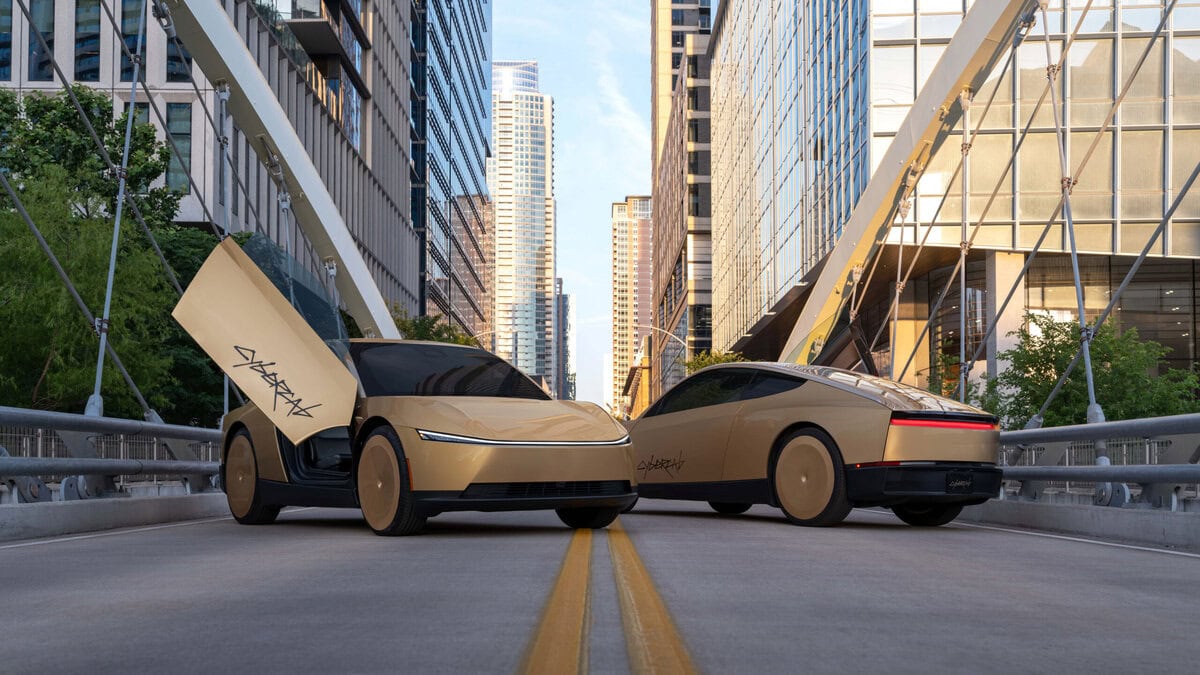
Tesla Cybercab Model 3 technology is coming to production this year, bringing redesigned electric-motor electronics from the company’s futuristic robotaxi into its best-known electric sedan. The goal is simpler manufacturing, fewer components and potentially lower costs. But will drivers actually notice a difference?
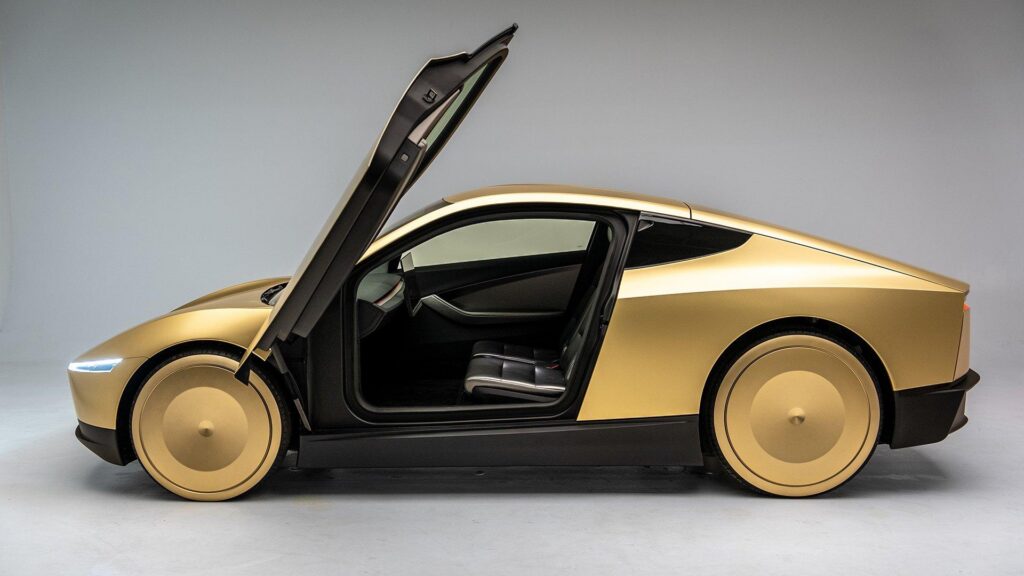
Tesla has developed a car without a steering wheel, accelerator or brake pedal. Now some of the most interesting technology from that remarkable machine is heading into a vehicle that ordinary Americans can actually buy.
And rather surprisingly, it has nothing to do with the car driving itself.
Instead, Tesla is bringing newly developed inverter electronics from its Cybercab into the Model 3. The change could make the electric drivetrain simpler to manufacture, less dependent on individual suppliers and potentially more efficient.
It is not the sort of development likely to produce queues outside Tesla showrooms. Nobody has ever bought a car because its inverter had a particularly attractive circuit board.
Nevertheless, this could be one of Tesla’s more important engineering decisions of 2026.
You may also enjoy this video:
Tesla Cybercab Model 3 Technology: What Is Changing?
During a recent engineering tour with Munro Live, Tesla’s head of drive unit engineering, Nick Verzini, explained how the company has redesigned the inverter electronics originally developed for Cybercab.
Verzini confirmed that the new printed circuit board assembly and power stage are scheduled to enter Model 3 production before the end of 2026.
The redesigned electronics have substantially fewer components than the previous inverter design used in the Model 3. Tesla has also engineered them to accept components from multiple suppliers.
That second detail is particularly significant.
Modern automobiles depend on complicated supply chains. If a manufacturer relies on one supplier for a critical electronic component, any interruption can cause expensive production problems.
Creating electronics that can accommodate equivalent components from several suppliers gives Tesla greater manufacturing flexibility.
It may also provide opportunities to negotiate better component prices and reduce the consequences of shortages.
For a manufacturer producing vehicles in large quantities, relatively small savings on each vehicle can eventually become substantial financial benefits.
You may also enjoy: 2026 Tesla Model 3 Review: Is Standard Too Basic?
What Exactly Does an EV Inverter Do?
To understand why this matters, it helps to look at one of the less glamorous but absolutely essential components inside an electric vehicle.
The battery stores electricity as direct current, commonly called DC. Most modern electric traction motors, however, operate using alternating current, or AC.
The inverter converts electricity from the battery into the form required by the motor.
It also helps control motor speed and the amount of torque delivered to the wheels.
Think of it as the electrical translator between the battery and the motor. Without it, the two cannot work together as intended.
The U.S. Department of Energy explains how electric-vehicle power electronics control energy flow and motor operation.
An inverter must manage substantial electrical power while minimizing wasted energy and dealing with the heat generated during operation.
Even relatively small improvements in its design can matter because efficiency losses eventually affect electricity consumption, vehicle range and thermal management.
But there is an important distinction between engineering potential and measured results.
Tesla has not published a verified improvement in Model 3 driving range, acceleration or efficiency resulting specifically from this new inverter design.
Consequently, it would be premature to promise buyers additional miles between charging stops.
Why Tesla Is Designing Fewer Components
There are several reasons an automaker might want to reduce the number of electronic components inside a major drivetrain system.
First is manufacturing cost. Fewer parts can reduce assembly complexity, purchasing requirements and production time.
Second is supply-chain resilience. Electronics that can use components from multiple manufacturers may be easier to keep in production when individual suppliers encounter problems.
Third is engineering simplicity. Reducing unnecessary complexity can potentially make systems easier to assemble, diagnose and maintain.
However, fewer components do not automatically mean greater reliability. The design must still demonstrate durability under vibration, extreme temperatures and years of electrical cycling.
The Department of Energy identifies lower cost, improved reliability and better manufacturability as major objectives of electric-drive research.
Tesla’s approach appears consistent with those broader engineering goals.
What we do not yet have is independent durability evidence comparing the new Model 3 components with the previous generation.
You may also enjoy: Tesla Cybercab: The Car You Can’t Drive Yourself
Could the Model Y Receive the Same Technology?
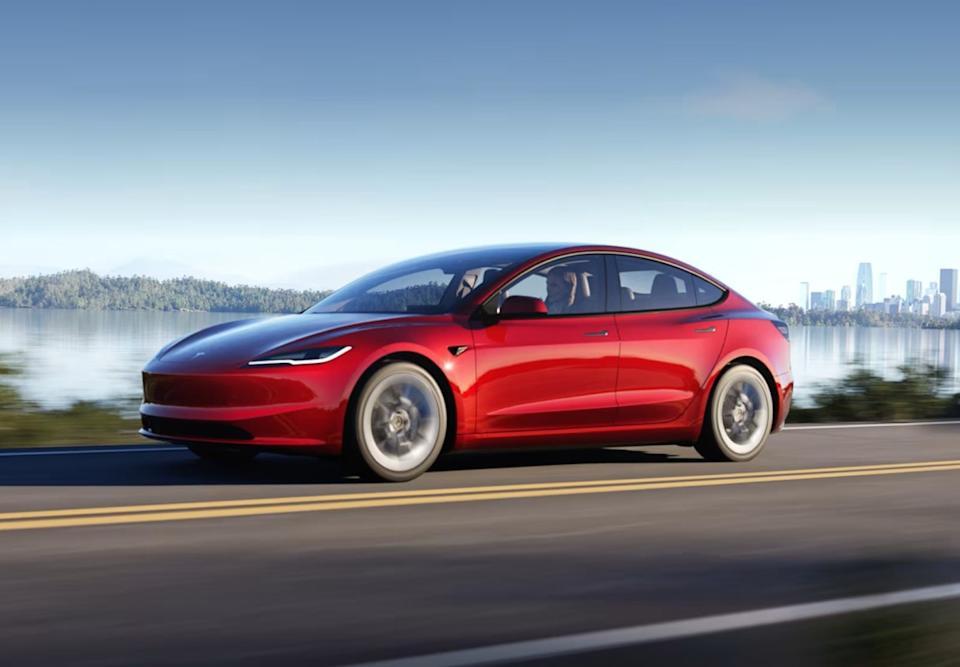
Quite possibly, although Tesla has not announced that production change.
During the engineering discussion, Verzini explained that the redesigned inverter retains compatibility with Tesla’s existing drive-unit interfaces.
He indicated that the complete inverter assembly could fit within a Model Y drive unit.
That is an important distinction between a component being technically compatible with another vehicle and the manufacturer actually approving it for production.
Tesla has confirmed the Model 3 production plan. It has not confirmed a Model Y installation date.
From a manufacturing perspective, sharing components between different vehicles can reduce the number of unique parts a company needs to purchase, manufacture and stock.
It also allows engineering investments to benefit several products rather than a single model.
That matters when automotive companies are under pressure to reduce electric-vehicle manufacturing costs.
For buyers, lower production costs could eventually support better equipment, improved pricing or stronger manufacturer margins. There is no guarantee which of those outcomes Tesla would choose.
The Cybercab Drivetrain Is Still Different
It is important not to confuse the transfer of inverter technology with replacing the Model 3’s entire drivetrain.
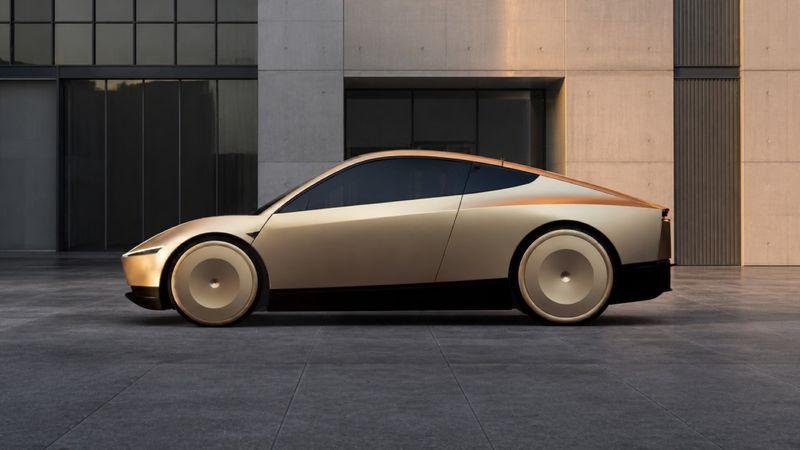
Cybercab was developed for a different purpose.
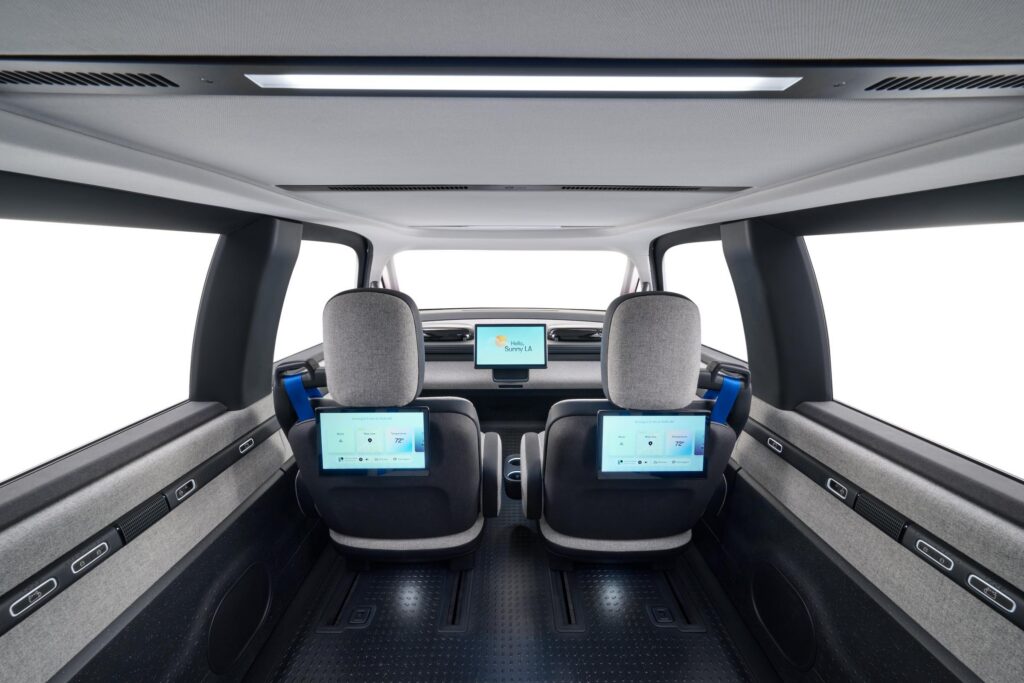
The two-passenger robotaxi uses a front-mounted electric drive unit, while rear-wheel-drive versions of the Model 3 use a rear-mounted drive unit.
Cybercab also employs an approximately 11:1 drive reduction ratio, compared with roughly 9:1 in many other Tesla applications discussed during the engineering tour.
A reduction ratio describes the relationship between motor speed and wheel speed. Changing it influences the balance between wheel torque, motor operating speed and vehicle performance.
Cybercab does not need to deliver the same combination of acceleration and maximum-speed performance as a conventional passenger vehicle.
Its engineering priorities emphasize efficient transportation, durability and economical fleet operation.
Tesla has also described changes to the Cybercab motor cooling arrangement and oil-pump design.
Those additional mechanical changes have not been confirmed for the Model 3.
The Department of Energy’s electric-vehicle technology guide explains how battery power, motors and regenerative braking work together in an electric vehicle.
You may also enjoy: Tesla Cybercab: Uber and Lyft May Need a New Ride
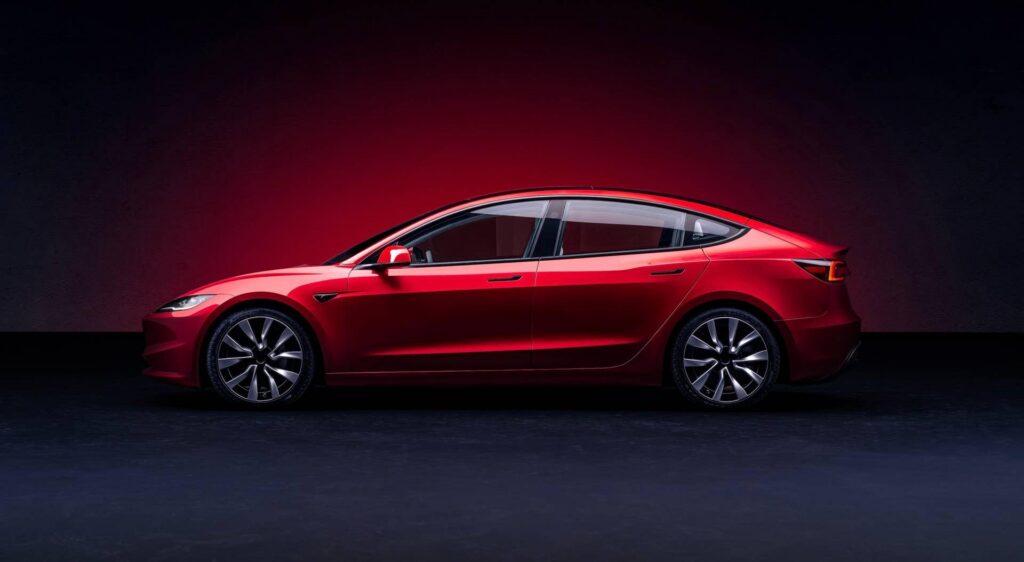
Does This Make the Model 3 a Self-Driving Cybercab?
No. And this is where the headlines need a little discipline.
The inverter development concerns the electric propulsion system, not the autonomous-driving computer.
Model 3 buyers should not interpret the announcement as evidence that their vehicles are receiving Cybercab’s fully autonomous operating capability.
Tesla’s Full Self-Driving (Supervised) remains a driver-assistance system requiring an attentive driver who is prepared to intervene.
The National Highway Traffic Safety Administration distinguishes driver assistance from automated driving systems capable of carrying out the driving task without continuous human supervision.
Cybercab is designed to operate without conventional driver controls. The Model 3 remains a conventional passenger vehicle that its owner can drive.
Sharing certain electric-drive components does not remove that difference.
You may also enjoy: Tesla Robotaxi School Zone Speeding: Can AI Be Trusted?
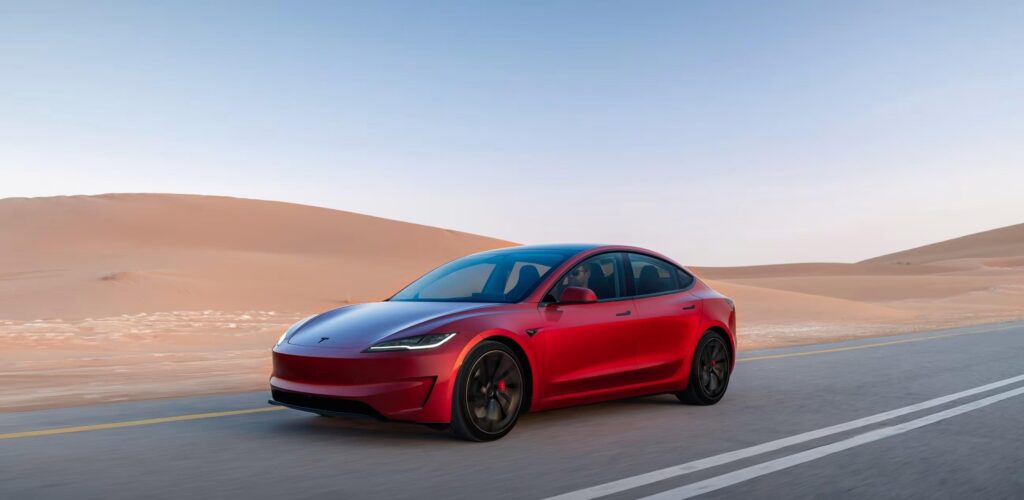
What Does This Mean for American Model 3 Buyers?
For someone considering a Model 3, the immediate answer is probably less dramatic than Tesla enthusiasts might hope.
There is no confirmed new EPA range rating associated with the redesigned inverter.
There is no announced horsepower increase, acceleration improvement or reduction in the Model 3’s retail price attributable to these components.
Tesla has also not identified which American production configurations will receive the change first, or published a vehicle identification number cutoff for the revised hardware.
That makes it difficult for shoppers to determine whether a particular vehicle already contains the updated electronics.
The NHTSA’s driver-assistance guidance is useful for understanding the separate question of vehicle automation, but it does not establish the specification or production timing of the new drivetrain hardware.
Anyone buying a Model 3 primarily because of this development should ask Tesla to confirm the precise hardware configuration before making a purchase decision.
Otherwise, the established Model 3 characteristics remain more important: purchase price, driving range, charging access, comfort, warranty and suitability for everyday use.
There is little reason to postpone buying a car merely because a newer version of one internal component may arrive later.
You may also enjoy: Tesla Cybercab: Would You Buy a Car You Can’t Drive?
The Bigger Story Is Tesla’s Manufacturing Strategy
The most interesting consequence may not be what happens inside a particular Model 3.
It may be what happens inside Tesla’s factories.
Cybercab represents an attempt to rethink how an electric vehicle is engineered, assembled and operated.
Developing a component for that ambitious program and then incorporating it into an existing high-volume passenger vehicle allows Tesla to spread the engineering benefits across more products.
Instead of treating Cybercab as an isolated experiment, Tesla can use selected developments to improve the cars that already support its business.
This is particularly important because the American electric-vehicle market increasingly depends on making vehicles affordable without sacrificing efficiency or durability.
Reducing component costs is one of the less visible ways manufacturers can pursue that objective.
Affiliate shopping: If you are shopping for all-weather floor mats, Shop OEDRO directly or Shop OEDRO on Amazon. Use code NIKM20 at the OEDRO official store. Check current code terms and vehicle fitment before ordering. Test Miles may earn a commission from purchases made through these affiliate links.
Test Miles Verdict: A Small Component With Big Potential
Tesla’s Cybercab is an extraordinary-looking machine, but its most useful contribution to the automotive industry might not involve eliminating the steering wheel.
It could involve making ordinary electric vehicles less complicated and less expensive to manufacture.
The inverter development is a sensible engineering move. Fewer components, greater supplier flexibility and compatibility across existing vehicle platforms all offer potential business advantages.
But I would separate those advantages from promises about what a Model 3 owner will actually experience.
Until Tesla publishes updated specifications or independent testing demonstrates measurable gains, there is no reason to expect a dramatic change in performance or range.
For now, the takeaway is straightforward: Cybercab technology is beginning to influence Tesla’s mainstream electric vehicles, and the first confirmed beneficiary is the Model 3.
It may not be as exciting as a robotaxi arriving at your front door without a driver.
But if the result is an electric car that’s simpler to build, easier to support and eventually less expensive to buy, I suspect most Americans would consider that a rather useful development.